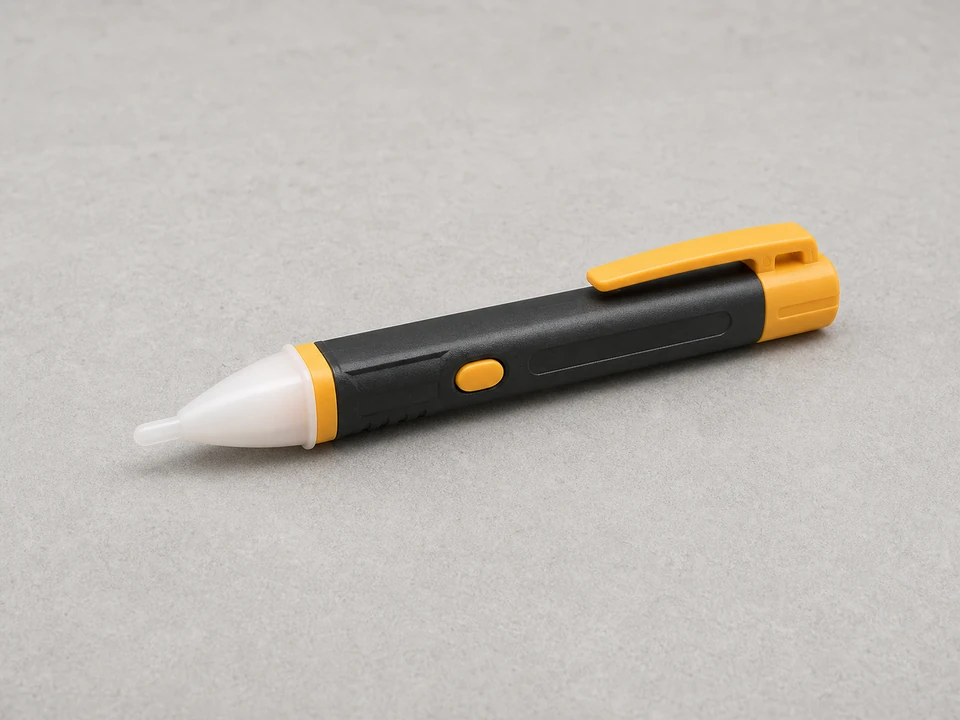
Non contact voltage tester
Use it for: To confirm the switch box is de-energized before you touch any wires.
Shop non-contact voltage testersTo replace a three way light switch, turn off the breaker, confirm the power is off, label the common and traveler wires before disconnecting anything, move each wire to the matching terminal on the new switch, then test the light from both switch locations.
A three way switch controls one light from two locations, so wire position matters more than on a standard switch. The job is usually straightforward if the old switch is actually the problem and you label the wires before removing them.
Before you start: Buy a three way switch, not a single pole switch. Match the amperage rating, grounding style, and terminal layout closely enough that you can move each wire to the same function on the new switch.
Use it for: To confirm the switch box is de-energized before you touch any wires.
Shop non-contact voltage testers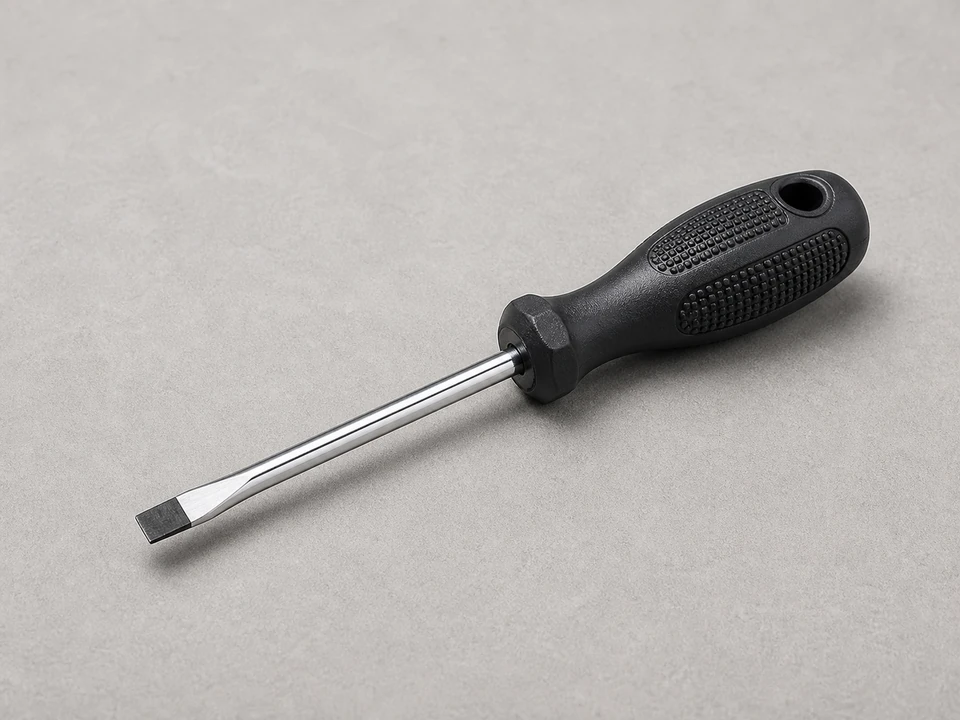
Use it for: To remove the wall plate and help release some wire terminals.
Shop flathead screwdrivers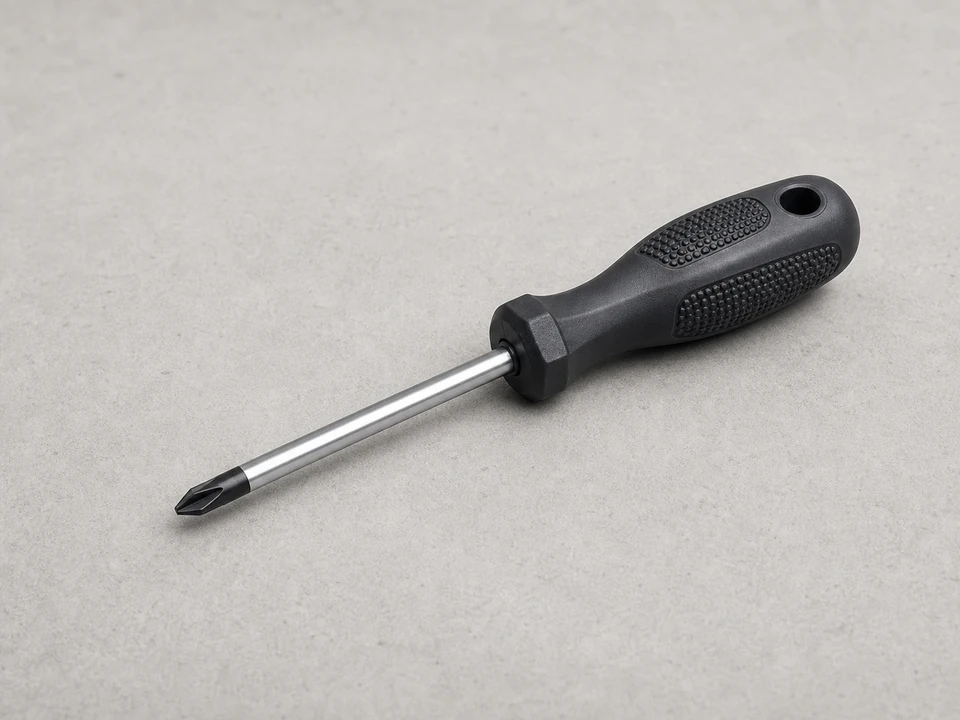
Use it for: To remove the switch mounting screws and install the new switch.
Shop Phillips screwdrivers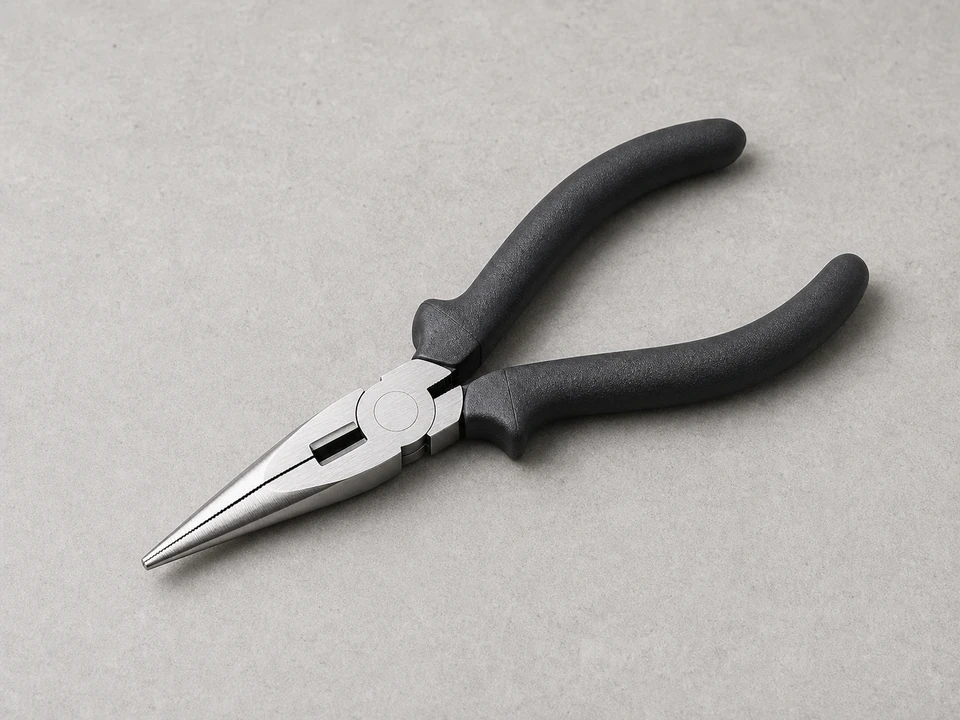
Use it for: To bend wire loops neatly onto screw terminals.
Shop needle-nose pliers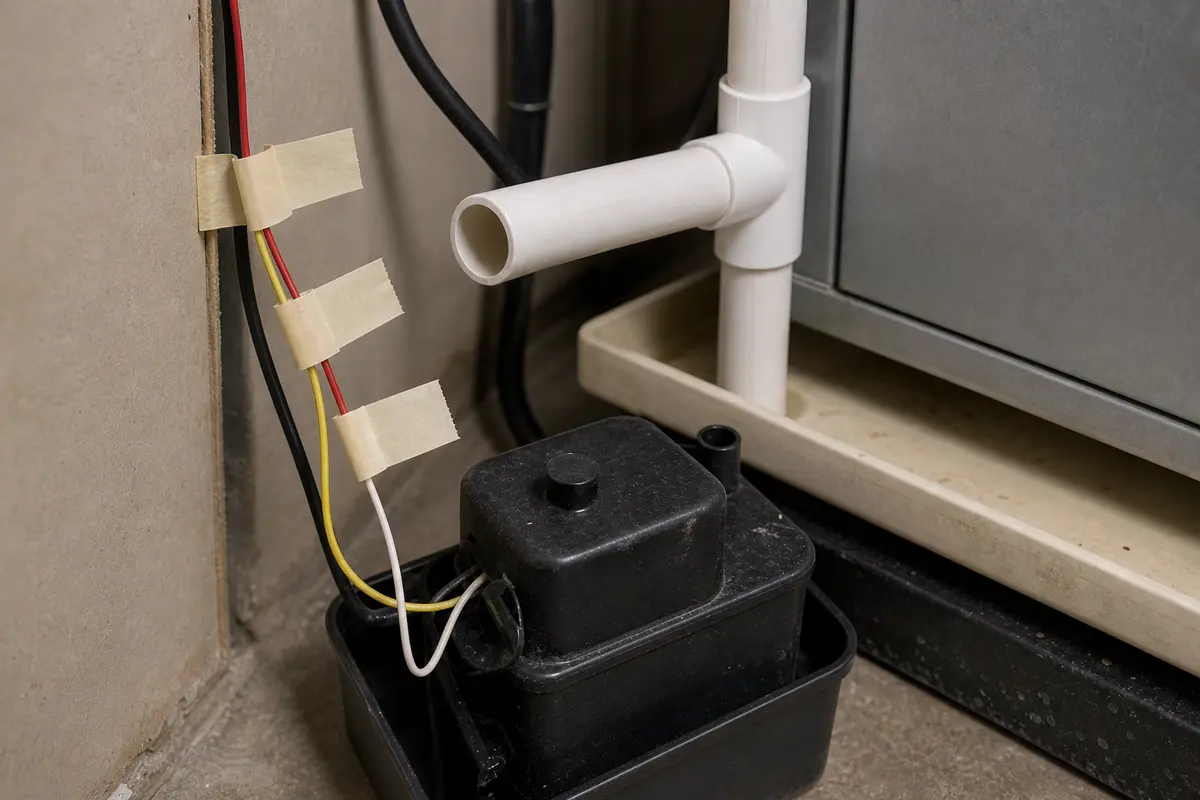
Use it for: To mark the common wire and keep the replacement from turning into guesswork.
Shop wire labeling tape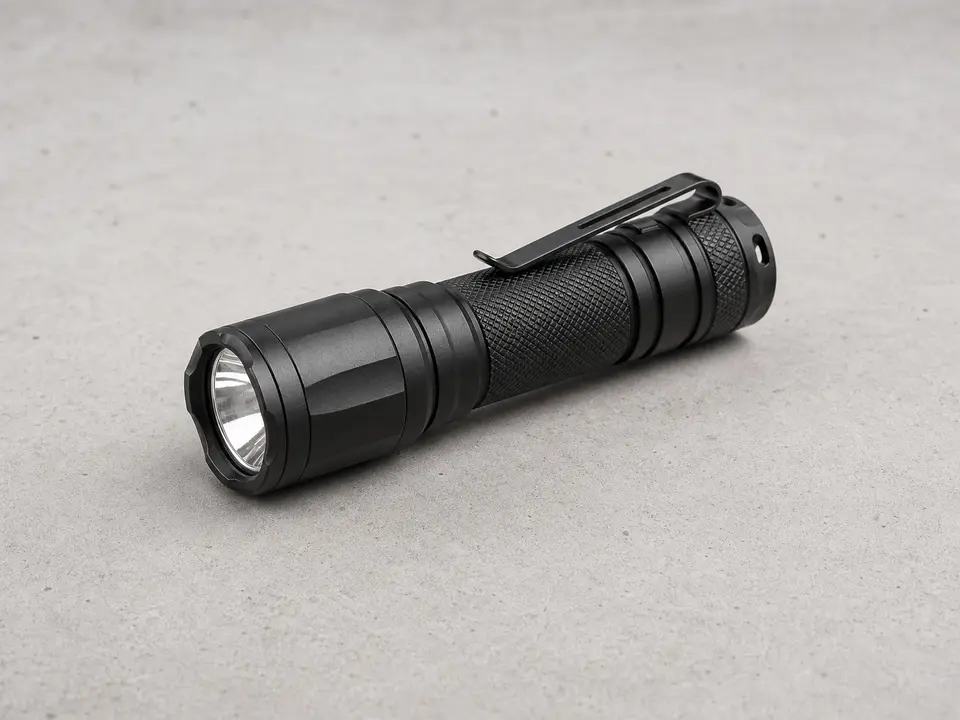
Use it for: To see inside the box after the breaker is off.
Shop flashlightsAs an Amazon Associate I earn from qualifying purchases. Repair Riot may earn a commission at no extra cost to you.
If it works: The problem points to one likely bad three way switch, and you know which switch box you are opening first.
If it doesn’t: If neither switch operates the light at all, or the problem affects several lights or outlets, the issue may be upstream and not just one switch.
If it works: The switch is pulled out far enough to inspect, and you have confirmed the wires in the work area are not energized.
If it doesn’t: If your tester still shows power, go back to the panel and identify the correct breaker before continuing.
If it works: You have a clear photo and the common wire is positively marked so it can go back onto the correct terminal of the new switch.
If it doesn’t: If you cannot tell which terminal is the common, compare screw colors carefully and inspect the switch body for terminal markings before disconnecting wires.
If it works: All wires are attached to the matching terminals on the new switch, with the common on the correct screw and the ground connected.
If it doesn’t: If the wires are too short, damaged, or will not hold securely, pause and correct the wire ends before trying to mount the switch.
If it works: The new switch is mounted cleanly, power is restored, and the switch handle moves normally.
If it doesn’t: If the breaker trips right away or the switch behaves oddly, turn the breaker back off and recheck the wire placement against your labels and photo.
If it works: The light works correctly from both switch locations in all handle positions, and the new switch stays cool and quiet during normal use.
If it doesn’t: If the light only works in some switch combinations, the common wire is likely on the wrong terminal or the wrong switch was replaced. Turn power off and compare the wiring again.
Buy a three way switch, not a single pole switch. Match the amperage rating, grounding style, and terminal layout closely enough that you can move each wire to the same function on the new switch.
As an Amazon Associate I earn from qualifying purchases. Repair Riot may earn a commission at no extra cost to you.
No. A three way circuit needs a three way switch so the light can be controlled from two locations. A single-pole switch will not wire or function the same way.
It is the wire connected to the odd-colored terminal, usually a darker screw than the two traveler terminals. Mark it before removing the old switch, because putting it on the wrong terminal is the most common replacement mistake.
Usually no. On a standard three way switch, the two traveler wires can normally go on either traveler terminal. The common wire is the one that must go to the correct common terminal.
That usually means the common wire was placed on a traveler terminal, or the wrong switch was diagnosed. Turn the breaker off and compare the new wiring to your labels and photo.
A normal residential light switch should not feel noticeably warm during ordinary use. If it gets warm, buzzes, or crackles, shut the breaker off and inspect the wiring or call an electrician.