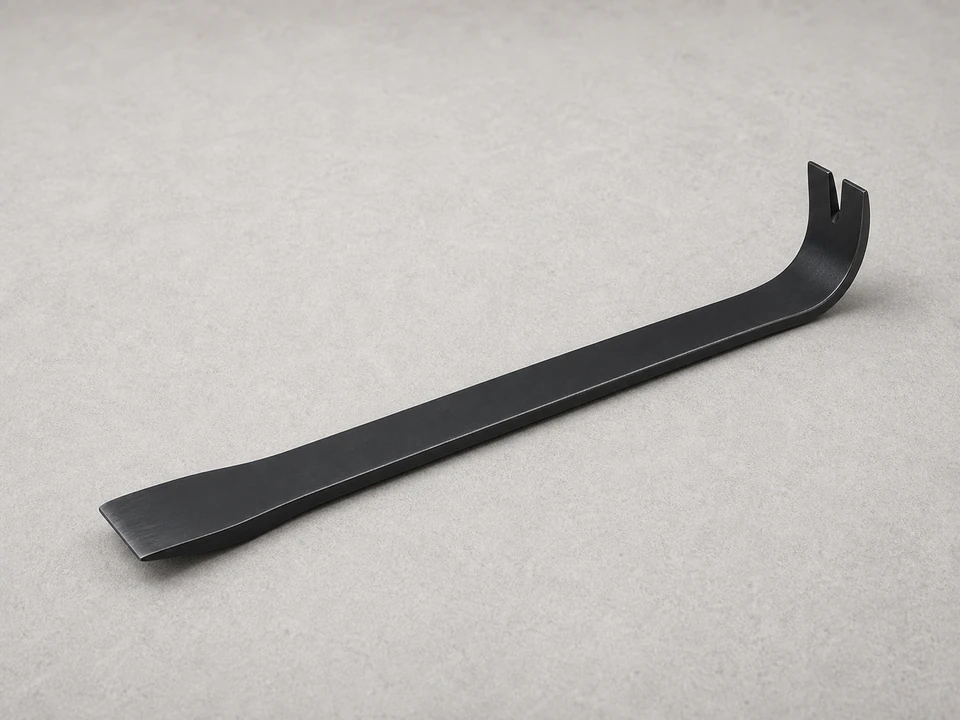
Flat pry bar
Use it for: To lift the damaged panel and pull nails without breaking nearby siding.
Shop flat pry barsTo replace a matching siding panel, first confirm the damage is limited to the panel itself, then remove the fasteners without damaging the surrounding courses, install a true matching panel, and make sure the overlap still sheds water properly.
This is a manageable repair when the wall underneath is still sound and you can get a panel that matches the existing siding. Work carefully so you do not crack nearby pieces or create a gap that lets water behind the siding.
Before you start: Match the panel profile, material, thickness, exposure, and overlap style before ordering.
Use it for: To lift the damaged panel and pull nails without breaking nearby siding.
Shop flat pry bars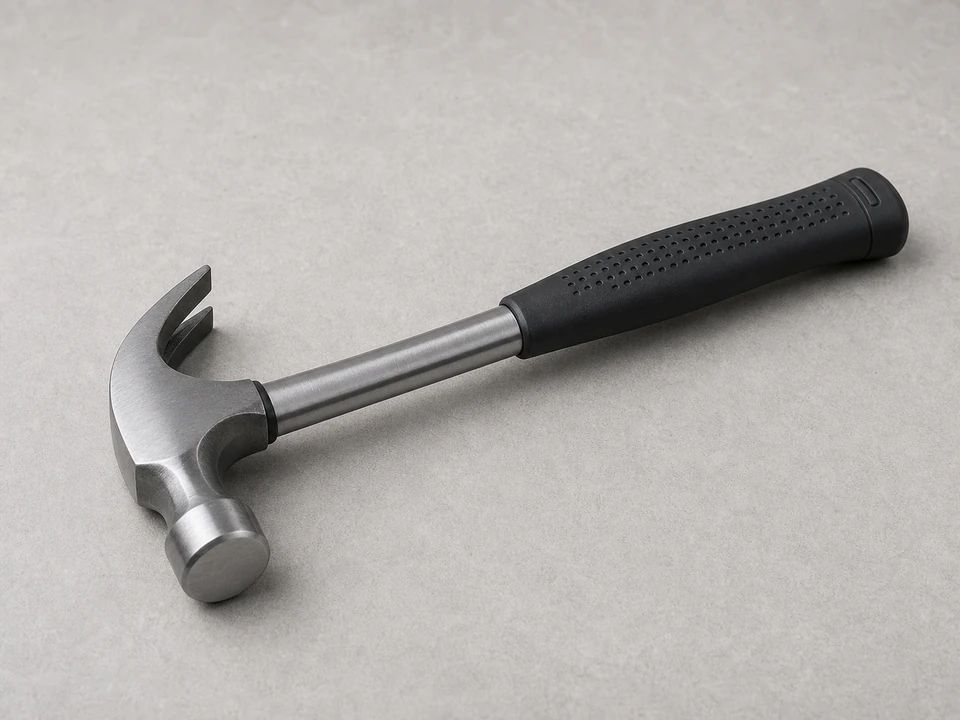
Use it for: To drive new fasteners and tap the replacement panel into place.
Shop hammers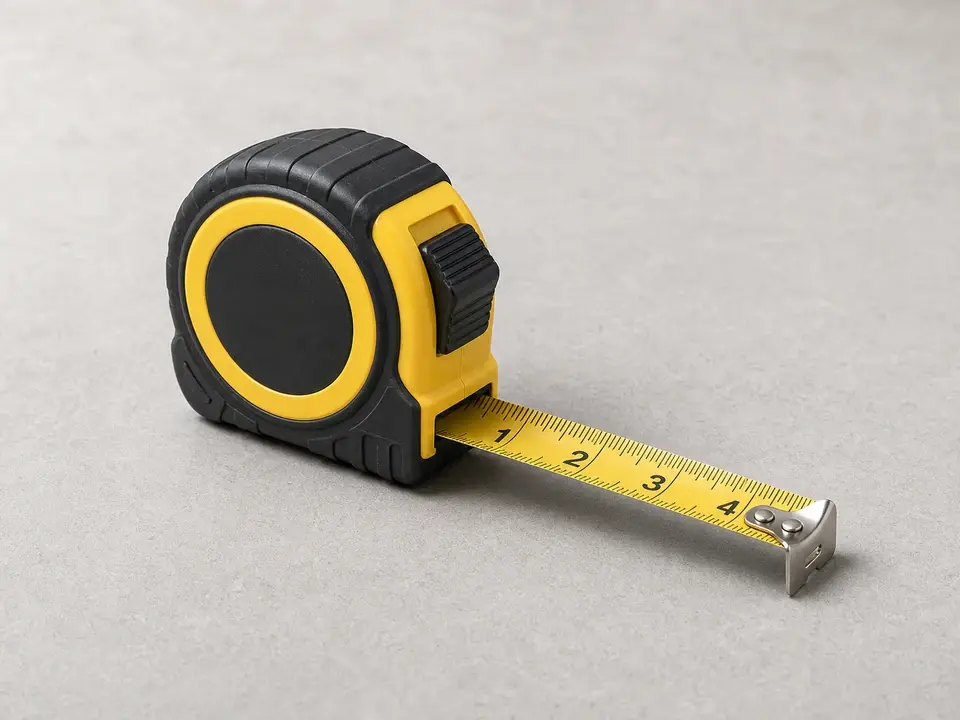
Use it for: To measure the exposed height, length, and overlap so the new panel matches.
Shop tape measures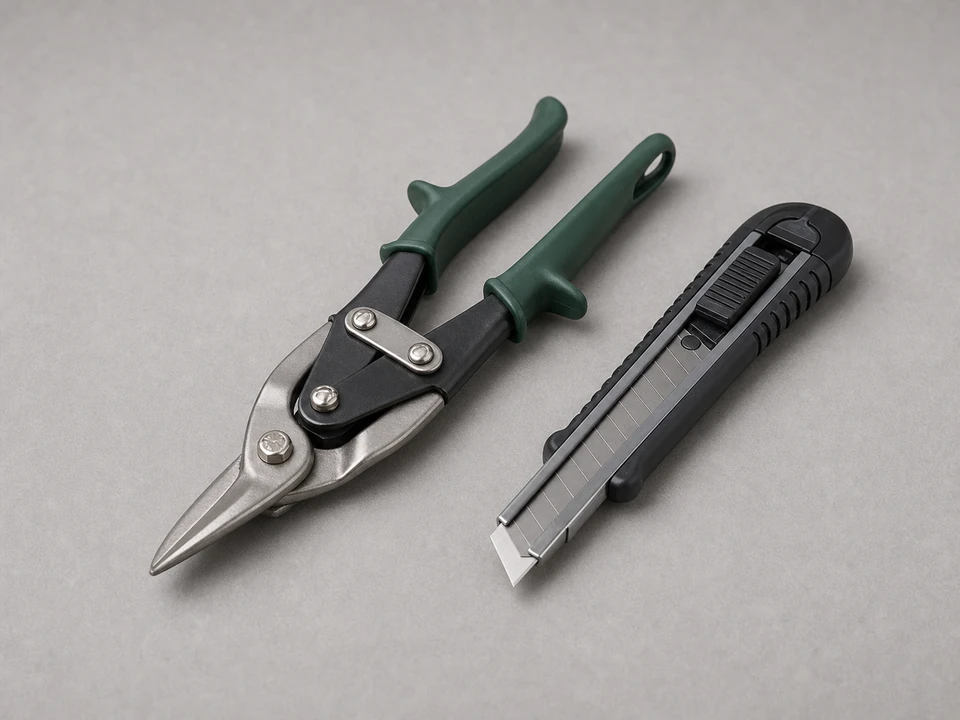
Use it for: To trim the replacement panel cleanly to length if needed.
Shop siding cutting tools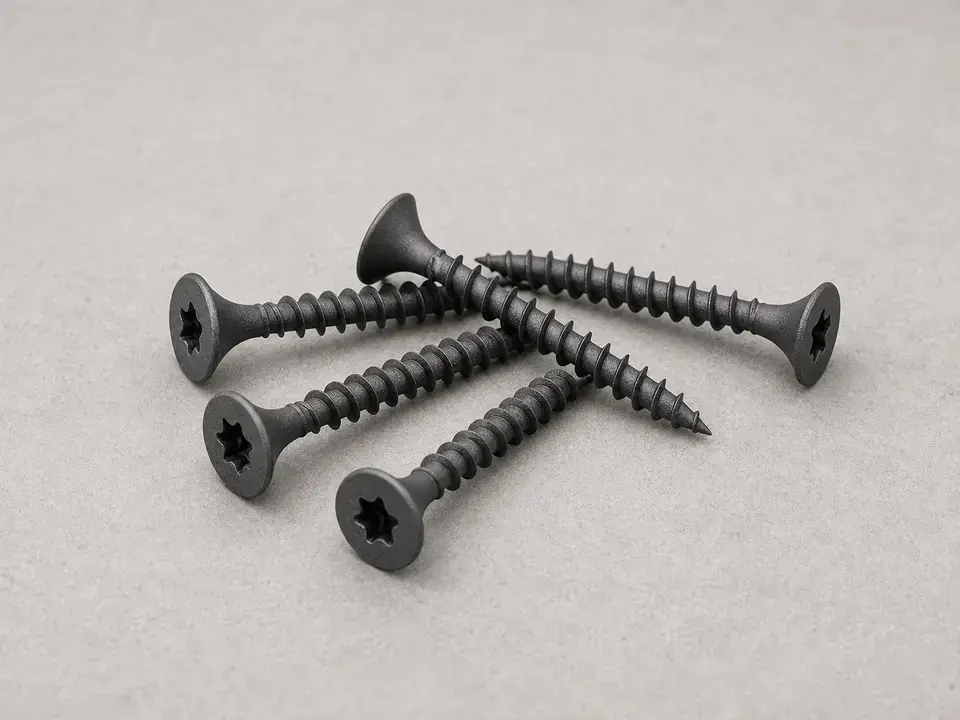
Use it for: To secure the new panel with corrosion-resistant nails or screws suited to the siding material.
Shop exterior siding fasteners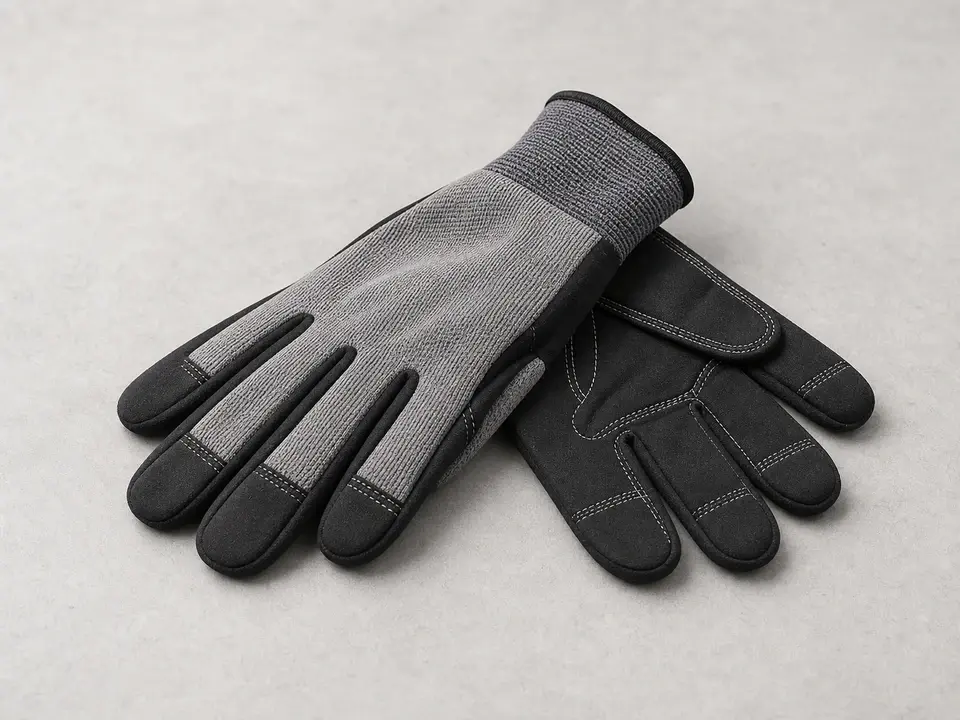
Use it for: To protect your hands from sharp edges and splinters while removing and cutting siding.
Shop work glovesAs an Amazon Associate I earn from qualifying purchases. Repair Riot may earn a commission at no extra cost to you.
If it works: You have confirmed the damage is limited enough for a panel replacement and you have a replacement panel that matches the existing siding layout.
If it doesn’t: If you cannot match the profile or the wall shows broader water damage, pause and plan for a larger siding repair instead of replacing one panel.
If it works: The damaged panel is loosened and its fasteners are accessible without breaking the adjacent courses.
If it doesn’t: If the panel will not loosen cleanly, work more slowly and lift in smaller sections so you do not damage the panel above.
If it works: The old panel is out and the wall behind it appears dry, solid, and ready for the new piece.
If it doesn’t: If the old panel breaks during removal, measure the opening carefully and transfer those measurements to the new panel before cutting.
If it works: The replacement panel fits the opening cleanly and lines up with the surrounding siding pattern.
If it doesn’t: If the fit is tight or uneven, trim a little at a time until the panel seats without stress.
If it works: The new panel is secured, aligned with the surrounding siding, and not visibly pinched or bowed.
If it doesn’t: If the panel looks wavy or pulled out of line, remove the fastener causing the distortion and reset the panel before continuing.
If it works: The panel stays in place, matches the wall well enough, and sheds water normally in real use.
If it doesn’t: If water gets behind the siding or the panel shifts after rain or wind, remove it and correct the overlap, fit, or hidden wall issue before calling the repair done.
Match the panel profile, material, thickness, exposure, and overlap style before ordering.
As an Amazon Associate I earn from qualifying purchases. Repair Riot may earn a commission at no extra cost to you.
If the damage is limited to one panel and the wall behind it is dry and solid, a panel replacement is usually enough. If you find soft sheathing, repeated leaks, damaged flashing, or multiple loose panels, the repair is bigger than one panel.
It should match the profile, material, thickness, exposure, and overlap style. A close visual color match helps, but the physical fit matters most because a wrong profile can leave gaps or trap water.
Sometimes, but only if the wall behind them is still solid and the new panel lines up properly. If the old holes are loose or torn out, use sound fastening points that keep the panel aligned and secure.
Focus first on getting the correct panel shape and fit. If the color is off, many homeowners replace the most visible section together or plan for a broader siding refresh later.
Usually you do not want to rely on caulk to make a siding panel work. The panel should shed water by its overlap and fit. Caulk is not a substitute for the correct profile, proper fastening, or sound flashing details.