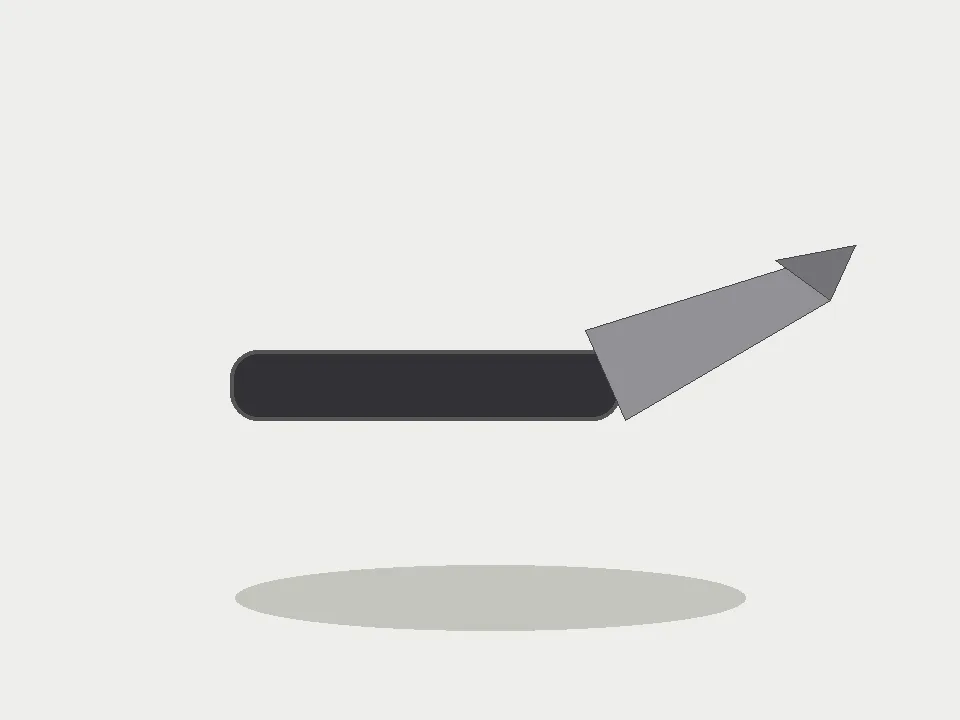
Zip tool or siding removal tool
Use it for: To unlock the siding seam above the damaged panel without bending it.
Shop siding removal toolsTo replace a siding panel and keep the wall looking right, first make sure the new panel matches the existing profile and size, then unlock and remove the damaged piece without tearing the surrounding siding, and fasten the replacement so it can still move slightly with weather changes.
This repair is usually manageable for a careful homeowner if the damage is limited to one panel and the wall underneath is still sound. The key is matching the existing siding closely and avoiding damage to the panels above and beside it.
Before you start: Match the panel profile, material, thickness, exposure, and overlap style before ordering.
Use it for: To unlock the siding seam above the damaged panel without bending it.
Shop siding removal tools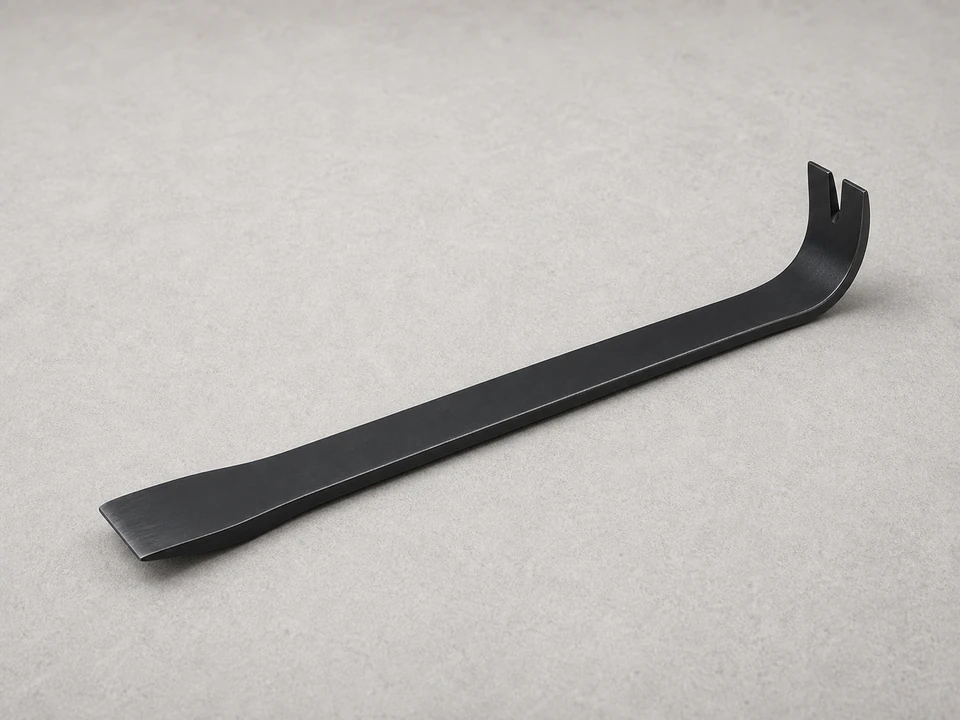
Use it for: To lift nails and loosen the damaged panel carefully.
Shop flat pry bars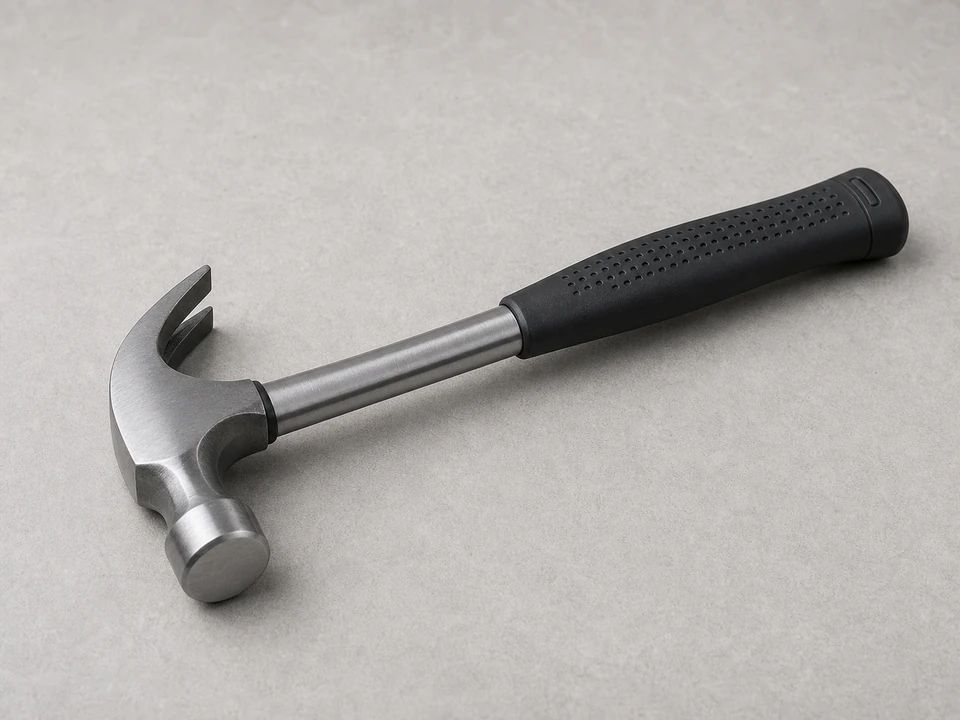
Use it for: To drive replacement fasteners if the siding uses nails.
Shop hammers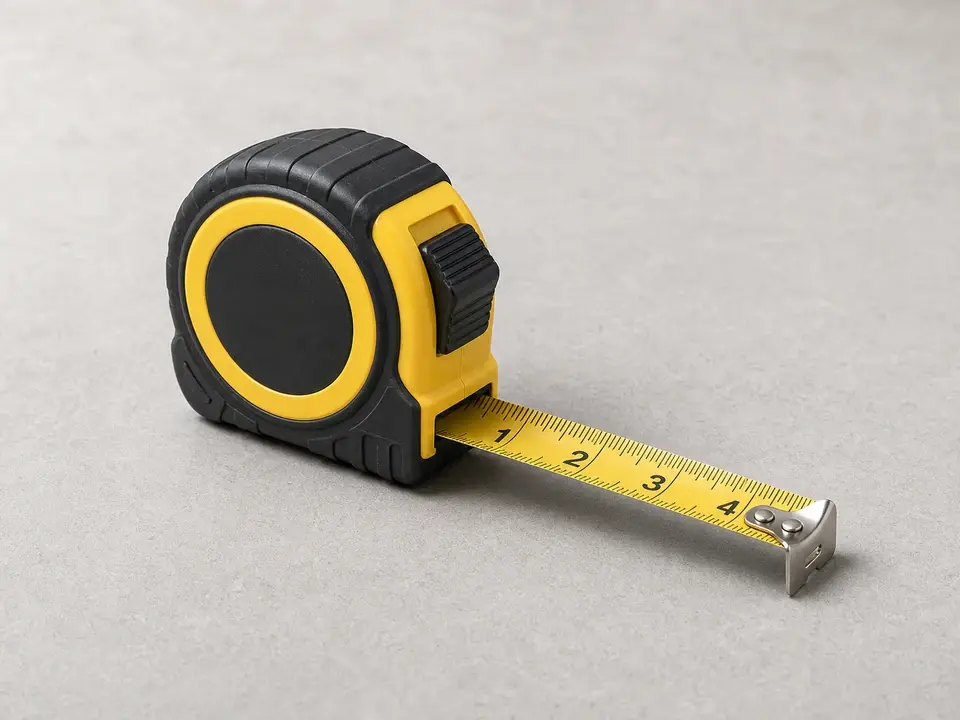
Use it for: To confirm the replacement panel matches the exposed height and cut length.
Shop tape measures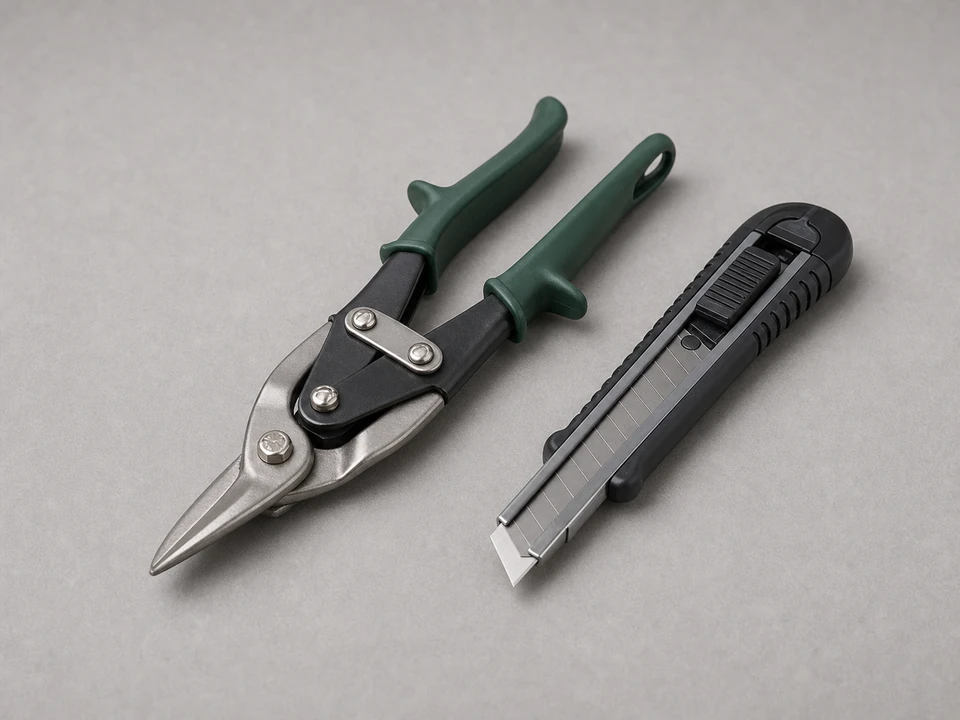
Use it for: To trim the replacement panel cleanly to length.
Shop siding cutting tools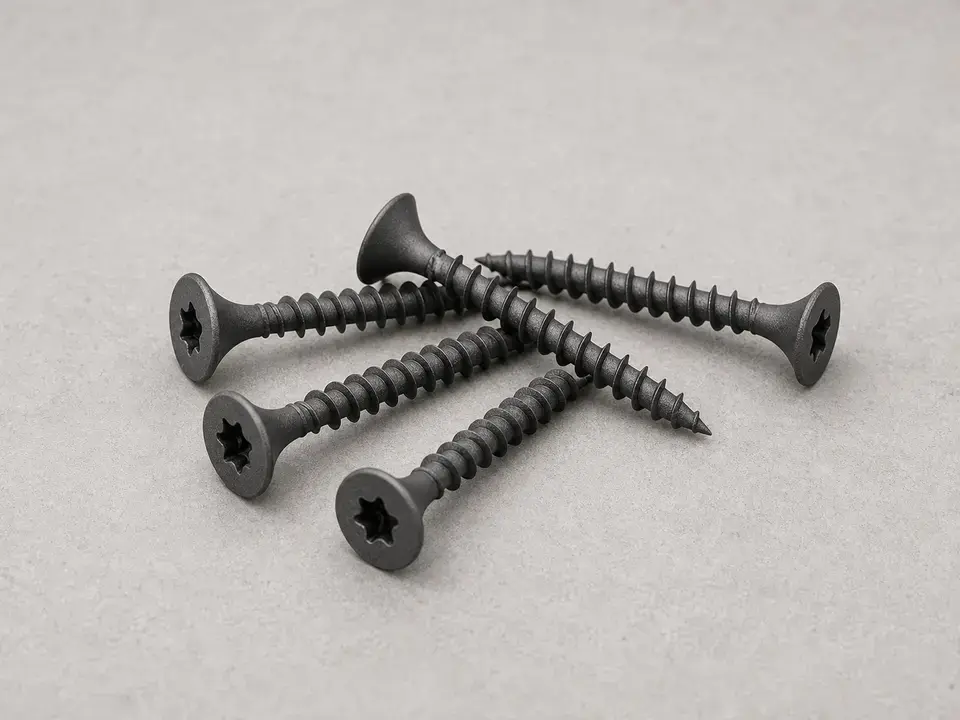
Use it for: To secure the new panel with corrosion-resistant nails or screws that fit the siding type.
Shop exterior siding fastenersAs an Amazon Associate I earn from qualifying purchases. Repair Riot may earn a commission at no extra cost to you.
If it works: You have a replacement panel that matches the wall closely, and the surrounding siding and wall sheathing appear solid.
If it doesn’t: If you cannot match the profile or exposure, take a small offcut or clear photo with measurements to a siding supplier before removing anything.
If it works: The seam above the damaged panel is unlocked, and you can see the fasteners without cracking nearby siding.
If it doesn’t: If the seam will not release, work from one end and try shorter passes with the zip tool instead of forcing the panel.
If it works: The damaged panel is out, and the area behind it is clean enough for the new panel to sit flat.
If it doesn’t: If a fastener will not come out cleanly, cut or back it out carefully so the replacement panel is not forced over a raised head.
If it works: The replacement panel fits the opening, lines up with the surrounding courses, and is not forced tight at the ends.
If it doesn’t: If the panel looks short, tall, or misaligned, stop and recheck the profile and exposed height before fastening it.
If it works: The new panel is secure, the seam above is locked again, and the panel can still move slightly instead of being clamped rigidly.
If it doesn’t: If the panel buckles or bows after fastening, back off the tight fasteners and reset it before closing up.
If it works: The replacement panel stays locked in place, looks aligned with the wall, and sheds water like the surrounding siding.
If it doesn’t: If the seam opens back up or the panel shifts, reopen the area and correct the fit or fastening before water gets behind it.
Match the panel profile, material, thickness, exposure, and overlap style before ordering.
As an Amazon Associate I earn from qualifying purchases. Repair Riot may earn a commission at no extra cost to you.
Match more than color. The profile shape, exposed height, thickness, texture, and overlap style all need to line up. If one of those is off, the repair will usually stand out or fail to lock together properly.
Yes, if the damage is isolated and the surrounding siding and wall behind it are still sound. If several panels are loose, warped, or water-damaged, the problem is usually bigger than one panel.
Many siding panels need a little room to expand and contract with temperature changes. If you clamp the panel hard to the wall, it can buckle, ripple, or pop loose later.
That is common. A close profile match matters most for fit and water shedding. If appearance matters, compare panels in daylight before buying and consider replacing a less visible section first if you need a better visual blend.
Not usually for a simple panel swap. But if you uncover torn weather barrier, missing flashing, or signs of water getting behind the siding, fix that hidden problem before closing the wall back up.