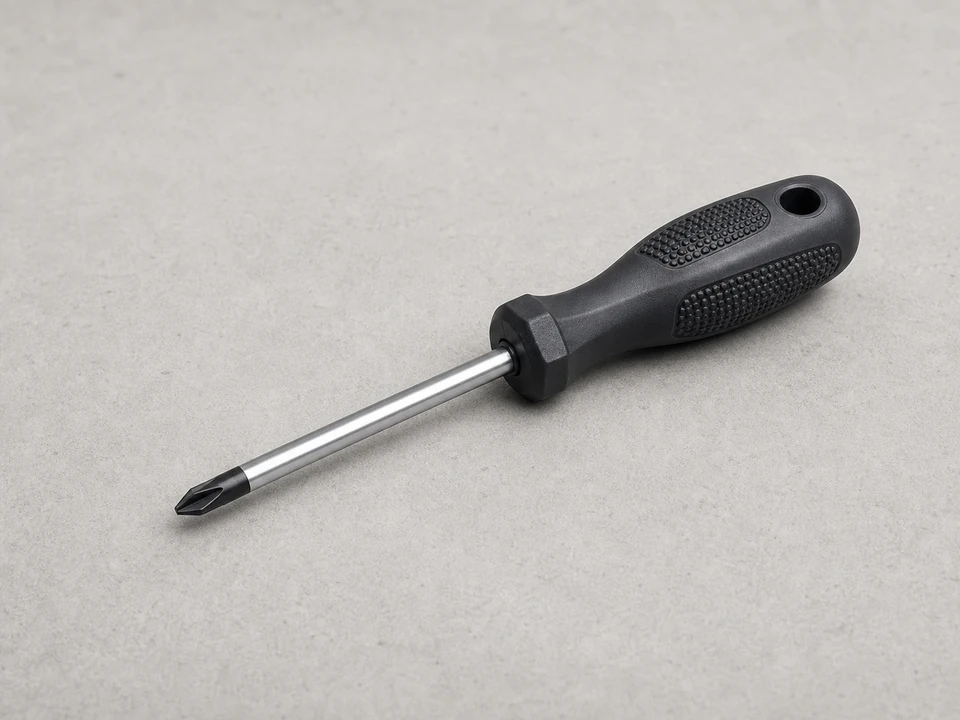
Phillips screwdriver
Use it for: Removes door screws or trim fasteners if your model uses them.
Shop Phillips screwdriversTo replace a microwave door catch, unplug the microwave, confirm the catch is cracked, loose, or not holding the door shut, remove the inner door trim or access cover as needed, swap in the matching new catch, and test that the door closes and stays latched normally.
A worn door catch can keep the microwave from latching properly or let the door pop open during use. This repair is usually straightforward, but work carefully around the door parts and stop if the door itself is damaged or the repair requires opening the microwave cabinet.
Before you start: Match the replacement part to your exact microwave before ordering.
Use it for: Removes door screws or trim fasteners if your model uses them.
Shop Phillips screwdrivers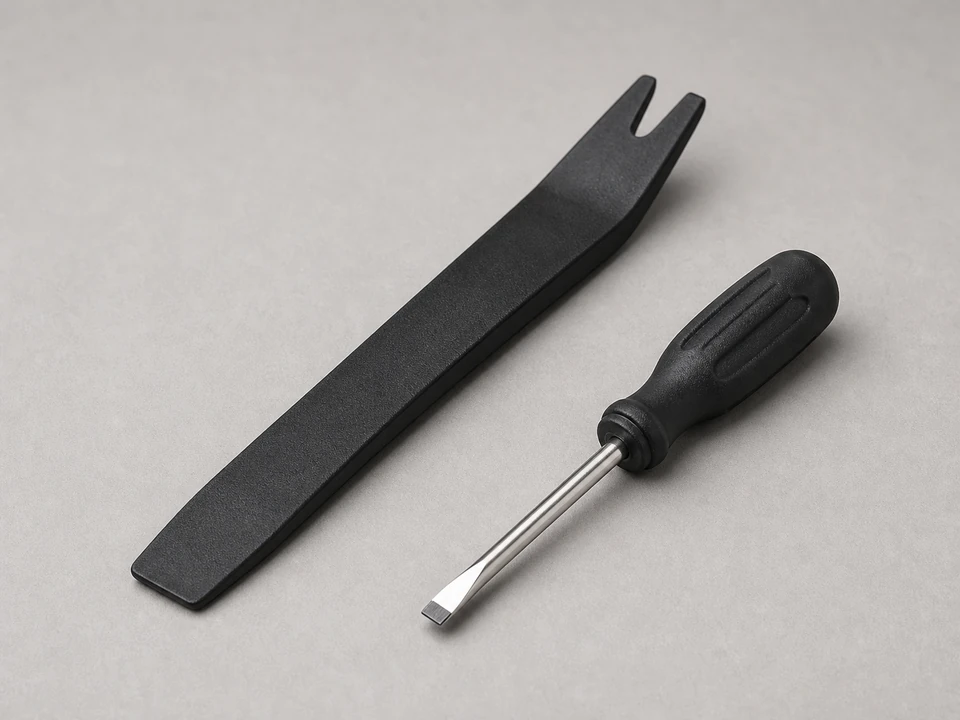
Use it for: Helps release inner door trim clips without cracking the plastic.
Shop trim pry tools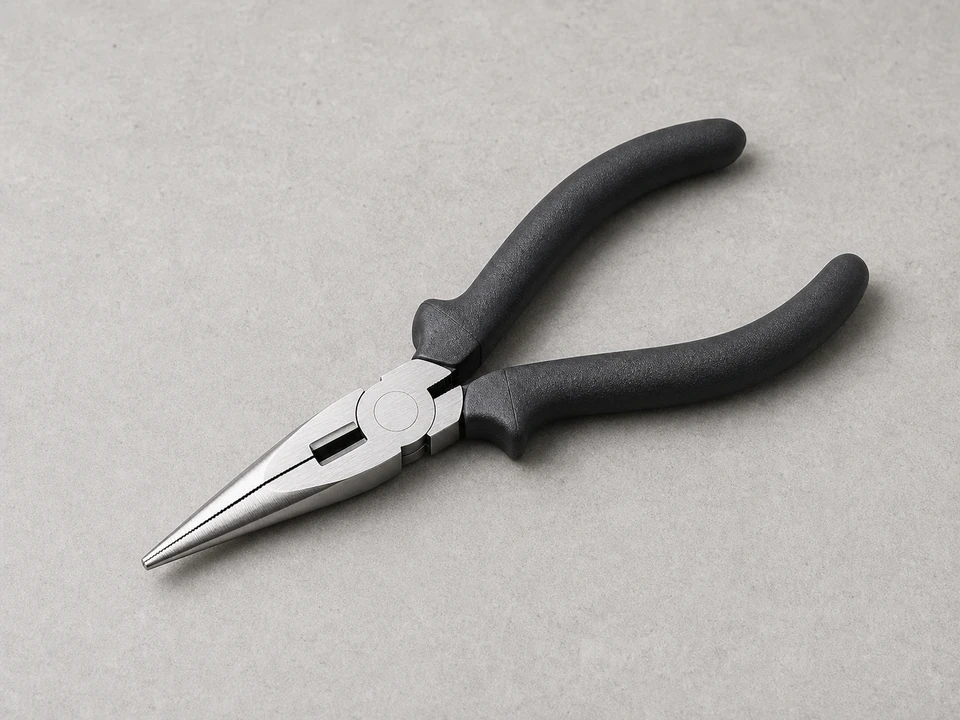
Use it for: Useful for lifting out the old catch or guiding a spring into place.
Shop needle-nose pliers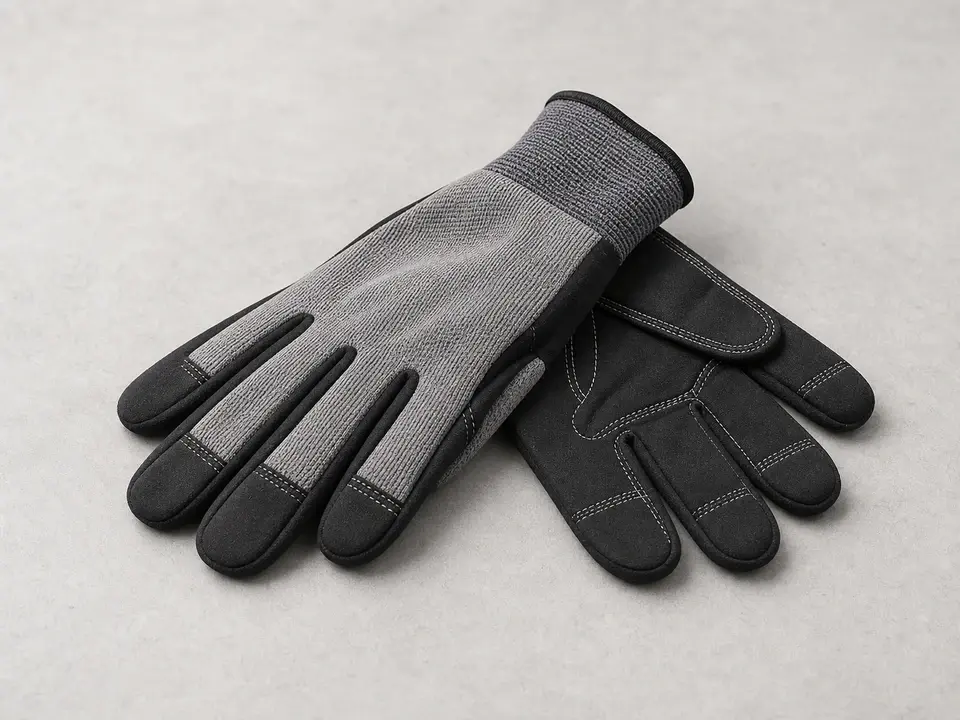
Use it for: Protects your hands from sharp plastic edges or metal brackets.
Shop work glovesAs an Amazon Associate I earn from qualifying purchases. Repair Riot may earn a commission at no extra cost to you.
If it works: You found visible wear or damage at the microwave door catch, or the catch no longer holds the door closed normally.
If it doesn’t: If the catch looks intact, check the door hooks, hinges, and alignment before ordering parts.
If it works: You can reach the microwave door catch without forcing or cracking the door trim.
If it doesn’t: If the trim will not release with light pressure, look again for hidden screws or tabs instead of prying harder.
If it works: The old catch is out and the mounting area is clean and ready for the new part.
If it doesn’t: If the catch seems stuck, check for a hidden retaining tab or screw before pulling harder.
If it works: The new catch fits securely and the door latches with a normal, firm click.
If it doesn’t: If the catch does not line up or the door will not close gently, remove it and confirm you have the correct replacement.
If it works: The door is fully reassembled and closes smoothly without loose trim or rattling parts.
If it doesn’t: If the trim will not sit flat, remove it and check whether the catch or spring is sitting out of position.
If it works: The door stays closed, latches normally, and the microwave completes a short cycle without the door popping open.
If it doesn’t: If the door still will not latch or opens during use, inspect the door hooks, hinges, and switch alignment because the catch may not be the only failed part.
Match the replacement part to your exact microwave before ordering.
As an Amazon Associate I earn from qualifying purchases. Repair Riot may earn a commission at no extra cost to you.
The door catch helps the door latch into place so the door stays shut and the microwave can operate normally.
Common signs are a door that will not stay shut, needs to be slammed, feels loose at the latch, or pops open during use. Visible cracks or broken tabs are also strong clues.
No. If the door does not latch securely, stop using the microwave until the problem is fixed.
Usually no for a countertop model. Many door catch repairs are done from the door itself. If access requires opening the cabinet or removing a heavy over-the-range unit, it may be better to call for service.
The problem may also involve worn door hooks, a sagging hinge, a damaged door frame, or latch switch alignment issues.