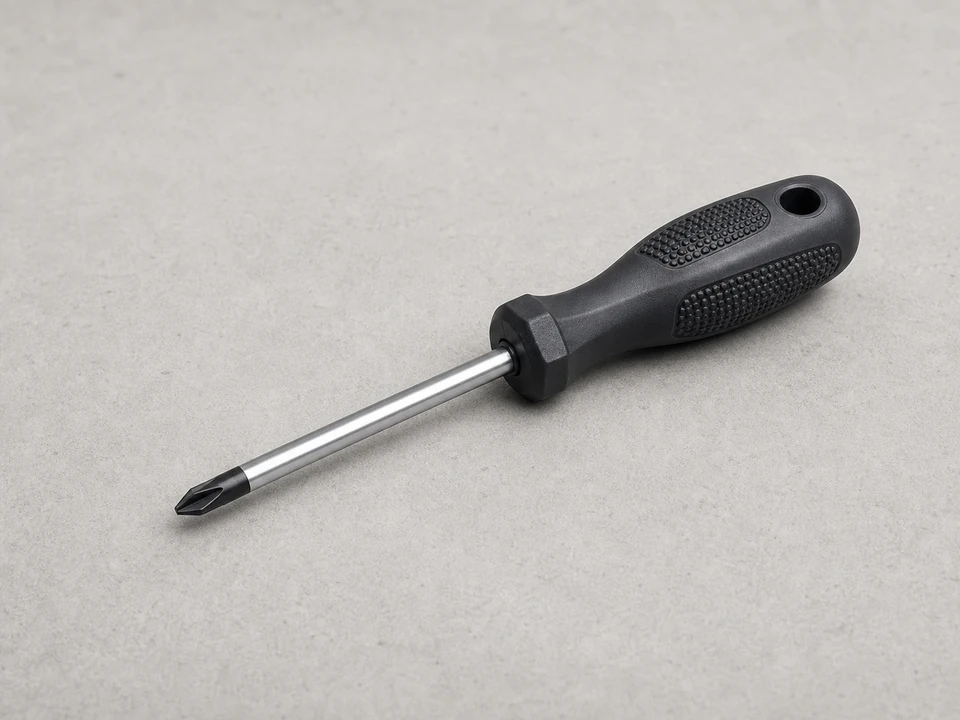
Phillips screwdriver
Use it for: Removes the outer screws or control-panel screws that block access to the button assembly.
Shop Phillips screwdriversReplace a microwave door release button assembly when the button is cracked, loose, stuck, or no longer pushes the latch lever far enough to open the door. Unplug the microwave, open only the front access needed, match the button assembly exactly, install it square, and test that the door opens and latches normally.
Keep this repair narrow. You are working near the front button and latch area, not inside the high-voltage section of the microwave. If access requires removing deep internal parts or touching wiring you do not understand, stop and hand it off.
Before you start: Unplug the microwave and stay in the button/latch area only. Do not touch the capacitor, transformer, magnetron, or high voltage wiring. Match the exact model before ordering the button assembly.
Microwave door-release parts are small and model-specific, so the button and latch path need to be identified before parts are ordered.
Use it for: Removes the outer screws or control-panel screws that block access to the button assembly.
Shop Phillips screwdrivers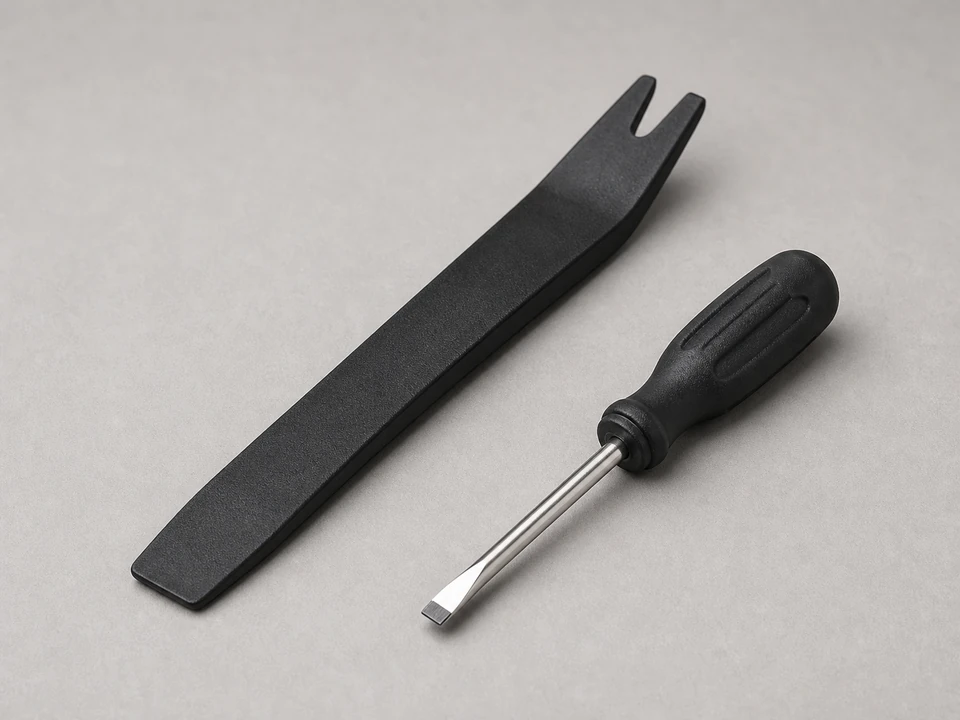
Use it for: Helps release trim tabs or guide the old button assembly out without cracking plastic.
Shop pry tools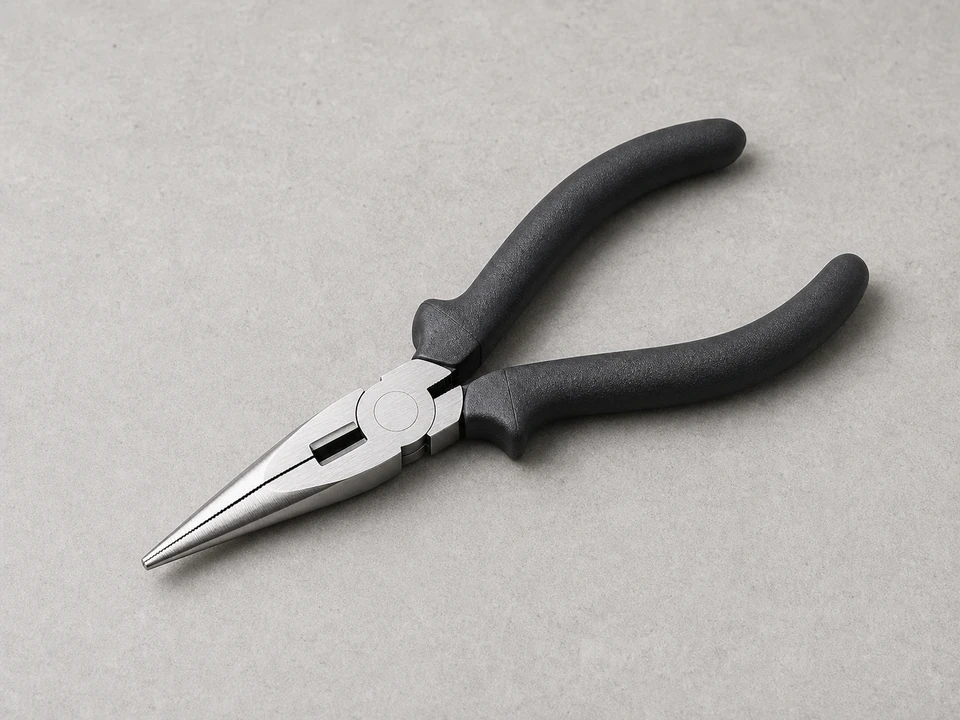
Use it for: Useful for handling small clips, springs, or tight connectors near the button area.
Shop needle-nose pliers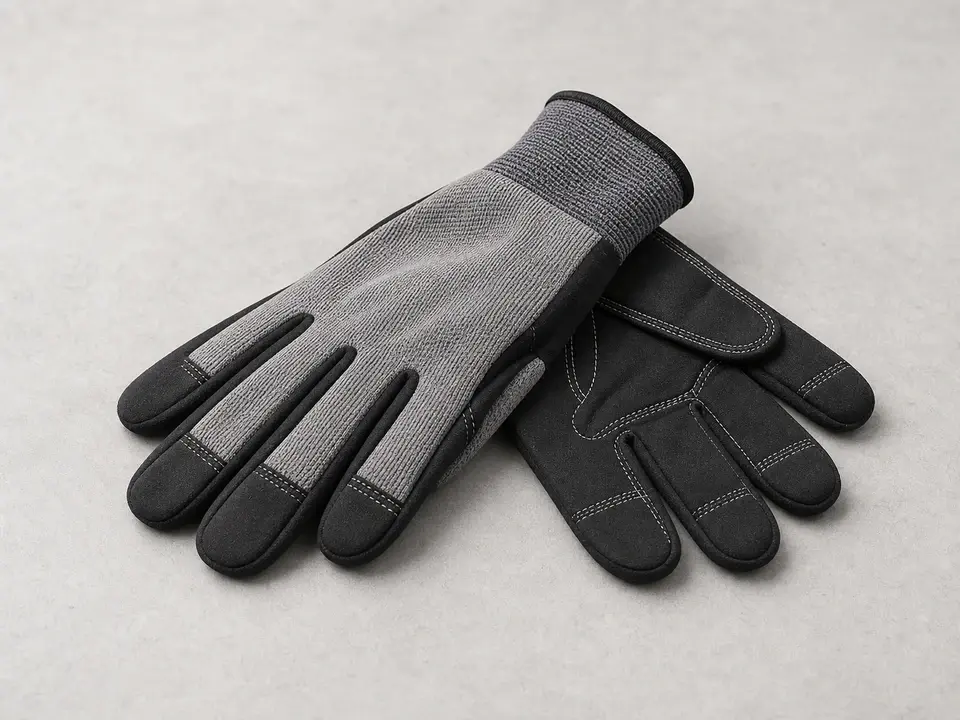
Use it for: Protects your hands from sharp sheet-metal edges inside the cabinet.
Shop work gloves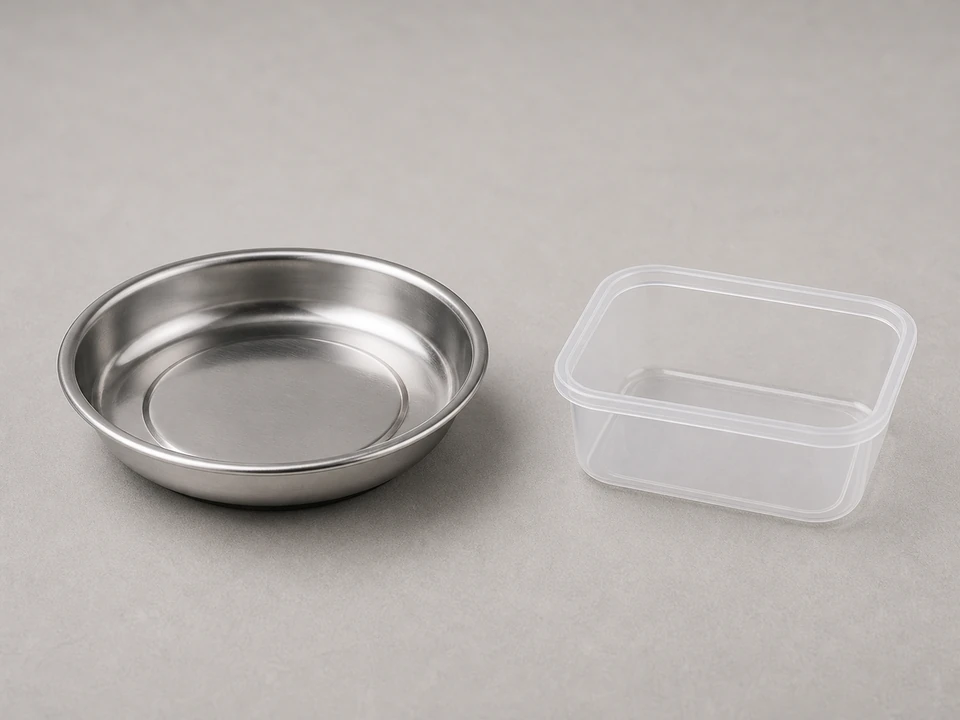
Use it for: Keeps screws and clips from getting lost during reassembly.
Shop magnetic parts trayAs an Amazon Associate I earn from qualifying purchases. Repair Riot may earn a commission at no extra cost to you.
If it works: The button action points to the release assembly, not just a sticky door.
If it doesn’t: If the button feels normal but the door still will not open, the problem may be in the door hooks or latch mechanism rather than the button assembly.
If it works: You can reach the back of the button without digging into the high-voltage area.
If it doesn’t: If you still cannot reach the button assembly, look for one more retaining screw or trim piece near the control panel or front frame.
If it works: The old microwave door release button assembly is out, and the new part matches it closely enough to install.
If it doesn’t: If the replacement does not match the old part, pause and verify the microwave model before forcing anything into place.
If it works: The new button moves smoothly, returns on its own, and pushes the latch lever cleanly.
If it doesn’t: If the button binds or sits crooked, remove it and reseat it before reassembling the microwave.
If it works: The microwave is fully reassembled, and the button and door move freely with the cabinet back in place.
If it doesn’t: If the button worked before reassembly but binds now, loosen the nearby screws slightly and realign the cover or trim.
If it works: The door opens reliably with the button, closes securely, and keeps working after a short heating cycle.
If it doesn’t: If the button still does not release the door consistently, inspect the door hooks and latch mechanism because the original problem may not have been the button assembly alone.
Match the exact microwave model, button shape, mounting tabs, spring or lever layout, and control panel style before ordering.
As an Amazon Associate I earn from qualifying purchases. Repair Riot may earn a commission at no extra cost to you.
The button may feel loose, cracked, stuck, or soft with little resistance. In many cases, it no longer pushes the latch far enough to pop the door open.
It is better to repair it soon. A failing button can get worse, and forcing the door open can damage the latch or door hooks.
For a simple front button replacement, the safest approach is to unplug the microwave and avoid deeper internal components entirely. If the repair would require reaching farther inside near high-voltage parts, stop and hand it off to a professional.
The door hooks, latch mechanism, or surrounding plastic mounts may be worn or broken. Recheck how the button contacts the latch before replacing more parts.
Glue is usually a short-term fix at best. The button takes repeated force, and a proper replacement is more reliable.
The button may not be seated squarely, the latch lever may be broken, or the door hooks may be worn. Recheck the button alignment first, then inspect the latch parts before forcing the door.