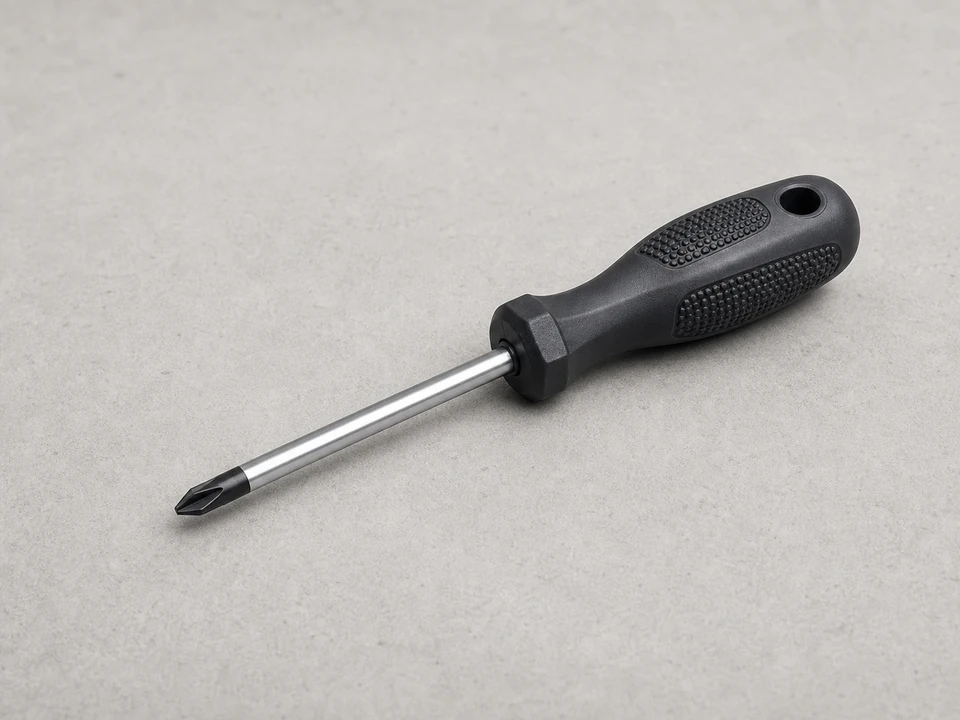
Phillips screwdriver
Use it for: Removes the screws that hold the door panel or hinge hardware in place.
Shop Phillips screwdriversIf the microwave door sags, binds, will not line up with the latch, or springs oddly when opened, a worn or bent microwave door hinge may be the cause. Replacing the hinge usually means removing the door, swapping the damaged hinge, and reinstalling the door so it closes evenly.
Start by making sure the hinge is actually the problem. A cracked door frame, broken latch parts, or damage around the hinge mounting area can cause the same symptoms and may change the repair.
Before you start: Match the hinge size, shape, handedness, and mounting pattern before ordering.
Use it for: Removes the screws that hold the door panel or hinge hardware in place.
Shop Phillips screwdrivers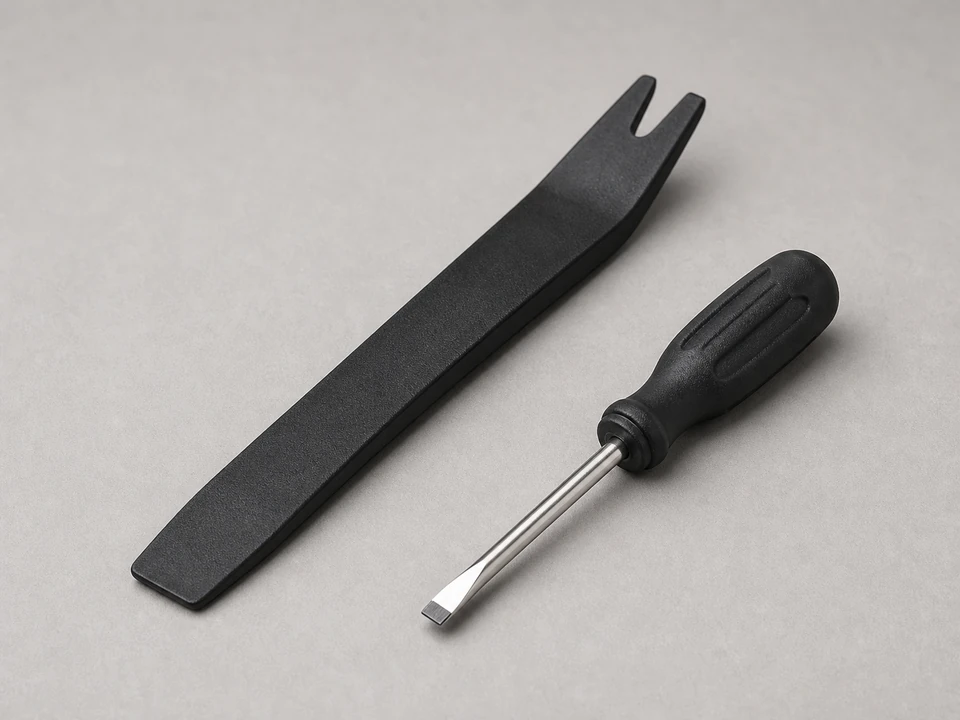
Use it for: Helps lift trim pieces or release door panel clips without forcing them.
Shop pry tools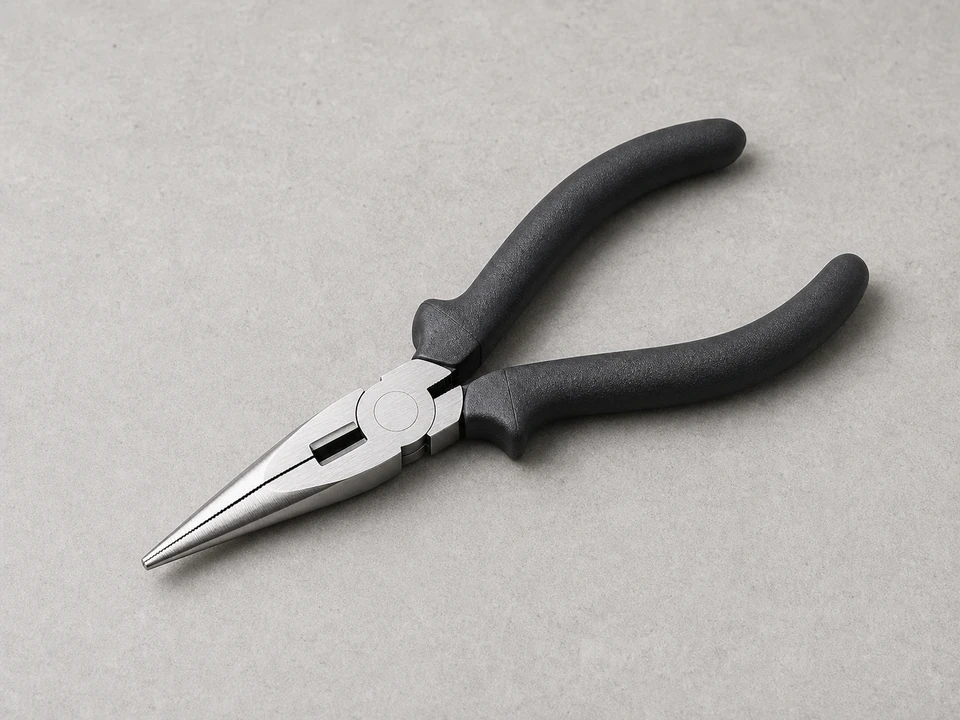
Use it for: Useful for handling small hinge pieces, springs, or clips if the door design is tight.
Shop needle-nose pliers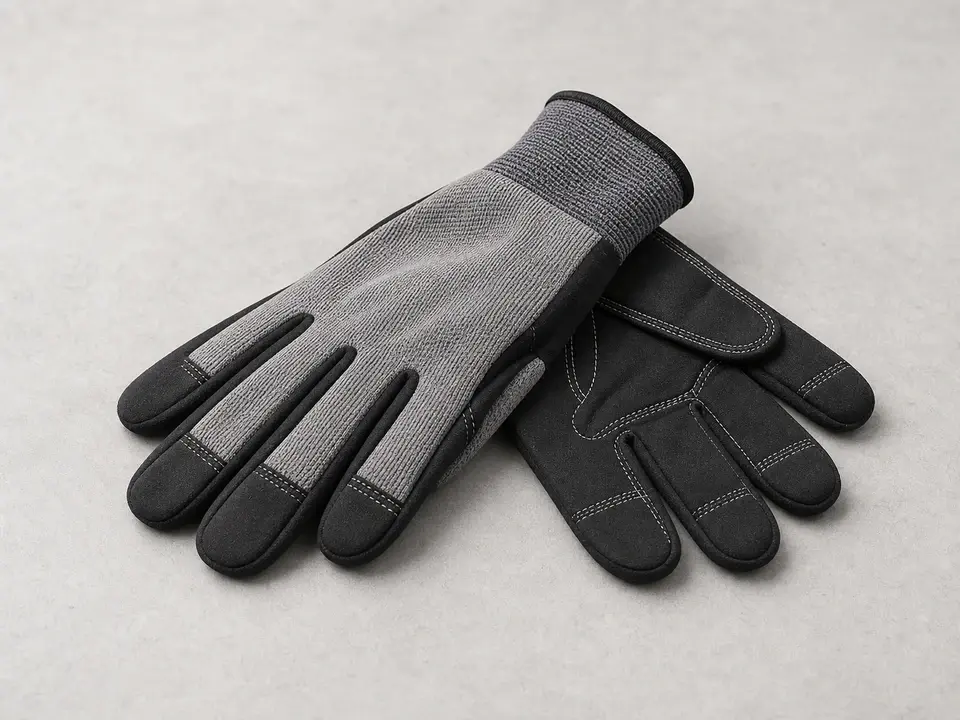
Use it for: Protects your hands from sharp metal edges around the door and hinge area.
Shop work gloves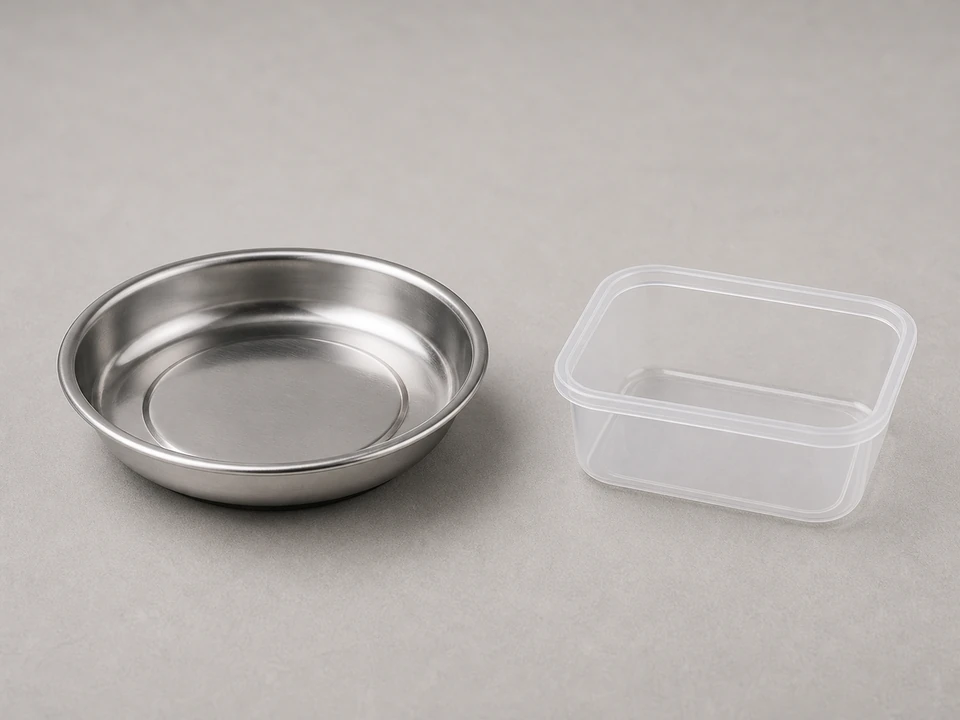
Use it for: Keeps small fasteners from getting lost during the repair.
Shop magnetic parts trayAs an Amazon Associate I earn from qualifying purchases. Repair Riot may earn a commission at no extra cost to you.
If it works: You have clear signs that the hinge is bent, worn, loose, or no longer holding the door in alignment.
If it doesn’t: If the door looks square but will not stay shut, inspect the latch hooks and door switch area instead.
If it works: The door is off the microwave and supported on a protected surface.
If it doesn’t: If the door will not come free, look again for a hidden trim piece or remaining screw before applying more force.
If it works: The hinge is exposed and you can clearly see how it mounts to the door.
If it doesn’t: If the panel does not separate cleanly, recheck for missed screws or clips around the perimeter.
If it works: The new hinge is mounted securely and moves normally without wobble.
If it doesn’t: If the new hinge does not match the old one closely, stop and verify the replacement before reassembling the door.
If it works: The door is back on the microwave and appears level with even gaps around the opening.
If it doesn’t: If the door still sits crooked, loosen the mounting slightly, realign it, and retighten while holding the door square.
If it works: The door opens smoothly, closes evenly, latches properly, and stays aligned during real use.
If it doesn’t: If the door still will not latch or the alignment changes again, inspect the latch assembly, switch area, and door frame for additional damage.
Match the hinge size, shape, handedness, and mounting pattern before ordering.
As an Amazon Associate I earn from qualifying purchases. Repair Riot may earn a commission at no extra cost to you.
Common signs are a sagging door, uneven gaps, rubbing when the door moves, or a latch side that no longer lines up. If the hinge looks bent or loose, that is a strong clue.
It is better not to. A bent or loose hinge can keep the door from closing and latching correctly, and that can lead to bigger door or latch damage.
Usually no. On many units, the repair is done from the front by removing the door and opening the door panel enough to reach the hinge.
The next likely causes are broken latch hooks, a damaged switch area, or a cracked door frame where the hinge mounts. Recheck alignment and inspect those parts closely.
Glue is usually not a lasting fix for a stressed hinge mount. If the plastic or frame around the hinge is cracked, the door may need additional parts or a full door assembly repair.