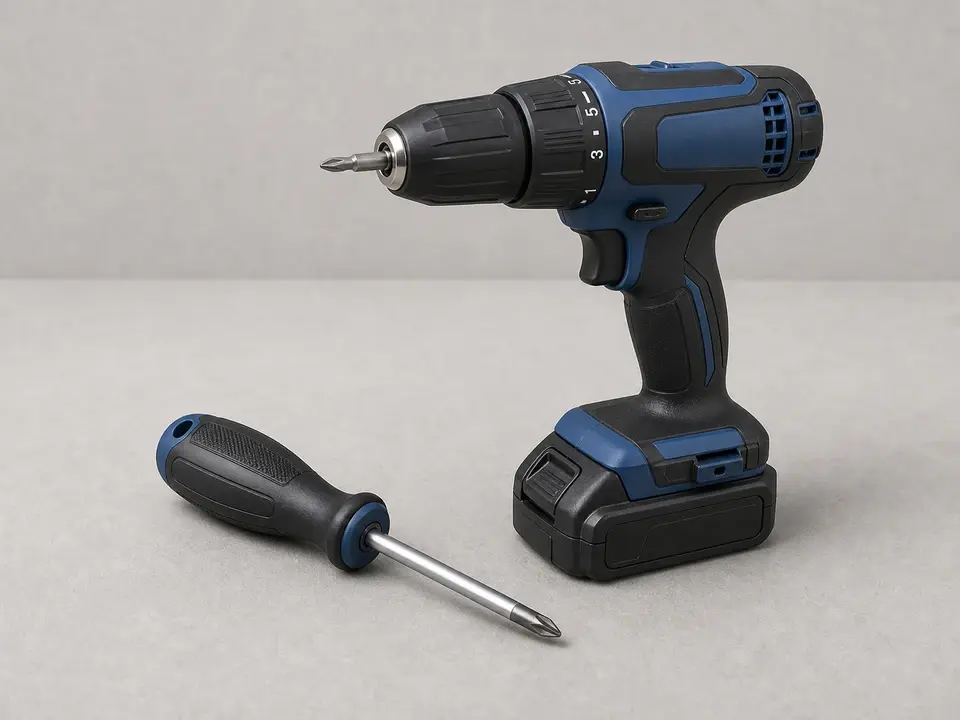
Cordless drill or screw gun
Use it for: To remove old fasteners and drive the new ones without stripping the heads.
Shop cordless drill driversIf roof panel screws are loose, rusted, backing out, or have cracked sealing washers, replacing them with new roof panel fasteners with sealing washers is a practical way to tighten the panels and reseal the holes.
This job is usually straightforward if the panels are still sound and the old fastener holes are not badly enlarged. Work on a dry day, move carefully on the roof, and replace one fastener at a time so the panel stays aligned.
Before you start: Match the screw length, screw diameter, head style, and washer size to your existing roof panels and support material before ordering.
Use it for: To remove old fasteners and drive the new ones without stripping the heads.
Shop cordless drill drivers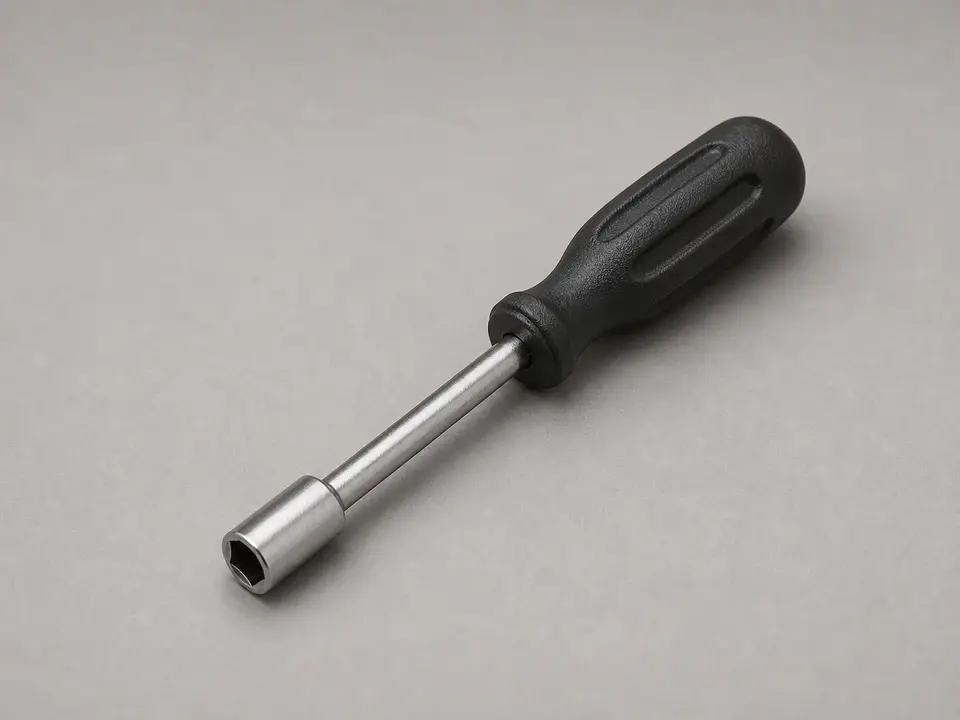
Use it for: To fit the screw head properly and avoid rounding it off.
Find nut driver bit sets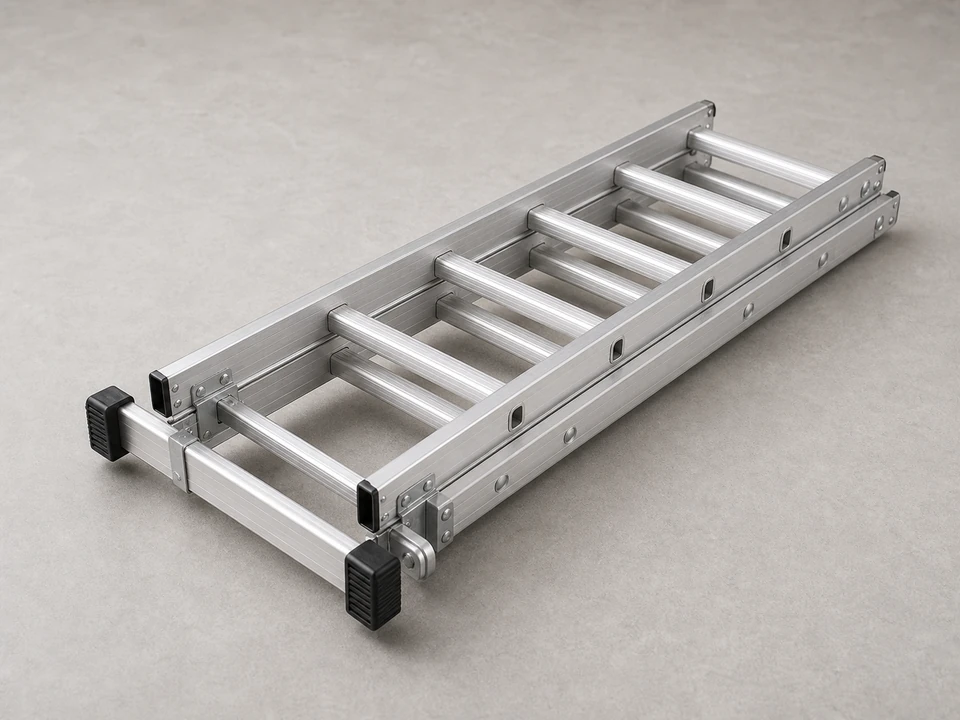
Use it for: To reach the roof safely and carry tools up in a controlled way.
Shop extension ladders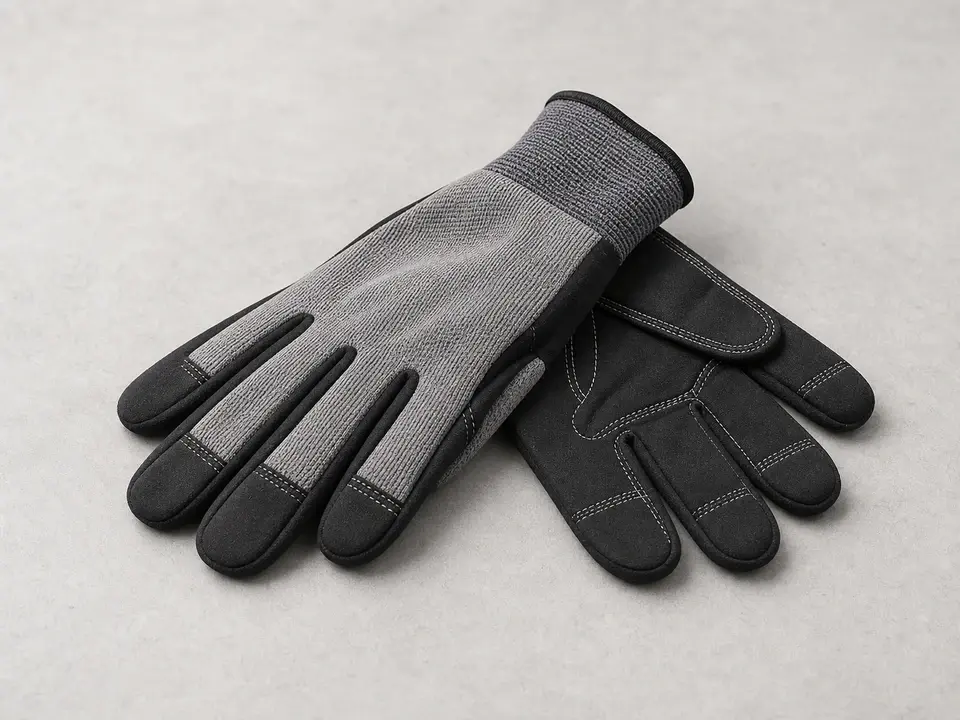
Use it for: To protect your hands from sharp panel edges and old fasteners.
Find work gloves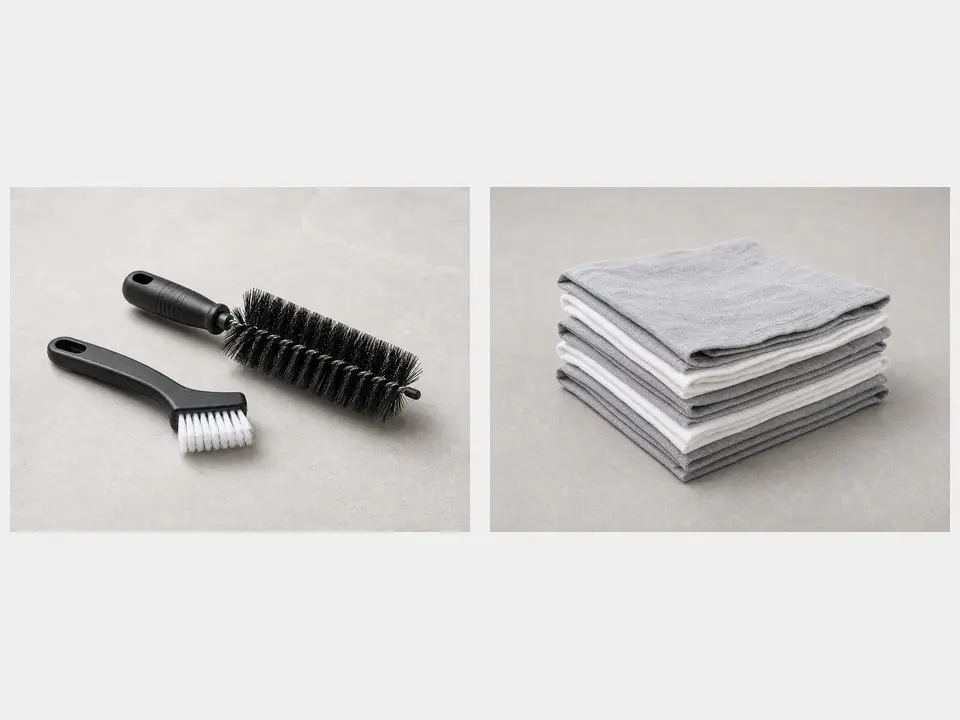
Use it for: To clean debris around each fastener before installing the replacement.
Shop cleaning brushes and rags
Use it for: To help with a slightly worn hole if the new fastener still needs a better seal.
Find roof patch sealing tapeAs an Amazon Associate I earn from qualifying purchases. Repair Riot may earn a commission at no extra cost to you.
If it works: You have clear signs that the old roof panel fasteners or their sealing washers have failed and replacement makes sense.
If it doesn’t: If the screws look sound but the panel is bent, punctured, or leaking at seams instead, this is likely a different roof repair.
If it works: You have safe access and replacement fasteners that match the old ones closely enough to install without forcing them.
If it doesn’t: If the new fasteners do not match the old size or head style, pause and get the correct replacements before continuing.
If it works: The old fasteners are out, the panel surface is clean, and the holes are ready for new screws.
If it doesn’t: If a screw head strips, try a better-fitting bit and firmer pressure before moving on to the next one.
If it works: The new fasteners are seated straight, the washers are evenly compressed, and the panels feel tighter.
If it doesn’t: If a fastener spins without tightening, remove it and reassess the hole before going further.
If it works: The repaired area is clean, sealed where needed, and all replacement fasteners sit consistently.
If it doesn’t: If you keep finding loose fasteners across a wide section, inspect the rest of the roof methodically instead of treating only one small spot.
If it works: The panels stay tight, the repaired spots remain sealed, and the original rattle or minor leak is gone in normal use.
If it doesn’t: If noise or leaking continues from the same area, inspect for enlarged holes, seam issues, or panel damage that needs a different repair.
Match the screw length, screw diameter, head style, and washer size to your existing roof panels and support material before ordering.
As an Amazon Associate I earn from qualifying purchases. Repair Riot may earn a commission at no extra cost to you.
Bad sealing washers are often cracked, brittle, flattened, split, or squeezed out from under the screw head. You may also see rust staining, loose screws, or minor leaking at those points.
Sometimes a slightly loose screw can be snugged up, but if the washer is aged or the screw is rusted, replacement is the better fix. Old washers usually do not reseal well once they have hardened or cracked.
A standard replacement fastener may not hold if the hole is enlarged or the material below is worn out. In that case, stop and reassess the repair instead of forcing in another screw and hoping sealant will solve it.
If only a few are failing, you can replace those first. If many washers are cracked or many screws are backing out across the roof, a broader fastener replacement project may make more sense.
Tight enough to compress the washer evenly and create a seal, but not so tight that the washer bulges badly or splits. Overdriving can deform the panel and shorten the life of the seal.