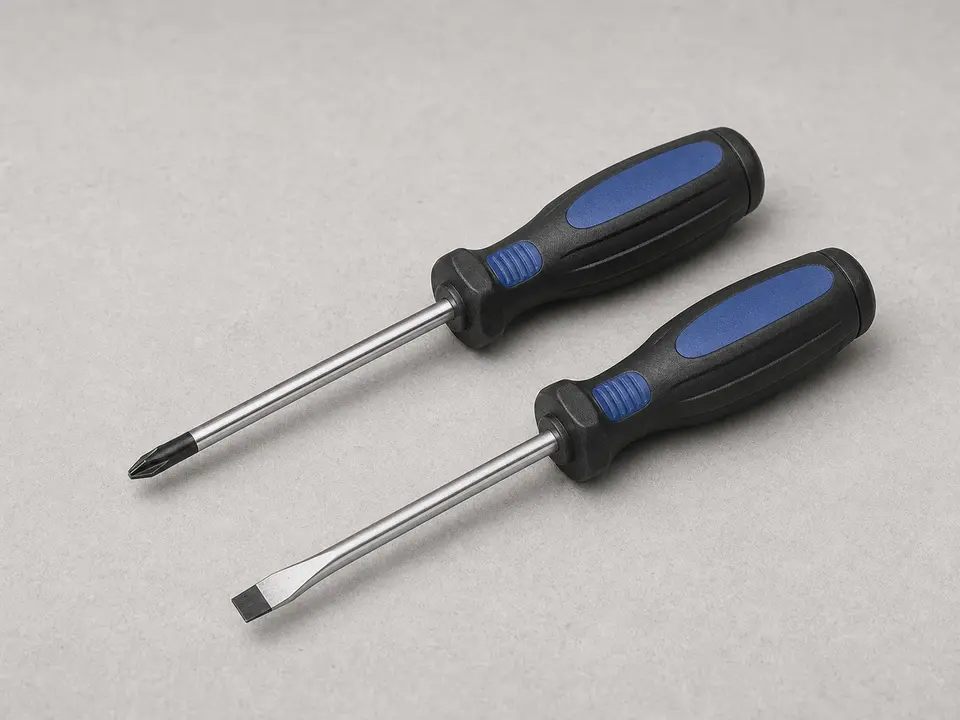
Phillips and flathead screwdriver
Use it for: To remove the handle screw, trim screws, and gently pry off caps if needed.
Shop screwdrivers for faucet repairTo replace a shower diverter cartridge, shut off the water, remove the handle and trim, pull out the old cartridge, install the matching new one in the same orientation, then reassemble and test the shower for proper switching and leaks.
A worn diverter cartridge can make water come from the tub spout and showerhead at the same time, make the handle hard to turn, or stop the shower from switching cleanly. This repair is manageable for many homeowners if you work carefully, keep parts in order, and confirm the replacement matches before forcing anything.
Before you start: Match the cartridge stem shape, length, ports, seal locations, and fixture compatibility before ordering.
Use it for: To remove the handle screw, trim screws, and gently pry off caps if needed.
Shop screwdrivers for faucet repair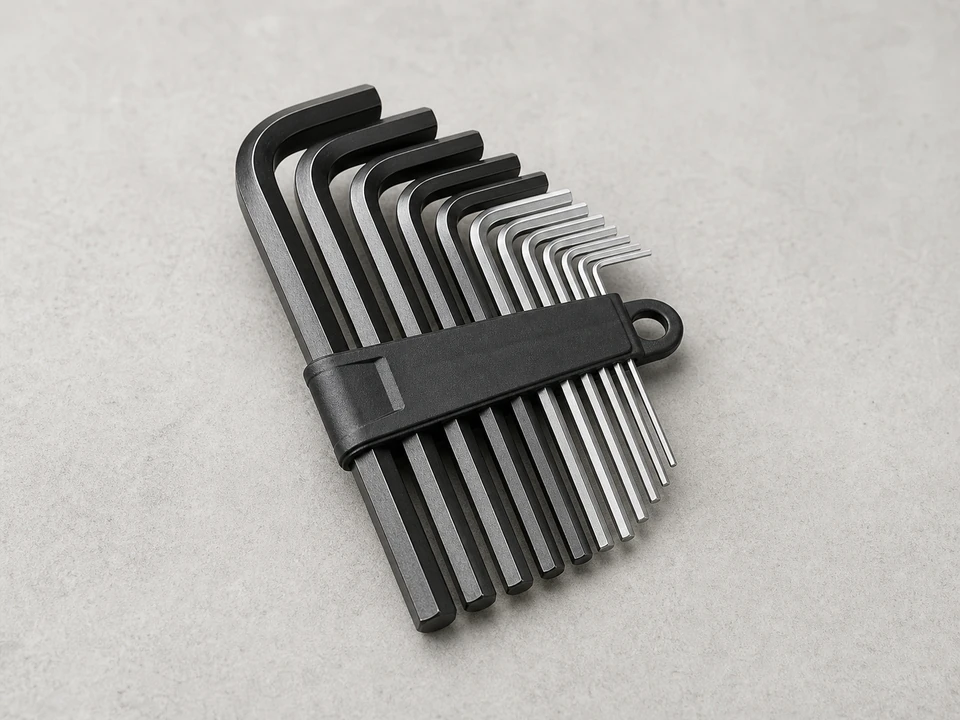
Use it for: Many shower handles use a small set screw instead of a visible face screw.
Shop Allen key sets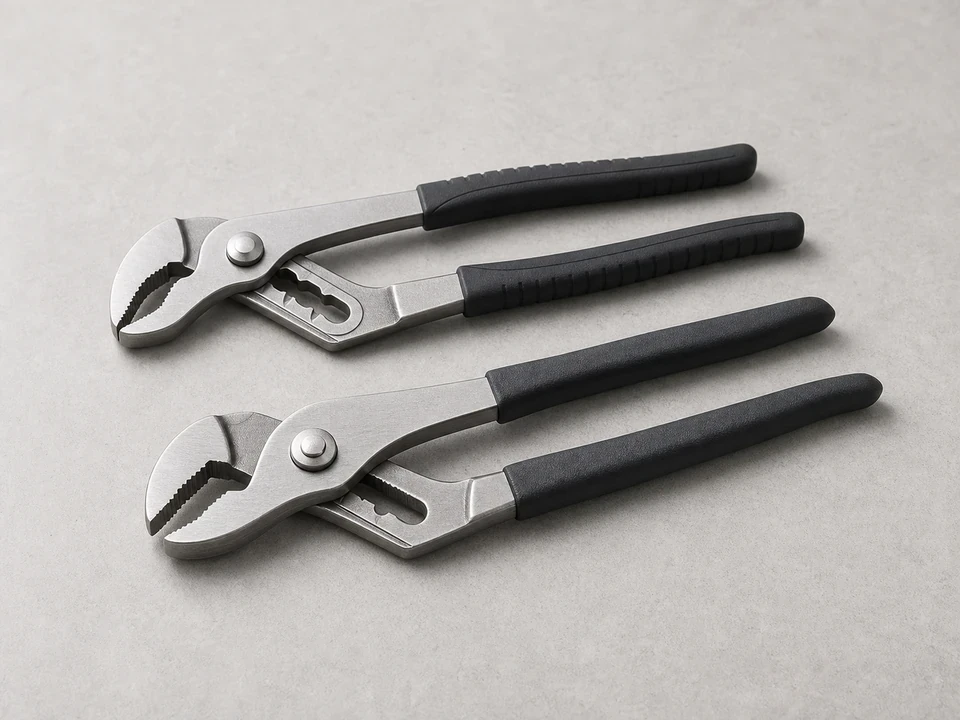
Use it for: To loosen retaining clips, nuts, or stubborn trim pieces without needing a full wrench set.
Shop adjustable pliers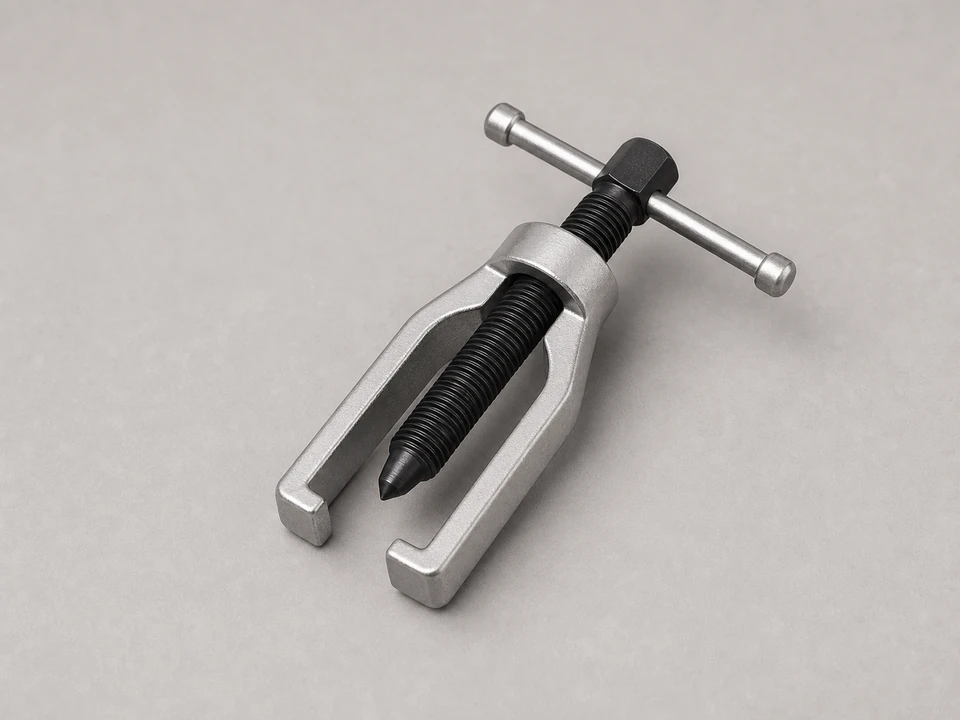
Use it for: Helpful if the old cartridge is stuck from mineral buildup and will not pull out by hand.
Shop cartridge pullers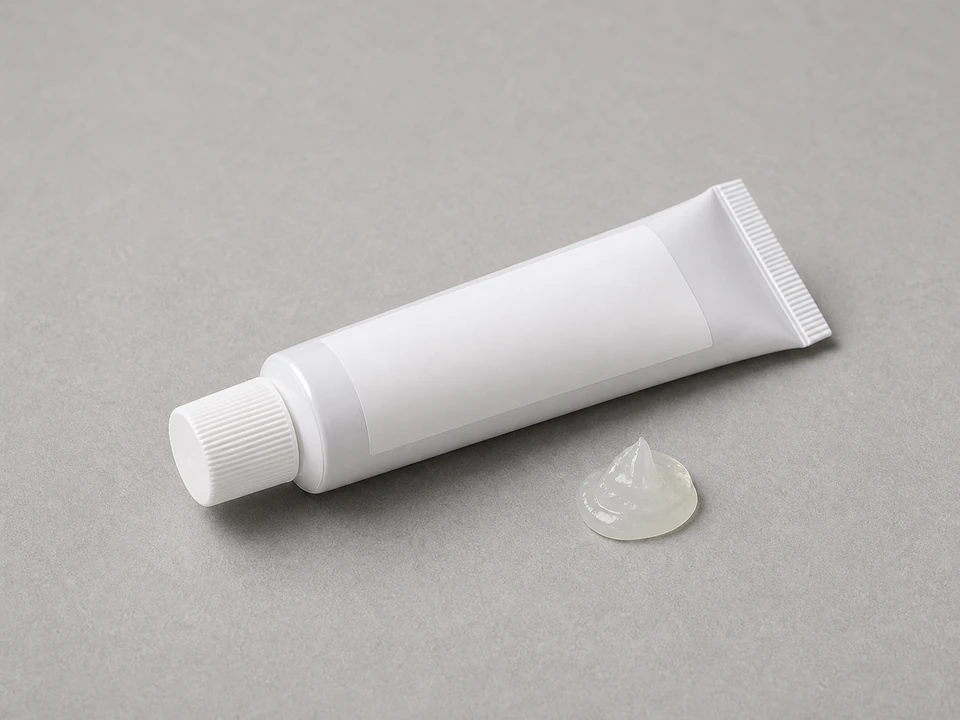
Use it for: To lightly lubricate O-rings so the new cartridge slides in without tearing seals.
Shop silicone plumber's grease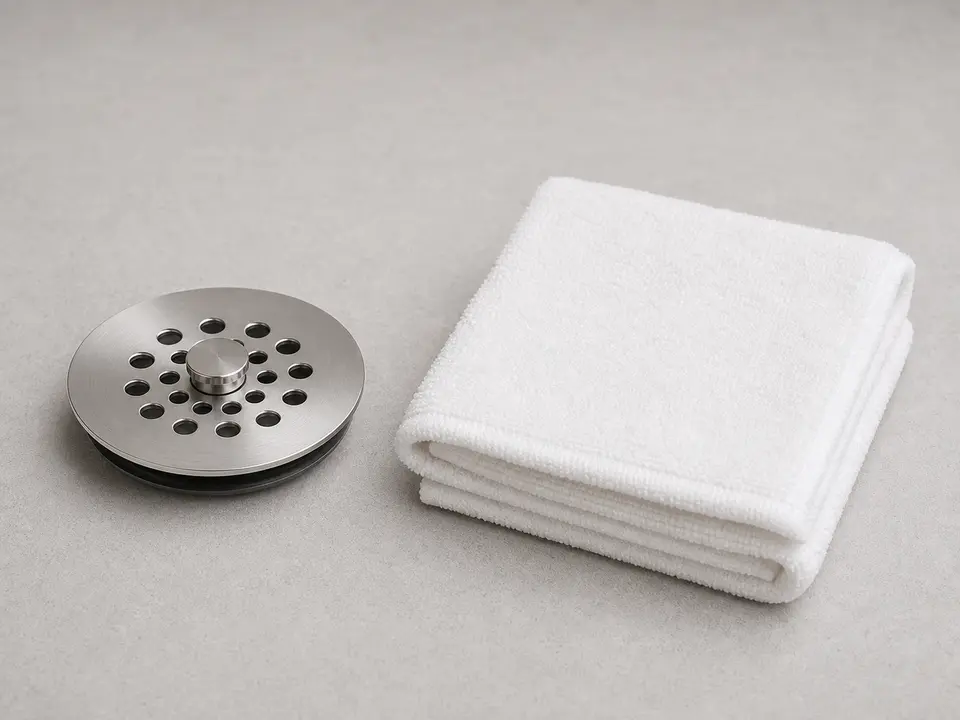
Use it for: To protect the tub or shower floor and keep screws or clips from falling down the drain.
Shop drain covers and work towelsAs an Amazon Associate I earn from qualifying purchases. Repair Riot may earn a commission at no extra cost to you.
If it works: The symptoms fit a worn or sticking shower diverter cartridge, and replacing it is a reasonable next step.
If it doesn’t: If the issue is only low flow at the showerhead, start by cleaning the showerhead. If the tub spout diverter is built into the spout and that is the only part failing, replace the spout instead.
If it works: The water is off, pressure is relieved, and the handle and trim are removed without losing small parts.
If it doesn’t: If the trim is stuck from caulk or paint, score the edge carefully and work it loose slowly instead of prying hard against the wall.
If it works: The old cartridge is out, and you know how it was oriented in the valve body.
If it doesn’t: If the cartridge will not move, apply steady pressure and use the proper puller rather than twisting hard enough to damage the valve body.
If it works: The new cartridge seats fully and the retainer goes back in without forcing the part into the wrong position.
If it doesn’t: If the cartridge does not seat fully, pull it back out and recheck alignment. A close-looking but incorrect cartridge often stops short or binds.
If it works: The shower is back together, water is on, and there are no immediate leaks around the handle or trim.
If it doesn’t: If the handle position is off, remove it and reinstall it in the correct orientation before final tightening.
If it works: The shower switches cleanly, the handle feels normal, and the repair holds without leaks during actual use.
If it doesn’t: If the shower still sends water to both outlets or the handle still sticks, recheck cartridge fit and orientation. If those are correct, the valve body may be worn and may need a deeper repair.
Match the cartridge stem shape, length, ports, seal locations, and fixture compatibility before ordering.
As an Amazon Associate I earn from qualifying purchases. Repair Riot may earn a commission at no extra cost to you.
Common signs are water coming from the tub spout and showerhead at the same time, a diverter handle that sticks or feels rough, or a shower that will not switch cleanly. Those symptoms usually point to worn seals or internal wear in the cartridge.
Only if the shower valve does not have its own local shutoffs. If there are service stops built into the valve, you can usually use those instead.
Usually yes if it is in good shape and not bent, cracked, or badly corroded. If it is damaged, replace it so the new cartridge stays seated properly.
Mineral buildup often locks cartridges in place. Gentle rocking, steady pulling, and a cartridge puller are safer than twisting hard on the valve body. If the valve starts moving in the wall, stop and reassess.
A light coat of silicone plumber's grease on the O-rings can help the cartridge slide in and seal properly. Do not overdo it, and do not use petroleum-based grease.