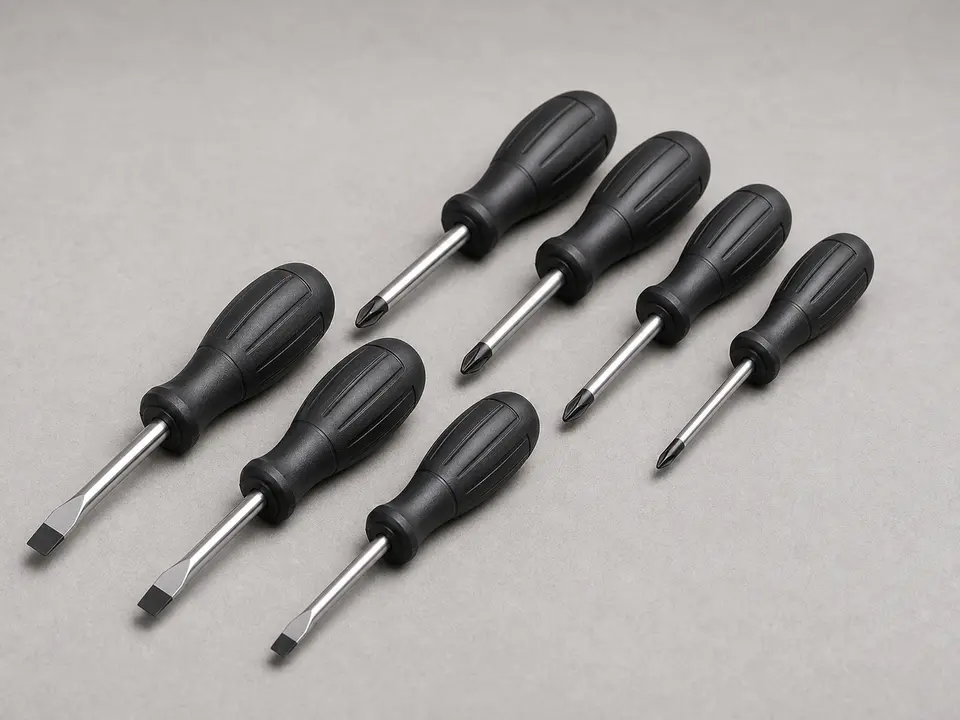
Phillips and flathead screwdriver set
Use it for: To remove the handle screw, pry off a cap if needed, and tighten the new handle.
Shop screwdriver setsTo replace a shower diverter handle, first confirm the handle itself is stripped, cracked, loose, or no longer gripping the diverter stem. Then remove the old handle, match the replacement to the stem and mounting style, install the new handle, and test that it switches water flow cleanly between functions.
This is usually a straightforward repair if the valve behind the wall is still in good shape. The main job is getting the right handle and avoiding damage to the trim or stem while you remove the old one.
Before you start: Match the handle style, mounting method, stem connection shape, and finish before ordering so the new handle fits your valve.
Use it for: To remove the handle screw, pry off a cap if needed, and tighten the new handle.
Shop screwdriver sets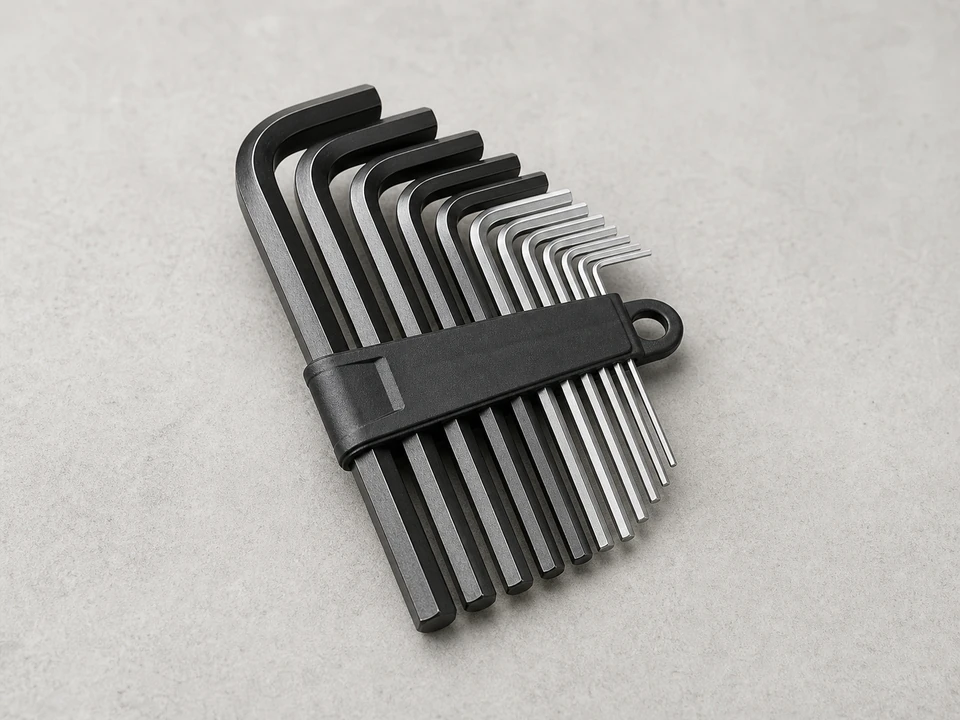
Use it for: Many diverter handles use a small set screw instead of a face screw.
Shop Allen key sets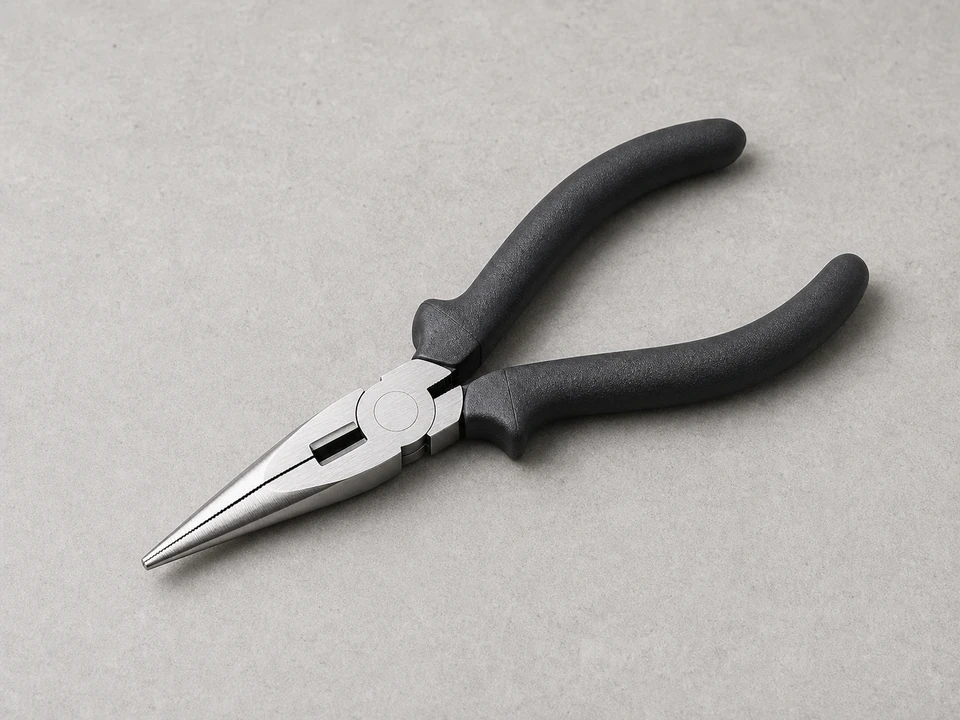
Use it for: Helpful for pulling a stubborn screw cap or handling small fasteners.
Shop needle-nose pliers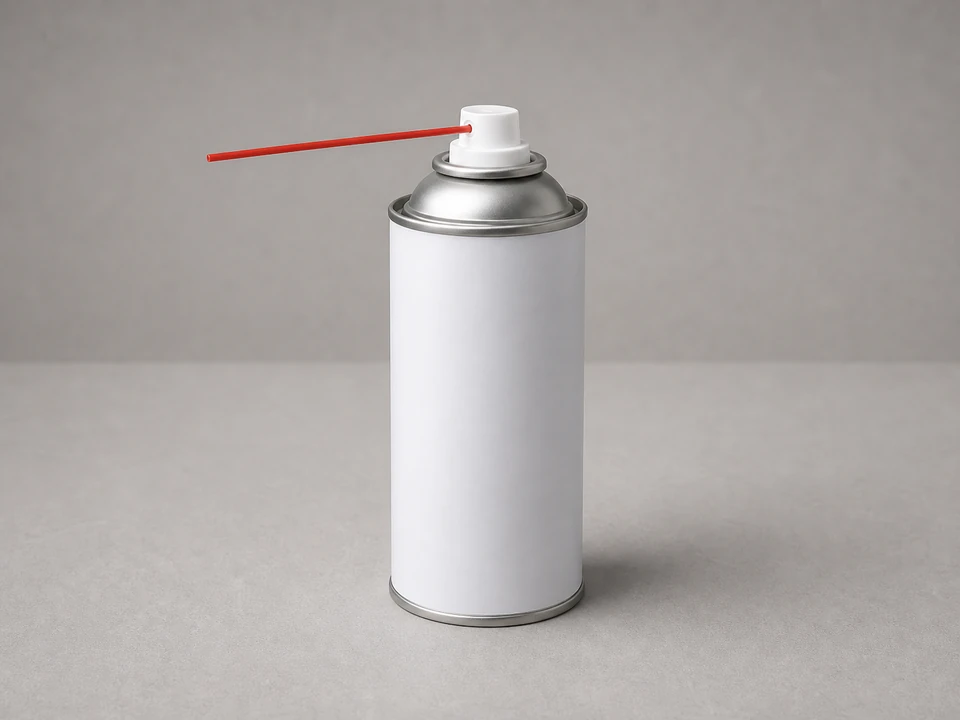
Use it for: Can help loosen a stuck handle screw or handle hub without forcing it.
Shop penetrating oil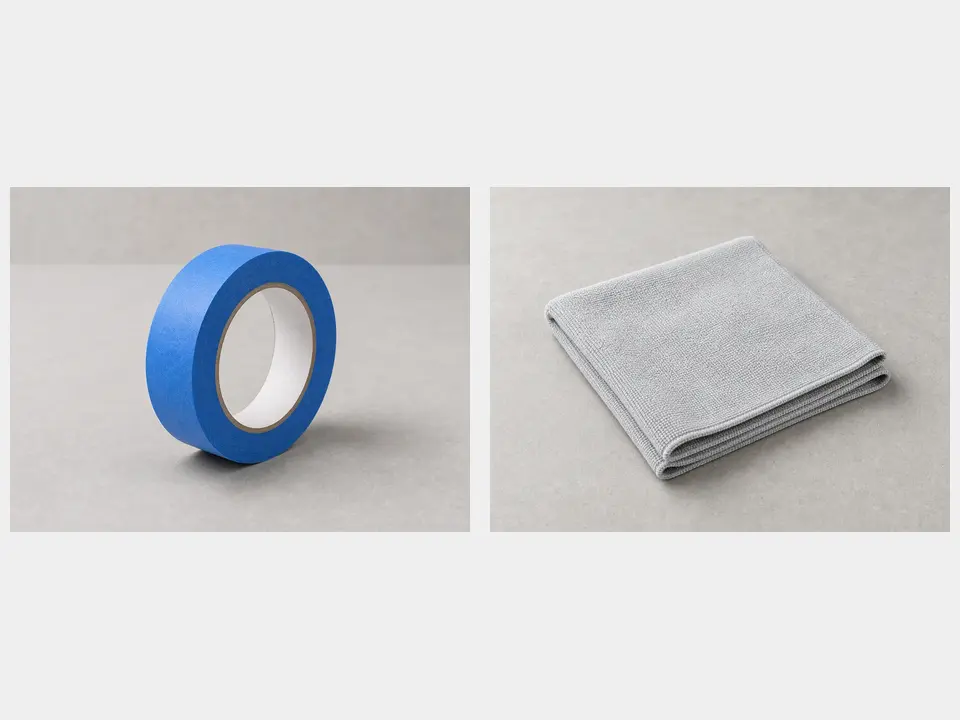
Use it for: To protect the trim plate and finished surfaces while you work.
Shop painter's tape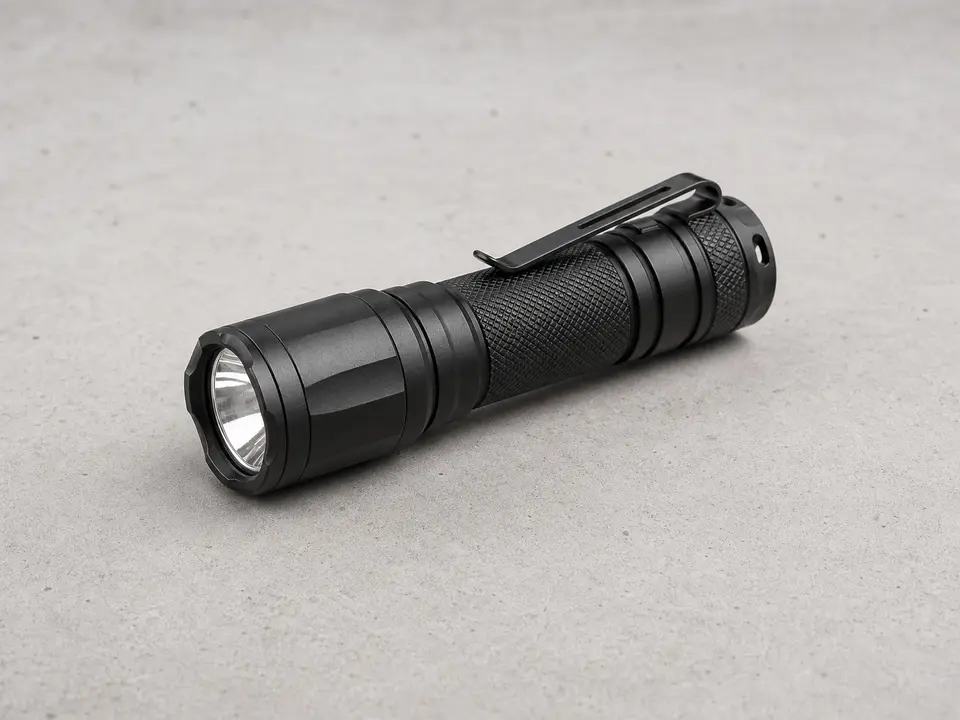
Use it for: To see the screw location, stem shape, and mounting details clearly.
Shop flashlightsAs an Amazon Associate I earn from qualifying purchases. Repair Riot may earn a commission at no extra cost to you.
If it works: You have confirmed the handle is damaged, stripped, missing, or no longer attaching securely to the diverter stem.
If it doesn’t: If tightening the existing screw fixes the problem and the handle now switches normally, you may not need a replacement.
If it works: The old handle is off and the diverter stem and trim are exposed without damage.
If it doesn’t: If the handle will not come off, recheck for a hidden set screw on the underside or behind a trim cap before applying more force.
If it works: The new handle fits the stem correctly and lines up in a usable position.
If it doesn’t: If the new handle is loose, will not seat, or points the wrong way, pause and get a better match instead of forcing it.
If it works: The new handle is secure, straight, and moves the stem without wobbling.
If it doesn’t: If the handle still feels loose, remove it and check whether the screw is bottoming out, the adapter is missing, or the handle is not fully seated on the stem.
If it works: The handle switches the diverter smoothly, stays tight, and the shower works normally in real use.
If it doesn’t: If the handle is secure but the water still will not divert correctly, the problem is likely inside the diverter valve rather than the handle.
Match the handle style, mounting method, stem connection shape, and finish before ordering so the new handle fits your valve.
As an Amazon Associate I earn from qualifying purchases. Repair Riot may earn a commission at no extra cost to you.
Usually no. For a handle-only replacement, the shower just needs to be off. If you end up opening the valve body or removing internal parts, that is when a water shutoff may be needed.
That usually means the handle is stripped, cracked, or loose on the stem. It can also mean the stem itself is worn or broken, which a new handle will not fix.
Sometimes, but only if the mounting style and stem connection match well enough to fit securely. Dry-fit the handle before final installation and avoid forcing a near match.
Try the correct screwdriver or Allen key first, then use a small amount of penetrating oil and give it time to work. If the screw head strips or the stem starts twisting in the wall, stop before you create a bigger repair.
The handle may be the wrong fit, not fully seated, missing an adapter, or the diverter stem may be worn down. A tight screw cannot make up for a bad stem-to-handle fit.