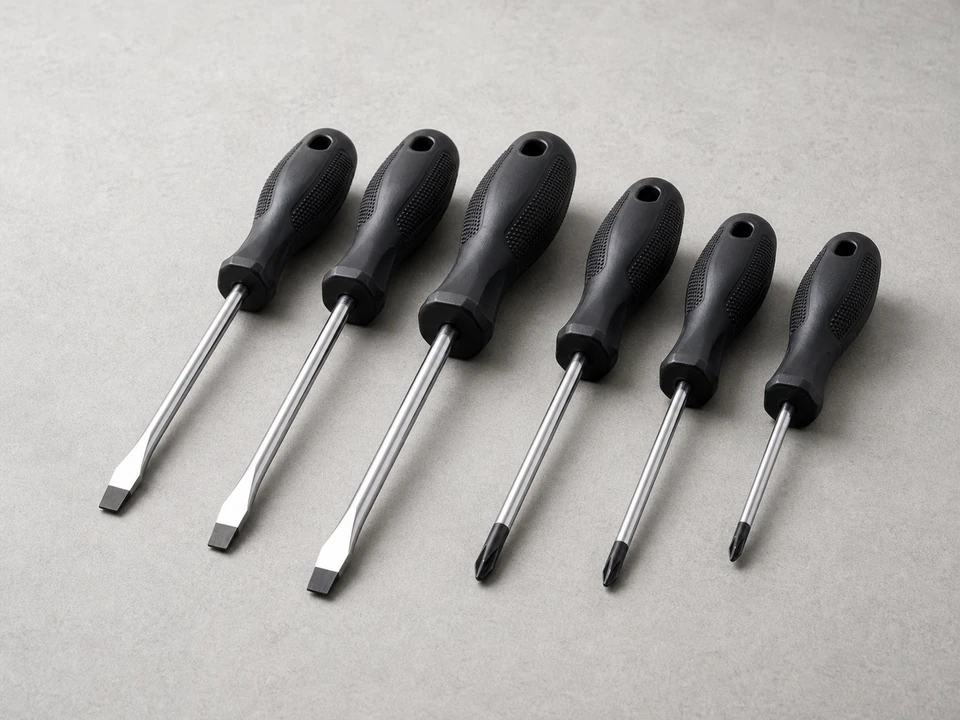
Screwdriver set
Use it for: Removes the handle screws and trim plate screws.
Shop screwdriver setsTo replace a shower trim plate, remove the handle and old plate, clean the wall surface, install the new plate with the right gasket or sealant, then reassemble the trim and test for leaks.
A shower trim plate covers the valve opening and helps keep splash water out of the wall cavity. If the plate is cracked, loose, rusted, or no longer sealing to the wall, replacing it is a straightforward repair as long as the valve body behind it is still solid and dry.
Before you start: Match the replacement part to your exact shower before ordering.
Use it for: Removes the handle screws and trim plate screws.
Shop screwdriver sets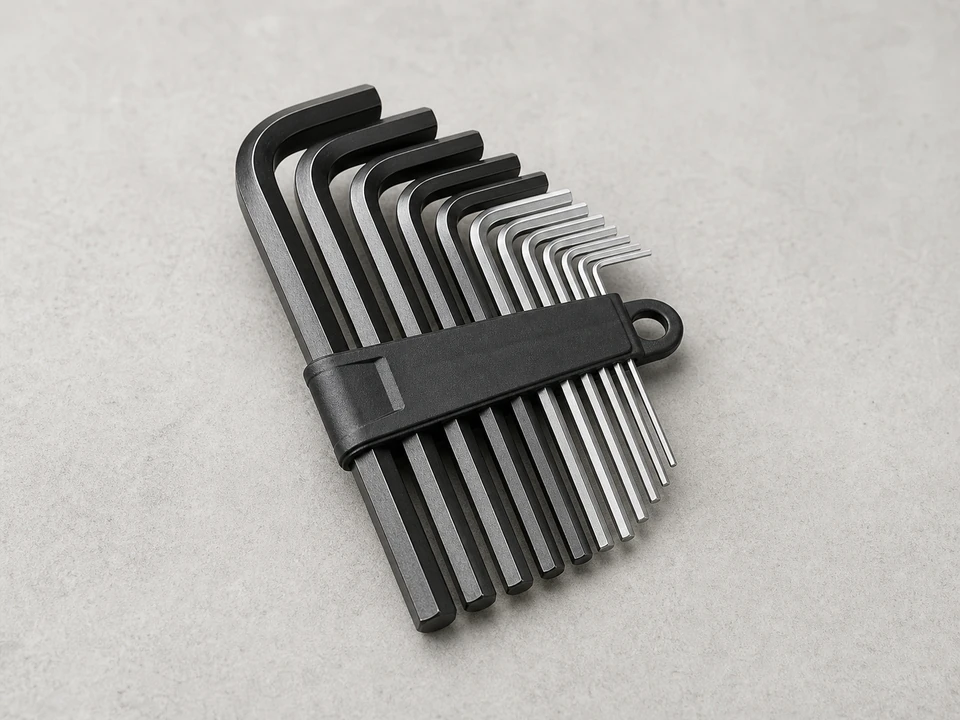
Use it for: Many shower handles use a small set screw instead of a visible face screw.
Shop Allen key sets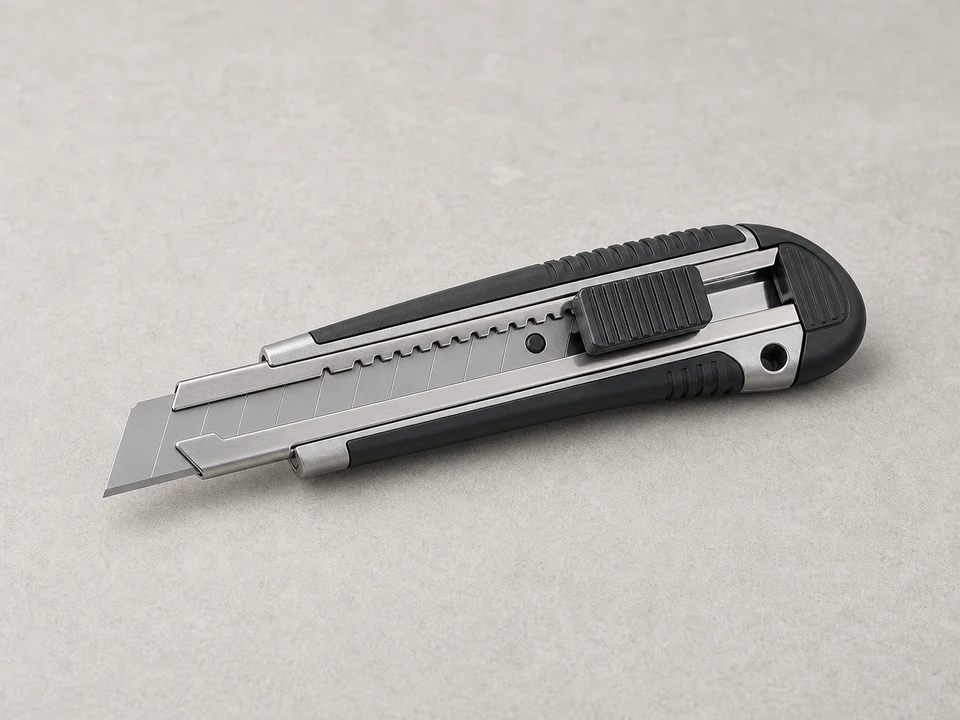
Use it for: Cuts old caulk cleanly around the trim plate without tearing the wall surface.
Shop utility knives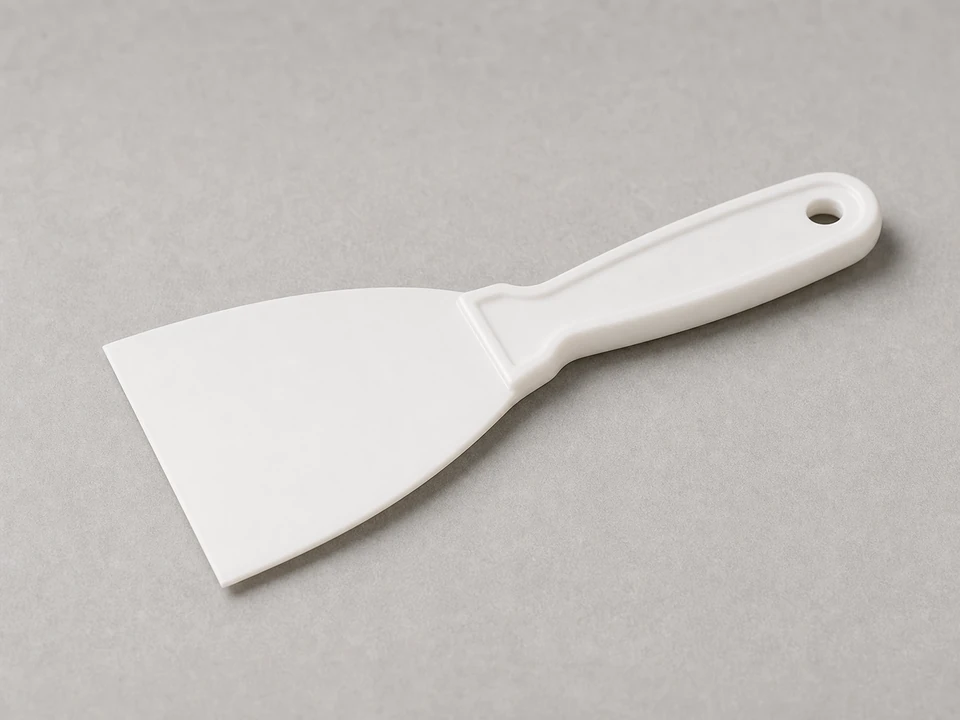
Use it for: Helps lift the old plate and scrape residue without scratching finished surfaces.
Shop plastic putty knives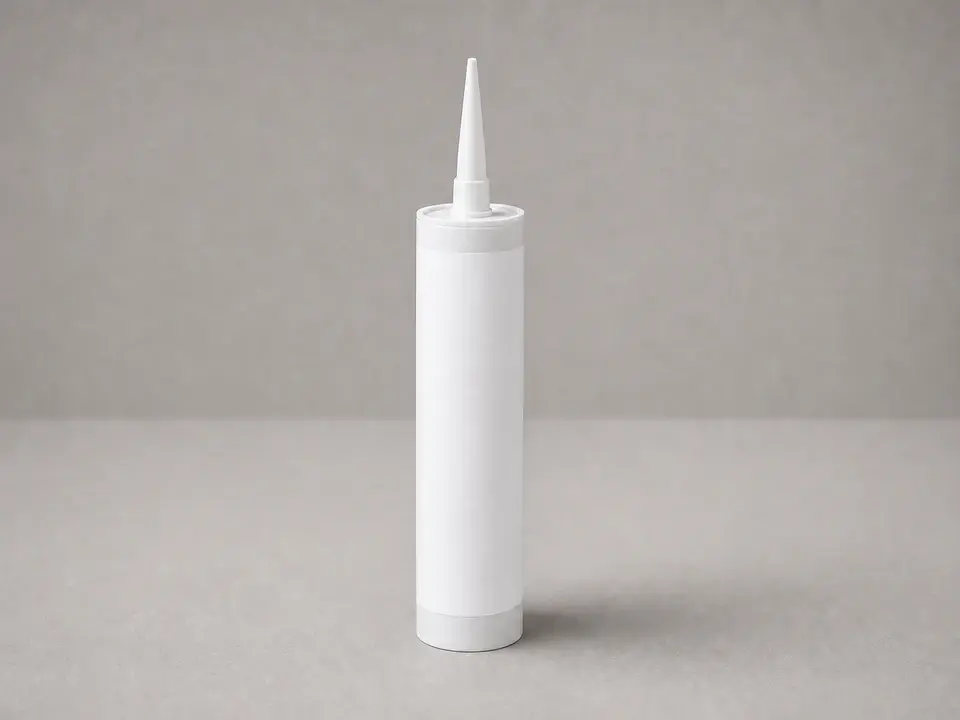
Use it for: Seals the plate to the wall if your replacement does not use a full gasket seal.
Shop bathroom silicone sealant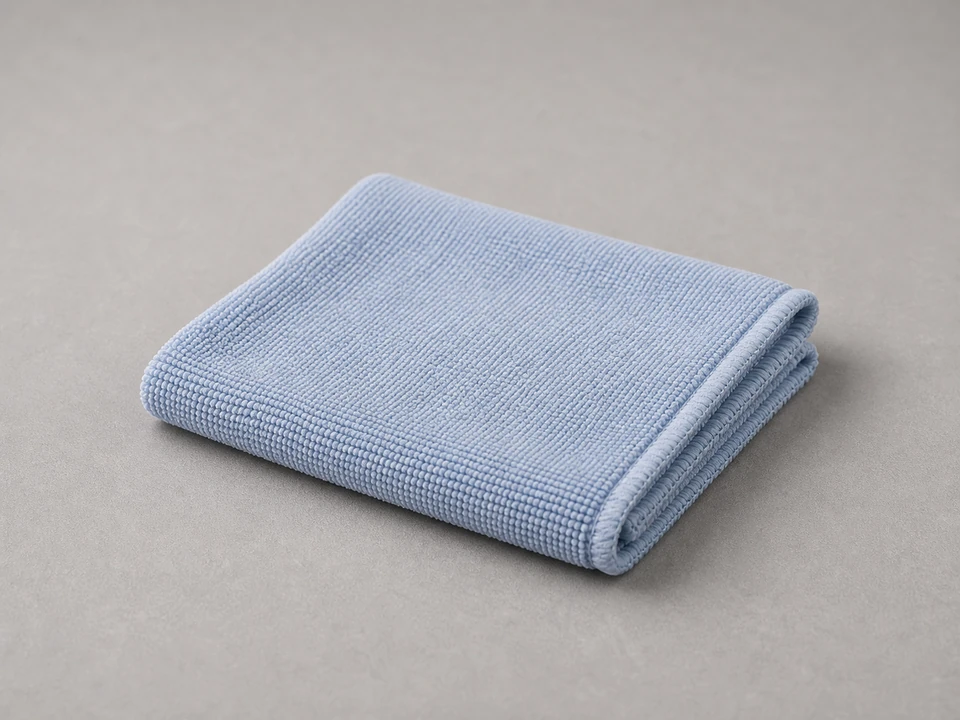
Use it for: Wipes away soap film, old residue, and moisture before installing the new plate.
Shop microfiber cleaning clothsAs an Amazon Associate I earn from qualifying purchases. Repair Riot may earn a commission at no extra cost to you.
If it works: You have confirmed the old trim plate is damaged or no longer sealing well, and the replacement appears to match your shower.
If it doesn’t: If the plate looks fine but water is leaking from the valve stem, inside the wall, or from the shower arm, diagnose that leak first before replacing the trim plate.
If it works: The handle and old trim plate are off, and the valve opening is exposed without damaging the surrounding finish.
If it doesn’t: If the handle is stuck, wiggle it gently and check again for a hidden screw cap or set screw before forcing it.
If it works: The wall surface is clean, dry, and ready for the new trim plate to seal properly.
If it doesn’t: If residue will not come off, soften it with a damp cloth and keep scraping gently until the plate can sit flat.
If it works: The new trim plate is centered, snug, and sealed to the wall without gaps or distortion.
If it doesn’t: If the plate rocks or leaves a gap, remove it and check for leftover debris, a misaligned gasket, or the wrong replacement plate.
If it works: The handle operates normally, and the trim looks finished and secure.
If it doesn’t: If the handle rubs the plate or does not turn smoothly, remove it and check that the plate is centered and all trim pieces are seated fully.
If it works: The new trim plate stays tight, the wall stays dry, and the shower works normally during real use.
If it doesn’t: If you still get moisture behind or around the plate, remove it and correct the seal, or inspect for a valve leak that the trim plate cannot fix.
Match the replacement part to your exact shower before ordering.
As an Amazon Associate I earn from qualifying purchases. Repair Riot may earn a commission at no extra cost to you.
Usually no, because you are only removing the exterior trim, not opening the valve body or water lines. If the repair turns into valve work, then the water should be shut off before going further.
Use the sealing method that fits the replacement plate. Some plates rely on a gasket, while others may need a small bead of bathroom silicone. The goal is to keep splash water out without blocking any intended drain path in the plate design.
That usually means it is not the right replacement for your shower valve. Do not force it into place. Match the plate to the exact valve layout and opening before installing it.
No. A trim plate helps block splash water from entering around the valve opening, but it will not fix a leaking valve body, cartridge, pipe, or fitting behind the wall.
The most common causes are a poor seal at the plate, a mismatched replacement, or a separate leak from the valve or piping. If the wall gets wet even when the plate is seated and sealed, the leak source is likely deeper than the trim.