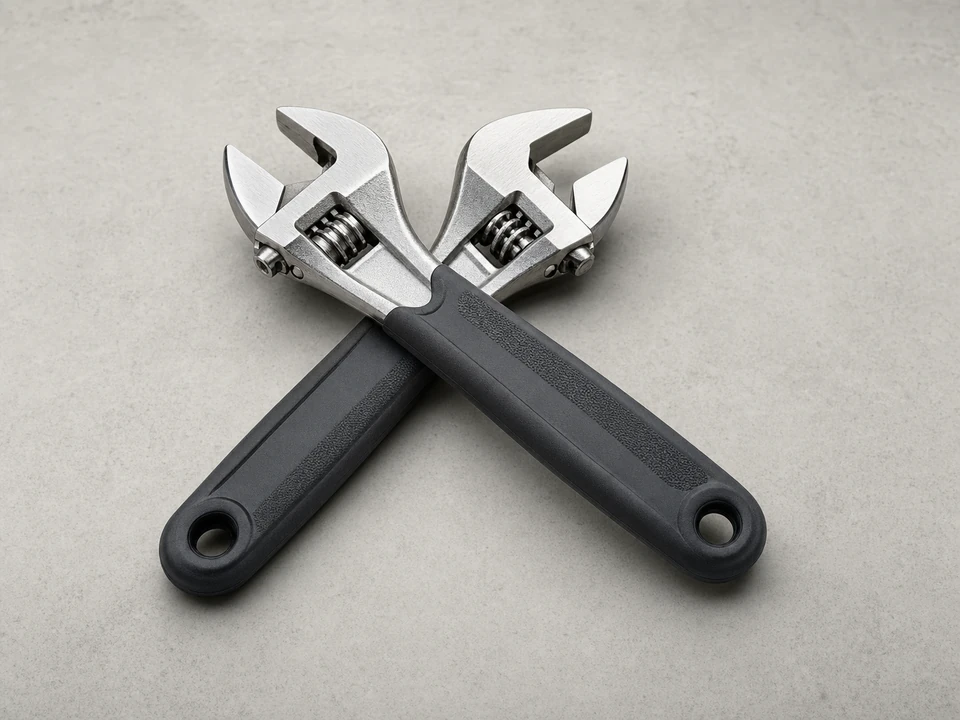
Adjustable wrench
Use it for: To loosen and tighten the supply line nuts at each end.
Shop adjustable wrenchesTo replace a shutoff valve supply line, turn off the water at the shutoff valve, relieve pressure, remove the old line, install a matching replacement, and slowly turn the water back on while checking both ends for leaks.
This repair is usually straightforward when the leak is coming from the flexible line or its end connections. The key is using the correct length and connector size, then tightening the fittings enough to seal without overdoing it.
Before you start: Match the line length, end sizes, and connection type before ordering.
Use it for: To loosen and tighten the supply line nuts at each end.
Shop adjustable wrenches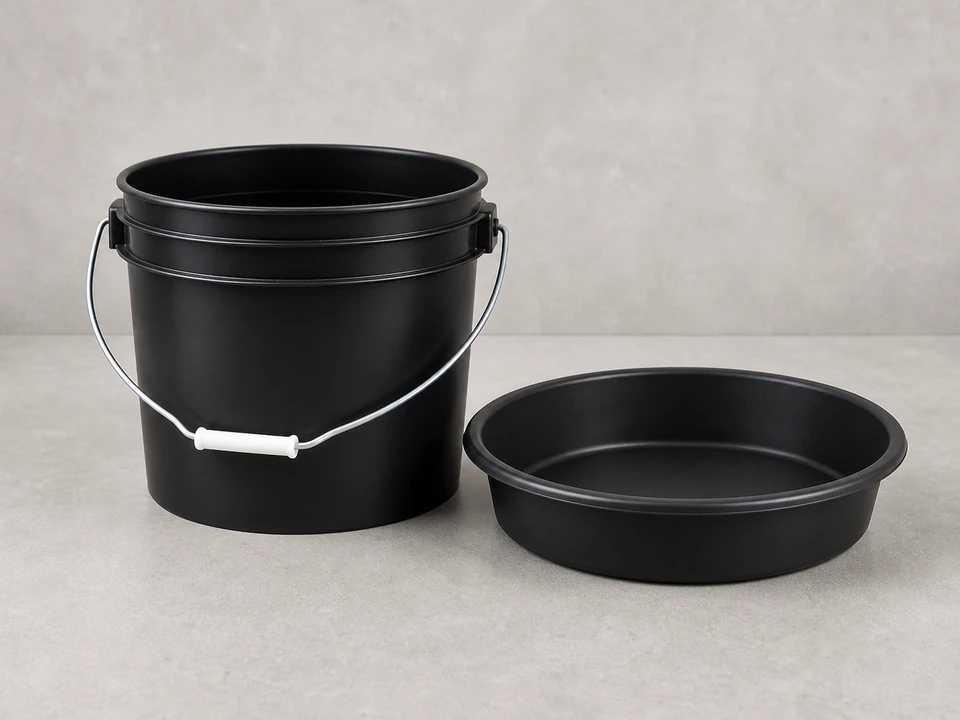
Use it for: To catch the water left in the line when you disconnect it.
Find a drain pan or bucket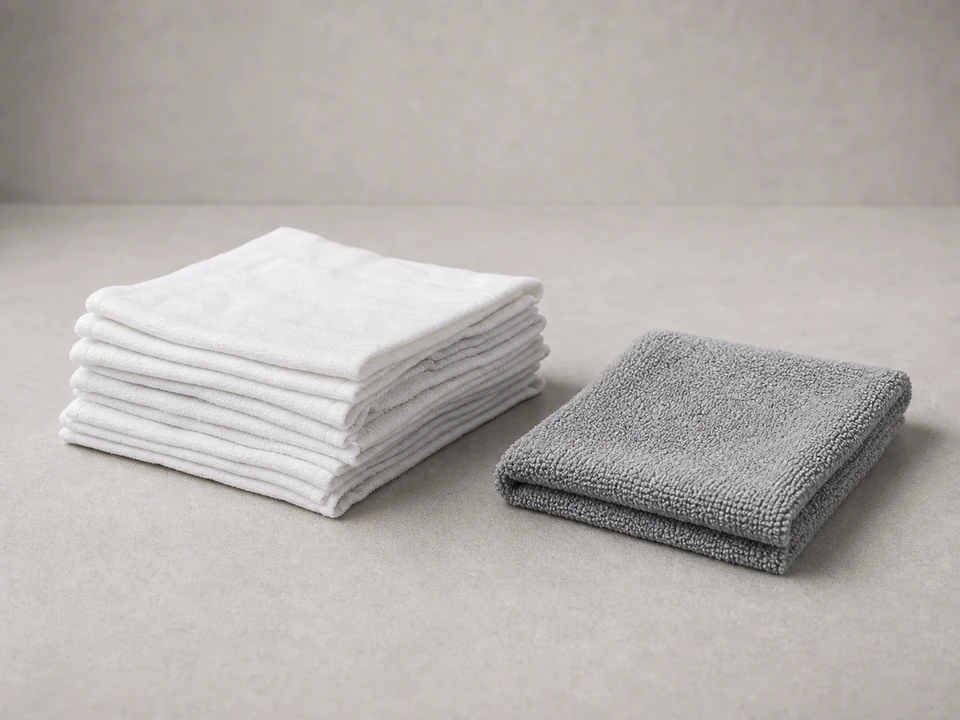
Use it for: To wipe fittings dry so you can spot fresh leaks during testing.
Shop absorbent shop towels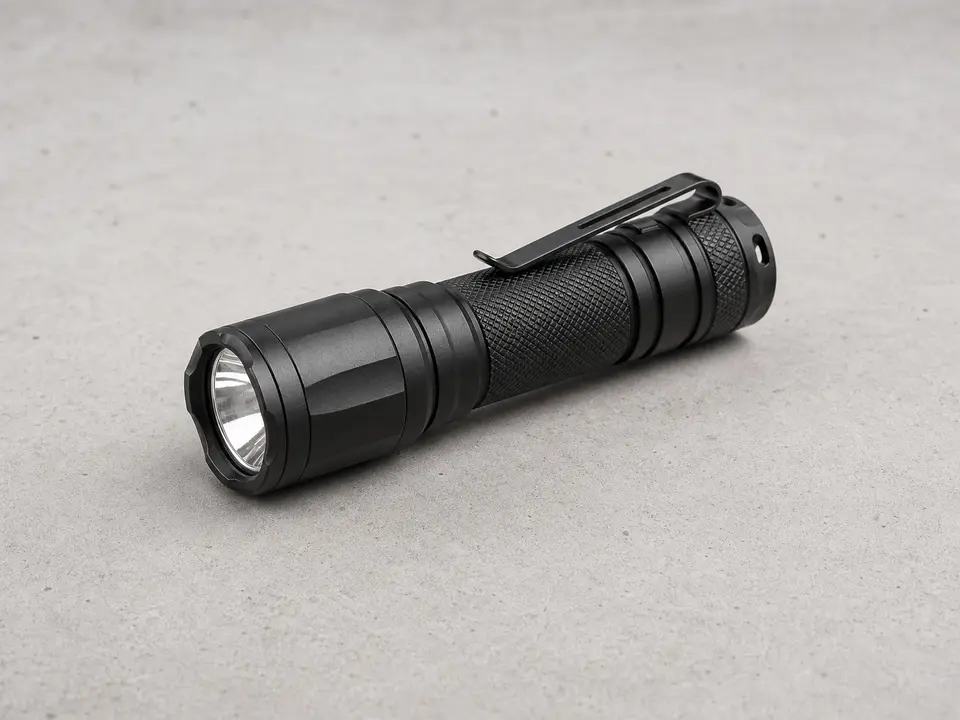
Use it for: To see the back side of the shutoff valve and connection points clearly.
Find a small flashlight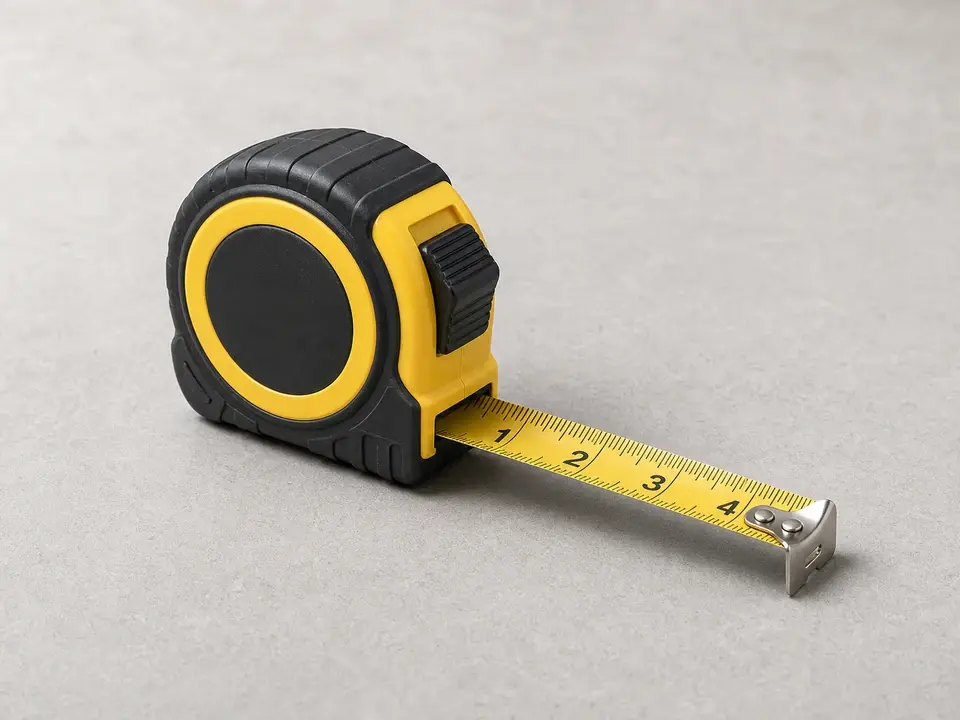
Use it for: To match the replacement line length before installation.
Shop tape measuresAs an Amazon Associate I earn from qualifying purchases. Repair Riot may earn a commission at no extra cost to you.
If it works: You have confirmed the leak is coming from the supply line or its end connections, not from the valve body or the fixture itself.
If it doesn’t: If the shutoff valve stem, valve body, or the pipe coming out of the wall is leaking, this is a different repair path and the supply line may not solve it.
If it doesn’t: If a connection still drips after a small retightening, shut the valve back off, relieve pressure, and inspect for a crooked connection or the wrong replacement line.
If it works: The supply line stays dry during real use and after sitting under pressure.
If it doesn’t: If moisture returns later, shut the valve off and recheck the connection alignment and fit. If the leak source is not the line, inspect the shutoff valve or fixture connection next.
Match the line length, end sizes, and connection type before ordering.
As an Amazon Associate I earn from qualifying purchases. Repair Riot may earn a commission at no extra cost to you.
Usually no. Most supply lines seal with a built-in washer or compression-style connection, not with thread tape. Adding tape can interfere with proper tightening unless the replacement line specifically says to use it.
Hand-tight first, then snug with a wrench. They should be tight enough to stop leaks but not so tight that you distort the fitting or damage the washer. If it drips, tighten a little more rather than forcing it hard all at once.
It is better to replace it. Older lines can have worn washers, hidden cracks, or weakened crimps, and reinstalling them often leads to another leak.
If water keeps flowing strongly after you close the valve, the valve itself is failing. Replace or repair the shutoff valve before trying to replace the supply line.
Match the length, the nut sizes at both ends, and the connection style. The new line should reach without stretching and should thread on by hand at both ends.