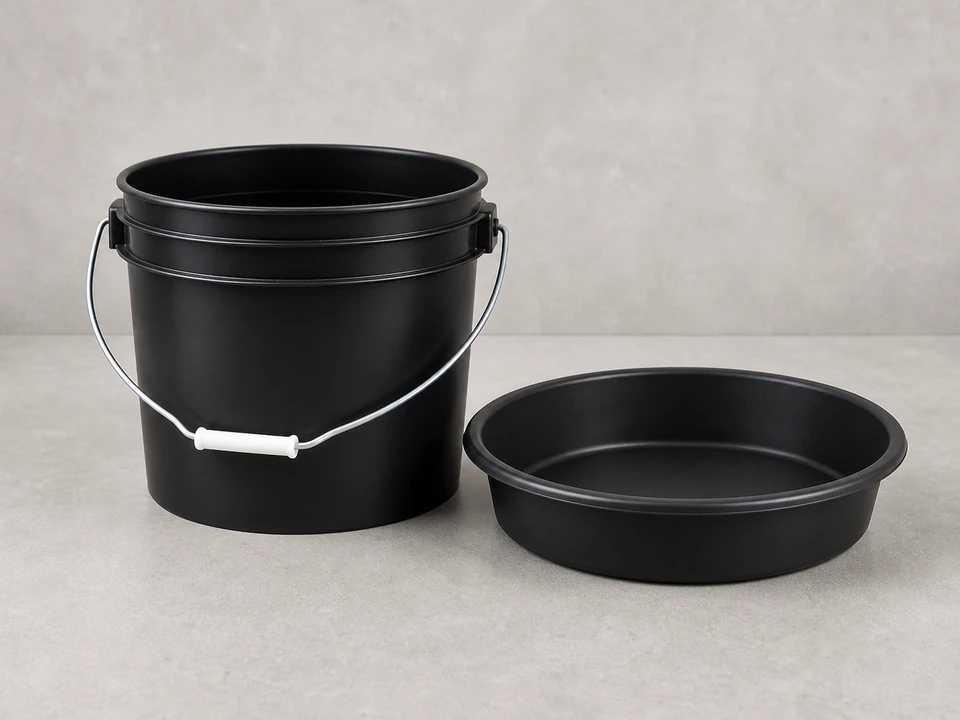
Bucket or shallow pan
Use it for: Catches the water that spills out when the old trap is removed.
Shop drain catch panTo replace a sink p-trap assembly, confirm the leak is coming from the trap or its slip-joint connections, remove the old trap, dry-fit the new pieces, tighten the slip nuts evenly, and test with several sinkfuls of water.
A sink p-trap is the curved drain section under the sink that holds water to block sewer gas. When it cracks, corrodes, or stops sealing at the joints, the fix is usually straightforward as long as the new assembly matches the existing drain layout.
Before you start: Match the pipe diameter, inlet and outlet configuration, and trap style before ordering.
Use it for: Catches the water that spills out when the old trap is removed.
Shop drain catch pan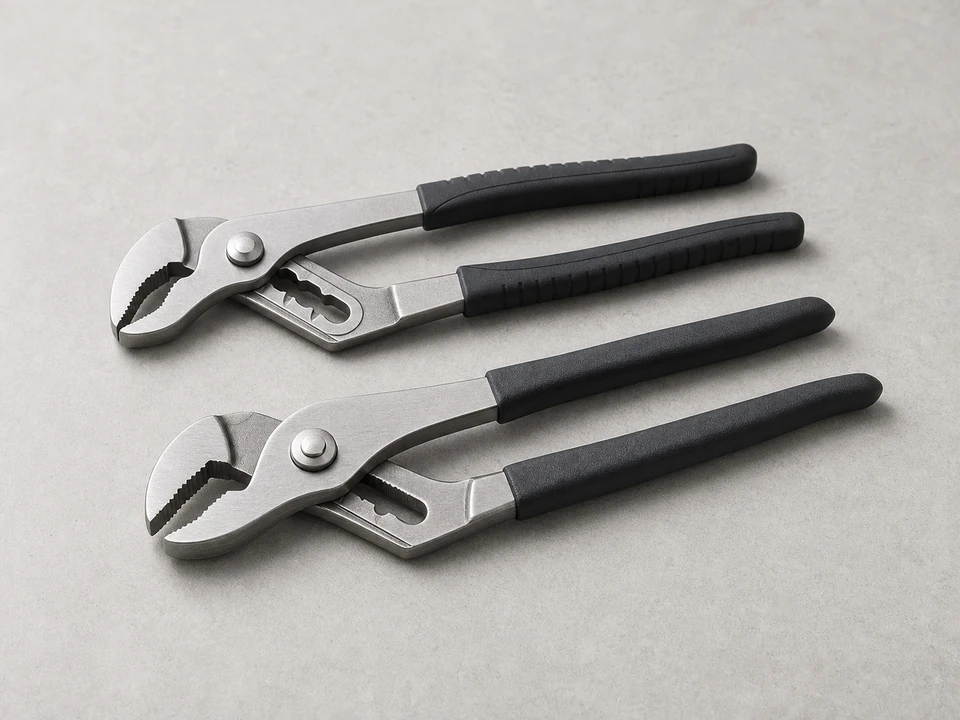
Use it for: Helps loosen or snug slip nuts if they are too tight to turn by hand.
Shop channel lock pliers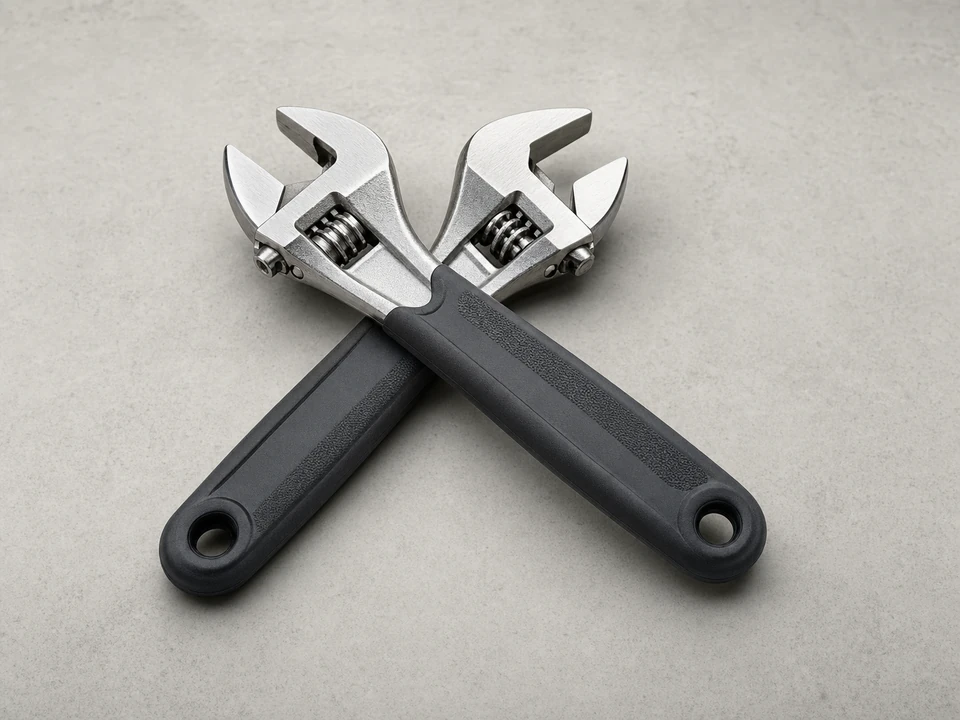
Use it for: Useful if there are metal nuts or a stubborn connection at the wall arm.
Shop adjustable wrench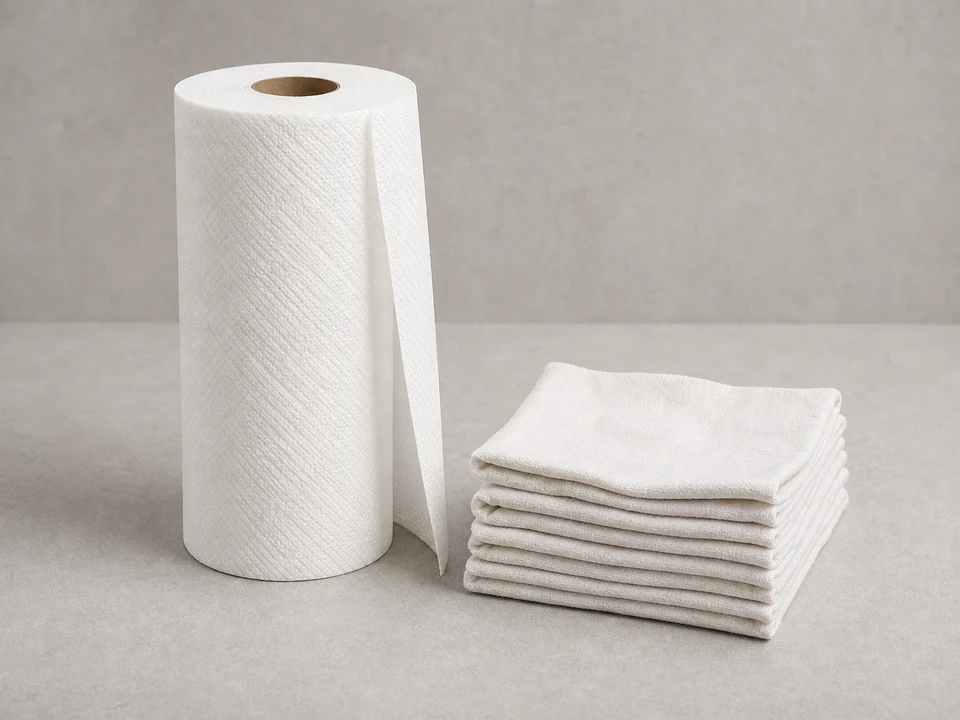
Use it for: Lets you dry the pipes and check for fresh drips during testing.
Shop shop towels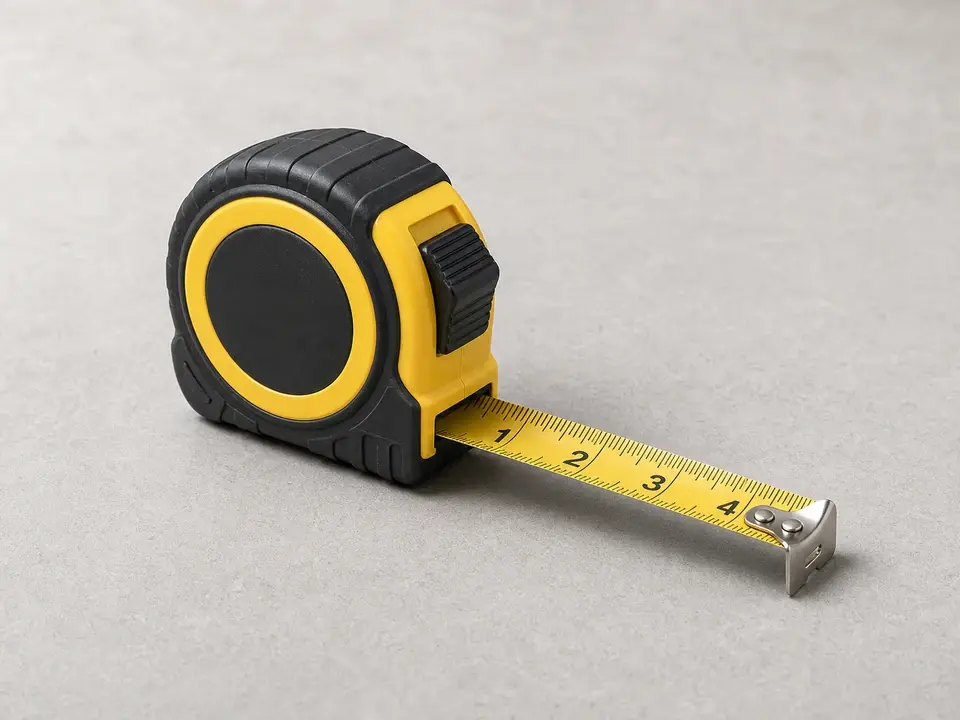
Use it for: Helps confirm pipe diameter and compare the new trap pieces to the old ones.
Shop tape measure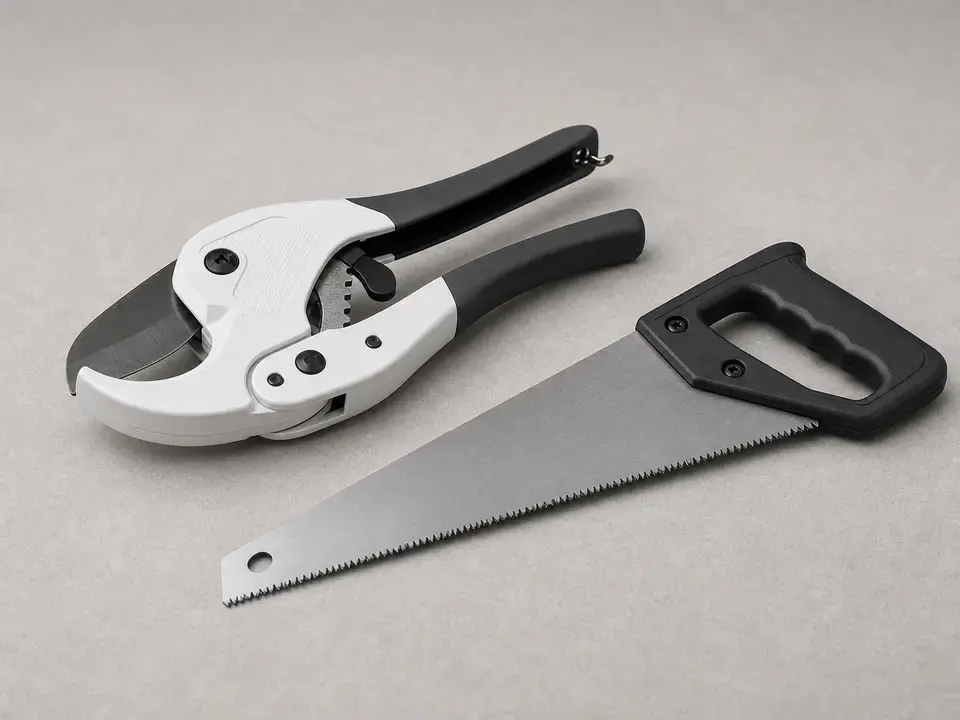
Use it for: May be needed to trim a tubular drain piece to length if the new kit is too long.
Shop PVC sawAs an Amazon Associate I earn from qualifying purchases. Repair Riot may earn a commission at no extra cost to you.
If it works: You have confirmed the leak or damage is at the sink p-trap assembly or its slip-joint connections.
If it doesn’t: If the water is coming from the sink basket, faucet supply lines, shutoff valves, or inside the wall, this is not the right repair path.
If it works: You have a replacement trap that matches the basic size and layout of the old assembly, and the work area is protected.
If it doesn’t: If the new kit does not match the pipe size or connection layout, pause and exchange it before removing the old trap.
If it works: The old trap assembly is out, the remaining drain connections are clean, and the sealing surfaces are visible.
If it doesn’t: If a nut will not loosen, apply steady pressure and avoid crushing the pipe. If it still will not move, the connection may need a different repair approach.
If it works: The new sink p-trap assembly lines up cleanly with the sink tailpiece and wall connection without strain.
If it doesn’t: If the trap only fits when forced into place, recheck the kit size, washer orientation, and pipe lengths before tightening.
If it works: The new trap is installed, aligned, and tightened enough for a leak test without visible distortion at the joints.
If it doesn’t: If a nut cross-threads or the washer keeps slipping out of place, back it off and reassemble that joint before testing.
If it works: The trap stays dry during a full drain test and remains dry after normal sink use.
If it doesn’t: If a slip-joint drips, slightly tighten that nut and test again. If it still leaks, reopen the joint and check the washer direction, pipe alignment, and fit.
Match the pipe diameter, inlet and outlet configuration, and trap style before ordering.
As an Amazon Associate I earn from qualifying purchases. Repair Riot may earn a commission at no extra cost to you.
Usually no. Standard tubular p-trap slip-joint connections seal with beveled washers, not thread tape. Tape on the slip-nut threads usually does not fix a bad fit or a misaligned washer.
The most common causes are a crooked washer, cross-threaded nut, misaligned pipes, or over-tightening that distorts the connection. Take the joint apart, reseat the washer, align the pipes, and tighten again.
It is better to use the new washers and nuts that come with the replacement kit if they match the setup. Old washers often harden or deform and may not seal reliably once disturbed.
Many tubular trap kits are made to be trimmed. Dry-fit the assembly first, mark the excess carefully, and cut only what is needed so the trap lines up without strain.
Start hand-tight, then snug them a little more only if needed to stop a drip. They should be secure, but not forced. Over-tightening is a common reason plastic trap parts crack or leak.