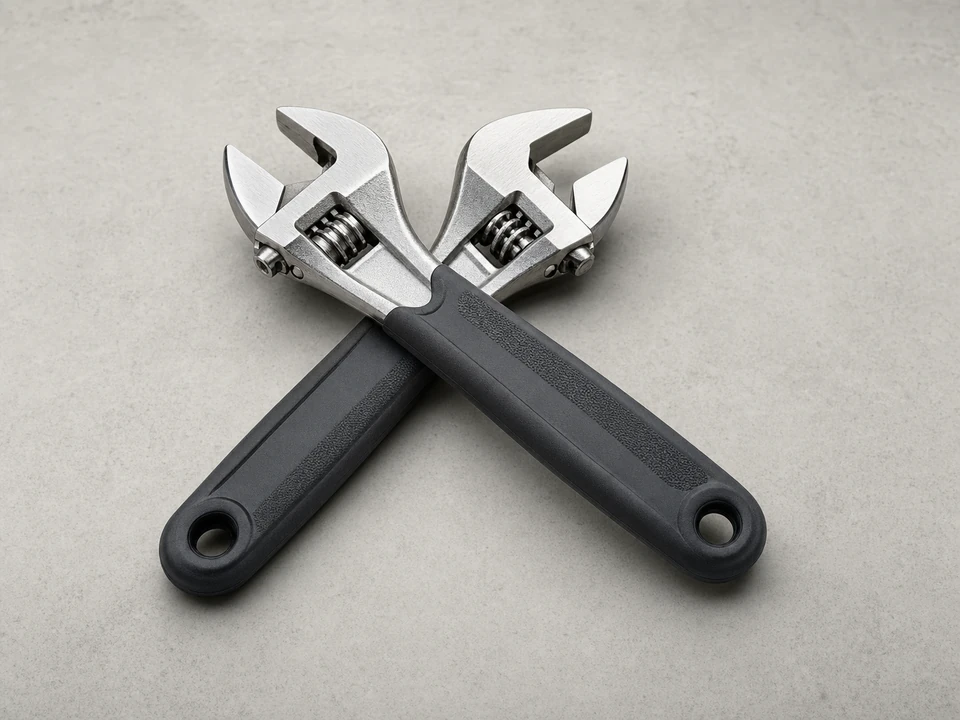
Adjustable wrench
Use it for: To loosen and tighten compression nuts and supply line connections.
Shop adjustable wrenchesTo replace a sink shutoff valve, confirm the valve itself is leaking or no longer shuts off, turn off the home water supply, remove the old valve, install a matching new valve, then restore water and check for leaks with the valve both open and closed.
This is a manageable repair if the valve is exposed and the supply pipe is in good shape. The key is using the same connection style the old valve used and testing slowly before you put everything back under normal use.
Before you start: Match the connection type, outlet size, and valve orientation before ordering.
Use it for: To loosen and tighten compression nuts and supply line connections.
Shop adjustable wrenches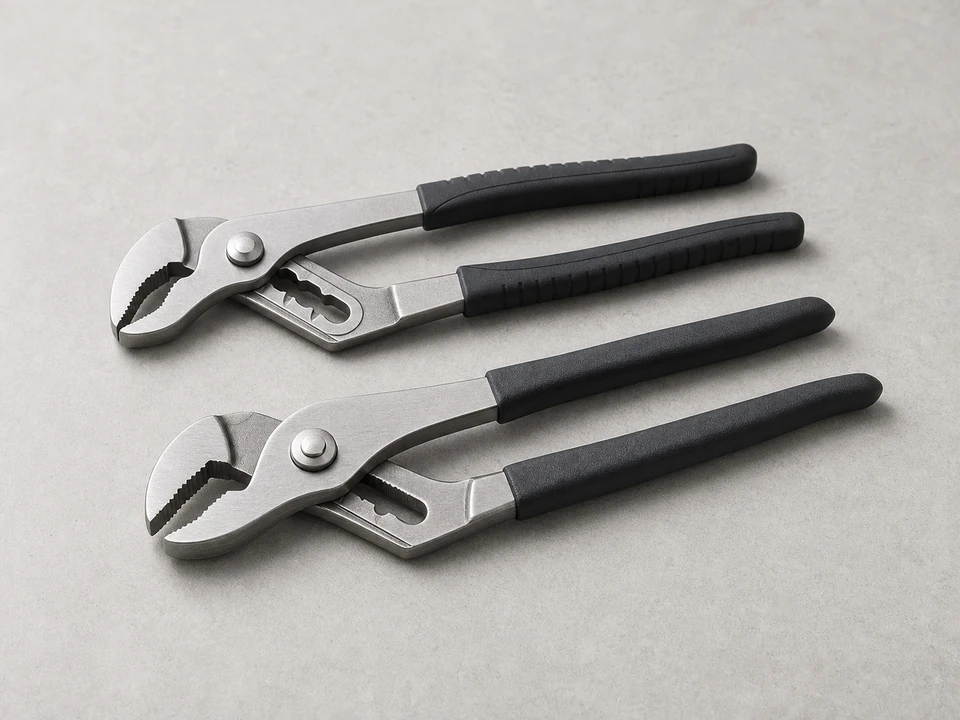
Use it for: To hold the valve body or back up the pipe while you loosen fittings.
Shop tongue-and-groove pliers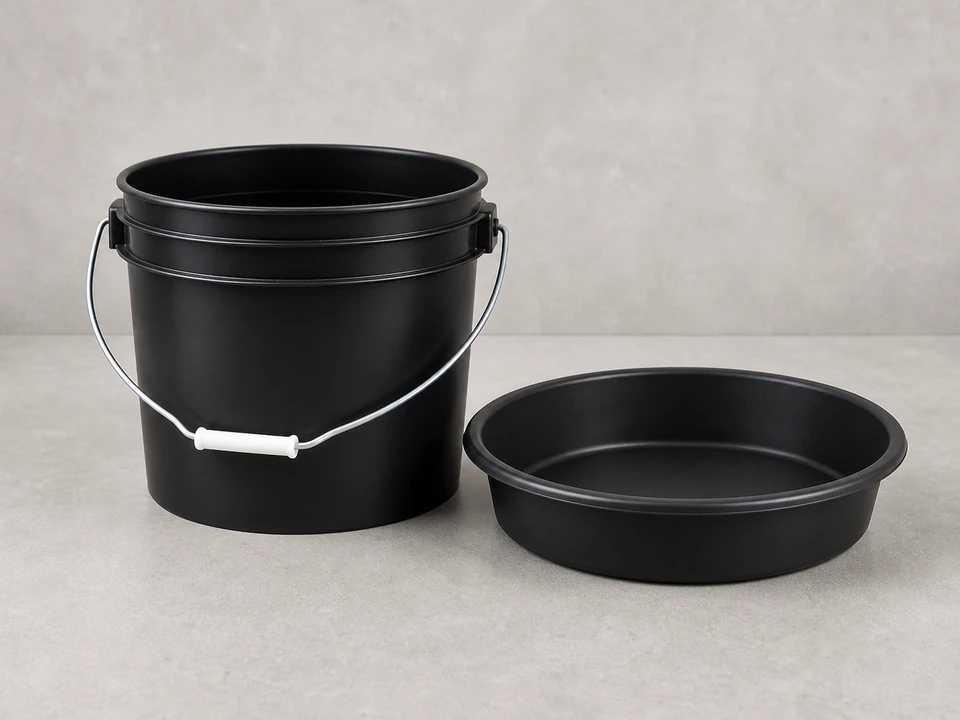
Use it for: To catch water left in the line when the old valve comes off.
Find a drain pan or bucket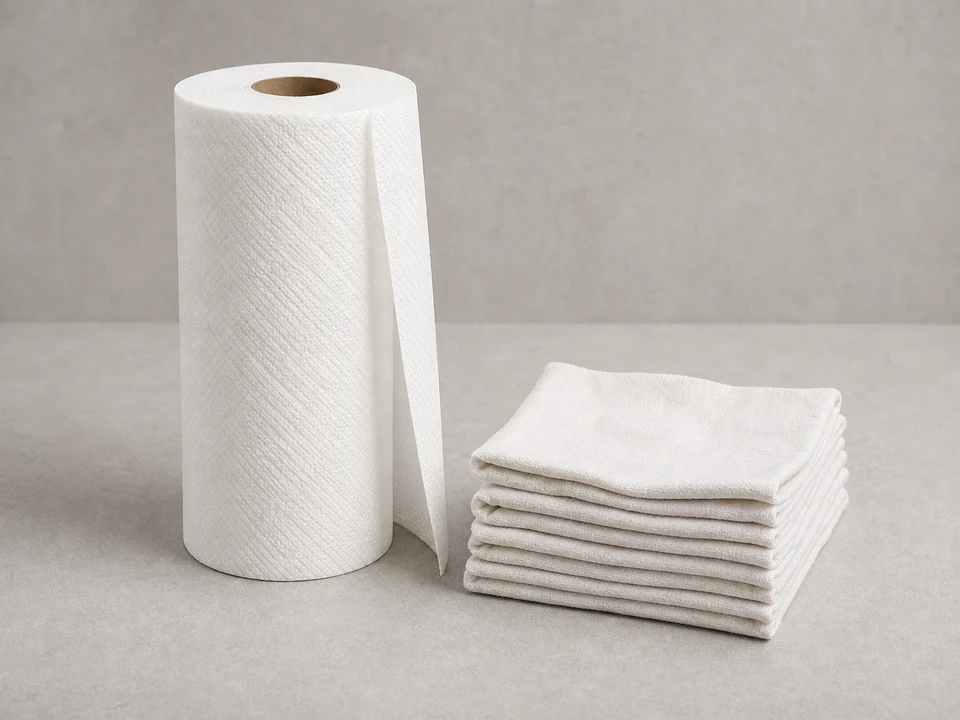
Use it for: To dry fittings so you can spot fresh leaks during testing.
Shop shop towels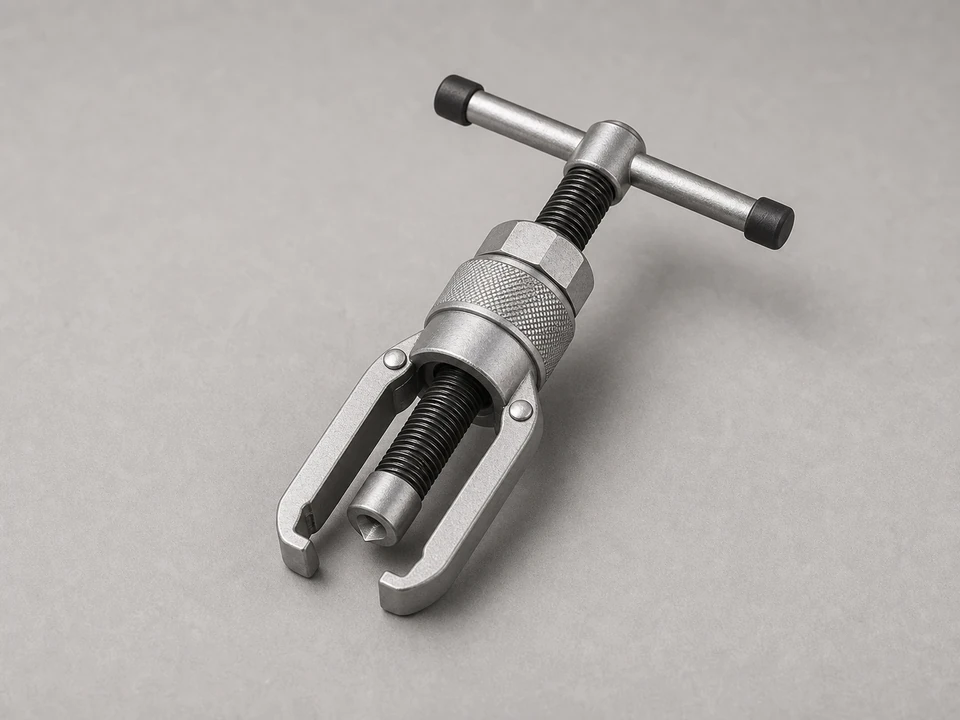
Use it for: Helpful if the old compression nut and sleeve are stuck on the pipe and need to come off cleanly.
Find a compression sleeve puller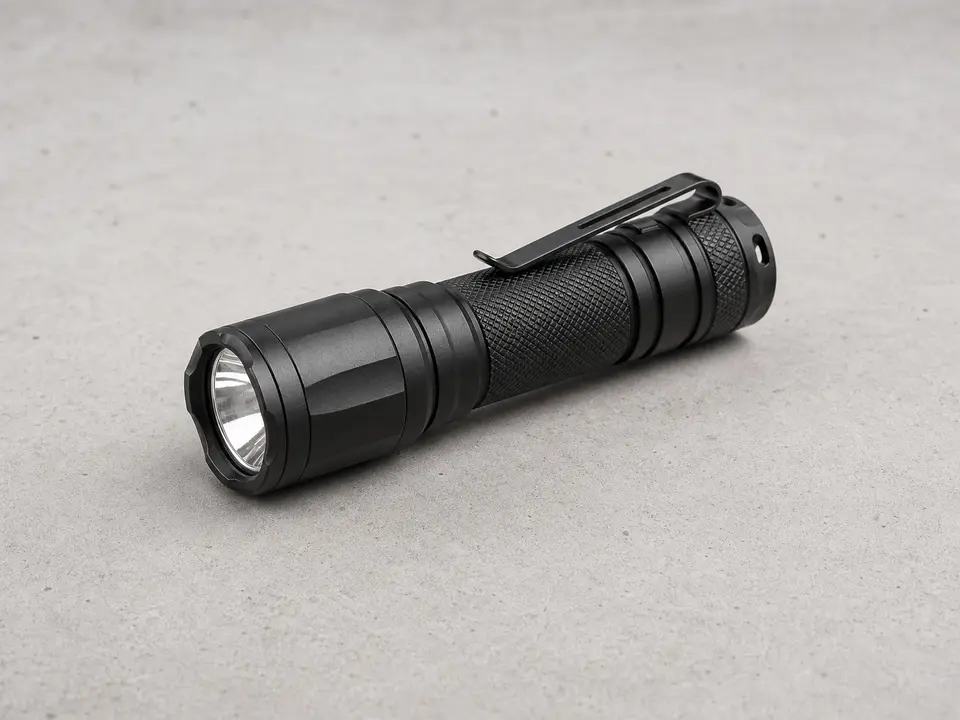
Use it for: To inspect the back side of the valve and pipe for seepage or corrosion.
Shop LED flashlightsAs an Amazon Associate I earn from qualifying purchases. Repair Riot may earn a commission at no extra cost to you.
If it works: You have confirmed the sink shutoff valve itself is leaking, seized, or failing to shut off water.
If it doesn’t: If the leak is coming from the faucet supply line nut, try tightening or replacing that line instead of replacing the valve.
If it doesn’t: If you see a small drip at a compression connection, gently tighten that connection a little more, dry it again, and recheck.
If it works: The new sink shutoff valve works normally, shuts water off, and stays dry during real use.
If it doesn’t: If the valve works but develops a slow drip later, dry the area, pinpoint the exact connection, and retighten slightly or replace the mismatched part if needed.
Match the connection type, outlet size, and valve orientation before ordering.
As an Amazon Associate I earn from qualifying purchases. Repair Riot may earn a commission at no extra cost to you.
If water is leaking from the valve body, around the handle stem, or the valve will not shut off fully, replace the valve. If the leak is only at the tube or braided hose connection, the supply line may be the real problem.
It is usually better to use the new hardware that comes with the replacement valve when the valve is designed for it. Reusing old compression parts can lead to poor sealing if they are worn or deformed.
Many compression valves leave the old nut and sleeve behind when the valve body comes off. A compression sleeve puller is the cleanest way to remove them without damaging the pipe.
Not on compression connections. Compression fittings seal at the ferrule, not the threads. Tape may be used on tapered threaded pipe connections if the valve and pipe actually use that style, but do not add it where it does not belong.
That usually points to a connection that is not fully seated or not tight enough, often at the outlet to the faucet supply line or at the compression inlet. Dry everything first so you can see exactly where the fresh drip starts.