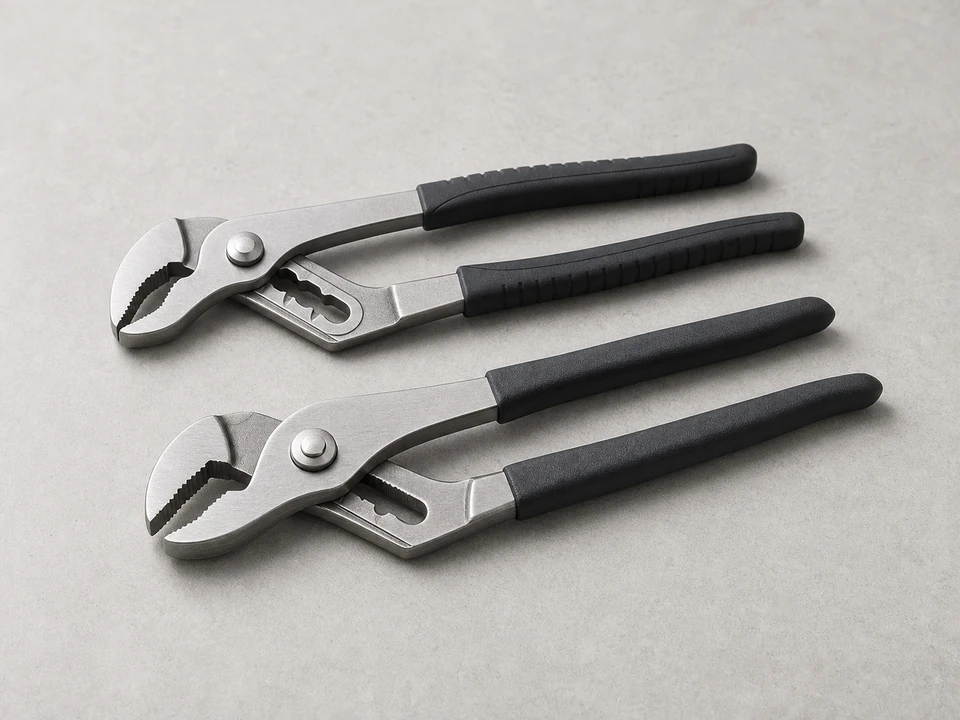
Channel lock pliers
Use it for: To loosen the large locknut and hold drain parts while you disconnect them.
Shop channel-lock pliersTo replace a sink strainer, disconnect the drain below the sink, remove the old locknut and strainer body, clean the sink opening, install the new strainer with fresh plumber's putty or the supplied seal, then reconnect the drain and test carefully for leaks.
A sink strainer usually needs replacement when it leaks around the drain opening, is badly corroded, or no longer seals well. This is a manageable homeowner repair if the sink and drain parts are still solid and you can reach the hardware underneath.
Before you start: Match the sink opening size, basket strainer size, flange finish, and tailpiece or drain connection style before ordering.
Use it for: To loosen the large locknut and hold drain parts while you disconnect them.
Shop channel-lock pliers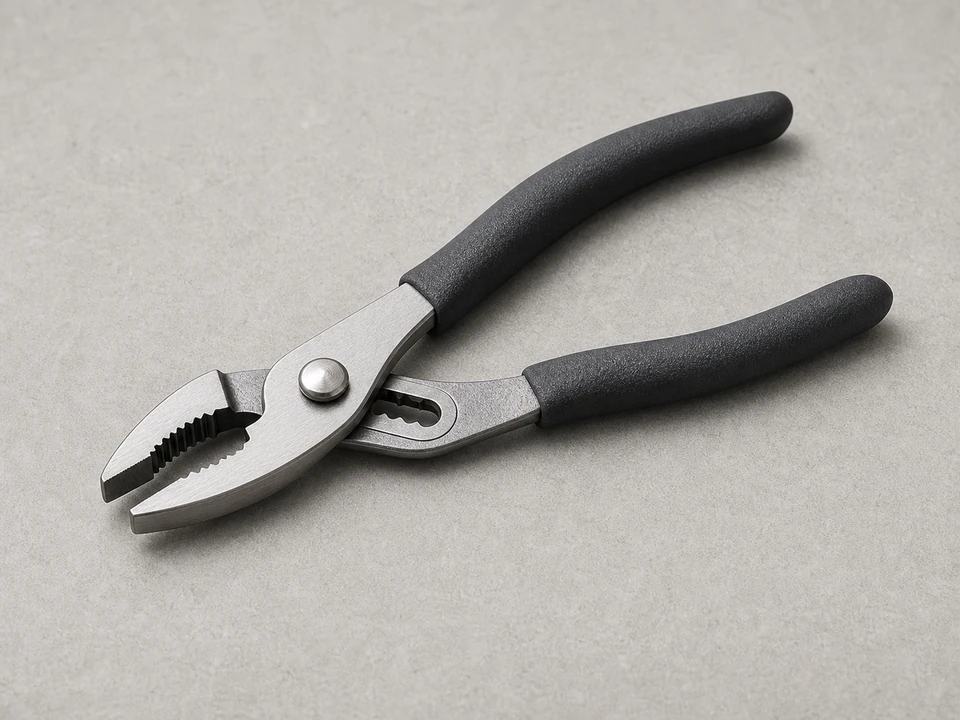
Use it for: To loosen slip nuts on the drain trap or tailpiece.
Shop slip-joint pliers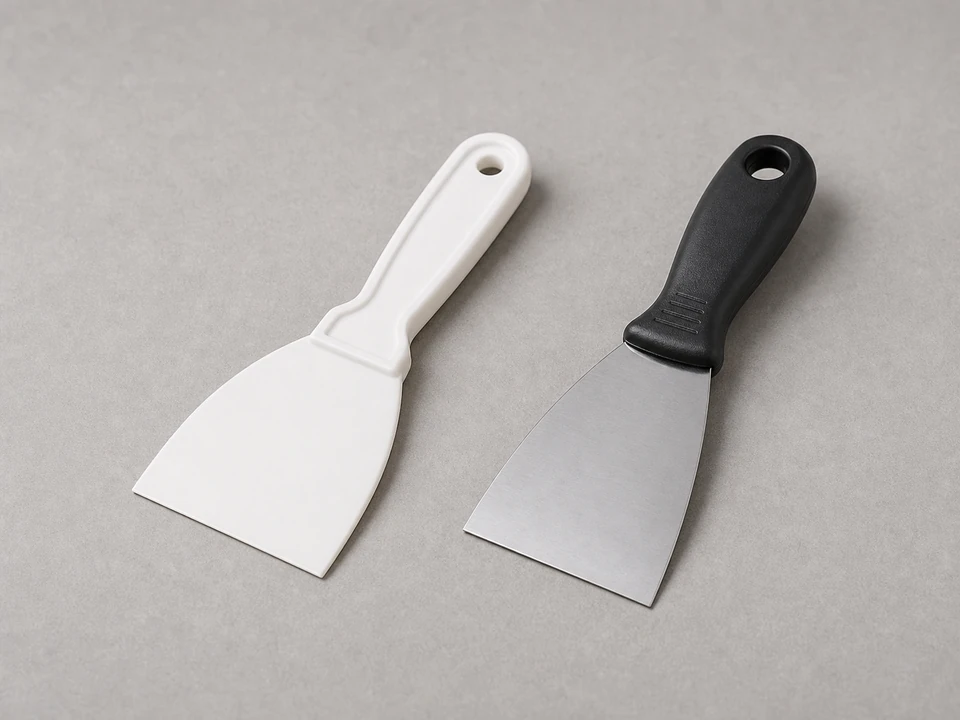
Use it for: To remove old plumber's putty and clean the sink opening without gouging it.
Shop a putty knife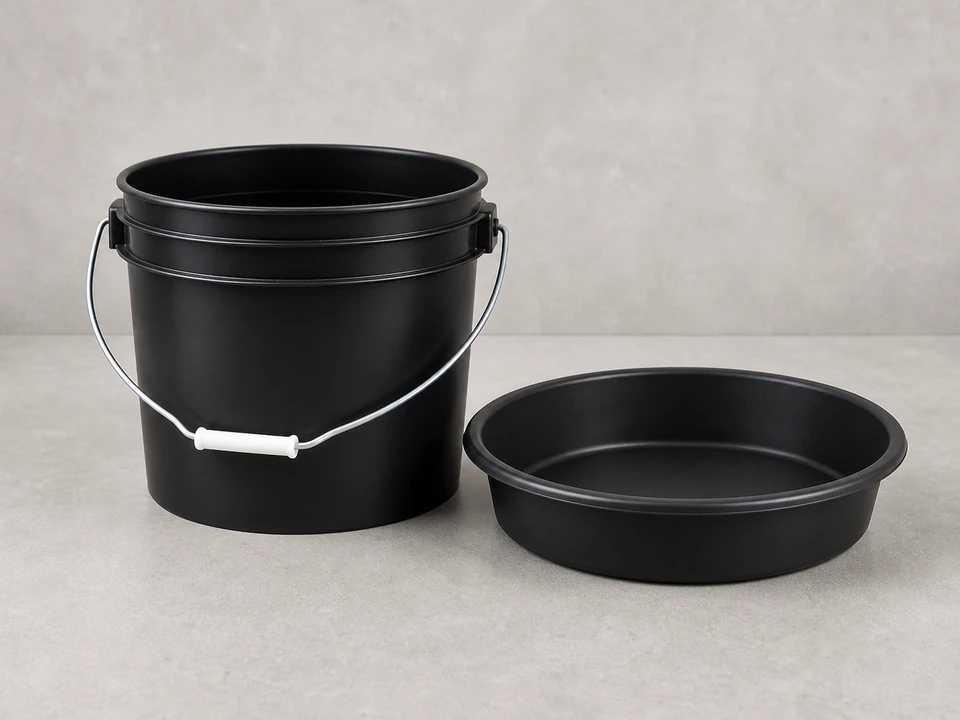
Use it for: To catch water left in the trap when you disconnect the drain.
Shop a drain catch pan
Use it for: To wipe away old sealant and dry the area before testing.
Shop cleaning rags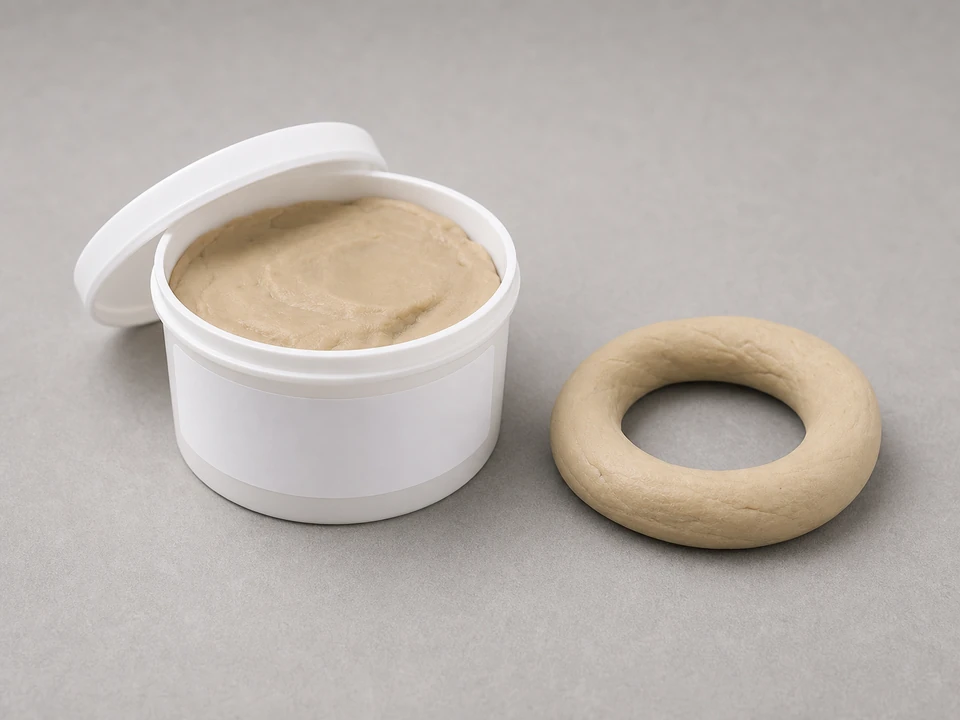
Use it for: To seal many sink strainer flanges to the sink surface unless the new strainer uses a different supplied gasket.
Shop plumber's puttyAs an Amazon Associate I earn from qualifying purchases. Repair Riot may earn a commission at no extra cost to you.
If it works: You confirmed the leak or damage is at the sink strainer itself, so replacement is the right repair.
If it doesn’t: If the leak is only at a slip nut, trap joint, or supply line, tighten or repair that connection instead of replacing the strainer.
If it doesn’t: If the pipes no longer line up, adjust the trap or tailpiece arrangement before tightening everything fully.
If it works: The sink drains normally and stays dry at the strainer and drain connections during both light flow and a full drain-down test.
If it doesn’t: If water still appears at the flange, remove and reseal the strainer. If the leak is lower down, replace the affected washer or reconnect that joint correctly.
Match the sink opening size, basket strainer size, flange finish, and tailpiece or drain connection style before ordering.
As an Amazon Associate I earn from qualifying purchases. Repair Riot may earn a commission at no extra cost to you.
Not always. Many sink strainers are sealed with plumber's putty, but some come with a specific gasket or seal and may call for that instead. Use the sealing method supplied or specified with the new strainer.
The usual causes are old putty left on the sink, a crooked flange, the wrong gasket order underneath, a loose locknut, or a strainer that does not match the sink opening or drain connection.
It is better to use the new hardware that comes with the replacement. Old gaskets flatten out and old nuts may be corroded or no longer tighten evenly.
Tight enough to seat the flange firmly and squeeze out excess sealant, but not so tight that you distort the sink, crack a part, or make the strainer body twist out of position.
Replace it if it is corroded, damaged, or does not fit the new strainer connection well. If the existing tailpiece is solid and lines up correctly, you can usually reuse it.