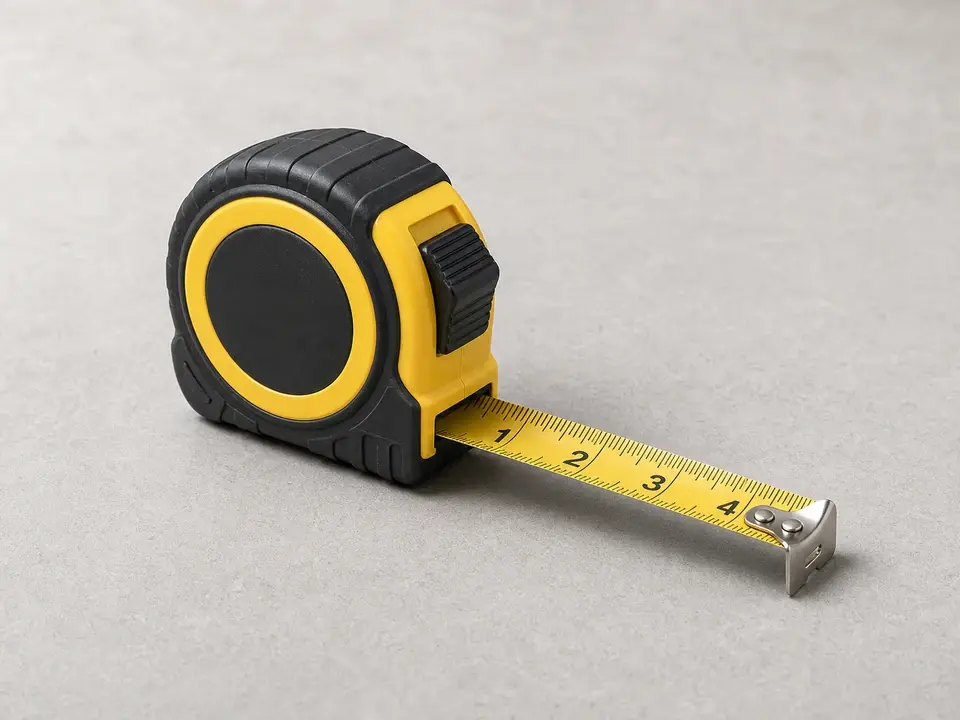
Tape measure
Use it for: To match the replacement part length, width, spacing, and mounting points.
Shop tape measuresIf one stair guard baluster or rail component is cracked, loose, bent, or pulling free while the rest of the guard is sound, you can usually replace that piece and restore the railing's strength.
Start by confirming the damage is limited to one component and not the post, wall connection, or stair framing. Then remove the failed piece, install a matching replacement, and test the guard so it feels firm under normal use.
Before you start: Match the replacement part to your exact stairs railing before ordering.
Use it for: To match the replacement part length, width, spacing, and mounting points.
Shop tape measures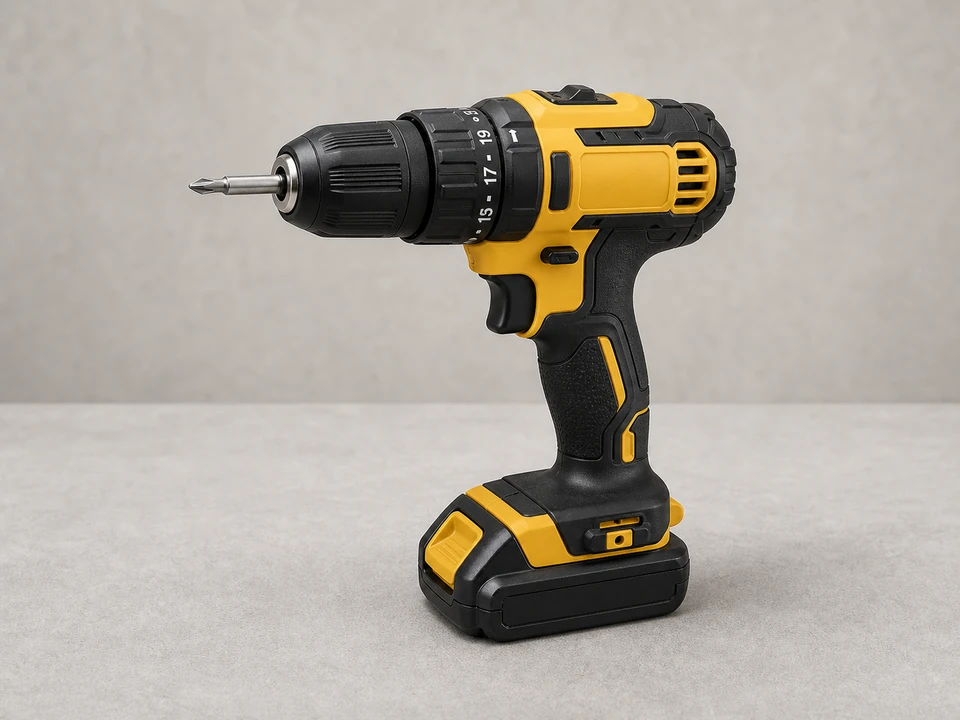
Use it for: To remove screws and fasten the new component securely.
Shop drill drivers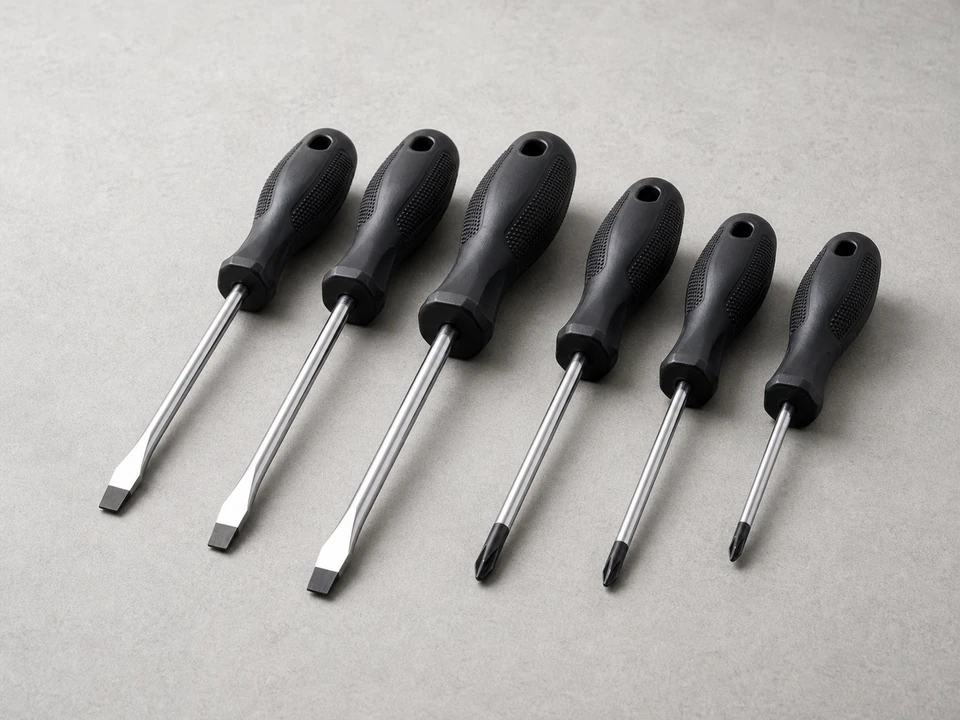
Use it for: To back out fasteners cleanly and make final hand-tight adjustments.
Shop screwdriver sets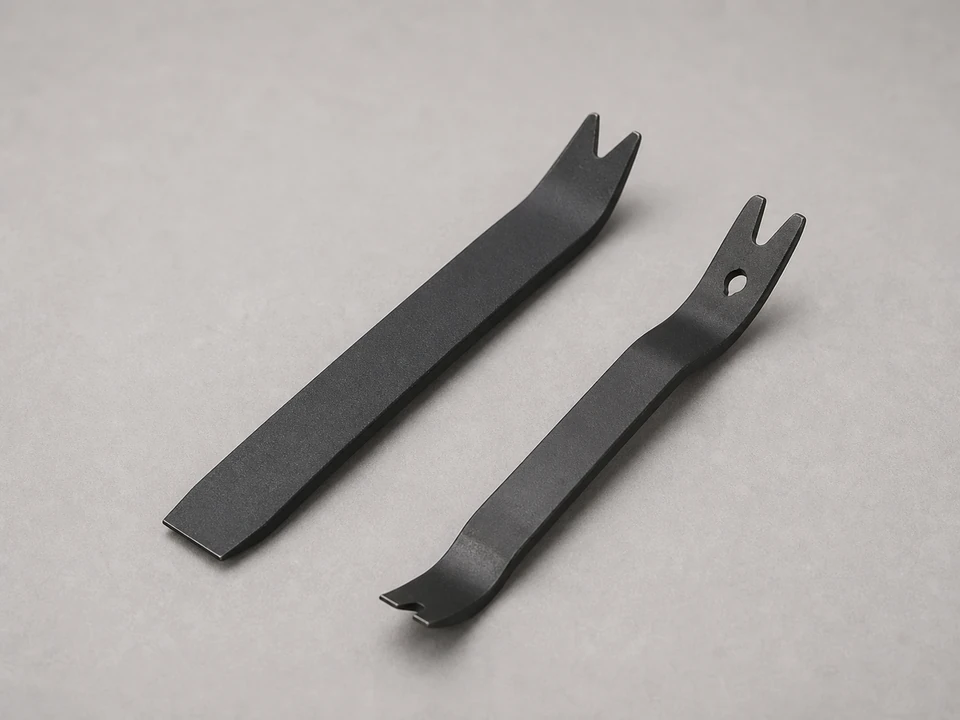
Use it for: To loosen a nailed or glued piece with less damage to nearby trim.
Shop trim pullers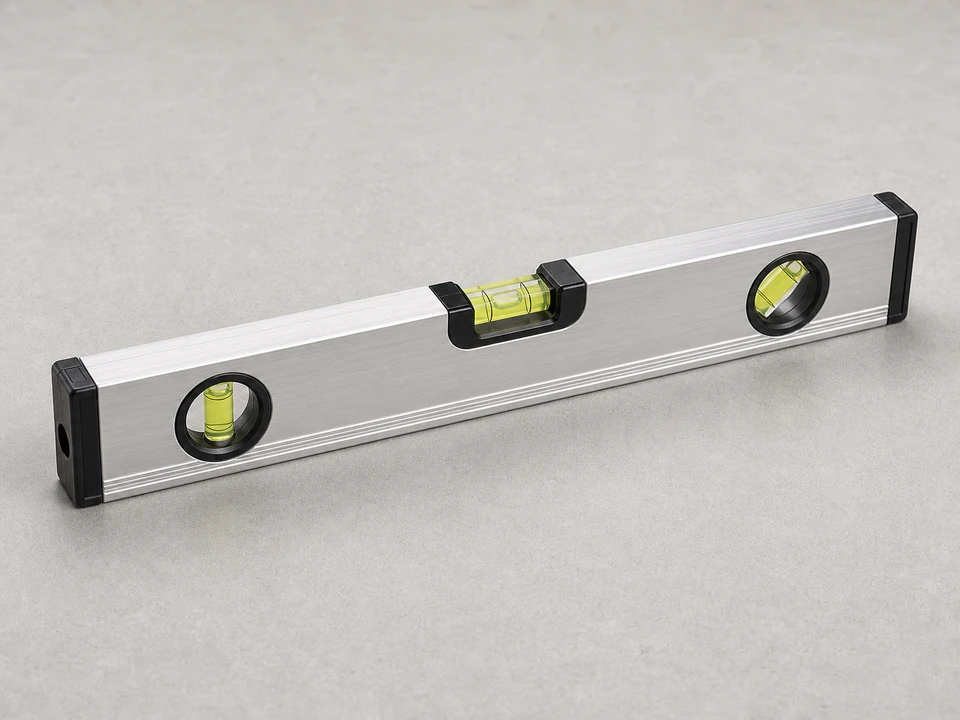
Use it for: To keep the replacement baluster or rail piece aligned before final fastening.
Shop levels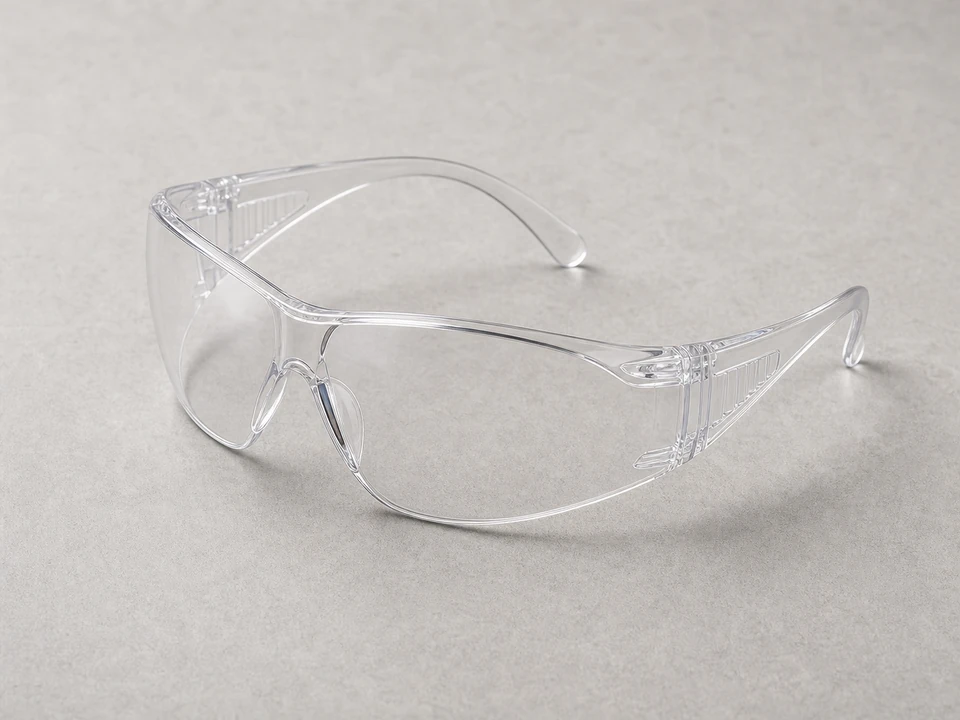
Use it for: To protect your eyes from wood chips, metal fragments, and old fasteners.
Shop safety glassesAs an Amazon Associate I earn from qualifying purchases. Repair Riot may earn a commission at no extra cost to you.
If it works: You have confirmed that one stair guard baluster or rail component is the failed part and the surrounding guard structure appears sound.
If it doesn’t: If the whole railing moves, the post is loose, or the wall or stair framing is shifting, this is likely a larger railing repair rather than a single-part replacement.
If it works: The work area is safe and you have a replacement part that matches the original closely enough to install properly.
If it doesn’t: If you cannot match the size, profile, or mounting style, remove the part only after you have enough measurements or a sample to shop from.
If it works: The failed baluster or rail piece is out and the surrounding railing parts remain intact and tight.
If it doesn’t: If the piece will not come free, look again for hidden screws, finish nails, pins, or brackets before applying more force.
If it works: The new component fits the opening cleanly and lines up with the rest of the stair guard before final fastening.
If it doesn’t: If the fit is close but not exact, recheck your measurements and attachment points before trimming, drilling new holes, or forcing the part into place.
If it works: The replacement stair guard baluster or rail component is firmly attached, aligned with the rest of the railing, and free of obvious movement.
If it doesn’t: If the part still shifts, remove the fastener and correct the hole alignment, fastener length, or mounting surface before tightening again.
If it works: The railing feels solid in normal use and the repaired section stays tight after repeated pressure.
If it doesn’t: If the repaired area still moves, remove the load and inspect the nearby post, rail connection, and mounting surface for a larger failure path.
Match the replacement part to your exact stairs railing before ordering.
As an Amazon Associate I earn from qualifying purchases. Repair Riot may earn a commission at no extra cost to you.
Yes, if the damage is limited to one baluster or rail piece and the posts, main rail, and mounting surfaces are still solid. If the whole section moves, the repair is usually larger than a single-part swap.
Match the structural fit first: length, width, thickness, end angle, and attachment style. For visible areas, bring the old piece or clear measurements when shopping so the replacement blends in as closely as possible.
Only if they are straight, not rusted, and still the correct length and diameter. Worn or corroded fasteners are a common reason a railing repair loosens again.
Usually the main strength should come from proper mechanical fastening. Adhesive may help in some assemblies, but it should not be the only thing holding a stair guard component in place.
Call for help if a post is loose, the railing pulls away from framing, the wood is rotten, the metal is badly corroded, or the repaired section still moves after you replace the damaged component.