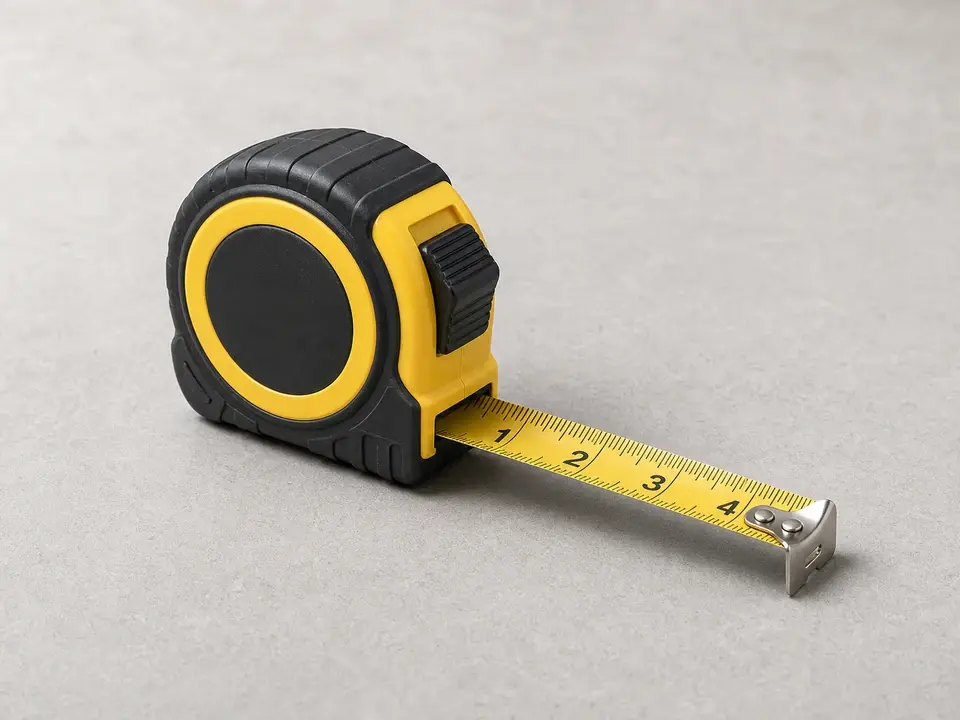
Tape measure
Use it for: To match the replacement part length, width, and spacing to the original.
Shop tape measuresTo replace a stair railing baluster or handrail component, first confirm the damage is limited to that piece, remove the old fasteners carefully, match the new part to the original size and shape, install it solidly, and then test the railing under normal hand pressure.
This is a manageable repair when the surrounding railing is still sound. The goal is not just to swap a part, but to restore a railing that feels firm and safe in real use.
Before you start: Match the replacement part to your exact stairs railing before ordering.
Use it for: To match the replacement part length, width, and spacing to the original.
Shop tape measures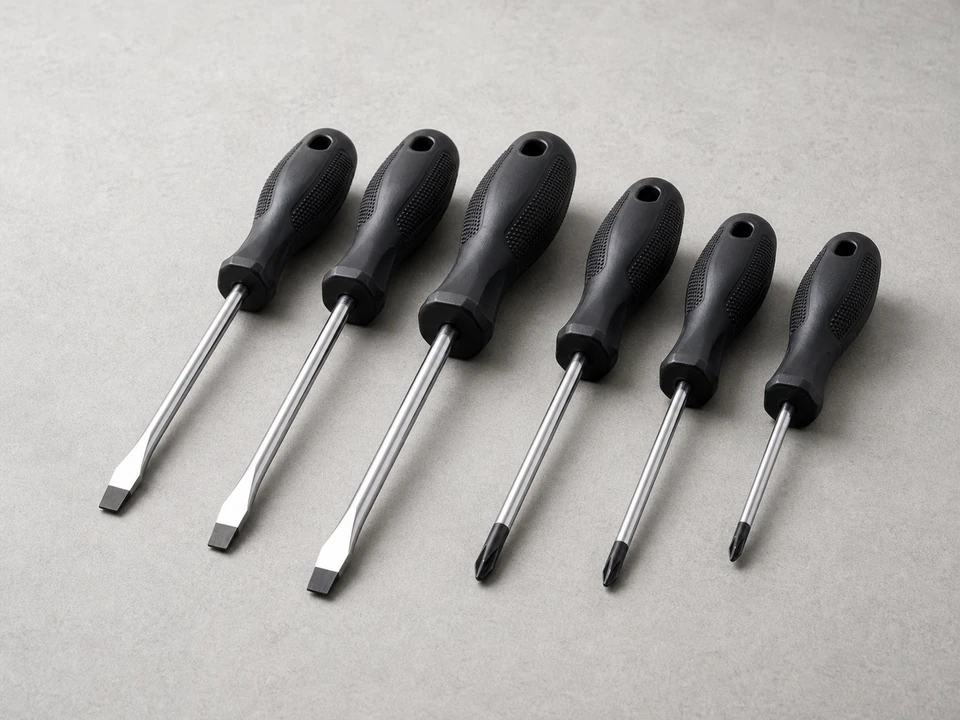
Use it for: To remove and reinstall screws on brackets, shoes, or rail connections.
Shop screwdriver sets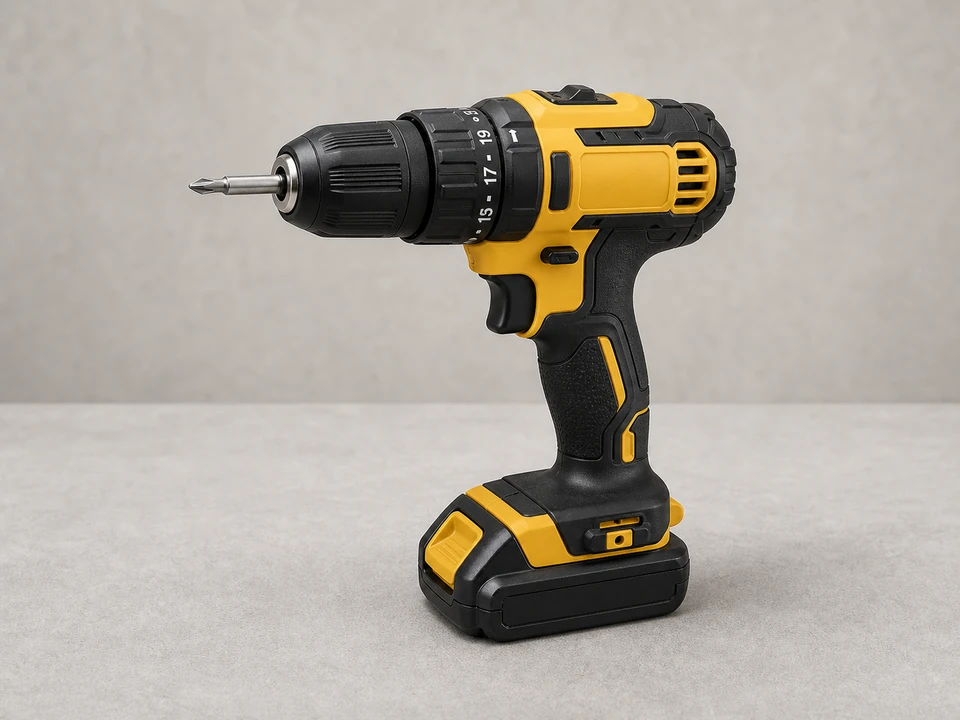
Use it for: To back out stubborn screws and drive new fasteners cleanly.
Shop drill drivers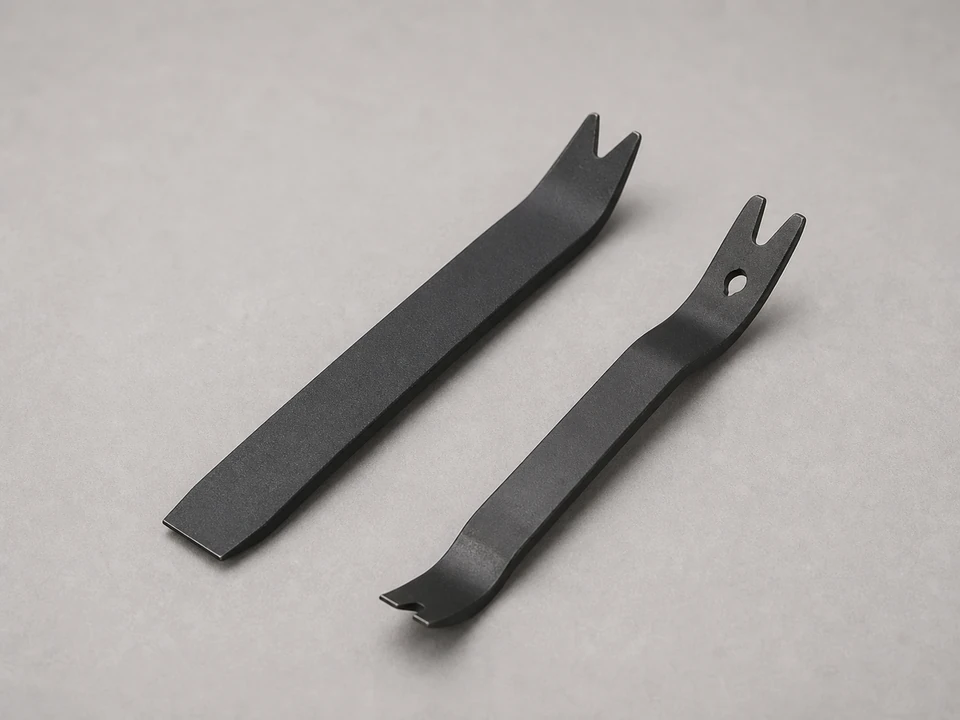
Use it for: To loosen trim, plugs, or nailed parts with less damage to surrounding wood.
Shop trim pullers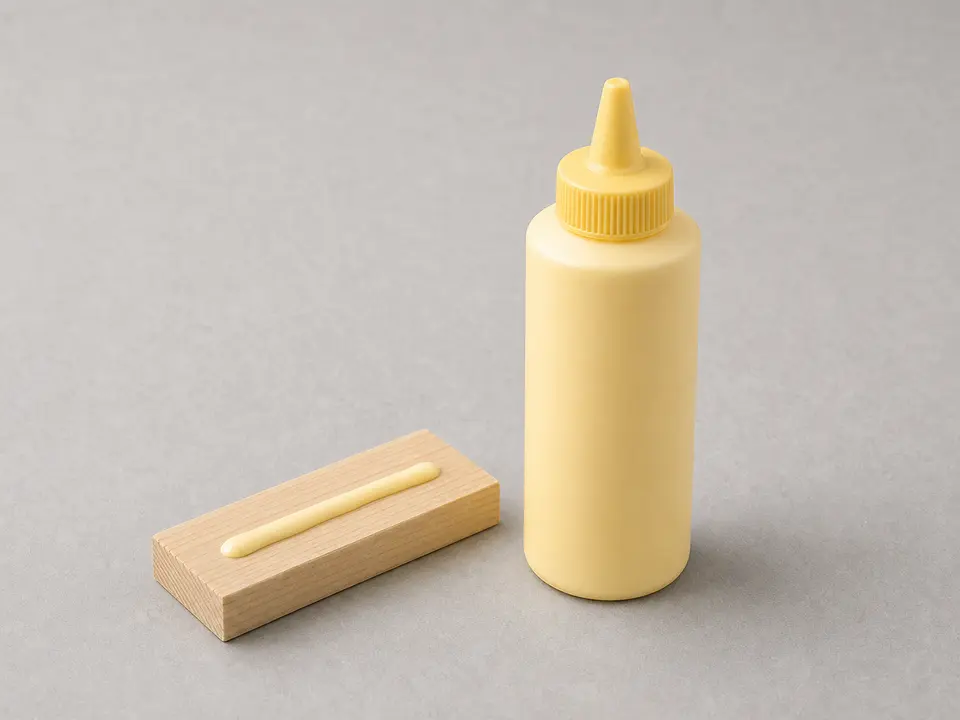
Use it for: To help secure some wood railing parts where the original joint used adhesive.
Shop wood glue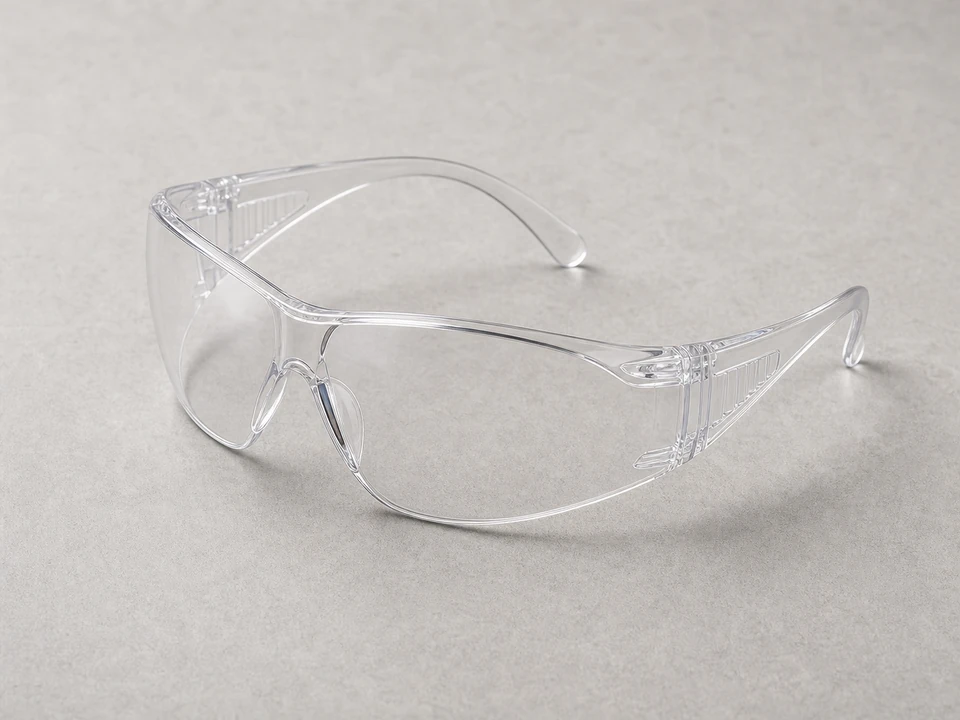
Use it for: To protect your eyes from wood chips, metal fragments, and dust during removal.
Shop safety glassesAs an Amazon Associate I earn from qualifying purchases. Repair Riot may earn a commission at no extra cost to you.
If it works: You have confirmed the failure is centered on one stair railing baluster or handrail component and the surrounding railing appears stable enough for a part replacement.
If it doesn’t: If several parts move together, the rail pulls away from the wall or post, or the post itself is loose, diagnose the larger railing problem before replacing this part.
If it works: The damaged component is out without causing new damage to the surrounding railing.
If it doesn’t: If fasteners are buried or the part will not release, remove trim or plugs a little at a time and work from both ends instead of forcing it.
If it works: The replacement part matches the original closely and fits the opening or connection points before final fastening.
If it doesn’t: If the new part is clearly the wrong size, profile, or connection style, pause and exchange it for a closer match rather than forcing the fit.
If it works: The new stair railing baluster or handrail component is installed straight, secure, and aligned with the rest of the railing.
If it doesn’t: If a screw spins without tightening, move to a fresh pilot hole where the material is solid or repair the stripped hole before continuing.
If it works: The repaired section looks consistent with the rest of the railing and is ready for final testing.
If it doesn’t: If the part still shifts or sits unevenly, loosen it, realign it, and refasten before the adhesive fully cures.
If it works: The railing stays solid in normal use, the new part does not move, and the repair is holding.
If it doesn’t: If the repaired section loosens again, the root problem is likely stripped mounting material, hidden damage, or a larger railing failure that needs a more involved repair.
Match the replacement part to your exact stairs railing before ordering.
As an Amazon Associate I earn from qualifying purchases. Repair Riot may earn a commission at no extra cost to you.
Yes, if the surrounding handrail, post, and nearby connections are still solid. If multiple parts are loose or the post moves, replacing one piece alone usually will not solve the real problem.
Sometimes. Many wood railing parts rely mainly on mechanical fasteners, while some joints also use glue. If the original joint had adhesive and the surrounding material is sound, a small amount can help. Do not use glue as a substitute for a connection that no longer has solid material to hold fasteners.
A close visual match may be fine for some trim pieces, but the replacement still needs to fit the connection points correctly and keep the railing aligned and secure. If it changes spacing, angle, or stability, it is the wrong part.
If the handrail moves along a longer section, the post is loose, several balusters are loose, or screws will not tighten into solid material, the failure is likely in the mounting structure or a larger section of the railing.
You can if they are straight, not rusted, and still bite firmly. If the heads are damaged or the threads no longer hold well, replace them with matching fasteners sized for the same connection.