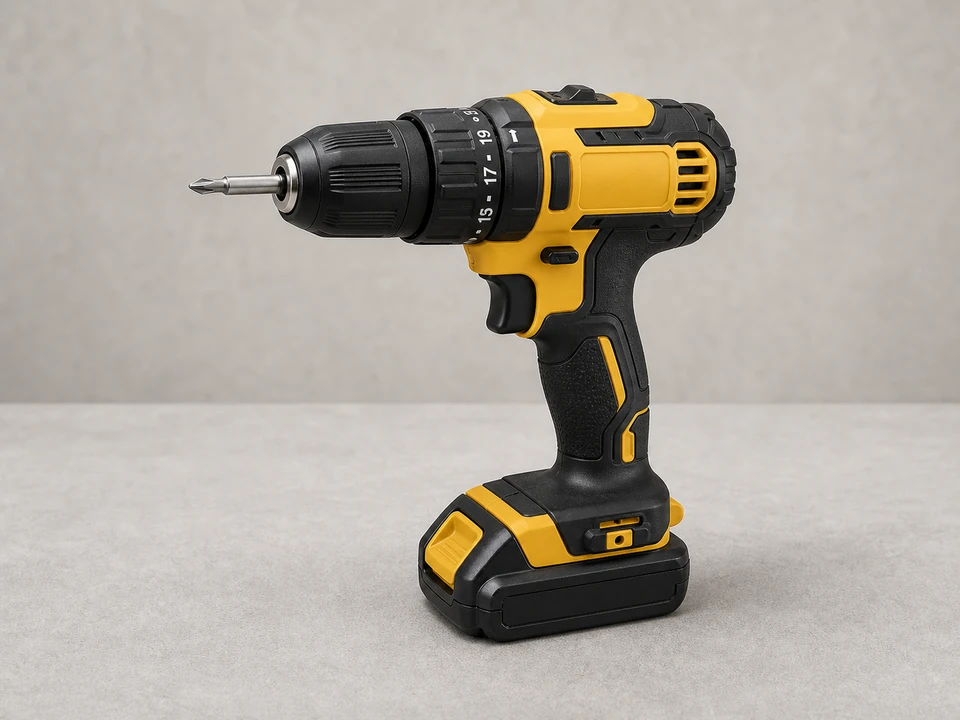
Drill/driver
Use it for: To remove old screws and drive new fasteners into the post and mounting point.
Shop drill/driversTo replace a stair railing post, first confirm the post itself is loose, split, rotted, or bent rather than the rail connection alone. Then remove the rail fasteners, take out the old post, install a matching replacement with solid fastening at the base, reconnect the rail, and test the railing for movement.
A stair railing post carries load every time someone grabs the rail. If the post is cracked, rotted, badly loosened, or pulled out of position, patching around it usually does not last. Replacing the post is the better fix when the structure around it is still sound.
Before you start: Match the post height, cross section, mounting method, rail connection height, and fastener layout before ordering.
Use it for: To remove old screws and drive new fasteners into the post and mounting point.
Shop drill/drivers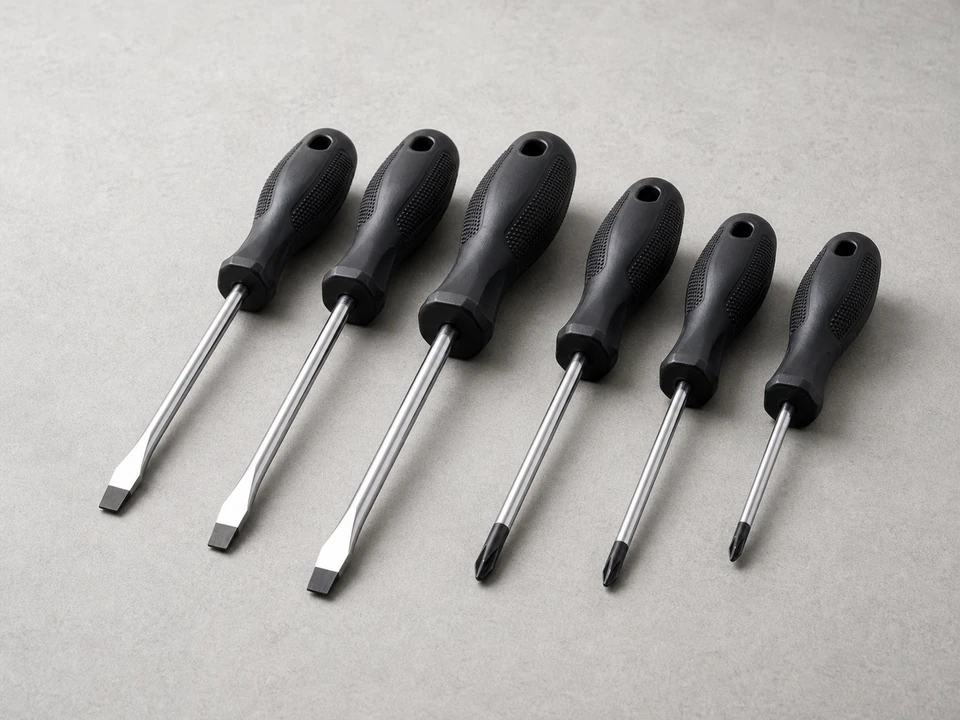
Use it for: To back out rail brackets or trim screws without stripping them.
Shop screwdriver sets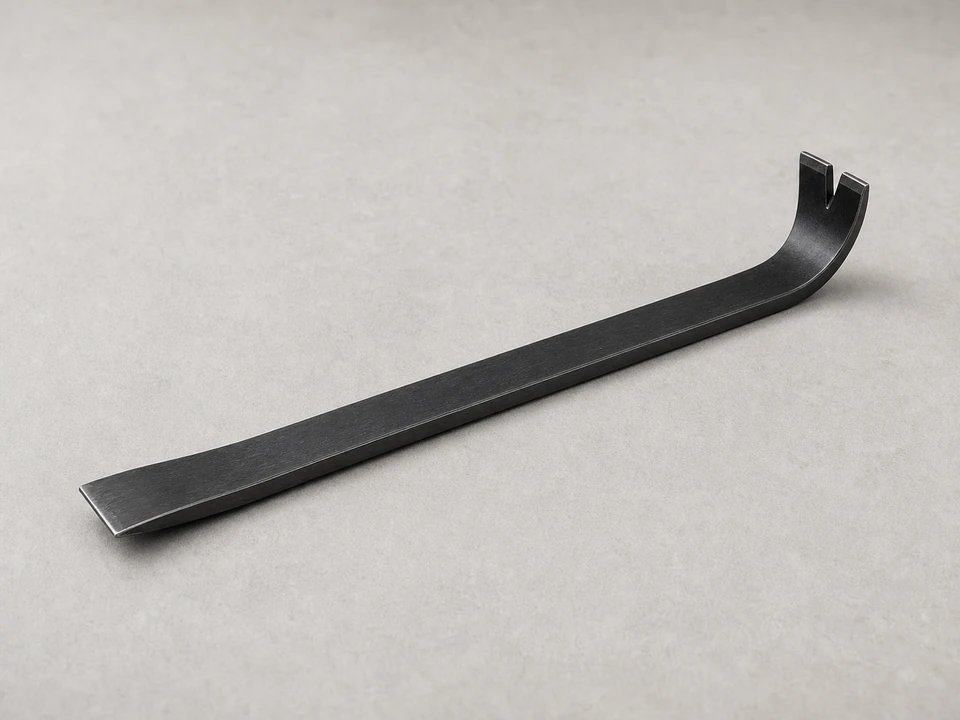
Use it for: To gently separate trim, plugs, or the old post without tearing up nearby wood.
Shop pry bars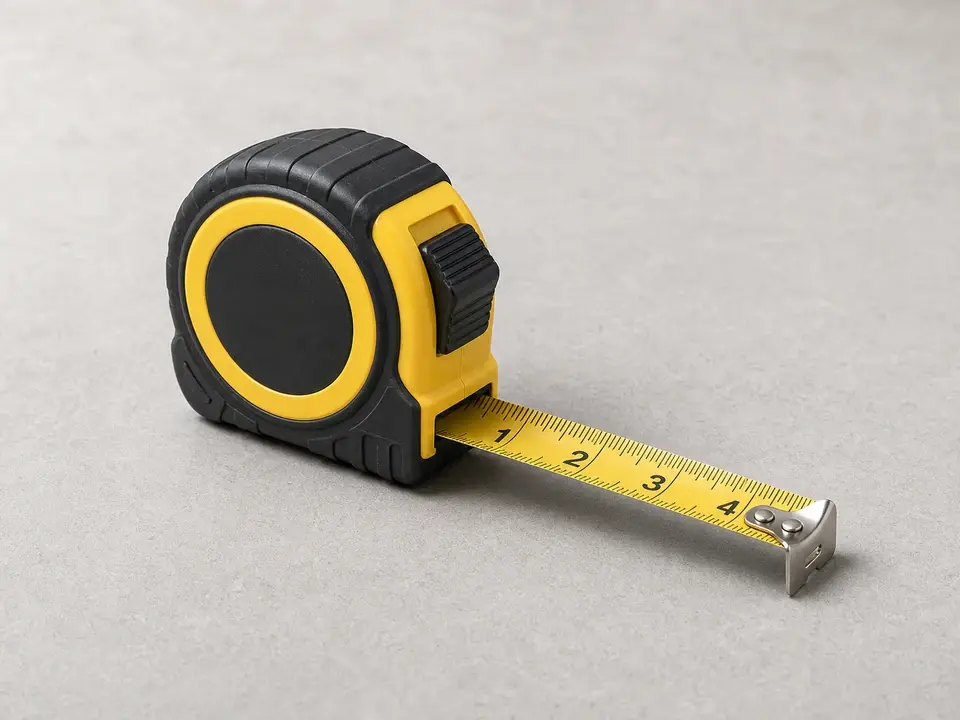
Use it for: To match the replacement post height, width, and rail connection location.
Shop tape measures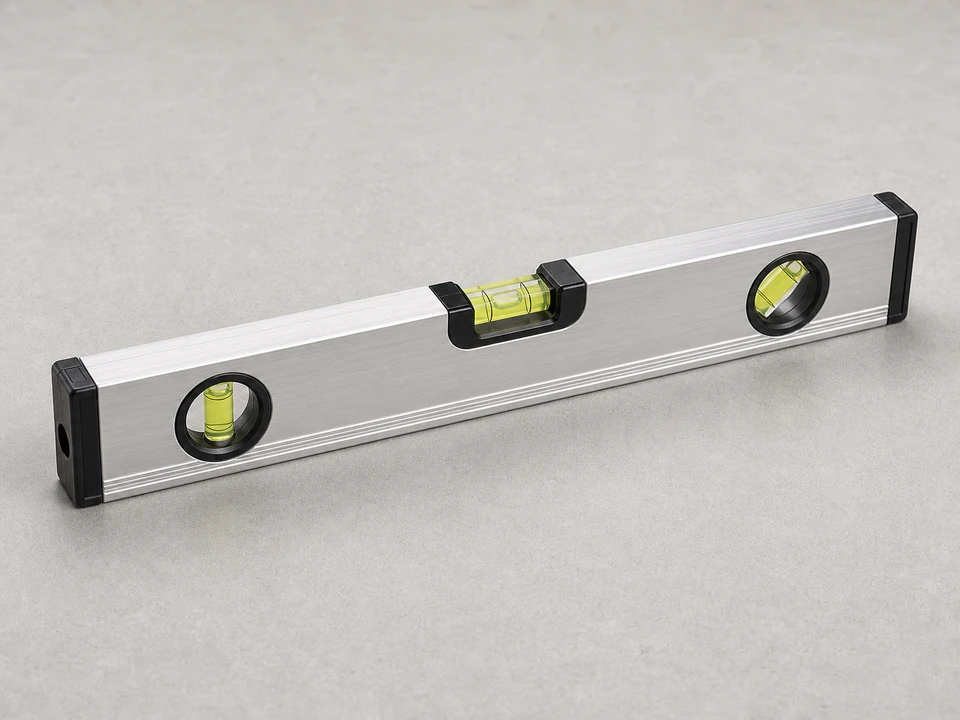
Use it for: To set the new post plumb before tightening fasteners.
Shop levels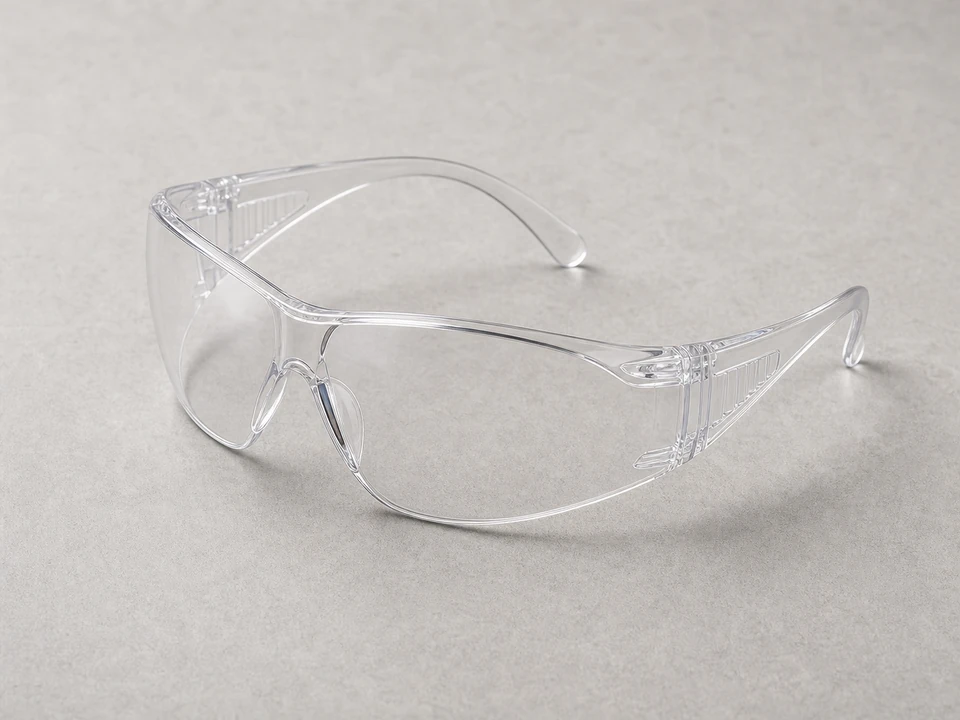
Use it for: To protect your eyes while removing fasteners and cutting or prying wood.
Shop safety glassesAs an Amazon Associate I earn from qualifying purchases. Repair Riot may earn a commission at no extra cost to you.
If it works: You have confirmed the stair railing post itself is damaged or no longer fastening securely, and the replacement is a reasonable match.
If it doesn’t: If the post is solid and the movement is only at a bracket or rail joint, tighten or repair that connection instead of replacing the whole post.
If it doesn’t: If the rail pulls the post out of plumb, loosen the fasteners, realign the post, and retighten in stages.
If it works: The railing feels solid in real use, the post stays plumb, and the repair holds without movement at the base or rail connection.
If it doesn’t: If there is still movement, retighten the connections and recheck whether the looseness is actually coming from adjacent rails, balusters, or the stair framing.
Match the post height, cross section, mounting method, rail connection height, and fastener layout before ordering.
As an Amazon Associate I earn from qualifying purchases. Repair Riot may earn a commission at no extra cost to you.
Sometimes, yes, if the post is still sound and the problem is only loose hardware. If the post is split, rotted, bent, or no longer holds fasteners tightly, replacement is the better long-term fix.
Match the overall height, cross-section, mounting method, rail connection height, and visible fastener layout. A post that is close but not truly compatible can throw off the rail angle and make the repair harder than it needs to be.
Not usually. If the rail is straight, solid, and its connection points are intact, you can often reuse it with the new post. Replace the rail only if it is cracked, warped, or damaged where it attaches.
That usually means the problem is in the mounting surface or nearby framing, not the post itself. Recheck the base area for stripped fastener holes, split wood, or movement in the stair or landing structure.
Yes, if the rest of the railing system is solid and the new post matches well enough to reconnect the rail cleanly. If several posts are loose or the whole railing shifts, plan on a larger repair.