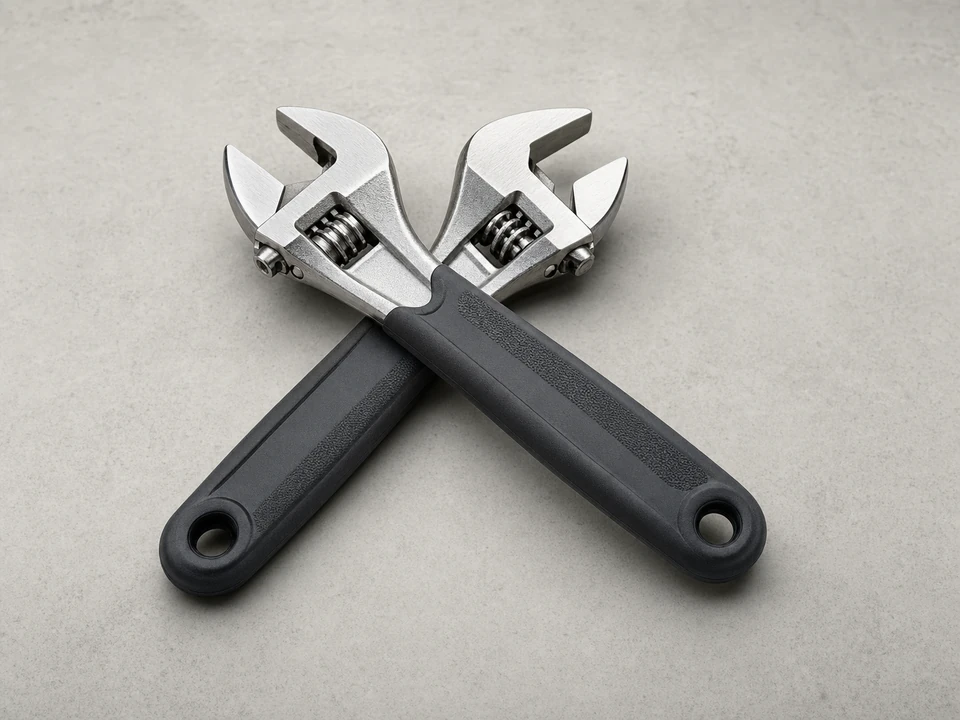
Adjustable wrench
Use it for: To loosen and tighten compression nuts and supply line connections.
Shop adjustable wrenchesTo replace a straight stop shutoff valve, first confirm the valve itself is the problem, shut off the home's water supply, remove the old valve, install the matching replacement, then restore water and check for leaks and proper shutoff.
This is a manageable repair if the valve is exposed and the pipe is in good shape. The key is matching the new valve to the existing pipe connection and outlet so you do not create a bigger leak while trying to fix a small one.
Before you start: Match the pipe connection type, outlet size, and shutoff orientation before ordering.
Use it for: To loosen and tighten compression nuts and supply line connections.
Shop adjustable wrenches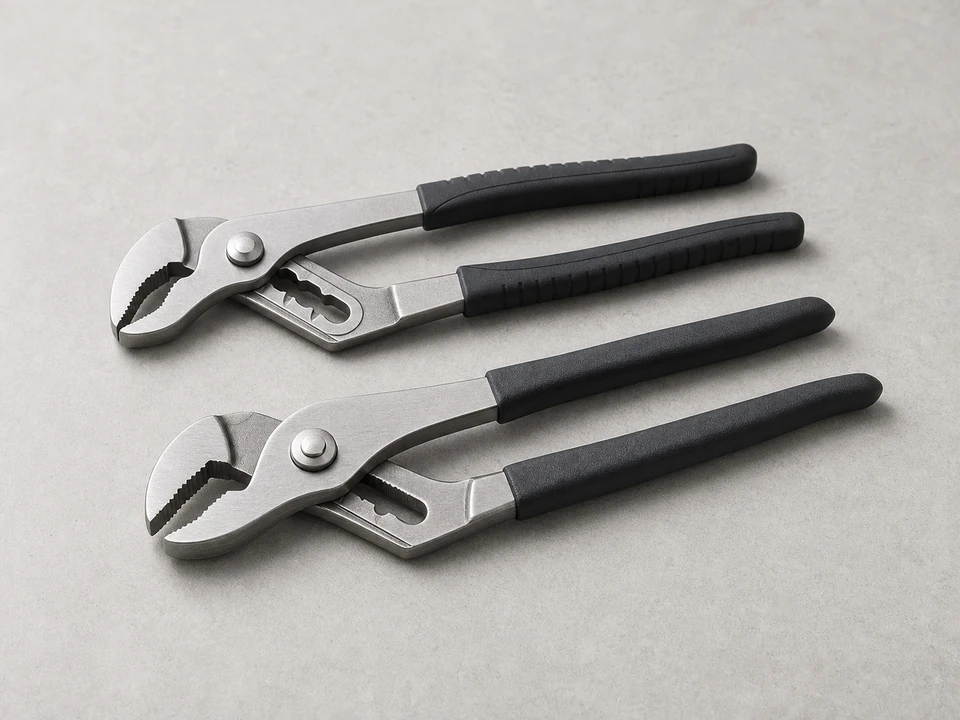
Use it for: To hold the valve body or back up the pipe while you loosen fittings.
Shop tongue-and-groove pliers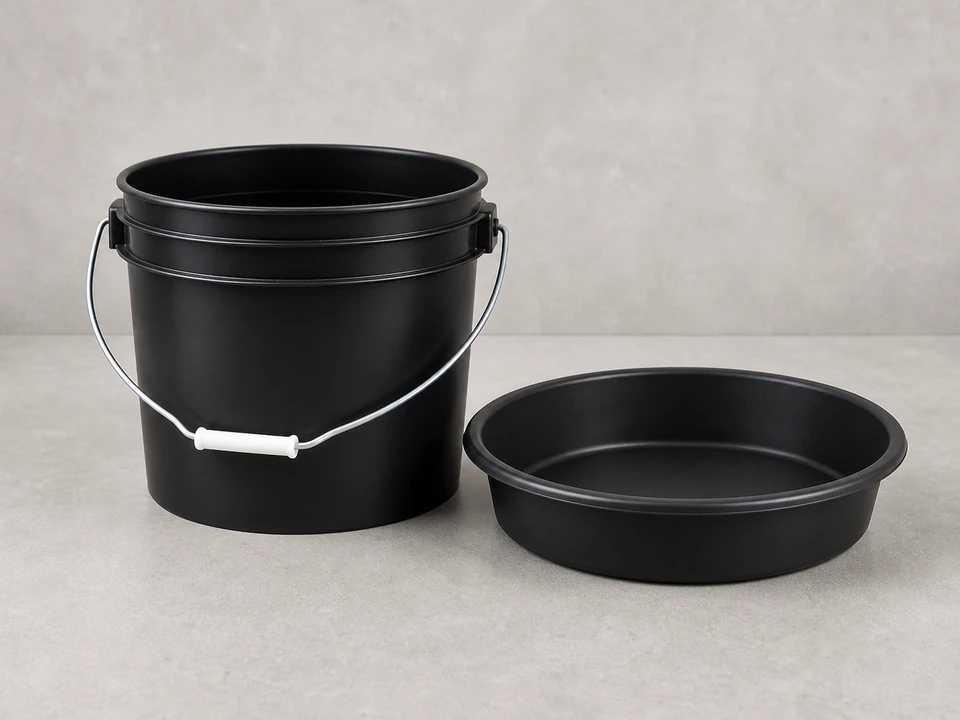
Use it for: To catch water left in the line when the old valve comes off.
Find a drain pan or bucket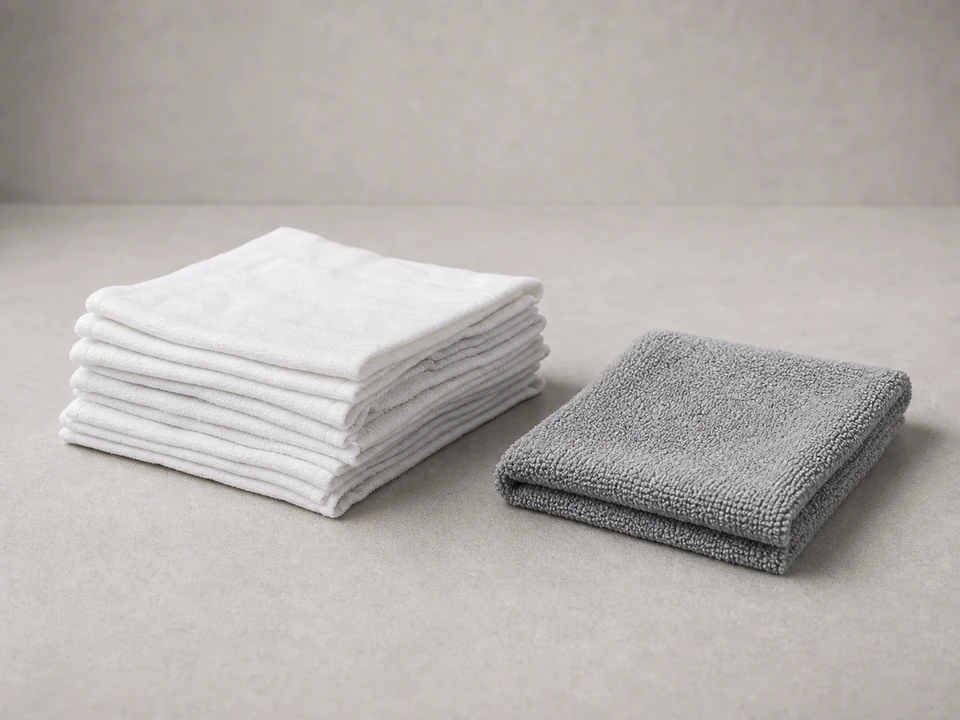
Use it for: To protect the cabinet or floor and wipe fittings dry for leak checks.
Shop absorbent shop towels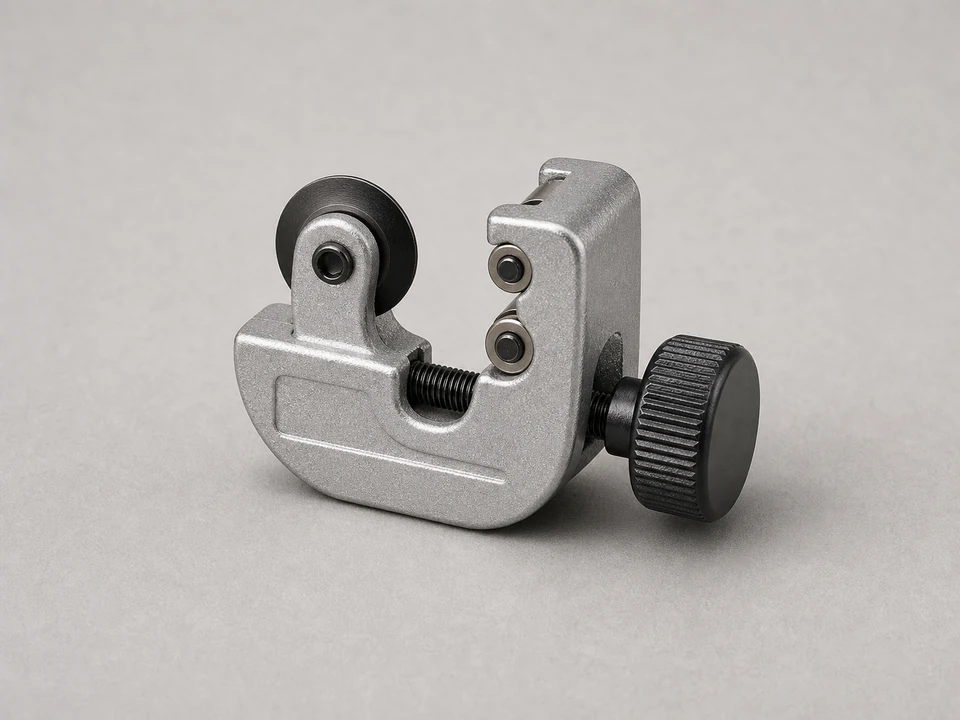
Use it for: To make a clean cut if the old valve or compression sleeve cannot be removed cleanly.
Find a small tubing cutter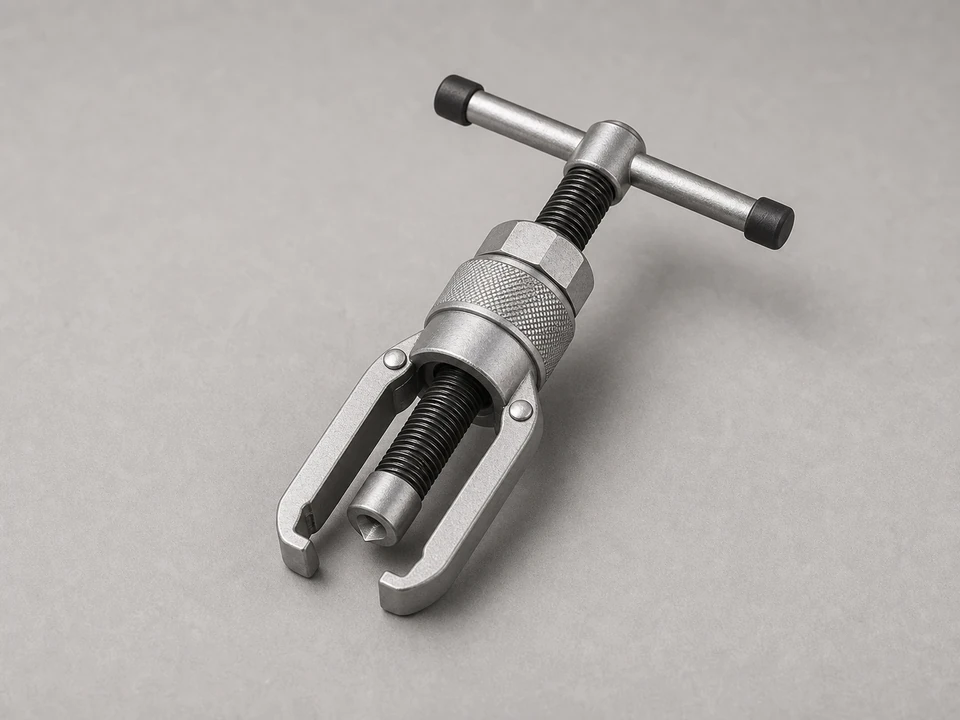
Use it for: To remove an old compression ferrule without damaging the pipe when applicable.
Shop compression sleeve pullersAs an Amazon Associate I earn from qualifying purchases. Repair Riot may earn a commission at no extra cost to you.
If it works: You confirmed the straight stop shutoff valve is leaking, seized, or not shutting off, and you know what replacement style to buy.
If it doesn’t: If the leak is coming from the supply tube or the fixture connection instead, fix that part first before replacing the valve.
If it works: The line is depressurized, the work area is protected, and the supply line is out of the way.
If it doesn’t: If water keeps running steadily after the main shutoff is closed, the main shutoff may not be holding and this repair should wait until that is addressed.
If it works: The old valve is off and you have a clean, solid pipe end ready for the new valve.
If it doesn’t: If the old ferrule is stuck and the pipe is too short to cut back, you may need a plumber to avoid damaging the stub-out in the wall.
If it works: The new valve is installed squarely, supported properly, and lined up with the supply line.
If it doesn’t: If the valve will not seat fully or the supply line no longer reaches cleanly, stop and correct the fit before turning the water back on.
If it works: Water is back on, the fixture runs normally, and the new valve stays dry under pressure.
If it doesn’t: If you see a small drip at a compression connection, try a slight additional tightening while supporting the valve body. Then dry it again and recheck.
If it works: The new straight stop shutoff valve operates smoothly, shuts off the fixture, and stays dry during normal use.
If it doesn’t: If the valve works but still seeps, the connection may need to be remade with the correct matching parts rather than tightened further.
Match the pipe connection type, outlet size, and shutoff orientation before ordering.
As an Amazon Associate I earn from qualifying purchases. Repair Riot may earn a commission at no extra cost to you.
A straight stop has the inlet and outlet in a straight line. It is usually used when the pipe comes out of the floor or straight out from the wall toward the fixture. An angle stop turns the outlet 90 degrees.
Sometimes, yes, if the new valve is designed to work with them and they are in good shape. If they are damaged, mismatched, or do not let the new valve seat properly, replace them.
Not on a standard compression connection. Compression fittings seal by the ferrule and mating surfaces, not by thread tape. Follow the sealing method that matches the valve connection type.
A drip usually means the connection is not seated correctly, the ferrule or pipe is damaged, or the replacement valve does not match the existing connection. More tightening is not always the fix and can make the leak worse.
Sometimes a stem packing issue can be repaired, but if the valve will not shut off, is badly corroded, or leaks from the body, replacing the whole straight stop shutoff valve is usually the more reliable repair.