
Work gloves
Use it for: Protects your hands while working in the pit and around clamps, brackets, and dirty water.
Shop work glovesIf the battery backup pump has power and a charged battery but does not turn on when the water rises, the float switch may have failed or become stuck. Replacing the float switch usually means disconnecting power, removing the old switch from the discharge pipe or bracket, installing the matching replacement, and testing the backup pump with water.
This is a moderate repair because you are working around water, wiring, and a pump system that may start unexpectedly. Take your time, keep the pit area dry enough to work safely, and replace the switch with one that matches your backup system.
Before you start: Match the switch style, connector type, control compatibility, and lead length before ordering.
Use it for: Protects your hands while working in the pit and around clamps, brackets, and dirty water.
Shop work gloves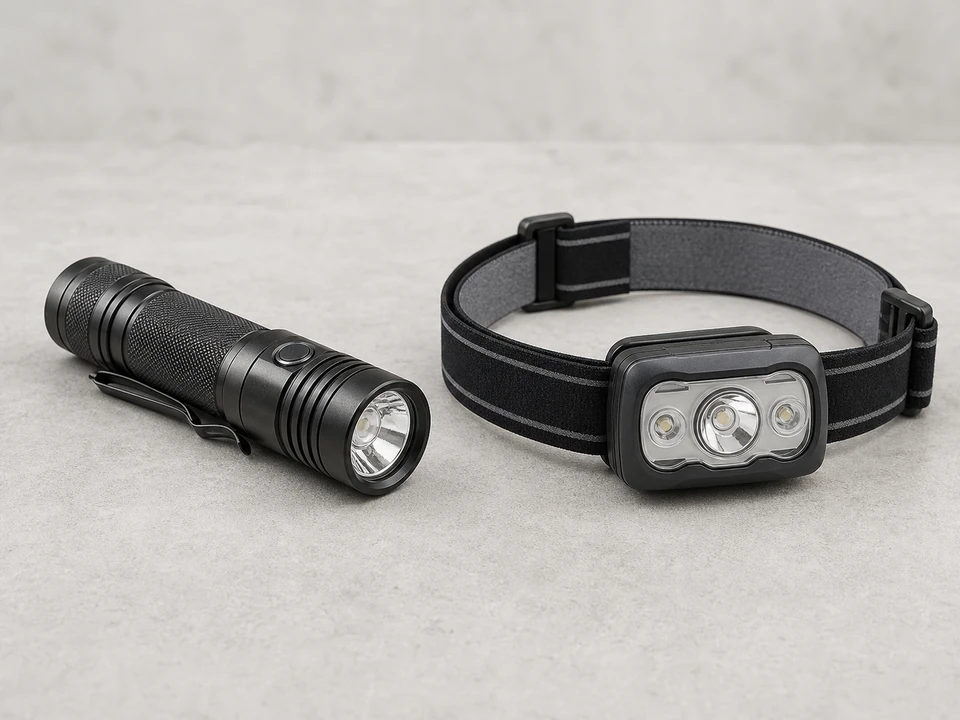
Use it for: Helps you see the switch mount, wiring path, and water level inside the sump pit.
Shop flashlights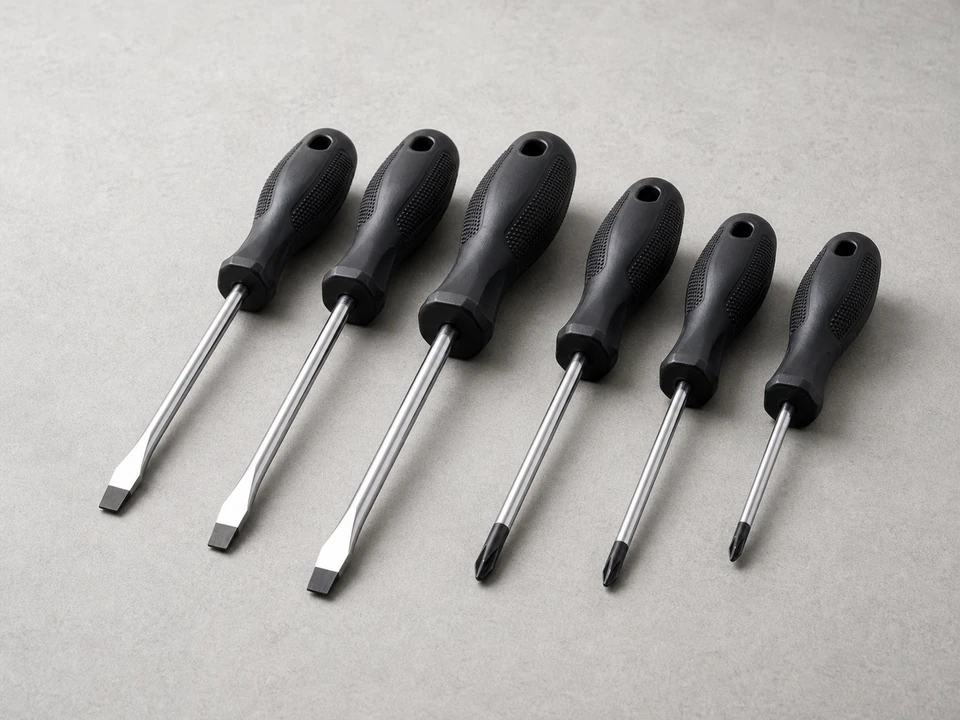
Use it for: Used for hose clamps, switch brackets, or access covers depending on your setup.
Shop screwdriver sets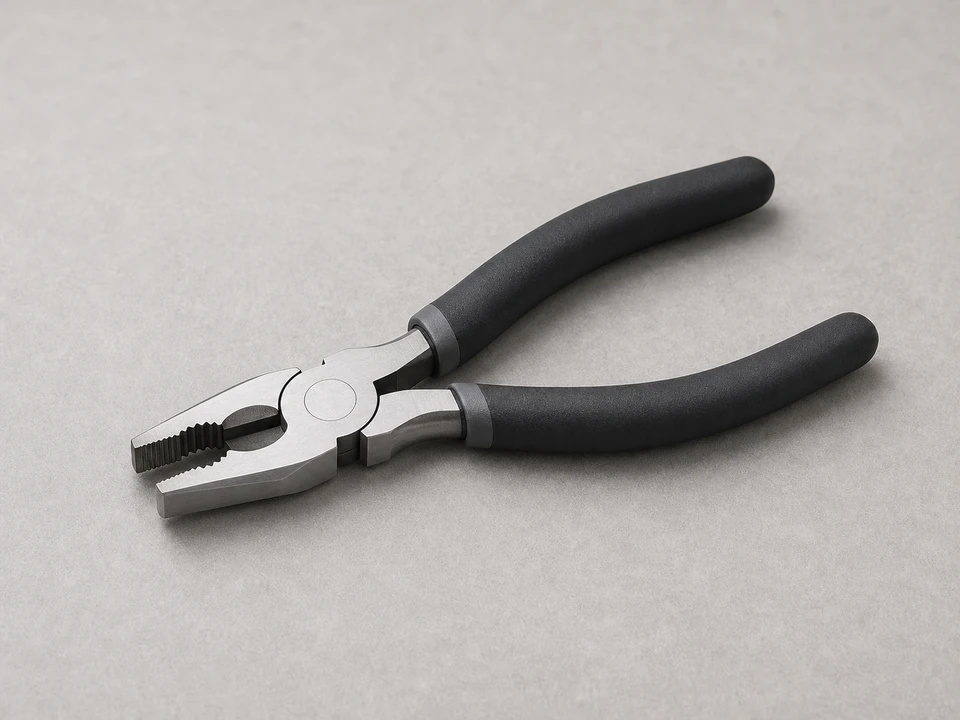
Use it for: Helps remove clips, tighten small hardware, and guide the new switch into place.
Shop pliers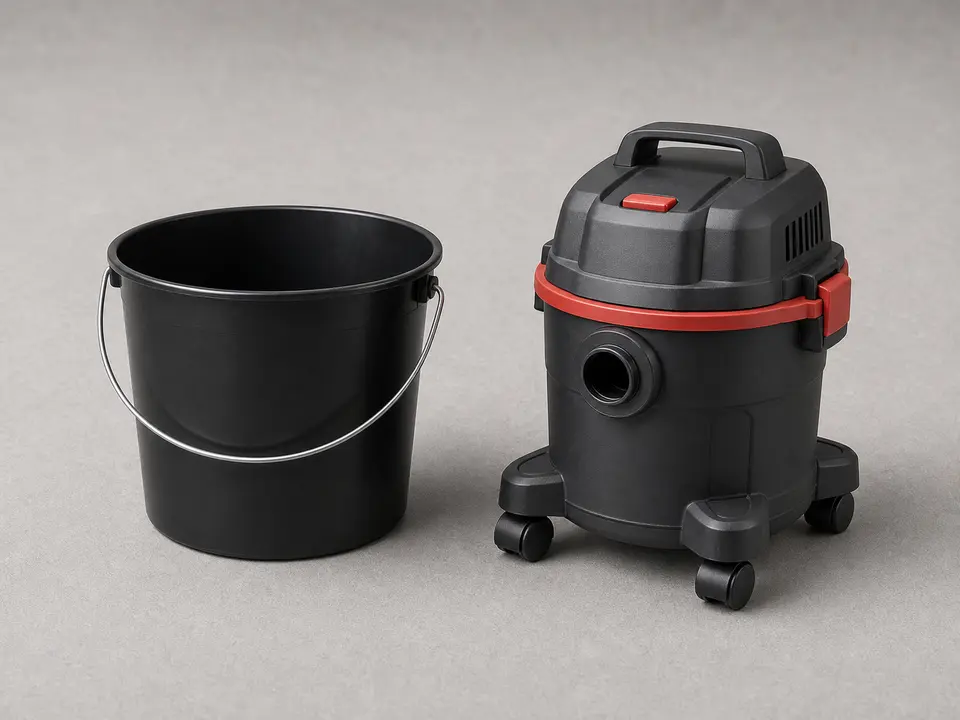
Use it for: Lets you lower the water level enough to work without fighting a full pit.
Shop wet dry vacs
Use it for: Secures the new switch cord so it cannot tangle with the float or pump.
Shop zip tiesAs an Amazon Associate I earn from qualifying purchases. Repair Riot may earn a commission at no extra cost to you.
If it works: You have a strong reason to replace the float switch instead of chasing a battery, charger, or pump motor problem.
If it doesn’t: If the backup system has no power, a dead battery, or a failed charger, fix that first before replacing the float switch.
If it works: The backup system cannot start unexpectedly, and you can reach the float switch safely.
If it doesn’t: If you cannot fully disconnect power and battery backup, wait until you can make the system safe before continuing.
If it works: The old switch is out, and you know how the new one needs to sit in the pit.
If it doesn’t: If the old switch is hardwired and you are not confident matching the connections exactly, use a qualified technician for the wiring portion.
If it works: The new switch is mounted securely, connected correctly, and able to move freely through its full range.
If it doesn’t: If the replacement switch cannot be mounted with free movement in your pit, recheck the part style and mounting method before forcing it to fit.
If it works: The backup pump starts and stops from the new float switch without sticking or short cycling.
If it doesn’t: If the float rises but the pump still does not run, the problem may be in the battery, charger, controller, fuse, or pump itself.
If it works: The new float switch works in actual use, and the backup pump cycles normally without sticking or false alarms.
If it doesn’t: If the system only works during manual testing but fails during real water rise, inspect the switch position again and consider a control or pump diagnosis.
Match the switch style, connector type, control compatibility, and lead length before ordering.
As an Amazon Associate I earn from qualifying purchases. Repair Riot may earn a commission at no extra cost to you.
If the battery is charged, the backup system has power, and the pump will run when manually triggered or bypassed, but it will not run when the float rises normally, the float switch is a likely failure point.
No. The replacement needs to match the switch style and the way your backup system connects and controls the pump. Check connector type, mounting style, and compatibility before ordering.
A float switch only works if it can rise and fall without catching on the pit wall, discharge pipe, pump body, or loose cords. Even a good new switch will fail if it gets trapped.
Not unless testing points to the pump itself. If the pump runs when powered directly or through a manual test, but not from the float, replacing the float switch is the more targeted repair.
That usually means the float is stuck in the up position, mounted too high, tangled in a cord, or the control side of the system has another fault. Shut the system down and correct the switch position before more testing.