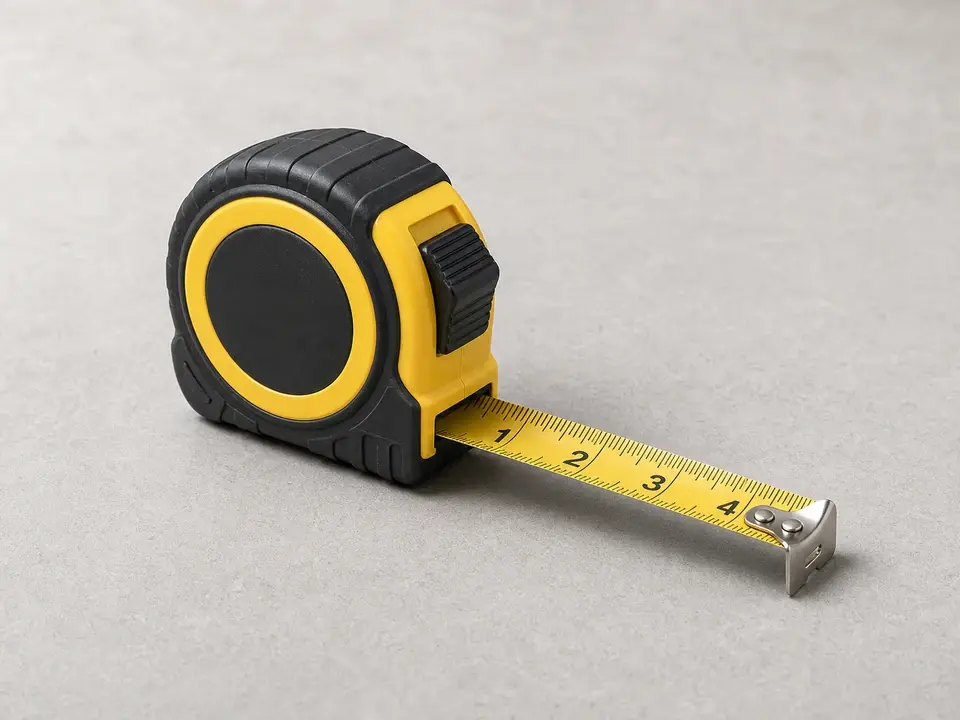
Tape measure
Use it for: To confirm the discharge pipe size so the replacement valve fits.
Shop tape measuresIf water returns to the pit after the pump stops, the check valve is a top suspect. Replace it with correct direction orientation.
Power isolation is non-negotiable. The job is straightforward when discharge piping is reachable and pit conditions are safe.
Before you start: Match the discharge pipe size, valve orientation, and connection style before ordering. Many sump systems use 1 1/2 inch pipe, but measure yours first.
Power isolation is non-negotiable. The job is straightforward when discharge piping is reachable and pit conditions are safe.

Use it for: To confirm the discharge pipe size so the replacement valve fits.
Shop tape measures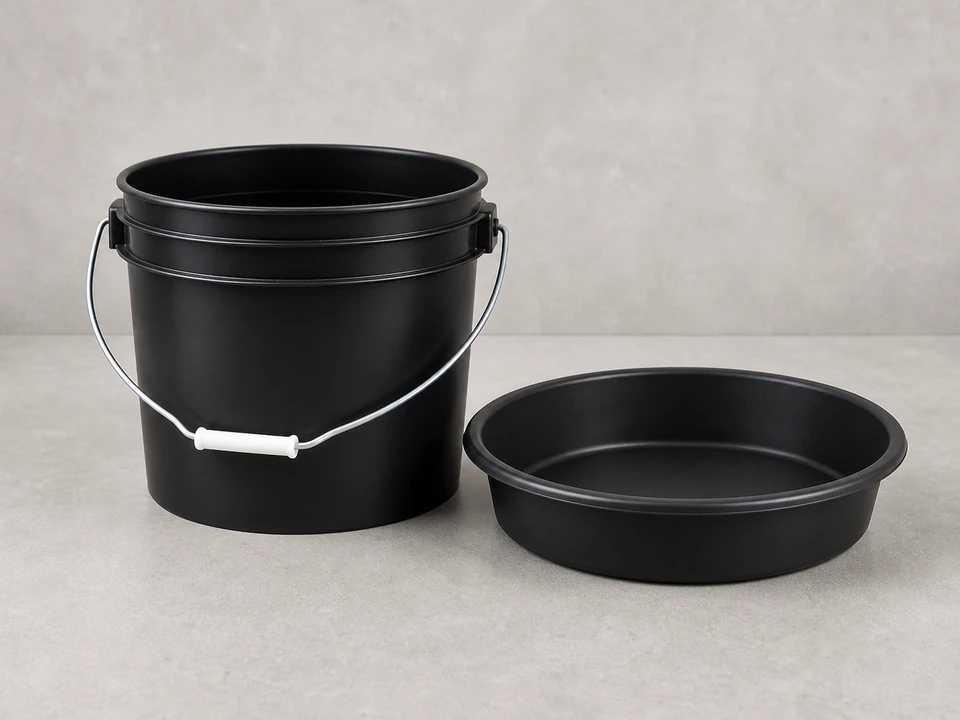
Use it for: To catch water left in the discharge pipe when you remove the old valve.
Find a catch pan or bucket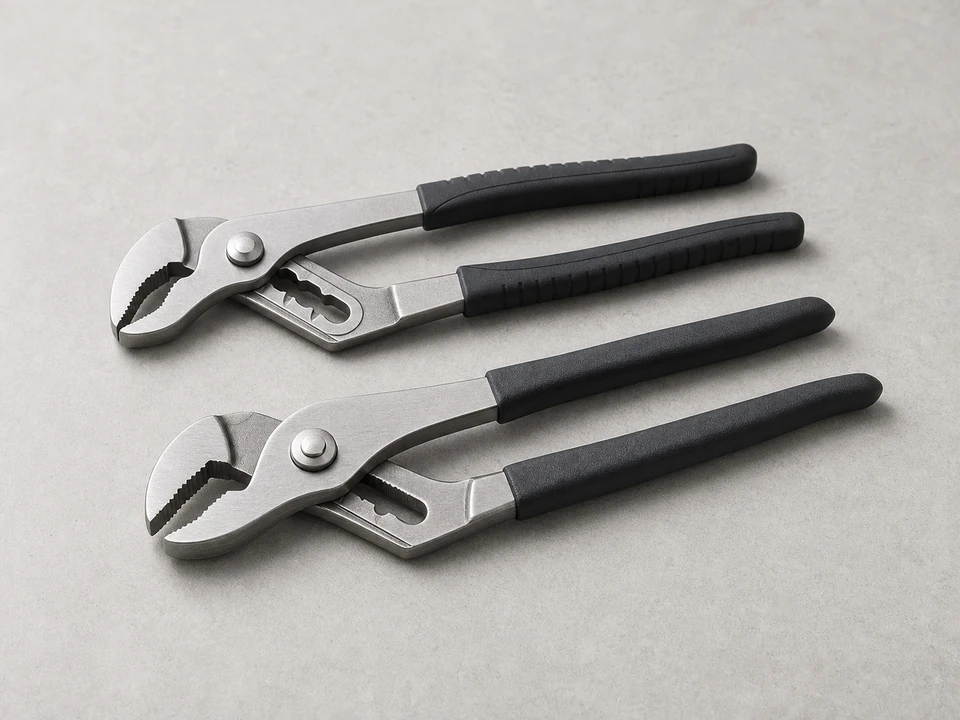
Use it for: To loosen and tighten hose clamps or compression-style connections.
Shop channel-lock pliers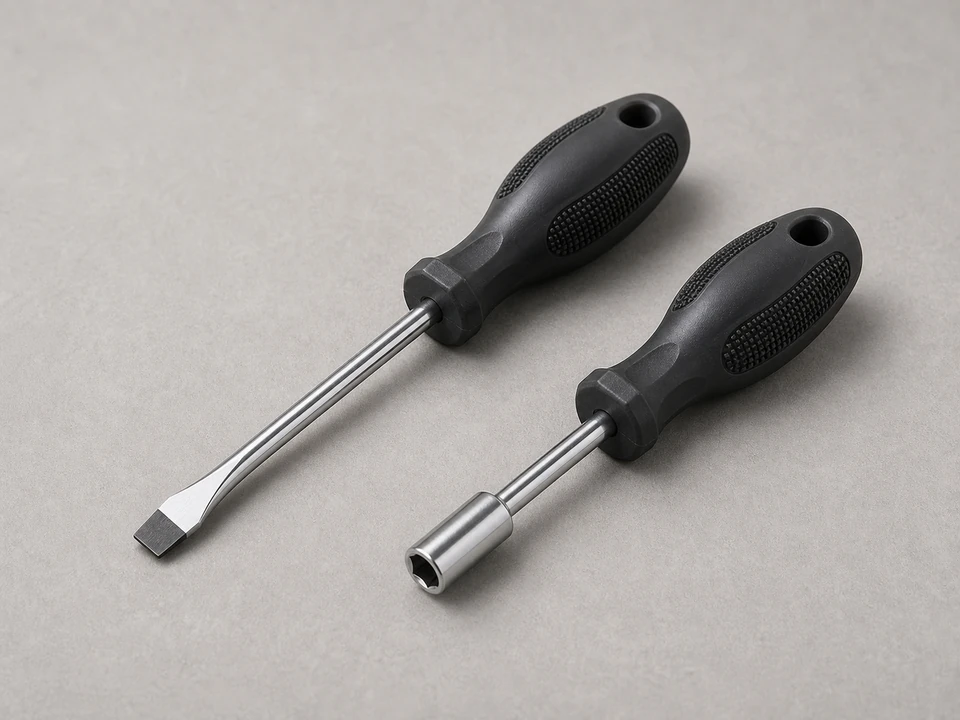
Use it for: To loosen clamp screws on common rubber check valve couplings.
Find a nut driver set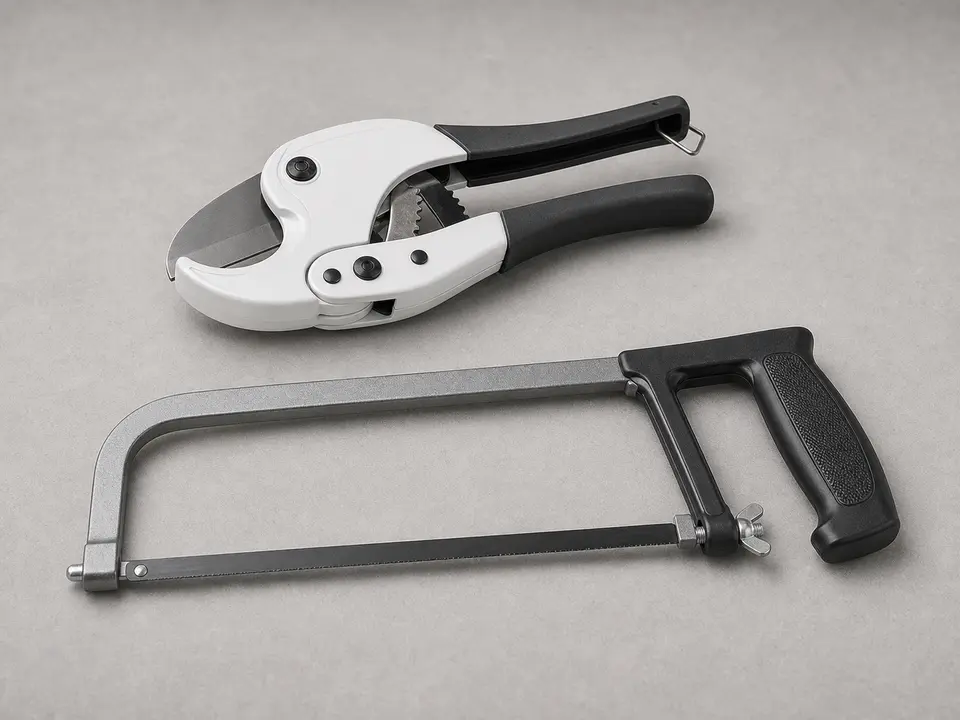
Use it for: To cut out the old valve if it is glued in or there is no union to separate it.
Shop PVC cutting tools
Use it for: To wipe up water and dry the pipe before installing the new valve.
Find shop towelsAs an Amazon Associate I earn from qualifying purchases. Repair Riot may earn a commission at no extra cost to you.
If it works: You have signs of backflow and a replacement valve that matches the pipe size and connection style.
If it doesn’t: If the pump is not moving water at all, the float is stuck, or the discharge line may be frozen or blocked, solve that problem first because the check valve may not be the main issue.
If it works: The pump is de-energized, the work area is protected, and the pipe is supported.
If it doesn’t: If you cannot unplug the pump or safely shut off power, stop and have the circuit made safe before continuing.
If it works: The old valve is out and you have clean, usable pipe ends for the new valve.
If it doesn’t: If the valve will not come free, double-check for hidden screws, extra clamps, or glued joints before forcing it.
If it works: The new valve is installed in the correct direction, aligned well, and secured tightly.
If it doesn’t: If the valve does not fit the pipe cleanly, recheck the pipe size and connection type before trying to force it.
If it works: The pump runs, the valve does not leak, and the pit level does not jump back up from backflow after shutoff.
If it doesn’t: If you see a small drip at a clamp, shut power back off and tighten that connection evenly, then test again.
If it works: The sump pump cycles normally, the new check valve stays dry, and water is not flowing back into the pit after shutoff.
If it doesn’t: If the pump still runs too often or water still returns to the pit, inspect the discharge line for a blockage, poor slope, or another failed valve farther up the line.
Match the discharge pipe size, valve orientation, and connection style before ordering. Many sump systems use 1 1/2 inch pipe, but measure yours first.
As an Amazon Associate I earn from qualifying purchases. Repair Riot may earn a commission at no extra cost to you.
It lets water leave the pump but helps stop that water from draining back into the sump pit after the pump shuts off. Without it, the pump can cycle more often and work harder than it should.
Common signs are water rushing back into the pit after shutoff, frequent short cycling, a leaking valve body, or a valve that rattles or sticks. You may also see the water level rise again almost immediately after a pump cycle.
Sometimes. Many sump systems use a rubber-coupling style valve with clamps that can be loosened and removed. If the old valve is glued into rigid pipe, you may need to cut it out and reconnect the line with the new valve.
Follow the flow arrow on the valve body. It should point up and away from the pump, in the same direction the water travels out of the pit.
The check valve may not be the only issue. The float switch could be sticking, the discharge line could be blocked or draining poorly, or groundwater may simply be entering the pit quickly. A second valve farther up the line can also fail if your system has more than one.