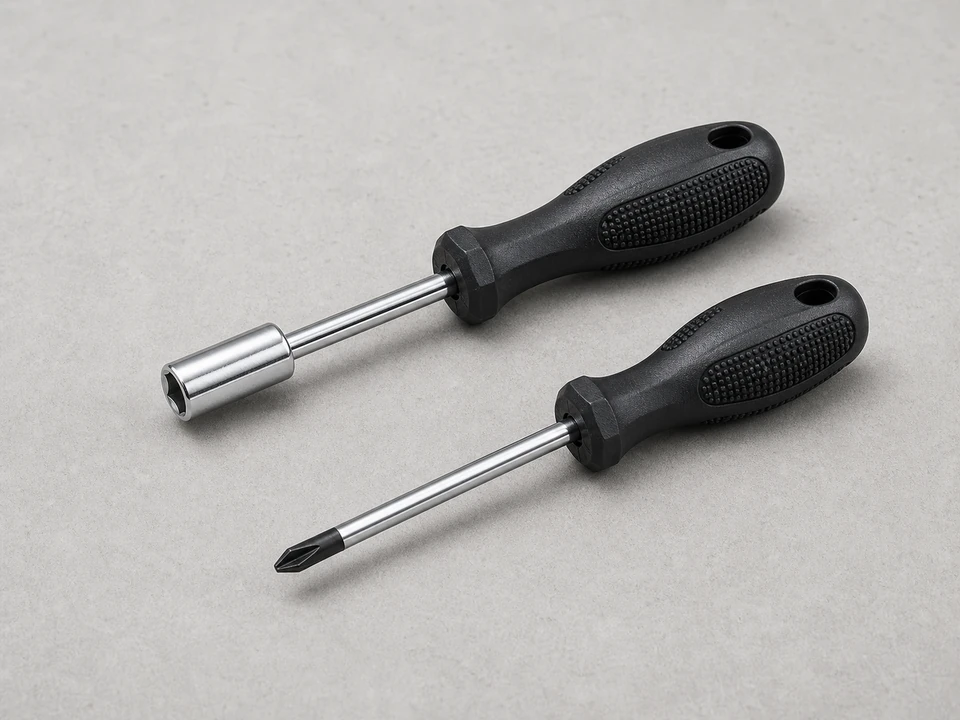
Nut driver or screwdriver
Use it for: To loosen and tighten the coupling clamps.
Shop nut drivers and screwdriversTo replace a sump pump check valve rubber coupling, cut power to the pump, relieve any water in the discharge line, loosen the coupling clamps, remove the old coupling, install the new one squarely over both pipe ends, tighten the clamps evenly, and test the pump for leaks and backflow.
This is usually the right repair when the rubber around the check valve is cracked, split, soft, or leaking at the clamp area. The job is straightforward, but expect some water in the pipe and work carefully around electricity in a damp area.
Before you start: Match the discharge pipe size, check valve outside diameter, and clamp style before ordering. Bring the old coupling or measure both ends so the new one seals tightly.
Use it for: To loosen and tighten the coupling clamps.
Shop nut drivers and screwdrivers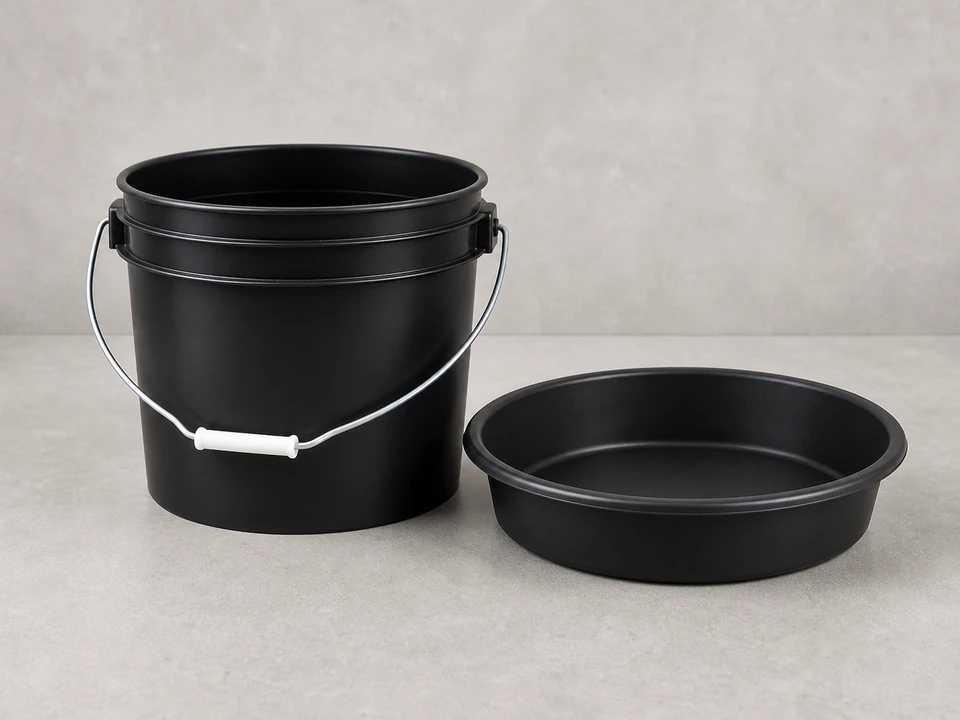
Use it for: To catch water that drains from the discharge pipe when the coupling is opened.
Find a catch pan or bucket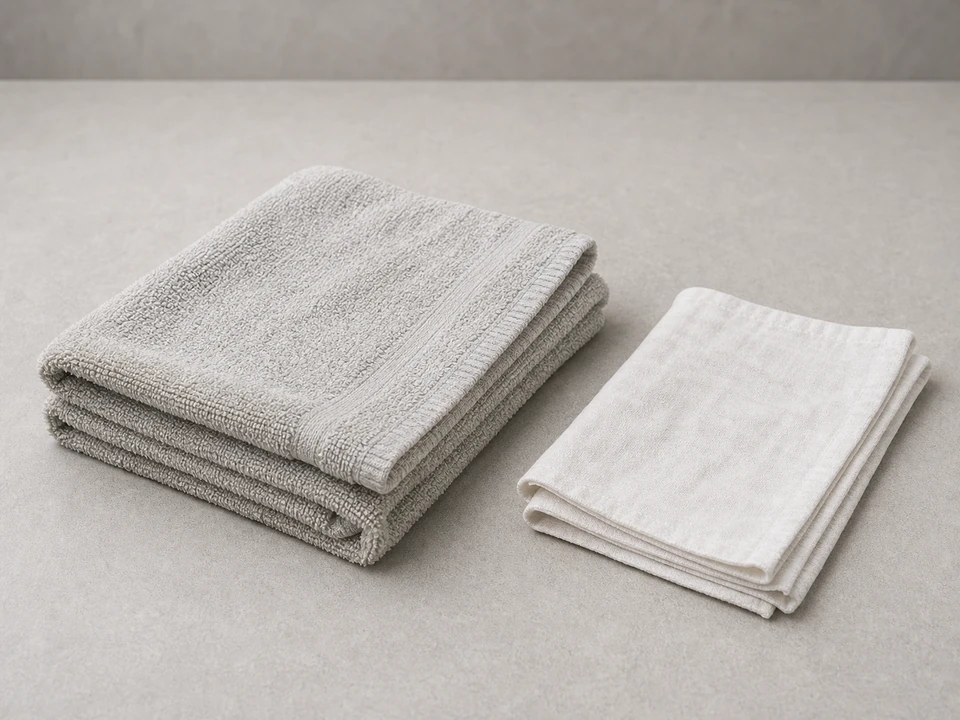
Use it for: To protect the floor and wipe up water around the sump pit.
Shop absorbent towels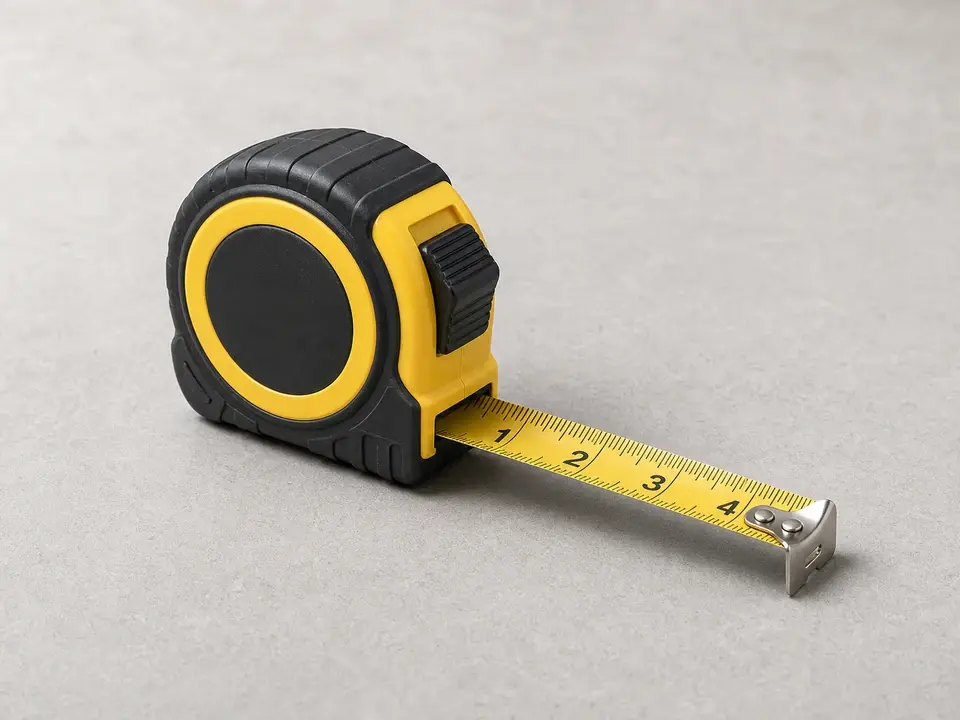
Use it for: To confirm the pipe and valve connection size before installing the new coupling.
Find a tape measure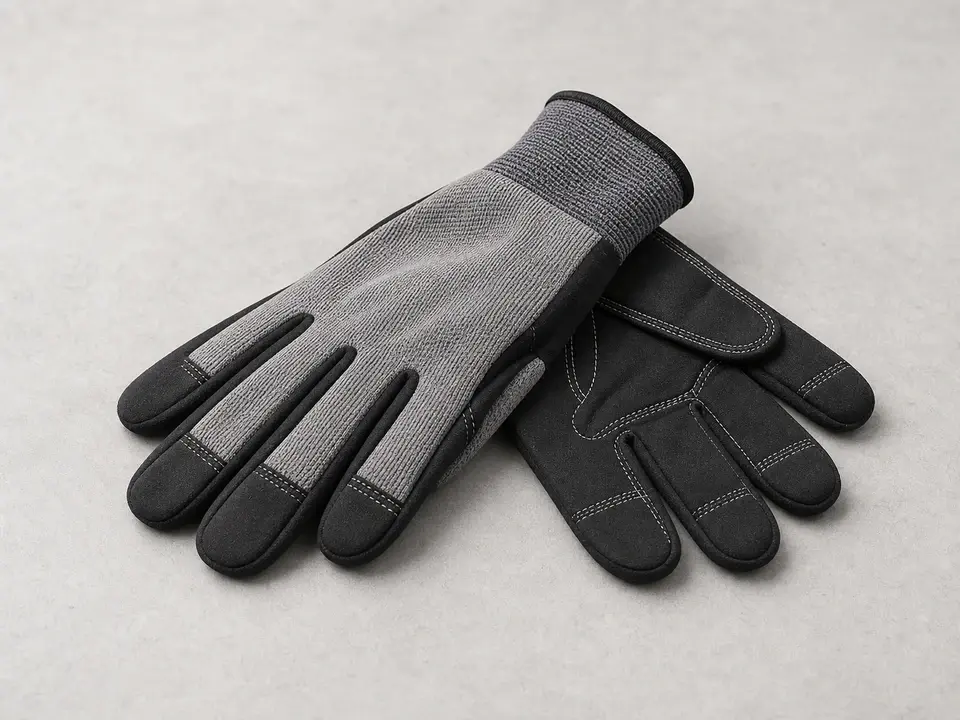
Use it for: To improve grip on wet parts and protect your hands from sharp clamp edges.
Shop work glovesAs an Amazon Associate I earn from qualifying purchases. Repair Riot may earn a commission at no extra cost to you.
If it works: You have confirmed the rubber coupling itself is damaged or no longer sealing.
If it doesn’t: If the leak is coming from the check valve body or the discharge pipe instead, replace that failed part rather than the coupling.
If it works: The work area is protected and the discharge line has drained enough to remove the coupling without a mess.
If it doesn’t: If water keeps running steadily, wait for the line to finish draining or raise the bucket position so you can keep control of the spill.
If it works: The old coupling is off and both connection surfaces are clean and ready for the new part.
If it doesn’t: If the old coupling will not move, loosen the clamps more and keep twisting by hand rather than prying hard against the pipe.
If it works: The new coupling is centered, straight, and firmly clamped on both sides.
If it doesn’t: If the coupling keeps walking to one side, loosen it, recenter it, and retighten both clamps evenly.
If it works: The pump runs, the coupling stays dry, and the connection holds during the discharge cycle.
If it doesn’t: If you see a small drip, shut power back off and tighten the leaking clamp a little more, then test again.
If it works: The coupling stays dry through repeated use and the sump pump returns to normal operation.
If it doesn’t: If moisture returns after a few cycles, recheck clamp position and confirm the coupling matches the pipe size and check valve ends.
Match the discharge pipe size, check valve outside diameter, and clamp style before ordering. Bring the old coupling or measure both ends so the new one seals tightly.
As an Amazon Associate I earn from qualifying purchases. Repair Riot may earn a commission at no extra cost to you.
If the rubber is cracked, split, swollen, or leaking right under the clamp area, the coupling is the likely failure. If water is coming through a seam in the valve body or from a crack in the plastic or metal valve, the check valve itself is the problem.
If the old clamps are rusty, stripped, bent, or no longer tighten smoothly, replace them. Good clamps matter because even a new coupling can leak if the clamp cannot apply even pressure.
It is better not to. Once the rubber has cracked, hardened, or stretched, it usually will not reseal reliably. A temporary retightening may slow a leak, but it often comes back.
Match the discharge pipe size and the outside diameter of the check valve connection. Many sump pump discharge lines are 1-1/2 inch, but you should measure your setup instead of guessing.
That is normal. The vertical discharge pipe above the check valve can hold water. When you loosen the coupling, some of that water drains back out, which is why a bucket and towels help.