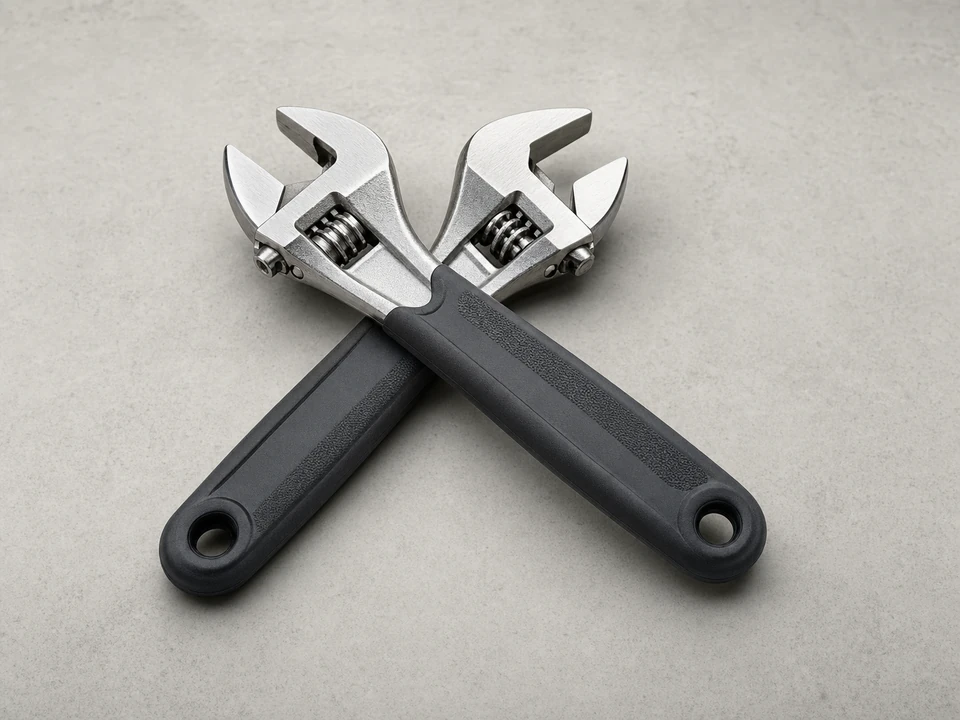
Adjustable wrench
Use it for: To loosen and tighten the old and new valve without damaging nearby fittings.
Shop adjustable wrenchesIf the pressure relief valve is leaking from the valve body, will not reseat, or was damaged by freezing or overpressure, replacing it is usually a straightforward repair after you shut off power, gas, and water and relieve system pressure.
This job is mostly about safe shutdown, confirming you have the right replacement, and getting a clean leak-free seal on the new valve. If the valve opened because of a bigger pressure problem, fix that cause too or the new valve may leak again.
Before you start: Match the valve pressure and temperature rating, pipe size, thread type, and your heater's compatible connection style before ordering.
Use it for: To loosen and tighten the old and new valve without damaging nearby fittings.
Shop adjustable wrenches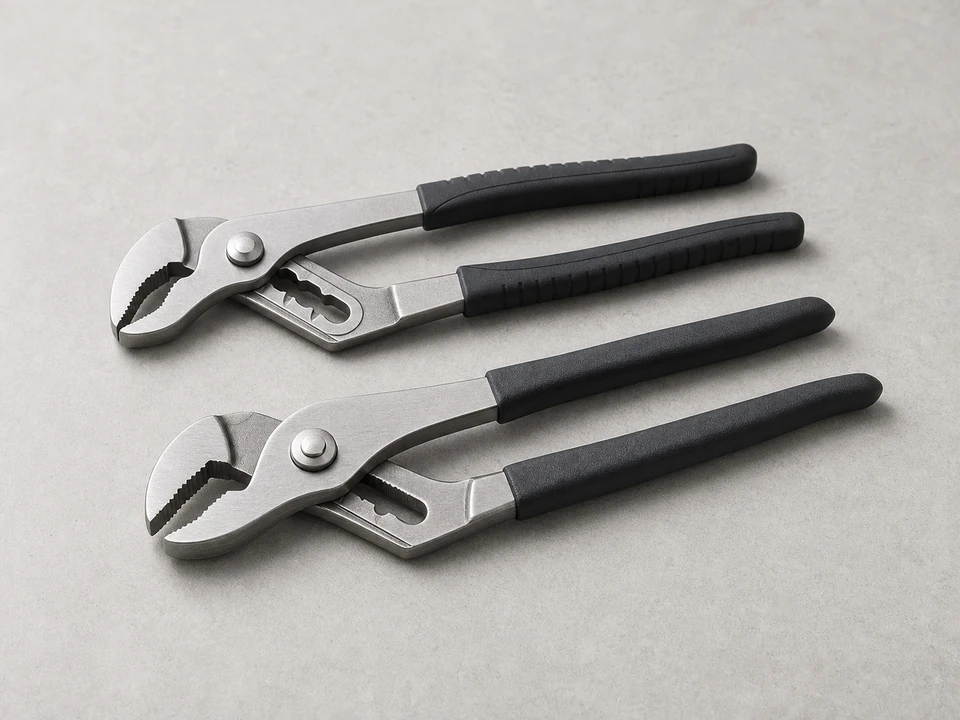
Use it for: Helpful for holding a backup fitting while you turn the valve.
Shop tongue and groove pliers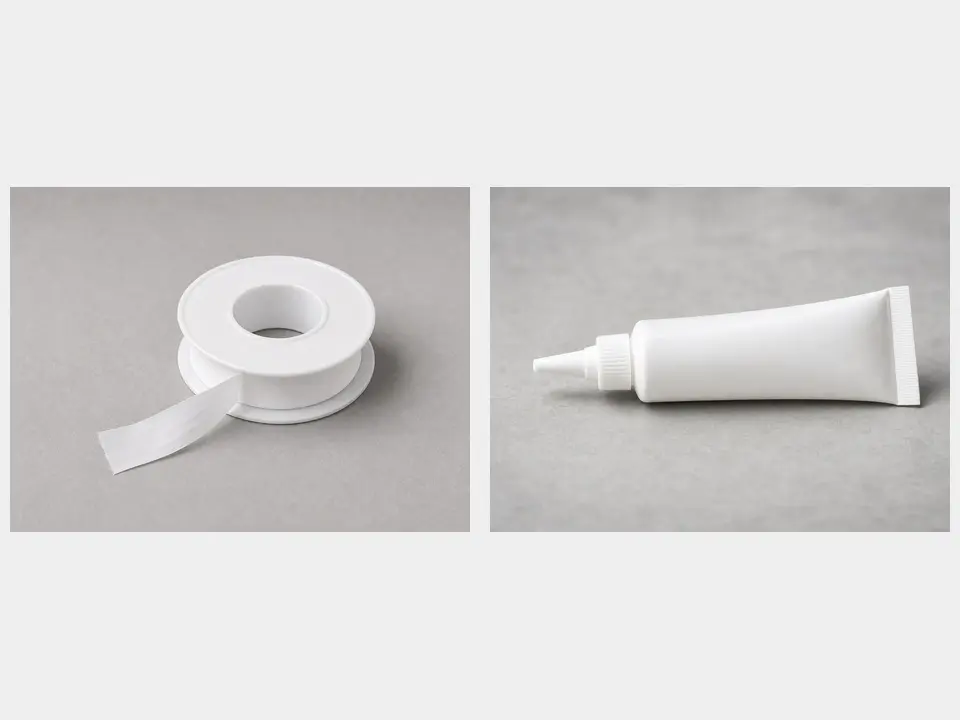
Use it for: To seal threaded valve connections if your replacement uses pipe threads.
Shop thread seal tape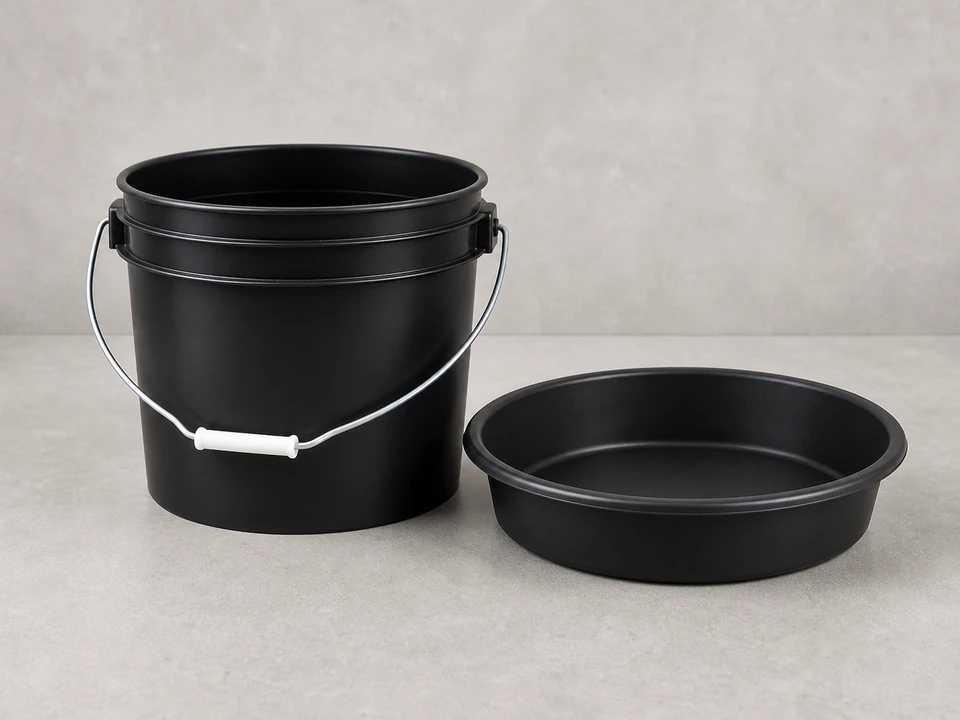
Use it for: To catch water when you drain pressure and remove the old valve.
Shop drain pans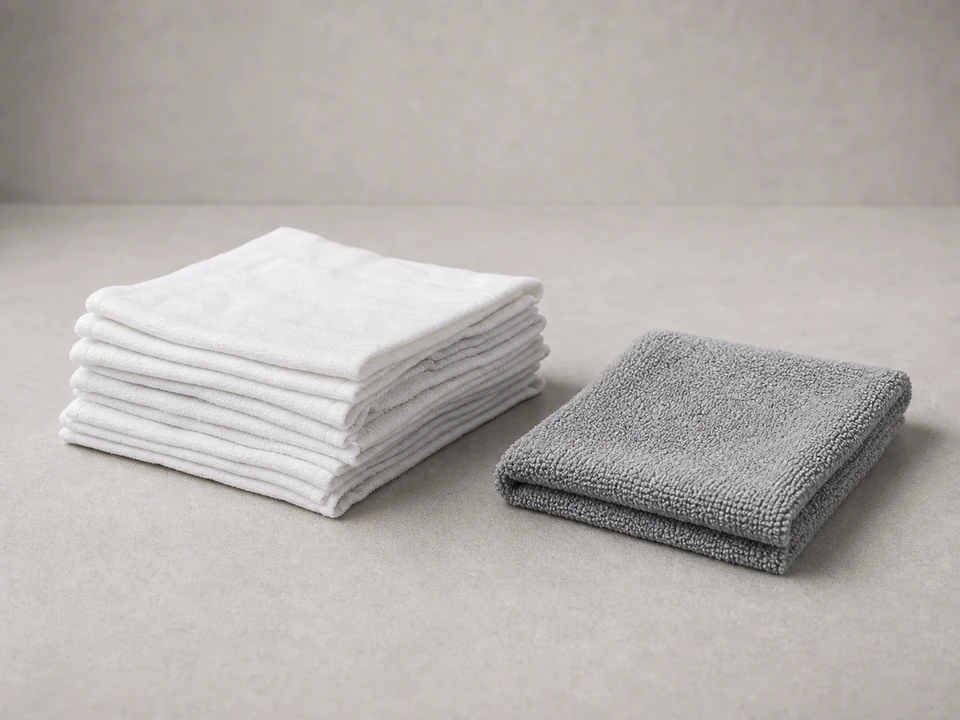
Use it for: To wipe up water and help spot fresh leaks during testing.
Shop shop towelsAs an Amazon Associate I earn from qualifying purchases. Repair Riot may earn a commission at no extra cost to you.
If it works: You have good reason to replace the pressure relief valve instead of chasing a leak from another fitting.
If it doesn’t: If the water trail starts above or beside the valve, dry the area and trace the leak source first. Replacing the valve will not fix a leaking pipe joint or internal heater problem.
If it works: The heater is isolated, pressure is relieved, and only a manageable amount of water remains in the valve area.
If it doesn’t: If water keeps flowing strongly after the cold-water supply is closed, the shutoff valve may not be sealing fully. Close the home's main water supply before continuing.
If it works: The old valve is out and the connection point is clean and ready for the replacement.
If it doesn’t: If the valve is seized, apply steady pressure instead of jerking it. If it still will not move, the fitting may need professional service to avoid twisting or cracking the heater connection.
If it works: The new valve is installed straight, secure, and not cross-threaded or stressed by the piping.
If it doesn’t: If the valve will not thread in smoothly by hand, back it out and start again. Forced threads can ruin the connection.
If it works: The heater refills without leaking at the new valve or nearby fittings.
If it doesn’t: If you see a small thread leak, shut the water back off, relieve pressure again, and reseal or retighten the threaded connection. If the valve body itself leaks new out of the box, replace it.
If it works: The heater runs normally, the new relief valve stays dry, and no water returns at the valve after normal use.
If it doesn’t: If the new valve leaks again, the root cause may be excessive water pressure, thermal expansion issues elsewhere in the system, freeze damage, or another internal heater fault that needs diagnosis.
Match the valve pressure and temperature rating, pipe size, thread type, and your heater's compatible connection style before ordering.
As an Amazon Associate I earn from qualifying purchases. Repair Riot may earn a commission at no extra cost to you.
Common causes are age, mineral buildup, freeze damage, debris on the valve seat, or a real overpressure event. Replacing the valve fixes the part itself, but not a pressure problem that caused it to open.
No. Clean the threads and use fresh sealant or tape if the connection type calls for it. Old material can keep the new valve from sealing properly.
Usually no. You normally just shut off the incoming water, relieve pressure, and catch the small amount of water that drains from the valve area.
First check for a bad thread seal or cross-threaded connection. If the leak is from the valve outlet during normal operation, look for a pressure issue, freeze damage, or another heater fault instead of assuming the new valve is bad.
Only if your valve design includes a test lever and the manufacturer allows that kind of test. Some valves may not reseat cleanly after being opened, so many homeowners simply verify the repair by checking for leaks during normal operation.