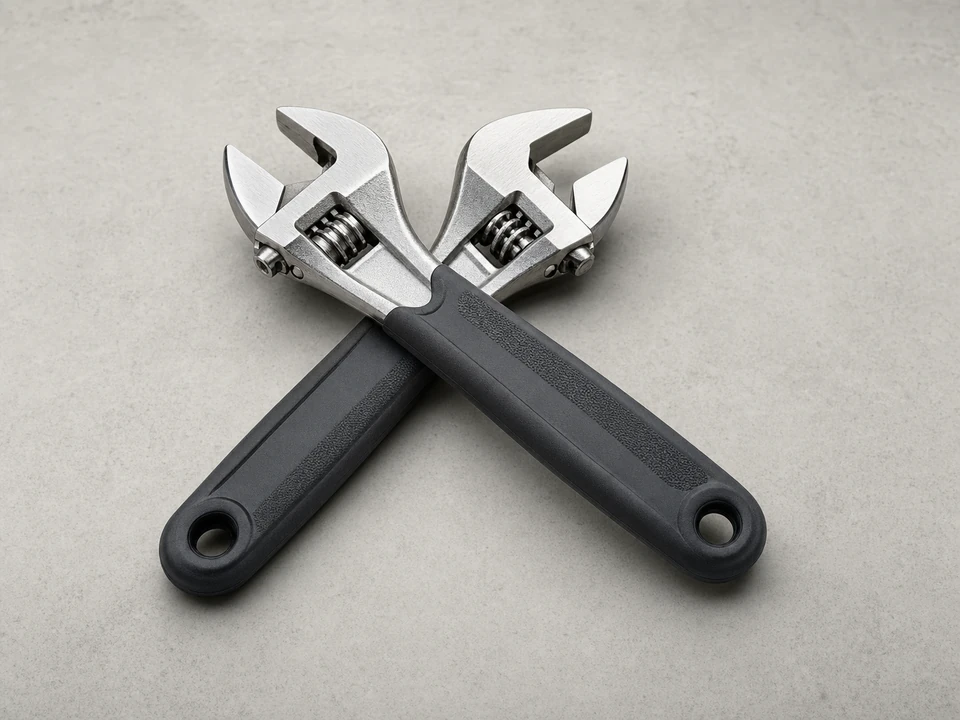
Adjustable wrench
Use it for: To loosen and tighten the tank bolt nuts and water supply connection if needed.
Shop adjustable wrenchIf water is seeping from the toilet tank-to-bowl bolts, replacing the bolt set with new rubber washers is often the right fix. This repair targets leaks at the bolt holes, rusted hardware, flattened washers, and loose tank fasteners.
This is a straightforward repair for a homeowner if the tank and bowl are not cracked. Work slowly, support the tank as you loosen hardware, and replace both tank bolts and washers as a matched set so the seal stays even.
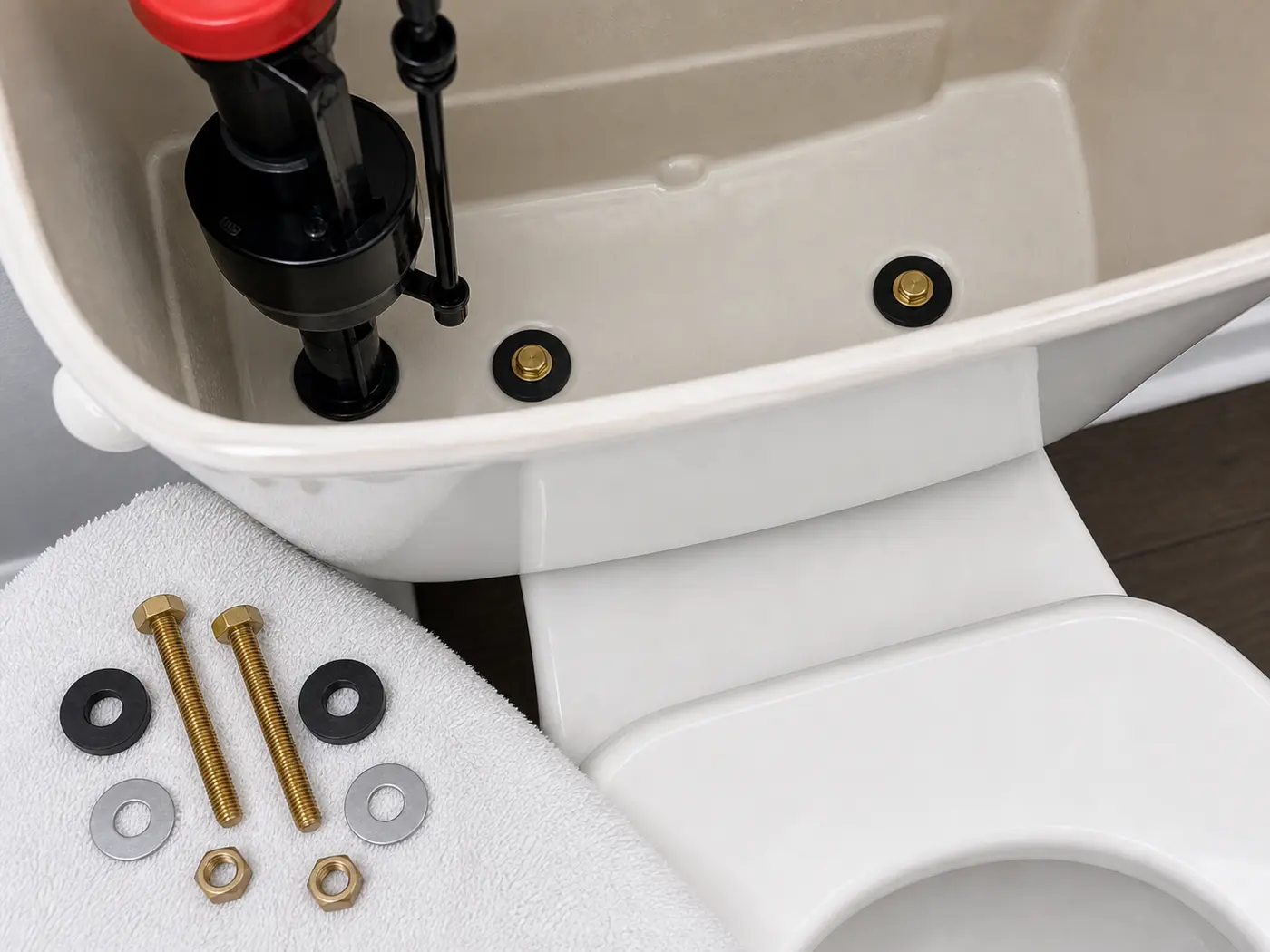
Before you start: Match the bolt diameter, bolt length, rubber washer shape, tank to bowl gasket style, and toilet model before ordering. A universal tank bolt kit still has to seat flat in your tank holes.
The rubber washer has to seal flat against the porcelain. Before tightening, compare the new bolt, rubber washer, metal washer, and nut so the stack goes back together evenly.
Use it for: To loosen and tighten the tank bolt nuts and water supply connection if needed.
Shop adjustable wrench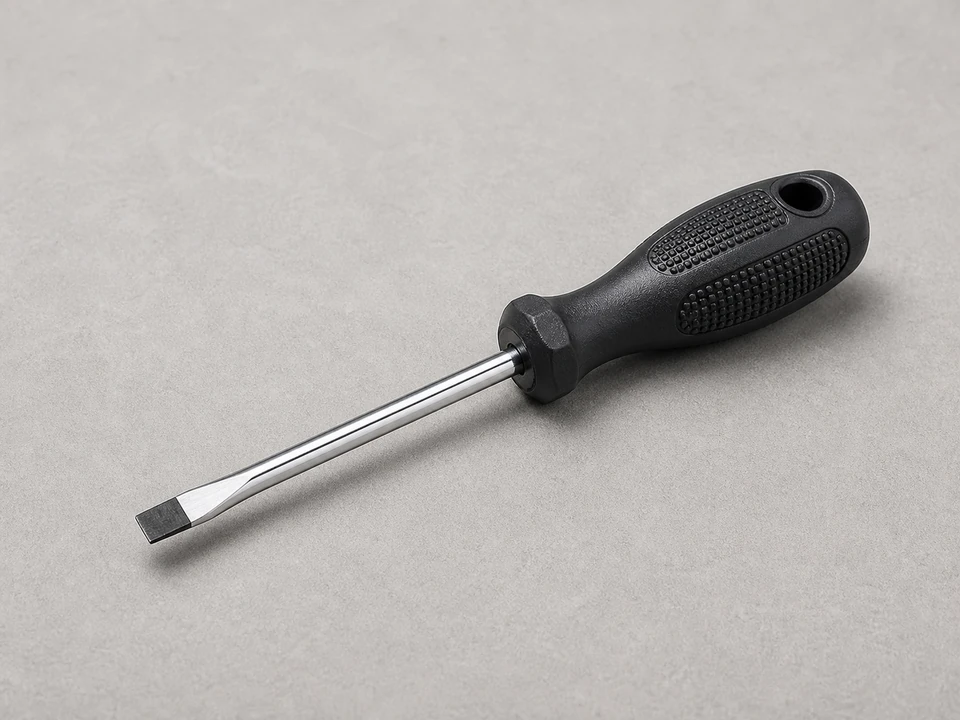
Use it for: To hold the bolt head inside the tank while you loosen the nut underneath.
Shop large flat screwdriver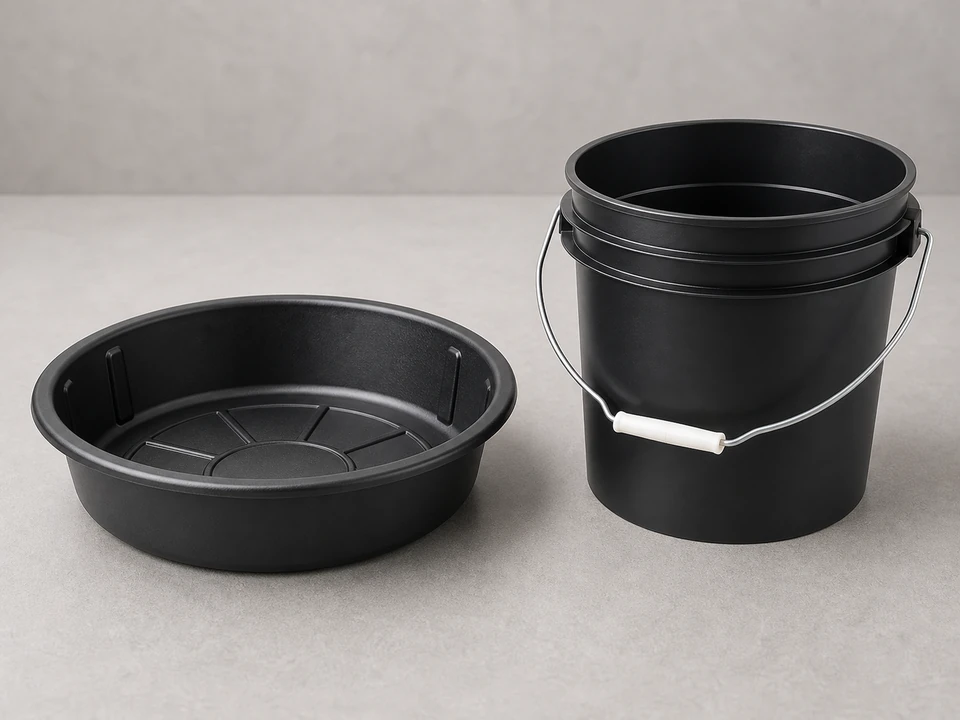
Use it for: To catch the water left in the tank and any drips under the bowl.
Shop shallow catch pan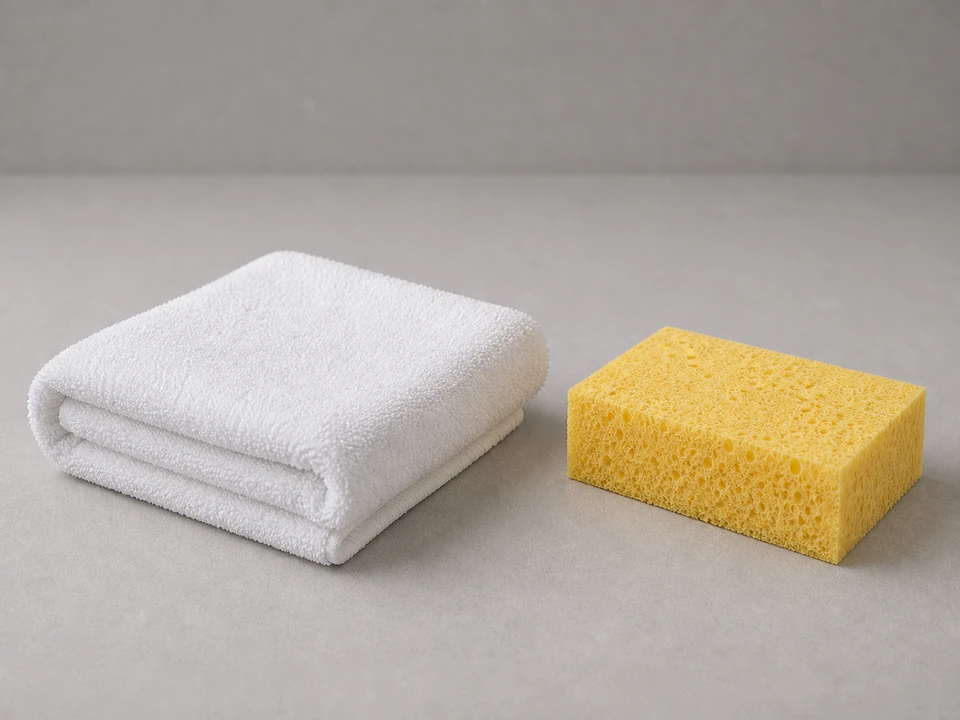
Use it for: To soak up the remaining water so you can remove the bolts without a mess.
Shop absorbent towels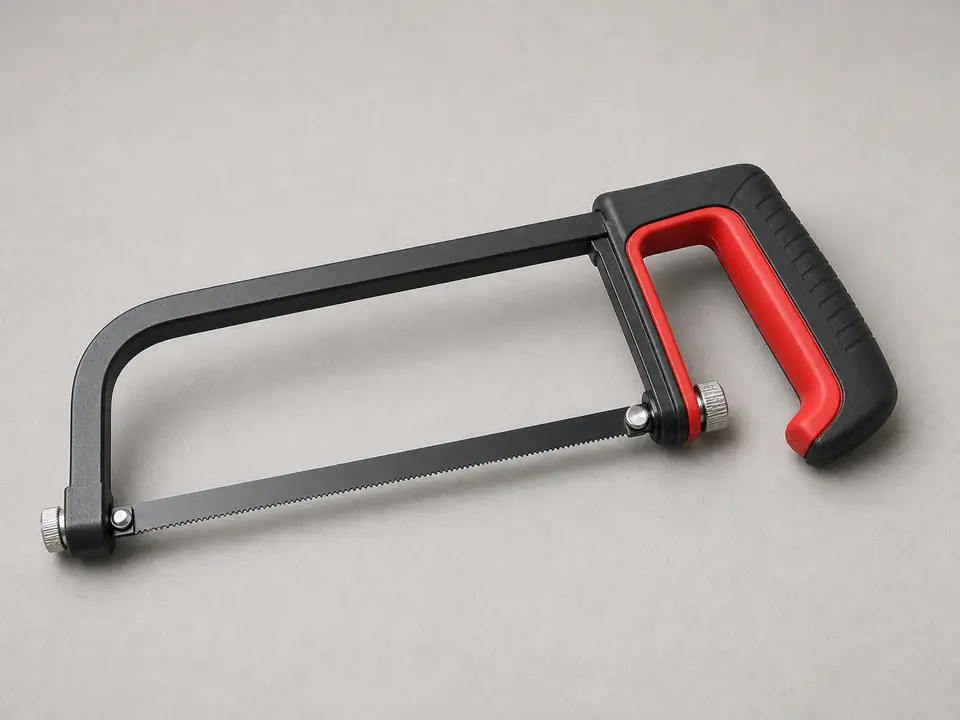
Use it for: To cut off badly rusted bolts that will not loosen normally.
Shop mini hacksawAs an Amazon Associate I earn from qualifying purchases. Repair Riot may earn a commission at no extra cost to you.
If it works: You have confirmed the leak is coming from one or both tank bolts or their washers.
If it doesn’t: If the water starts at the center flush valve opening, the tank-to-bowl gasket or flush valve seal is a better repair path. If the water starts at the supply connection, address that connection instead.
If it works: The tank is mostly empty and safe to work on without constant dripping.
If it doesn’t: If the shutoff valve does not fully stop the water, close the home's nearest working fixture valve only if you know the plumbing layout, or wait until you can replace the shutoff before continuing.
If it works: The old tank bolts and washers are out, and the bolt holes are clean enough for the new parts to seat flat.
If it doesn’t: If the hardware is fused in place, cutting the old bolts is usually faster and safer than forcing them until the porcelain is stressed.
If it works: Both new bolts and washers are installed evenly, and the tank sits securely without obvious twisting.
If it doesn’t: If the tank looks crooked, loosen both sides slightly and retighten in small alternating turns until it sits evenly.
If it works: The tank fills and stays dry around both bolts and washers.
If it doesn’t: If a slow drip continues, recheck the washer placement and make sure both sides are tightened evenly. If the leak still does not stop, the tank-to-bowl gasket or the tank itself may also be involved.
If it works: The toilet flushes normally and the tank bolt area stays dry during and after real use.
If it doesn’t: If moisture returns only after flushing, revisit the bolt tension and washer seating. If the area stays dry at the bolts but leaks elsewhere, move to the actual leak source instead of tightening further.
Yes. Replace both bolts and washers as a set. If one side has worn out or rusted, the other side is usually not far behind, and even tightening is easier with matching new parts.
Most kits put a rubber washer under the bolt head inside the tank, then the bolt passes through the tank and bowl with the supplied washers and nut underneath. Follow the kit order, keep rubber against porcelain where the seal is made, and tighten both sides evenly.
Tight enough to compress the rubber washers and hold the tank steady, but not so tight that the porcelain is stressed. Tighten a little on each side, alternating back and forth.
It is better not to. Old rubber can harden, flatten, or crack once disturbed. New washers are cheap insurance against doing the job twice.
Cutting them off carefully with a small hacksaw is often the safest option. Forcing seized hardware can twist the tank or crack the porcelain.
No. If water is leaking from the center of the tank-to-bowl connection, the tank-to-bowl gasket or flush valve area may be the real cause. Confirm the leak source before replacing parts.