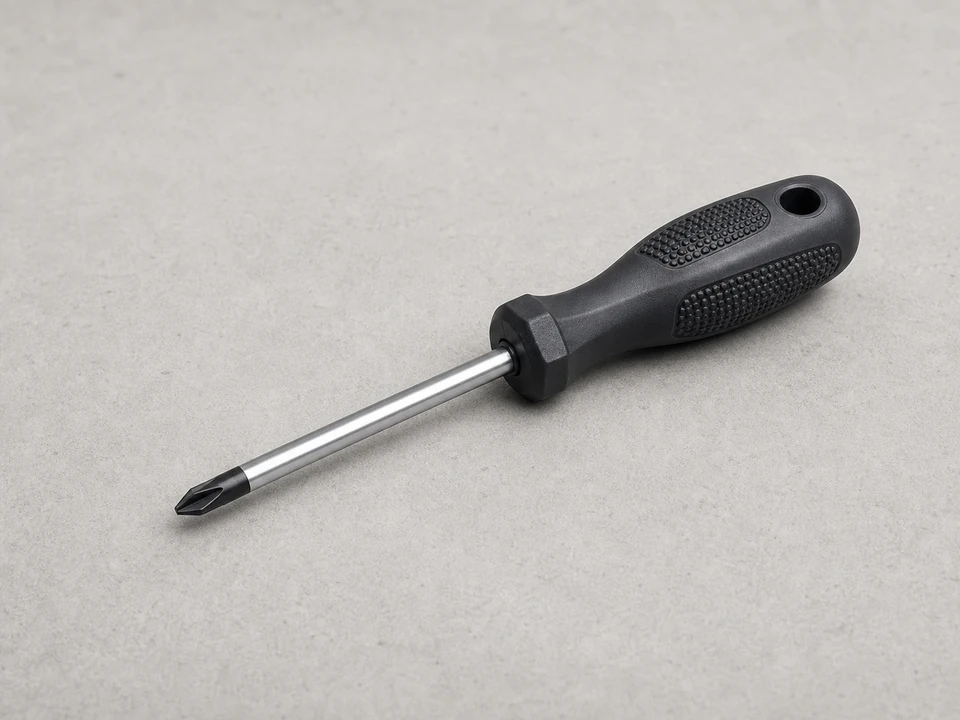
Phillips screwdriver
Use it for: Removes the screws that hold the latch or access panel in place.
Shop Phillips screwdriversTo replace a washer door latch, unplug the washer, open the door area, remove the old latch, move the wire connector to the new part, reinstall it, and test that the door locks and the cycle starts normally.
A failed door latch can keep a washer from starting, spinning, or recognizing that the door is closed. This repair is usually straightforward if the latch is accessible from the front opening or nearby panel, but take your time with the wiring and trim so you do not damage the door seal or mounting points.
Before you start: Match the replacement part to your exact washer before ordering.
Use it for: Removes the screws that hold the latch or access panel in place.
Shop Phillips screwdrivers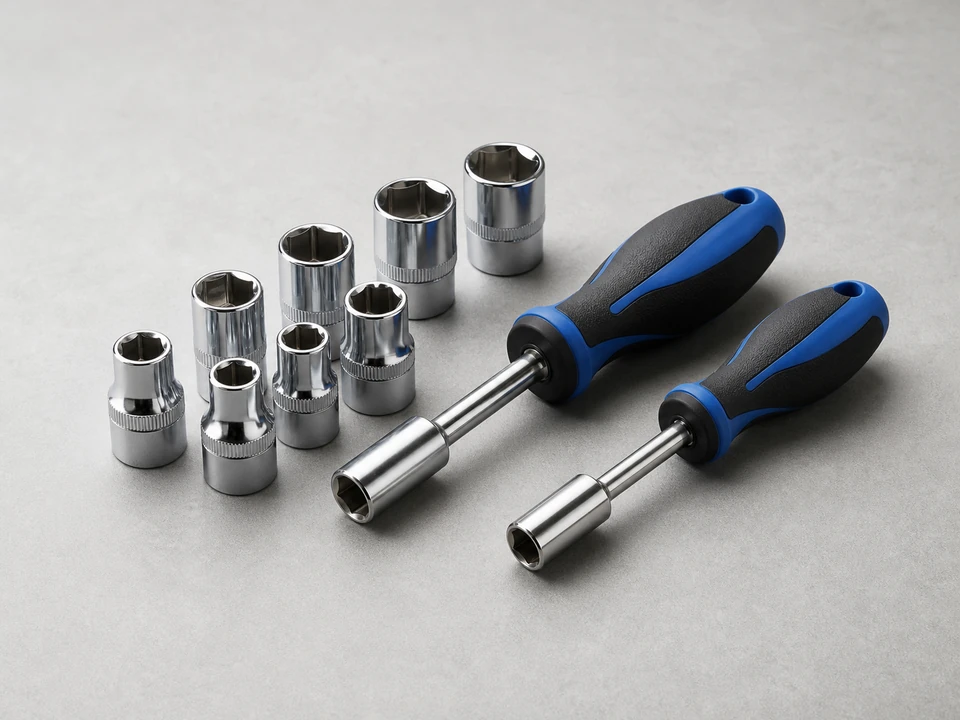
Use it for: Some washers use hex-head screws instead of Phillips screws.
Shop nut driver sets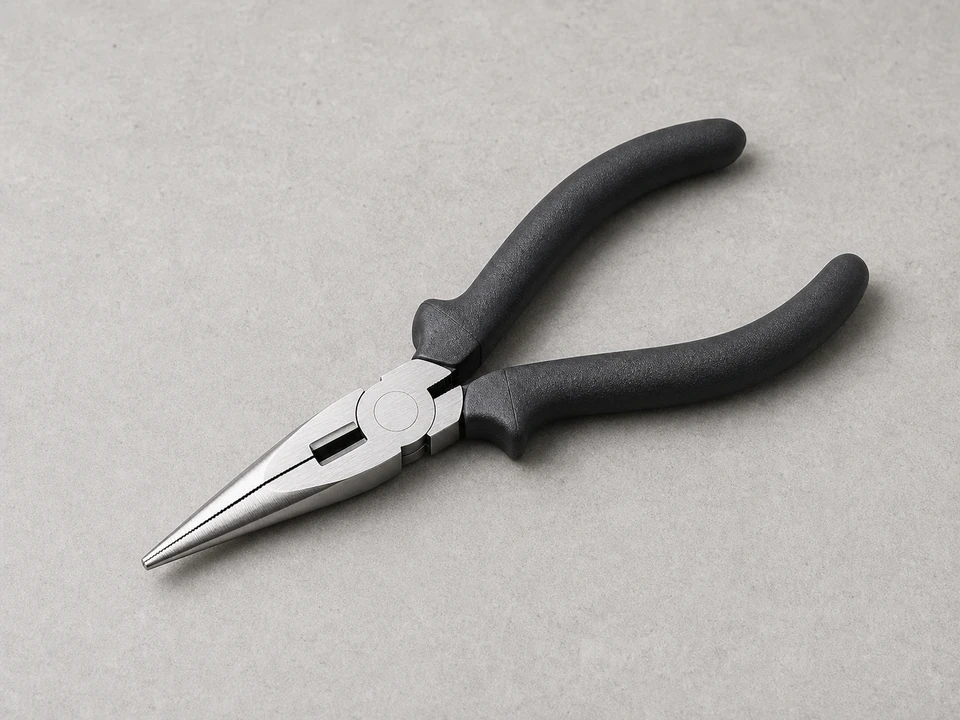
Use it for: Helps pull small wire connectors and spring clips without yanking on the wires.
Shop needle-nose pliers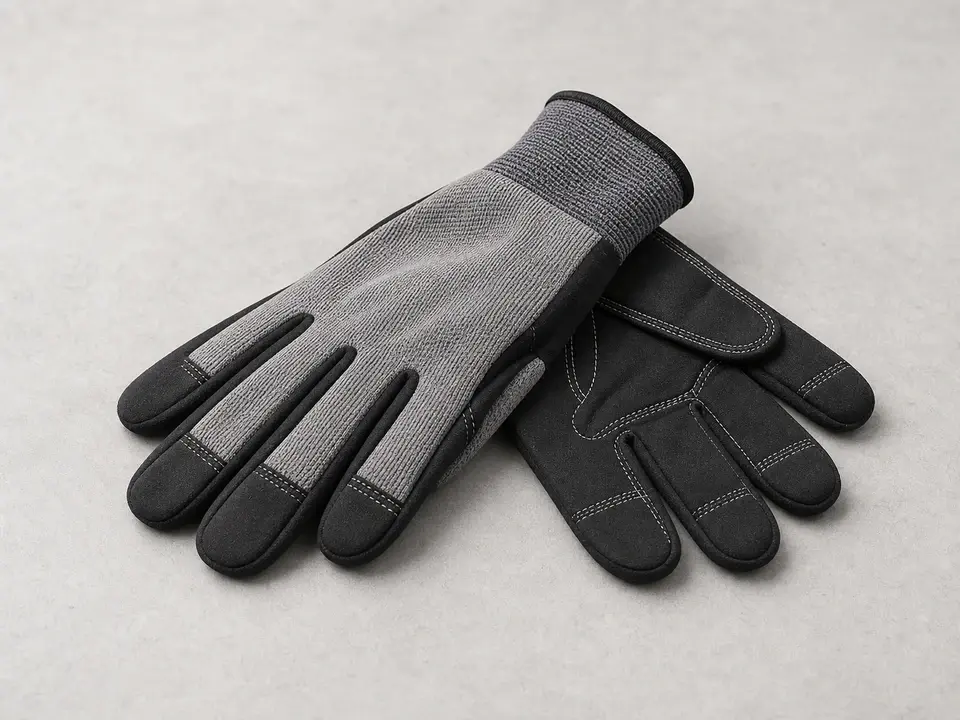
Use it for: Protects your hands from sharp sheet metal edges inside the cabinet.
Shop work gloves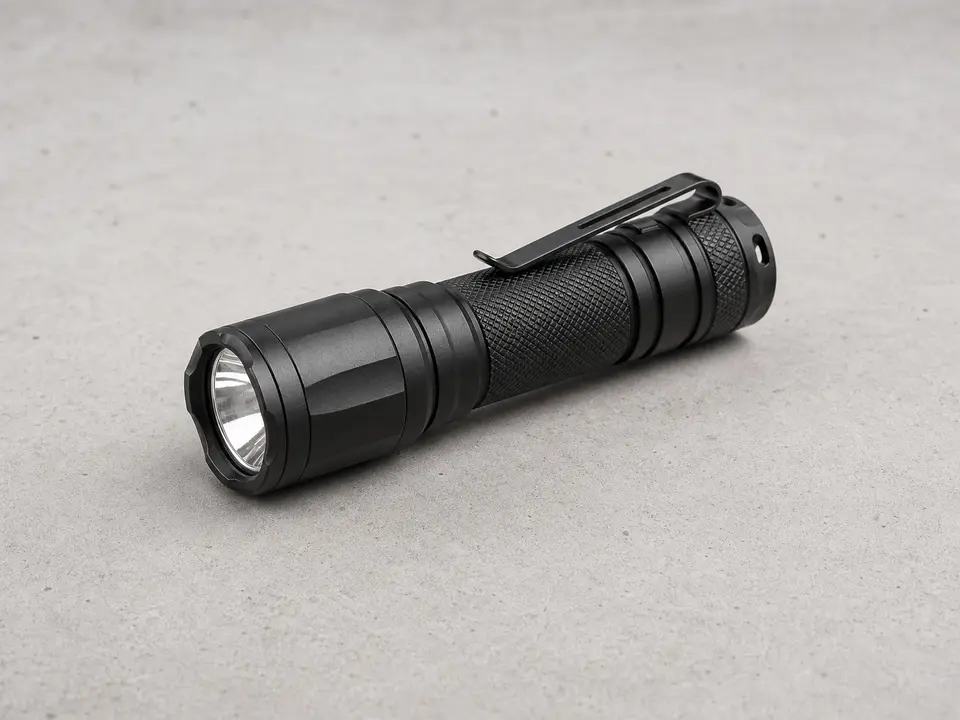
Use it for: Lets you see the latch screws, connector, and mounting tabs clearly.
Shop flashlightsAs an Amazon Associate I earn from qualifying purchases. Repair Riot may earn a commission at no extra cost to you.
If it works: The symptoms point to a latch that is not locking or not sending the closed-door signal reliably.
If it doesn’t: If the door locks normally and the washer still will not run, this is probably not the right repair path. Check for a different control, switch, or power issue.
If it works: The washer is safely disconnected and you can reach the latch mounting screws and wire connector.
If it doesn’t: If you cannot reach the latch from the door opening, look for a top or front panel that needs to come off for access.
If it works: The old latch is out and the wiring connector is free without damage.
If it doesn’t: If the connector will not release, check for a locking tab and press it before pulling again.
If it works: The new latch is wired correctly, seated properly, and mounted firmly.
If it doesn’t: If the new latch does not line up or the connector does not fit, recheck the part before going further.
If it works: The washer is back together and the door closes smoothly without forcing.
If it doesn’t: If the door does not close cleanly, reopen it and check latch alignment, the door strike, and the seal position.
If it works: The door locks, the washer starts and runs normally, and the door unlocks properly at the end of the test.
If it doesn’t: If the new latch is installed correctly but the washer still will not detect or lock the door, the problem may be the door strike, wiring, or control system.
Match the replacement part to your exact washer before ordering.
As an Amazon Associate I earn from qualifying purchases. Repair Riot may earn a commission at no extra cost to you.
A bad latch often keeps the washer from starting, spinning, or locking the door. If the door strike looks intact and the washer only starts when you push hard on the door, the latch is a common cause.
No. The latch is the locking assembly mounted in the washer cabinet. The strike is the piece on the door that slides into the latch. Either one can fail, so check both before ordering parts.
Usually yes. On many washers, this is a manageable homeowner repair with basic hand tools. The main things to watch are safe power disconnection, careful handling of the wire connector, and proper reassembly of the seal or trim.
If the new latch is the correct part and installed properly, the issue may be a broken door strike, damaged wiring, poor door alignment, or a control problem that is not sending or reading the latch signal correctly.
Only if it is cracked, worn, loose, or no longer lines up with the latch. If the strike is damaged, a new latch alone may not solve the problem.