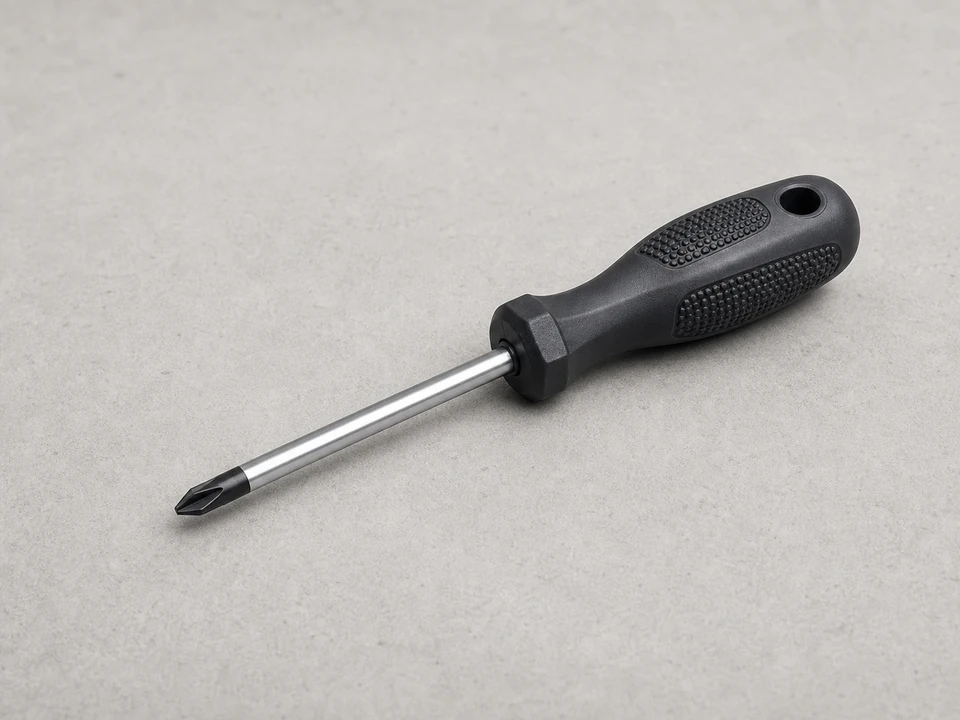
Phillips screwdriver
Use it for: Removes the screws that hold the top, front, or lock mounting hardware in place.
Shop Phillips screwdriversIf your washer will not start, will not lock, or keeps acting like the door or lid is open when it is shut, replacing the washer door latch or lid lock assembly is a common fix.
This repair is usually straightforward, but you do need to unplug the washer and work carefully around sheet metal panels and wiring. The goal is to confirm the lock is the problem, swap it cleanly, and make sure the washer locks and unlocks normally in real use.
Before you start: Match the replacement part to your exact washer before ordering.
Use it for: Removes the screws that hold the top, front, or lock mounting hardware in place.
Shop Phillips screwdrivers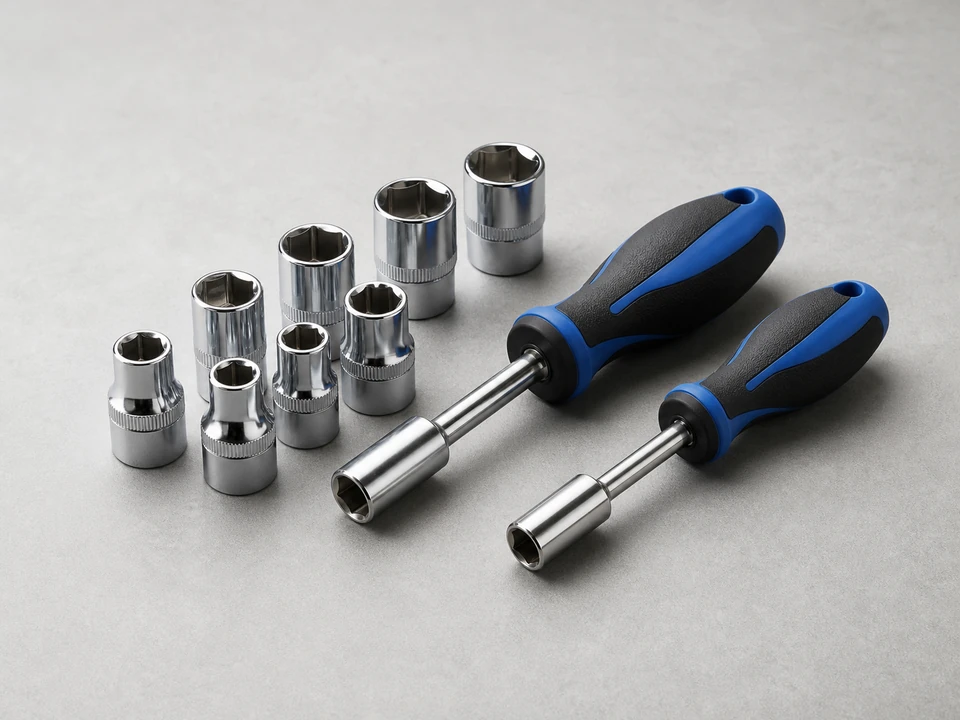
Use it for: Many washers use hex-head screws instead of standard Phillips screws.
Shop nut driver sets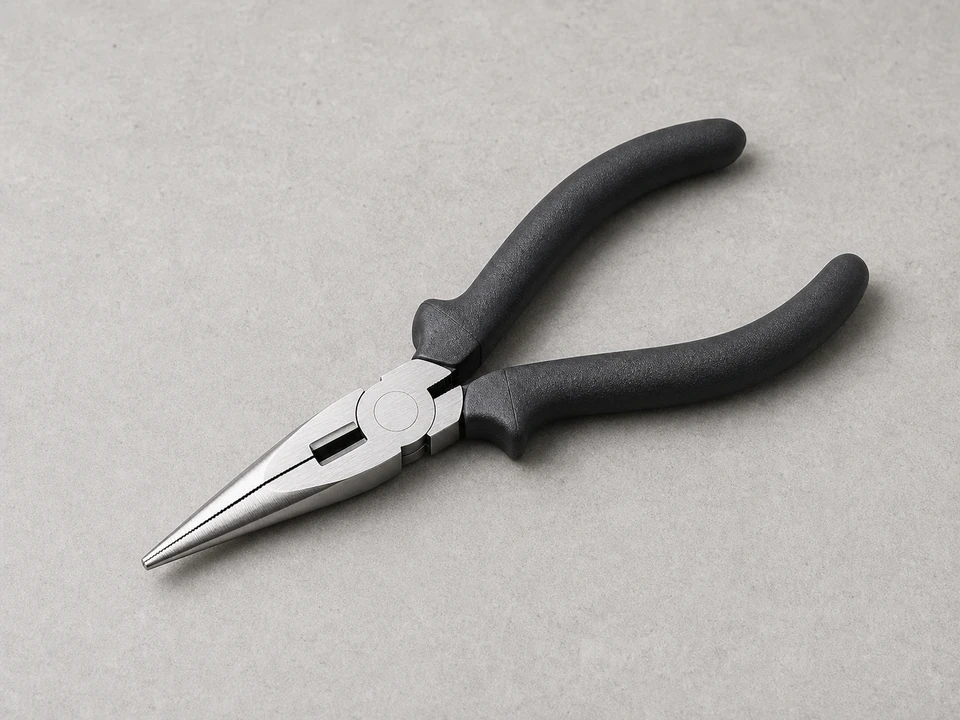
Use it for: Helps release wire connectors, spring clamps, or retaining clips without pulling on the wires.
Shop needle-nose pliers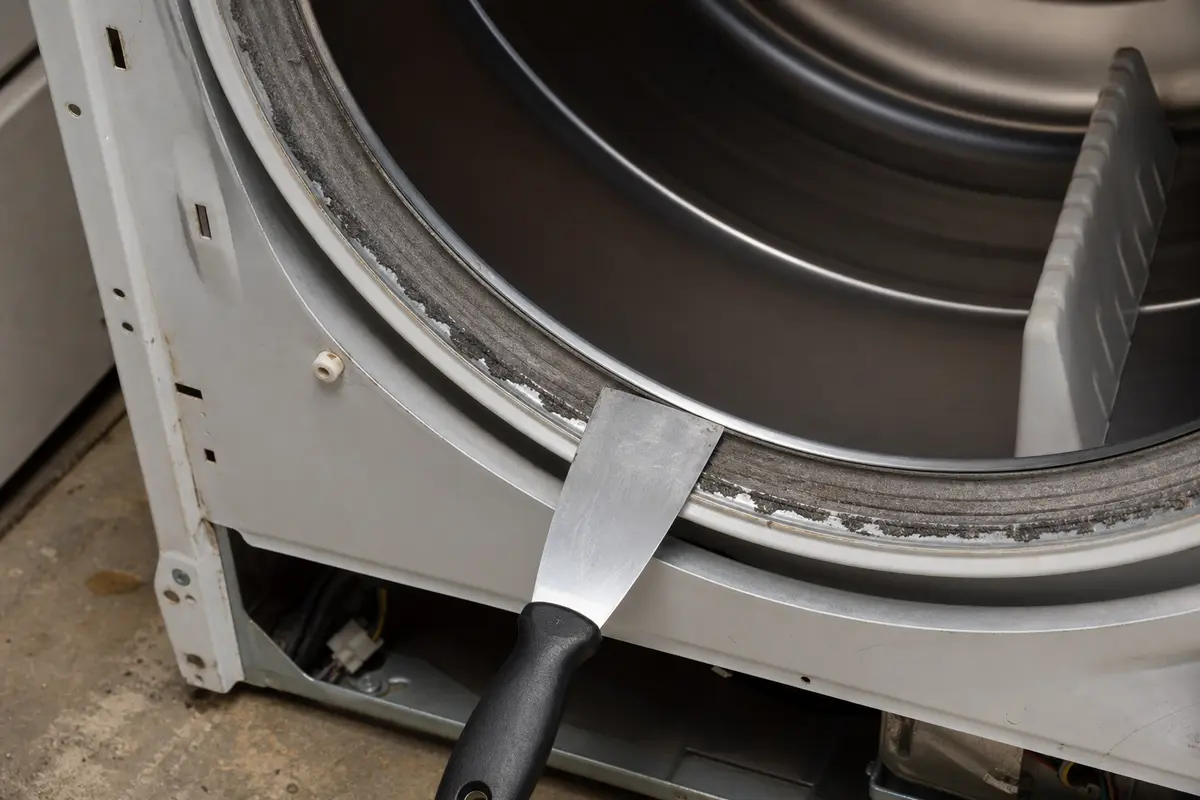
Use it for: Useful for releasing spring clips on some washer tops or front panels.
Shop putty knives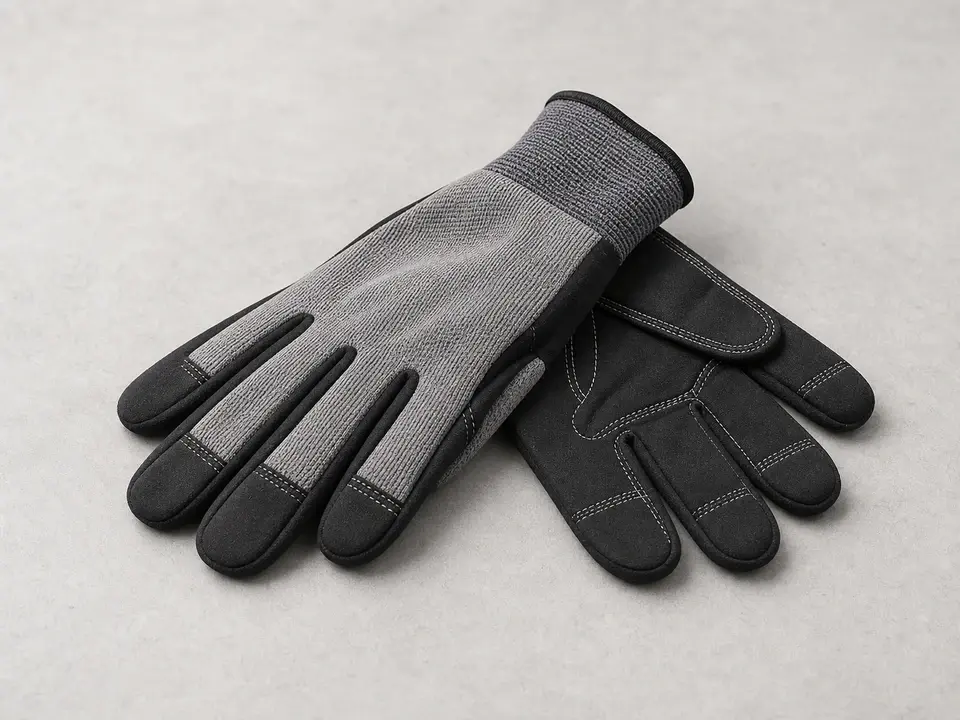
Use it for: Protects your hands from sharp cabinet edges and brackets inside the washer.
Shop work glovesAs an Amazon Associate I earn from qualifying purchases. Repair Riot may earn a commission at no extra cost to you.
If it works: The symptoms point to a failed lock assembly or a damaged strike that keeps the lock from engaging.
If it doesn’t: If the washer locks normally and the problem is more about draining, spinning, or filling, diagnose that system before replacing the lock.
If it works: You can safely reach the back side of the door latch or lid lock area.
If it doesn’t: If you cannot reach the lock without forcing panels, look for hidden screws at the back, under trim pieces, or under the top edge.
If it works: The old lock assembly is out and the wiring is free without damage.
If it doesn’t: If the connector is stuck, use needle-nose pliers carefully on the connector body or release tab instead of tugging on the wires.
If it works: The new lock assembly is mounted securely and the wiring is fully connected.
If it doesn’t: If the new part does not line up or the connector does not match, stop and verify the replacement part number for your exact washer.
If it works: The washer is back together and ready for a live test.
If it doesn’t: If the door or lid does not close smoothly after reassembly, reopen the access area and check lock position and panel alignment.
If it works: The washer locks, runs, and unlocks normally, which confirms the repair held in real use.
If it doesn’t: If the washer still will not recognize the door or lid as closed, inspect the strike, harness connection, and alignment again. If those look good, the problem may be in the control or wiring rather than the lock itself.
Match the replacement part to your exact washer before ordering.
As an Amazon Associate I earn from qualifying purchases. Repair Riot may earn a commission at no extra cost to you.
Common signs are a washer that will not start, will not lock, unlocks unexpectedly, or keeps saying the door or lid is open when it is shut. A broken strike or bad alignment can cause similar symptoms, so check those too.
Usually no. Most washers will not run correctly without a working lock, and forcing the door or lid can damage the strike, hinge, or new part.
Only if it is cracked, worn, bent, or missing. A damaged strike can keep a new lock from working, so inspect it before you button the washer back up.
The most common reasons are the wrong replacement part, a loose harness connection, a damaged strike, poor alignment, or a wiring or control problem upstream of the lock.
The access steps are different, but the basic job is the same: unplug the washer, reach the lock, disconnect the harness, swap the part, and test that it locks and unlocks normally.