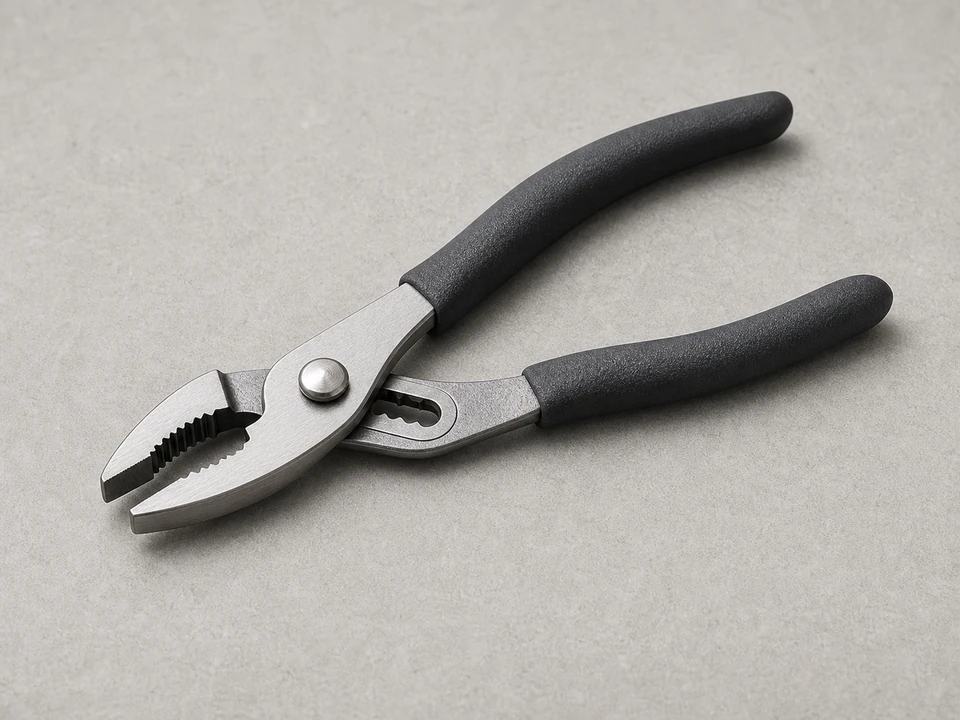
Slip joint pliers
Use it for: To loosen and reposition spring clamps on the hose connections.
Shop slip-joint pliersTo replace a washer drain hose, unplug the washer, shut off the water if you need to move it, remove the old drain hose from the pump and rear outlet, install the new hose in the same routing, secure the clamps, and test a drain cycle for leaks.
This is a good repair when the drain hose is cracked, split, kinked beyond recovery, or clogged badly enough that cleaning will not restore normal draining. Take your time moving the washer and keep a towel or shallow pan ready because some water usually spills out.
Before you start: Match the replacement part to your exact washer before ordering.
Use it for: To loosen and reposition spring clamps on the hose connections.
Shop slip-joint pliers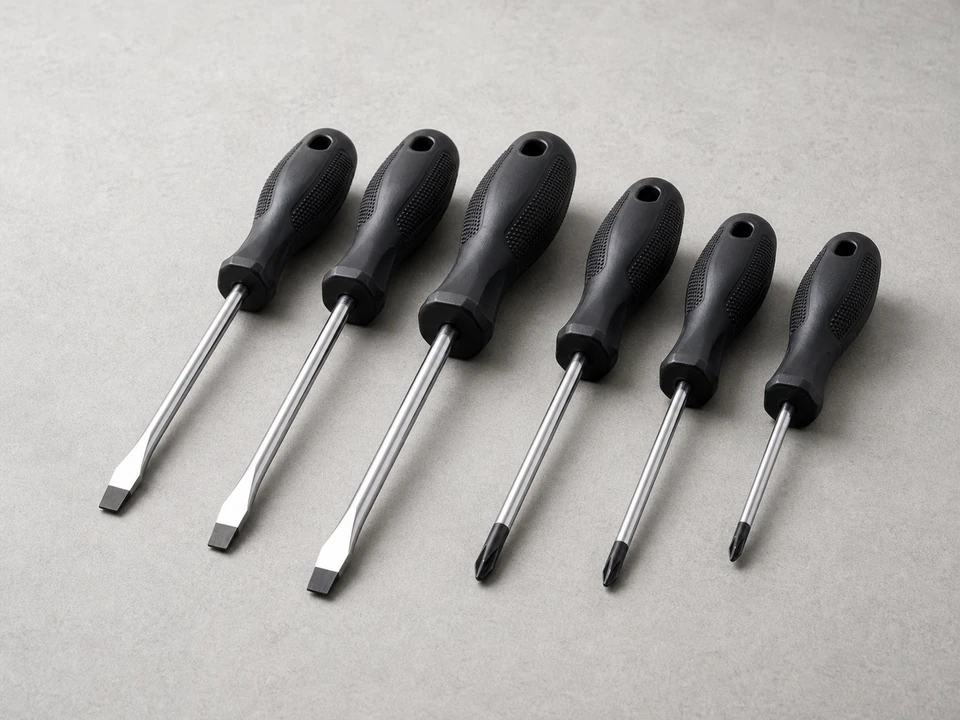
Use it for: To remove rear panels or hose clamps if your washer uses screw-type fasteners.
Shop screwdriver set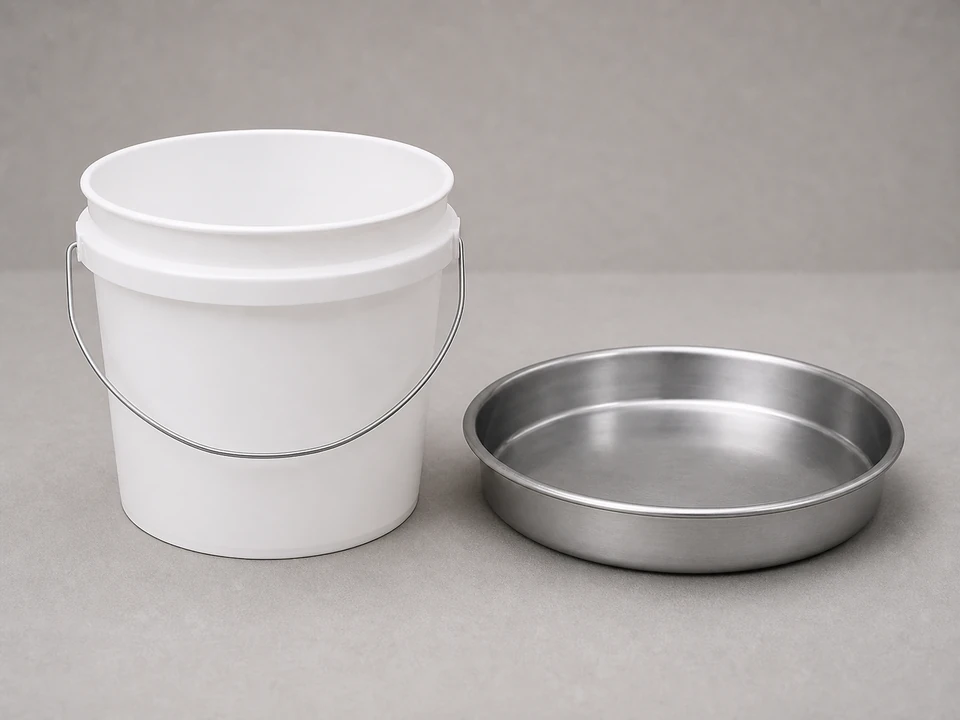
Use it for: To catch leftover water when the old hose comes off.
Find a drain pan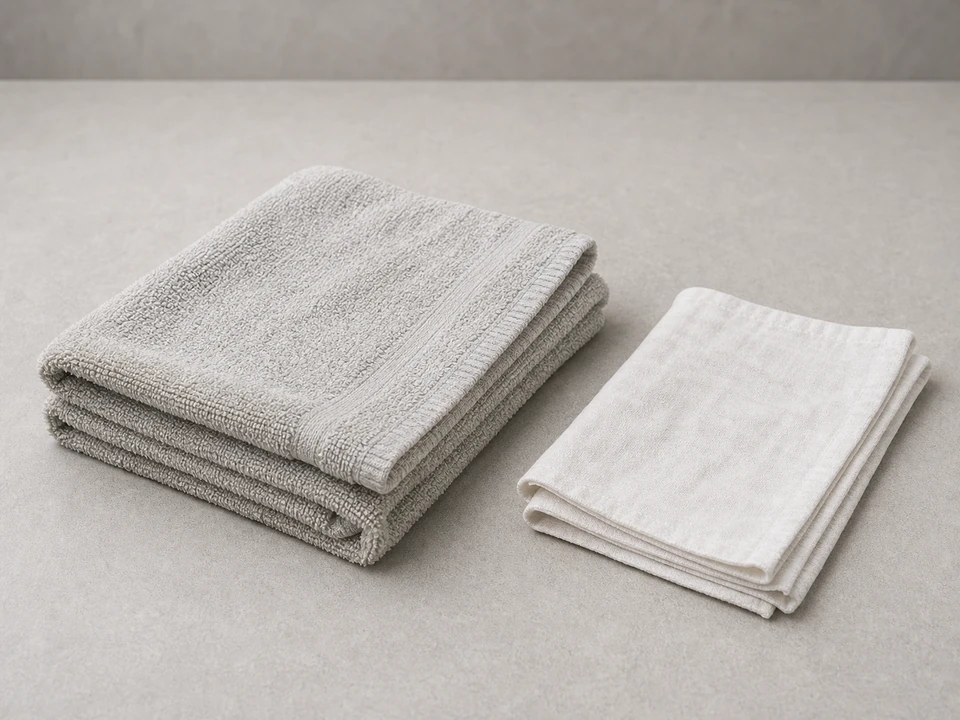
Use it for: To protect the floor and soak up spills.
Shop absorbent shop towels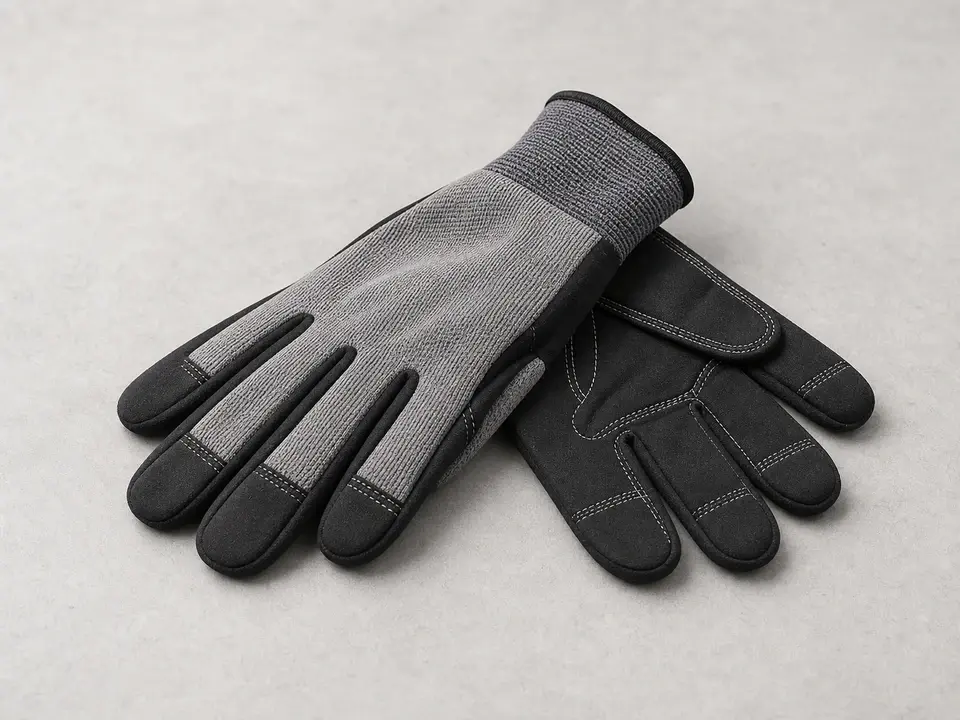
Use it for: To protect your hands from sharp cabinet edges and dirty water.
Find work gloves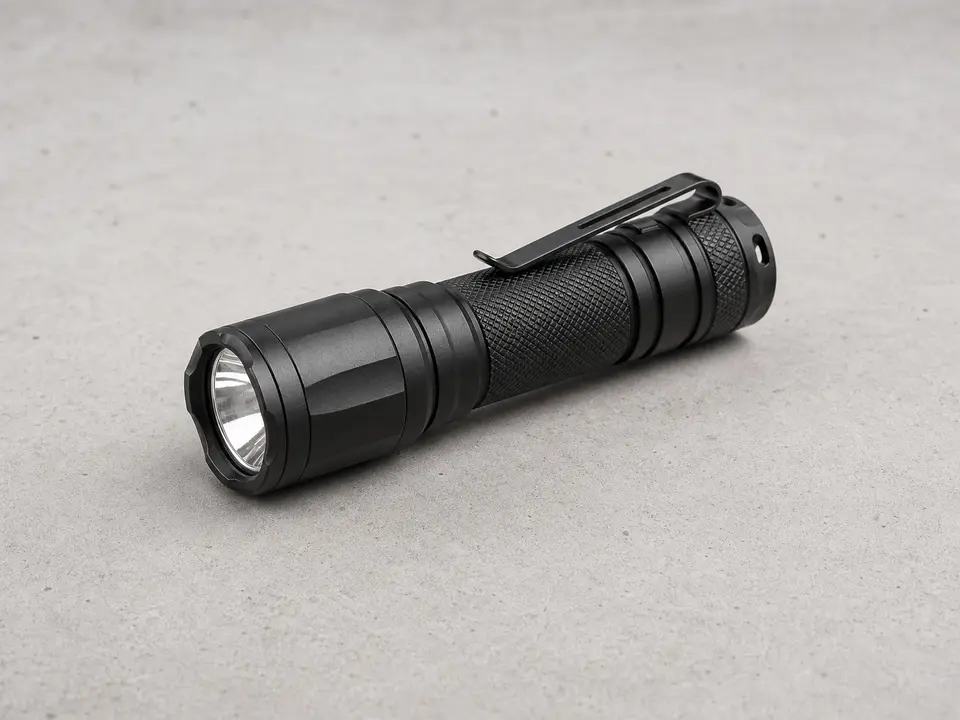
Use it for: To see the pump connection and hose routing behind the washer.
Shop LED flashlightAs an Amazon Associate I earn from qualifying purchases. Repair Riot may earn a commission at no extra cost to you.
If it works: You have good reason to replace the washer drain hose because it is damaged, badly clogged, or leaking from the hose itself.
If it doesn’t: If the hose looks sound and the leak or no-drain problem points to the pump, standpipe, or another part, stop here and diagnose that issue instead.
If it works: The washer is safely disconnected and you can reach the drain hose area with spill protection in place.
If it doesn’t: If the washer is too heavy to move safely, get help before continuing.
If it works: The old drain hose is off the washer and out of its routing path.
If it doesn’t: If the hose is stuck, rotate it gently to break it loose rather than prying hard on the pump outlet.
If it works: The new hose is fully seated, clamped, and routed without twists or sharp bends.
If it doesn’t: If the new hose does not match the old one closely enough to fit and route correctly, pause and get the correct replacement.
If it works: The washer is reassembled, powered, and positioned without pinching the new hose.
If it doesn’t: If the hose keeps kinking as you move the washer back, pull the washer forward and reroute the hose with a smoother bend.
If it works: The washer drains normally and the new hose stays dry at both ends during an empty test and a real load.
If it doesn’t: If it still leaks, recheck clamp position, hose routing, and whether the standpipe is overflowing. If it still will not drain, the problem may be the pump or a blockage elsewhere.
Match the replacement part to your exact washer before ordering.
As an Amazon Associate I earn from qualifying purchases. Repair Riot may earn a commission at no extra cost to you.
Usually yes, if the clamp is not rusted, bent, or weak. If it no longer grips tightly, replace it so the new hose can seal properly.
A clog usually causes slow draining or no draining without an obvious split in the hose. A damaged hose often shows cracks, rubbing wear, or visible leaking during drain. If the hose is badly clogged and brittle, replacement is usually the better fix.
Not always, because you are working on the drain side. But if you need to move the washer, shutting off the supply valves helps prevent strain or accidental leaks from the fill hoses.
The problem may be a blocked pump, a failed drain pump, a clog in the house drain, or an installation issue like a kinked hose. Recheck the hose routing first, then look at the pump and standpipe.
Sometimes a mild kink can be corrected by rerouting the hose. If the hose has a permanent crease, soft spot, or repeated clogging from the kink, replacement is the more reliable repair.