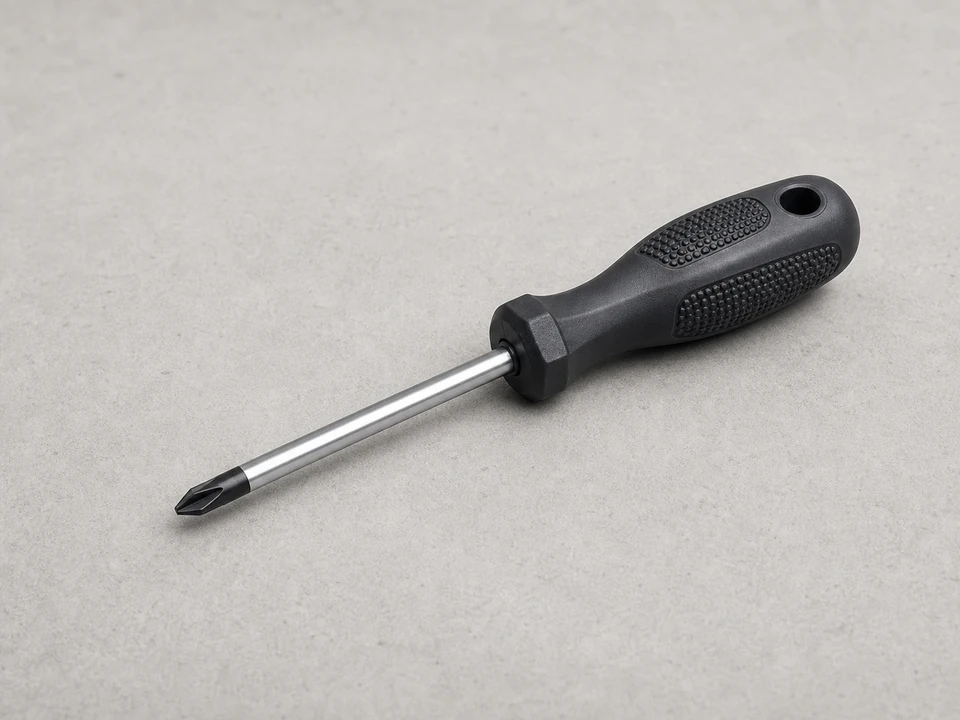
Phillips screwdriver
Use it for: To remove access panels or pump mounting screws.
Shop Phillips screwdriversIf your washer fills and washes but will not drain, and the drain hose is not kinked or clogged, replacing the washer drain pump is a common fix.
This repair is mostly about safe access, controlling leftover water, and moving the hoses and wire plug to the new pump in the same positions. Take a photo before you disconnect anything, and test the washer with a real drain cycle when you are done.
Before you start: Match the pump housing layout, hose ports, and washer compatibility before ordering.
Use it for: To remove access panels or pump mounting screws.
Shop Phillips screwdrivers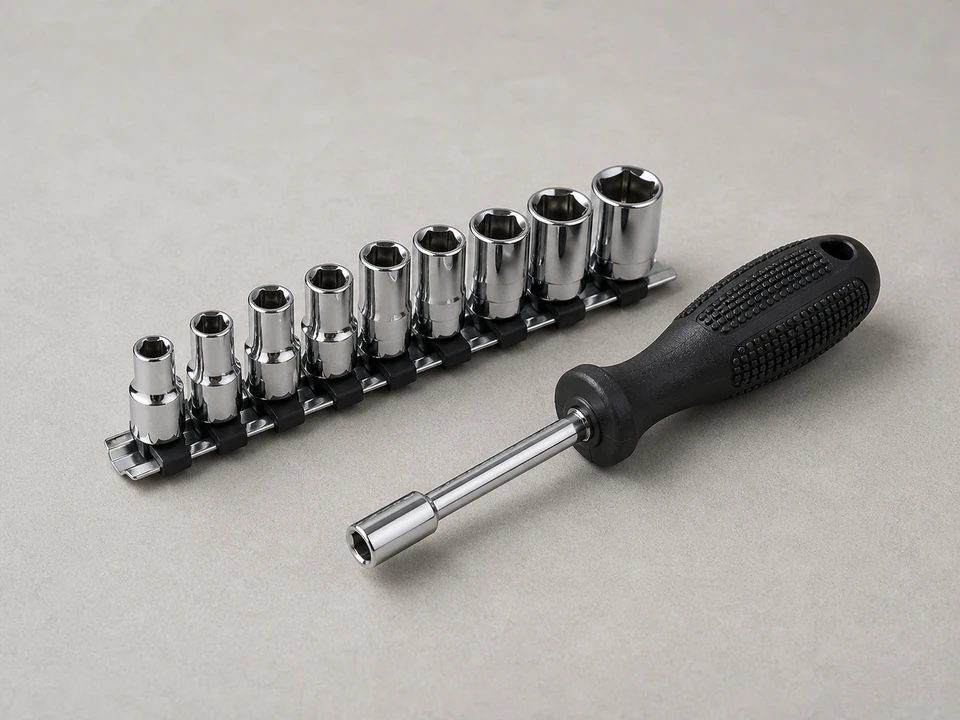
Use it for: Many washers use hex-head screws on lower panels and pump brackets.
Shop nut drivers and sockets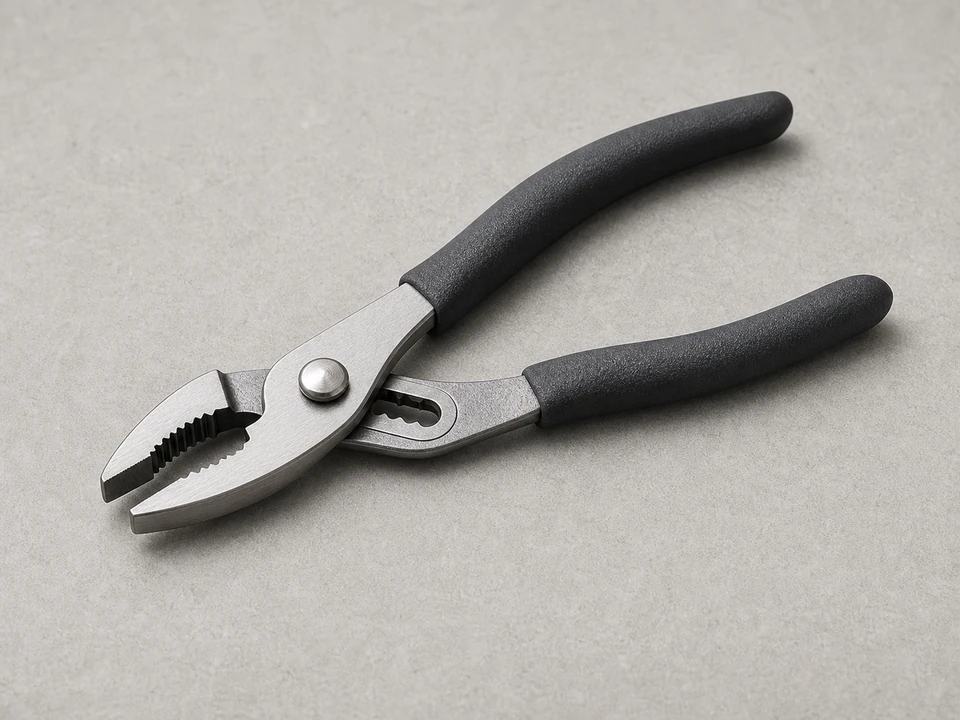
Use it for: To compress hose clamps and remove the drain hoses from the pump.
Shop slip-joint pliers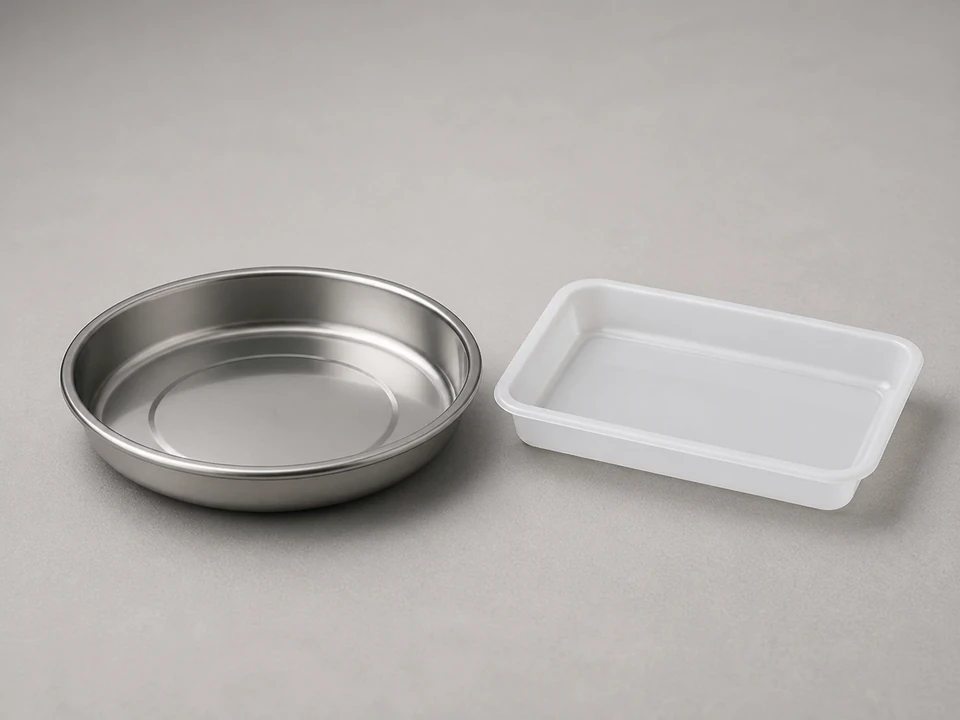
Use it for: To catch the water that spills out when the pump hoses come off.
Shop drain pans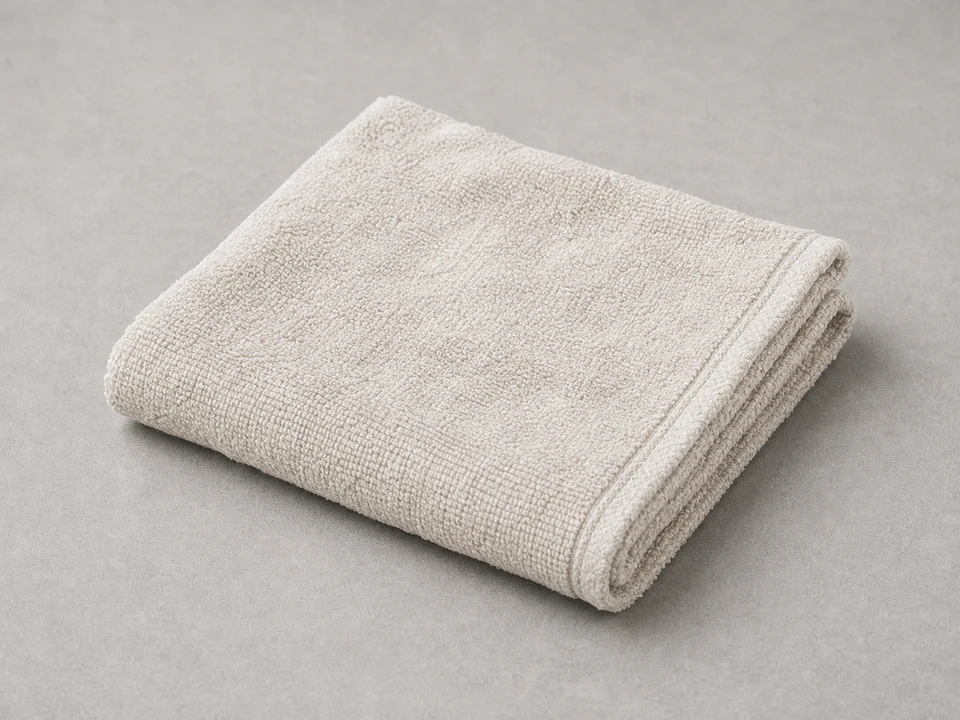
Use it for: To protect the floor and soak up leftover water around the pump area.
Shop absorbent shop towels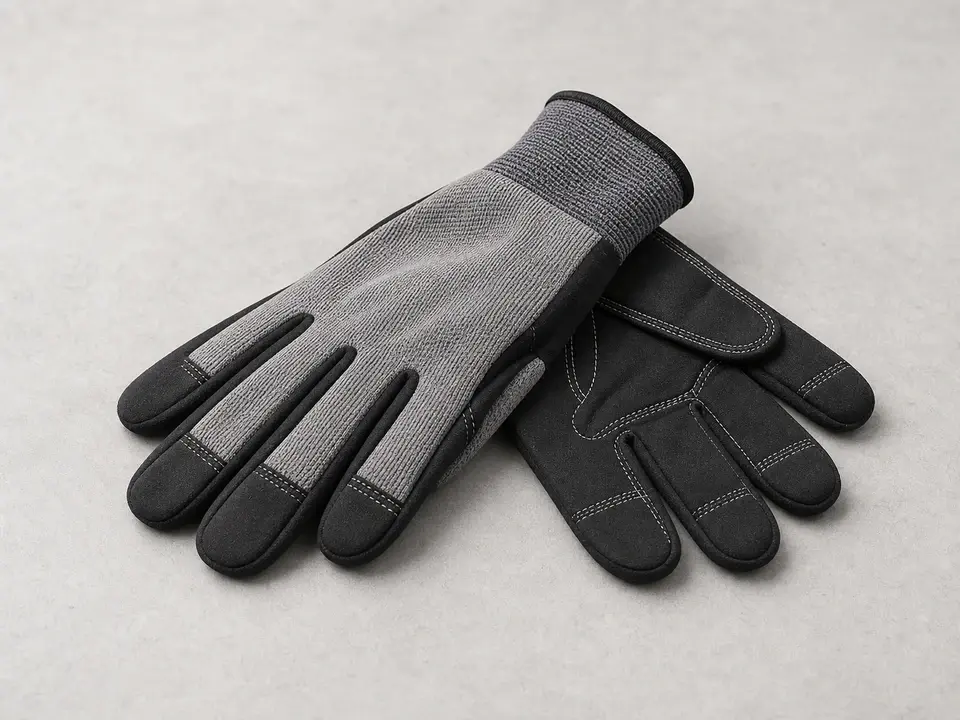
Use it for: To protect your hands from sharp cabinet edges and dirty standing water.
Shop work glovesAs an Amazon Associate I earn from qualifying purchases. Repair Riot may earn a commission at no extra cost to you.
If it works: You have ruled out the easiest external causes and the drain pump is a reasonable next repair.
If it doesn’t: If clearing the hose or filter restores normal draining, you do not need to replace the pump right now.
If it works: You can clearly reach the drain pump and you have a safe way to catch leftover water.
If it doesn’t: If access is too tight, move the washer farther out and check for hidden screws along the panel edges.
If it works: The old pump is out and the hoses and connector are ready for the replacement.
If it doesn’t: If a hose is stuck, twist it gently to break it loose instead of prying hard enough to crack the pump housing or hose fitting.
If it works: The new pump is mounted securely, wired correctly, and the hoses are fully seated.
If it doesn’t: If the new pump does not line up or the hose ports differ, recheck compatibility before forcing the installation.
If it works: The washer drains, the pump runs, and there are no leaks during the first test cycle.
If it doesn’t: If a hose connection drips, unplug the washer and reseat the hose and clamp before testing again.
If it works: The washer drains normally in a real cycle and stays dry afterward.
If it doesn’t: If the washer drains slowly or leaves water behind, inspect the house drain, internal hoses, and any pump filter area for a remaining restriction.
Match the pump housing layout, hose ports, and washer compatibility before ordering.
As an Amazon Associate I earn from qualifying purchases. Repair Riot may earn a commission at no extra cost to you.
A bad pump often shows up as a washer that washes normally but will not drain, drains very slowly, or hums during the drain portion without moving water. Check for a kinked drain hose or clogged filter first, because those problems can look the same.
Many homeowners can handle it with basic tools if they can safely access the pump and manage the leftover water. The main jobs are removing a panel, moving hose clamps, swapping the wire plug, and checking for leaks.
The tub, sump area, and pump hoses can hold a surprising amount of water. That is normal during this repair, so set towels and a shallow pan under the pump before loosening the hoses.
Not always. Reuse the hoses if they are flexible, intact, and seal well. Replace them if they are split, hardened, swollen, or damaged at the ends.
The problem may be a clog in the internal hose or house drain, a blocked filter area, damaged wiring, or a control issue. At that point, the pump was not the only cause and more diagnosis is needed.