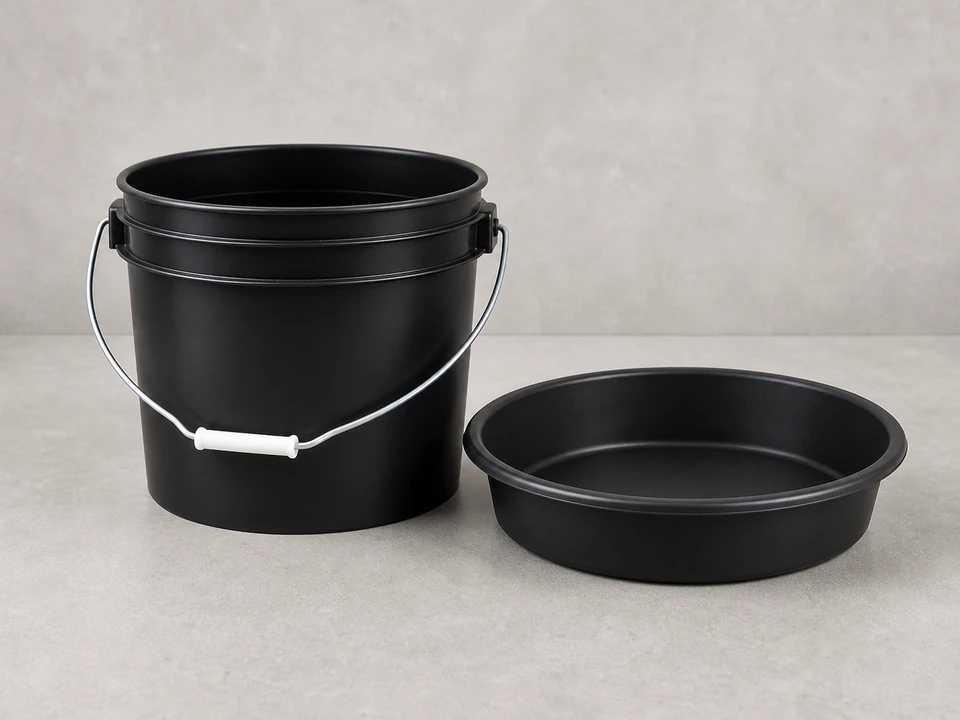
Bucket or shallow pan
Use it for: Catches the water that drains out when you open the filter housing.
Shop buckets and drain pansTo replace a water filter cartridge, shut off the water, relieve pressure, remove the old cartridge, clean the housing, install the matching new cartridge, and slowly turn the water back on while checking for leaks and normal flow.
This is a straightforward repair when the cartridge is the real cause of low flow, poor filtration, or a filter that will not seal correctly after service. Work slowly, keep parts clean, and do not force the housing or cartridge into place.
Before you start: Match the cartridge shape, stem pattern, and fixture compatibility before ordering.
Use it for: Catches the water that drains out when you open the filter housing.
Shop buckets and drain pans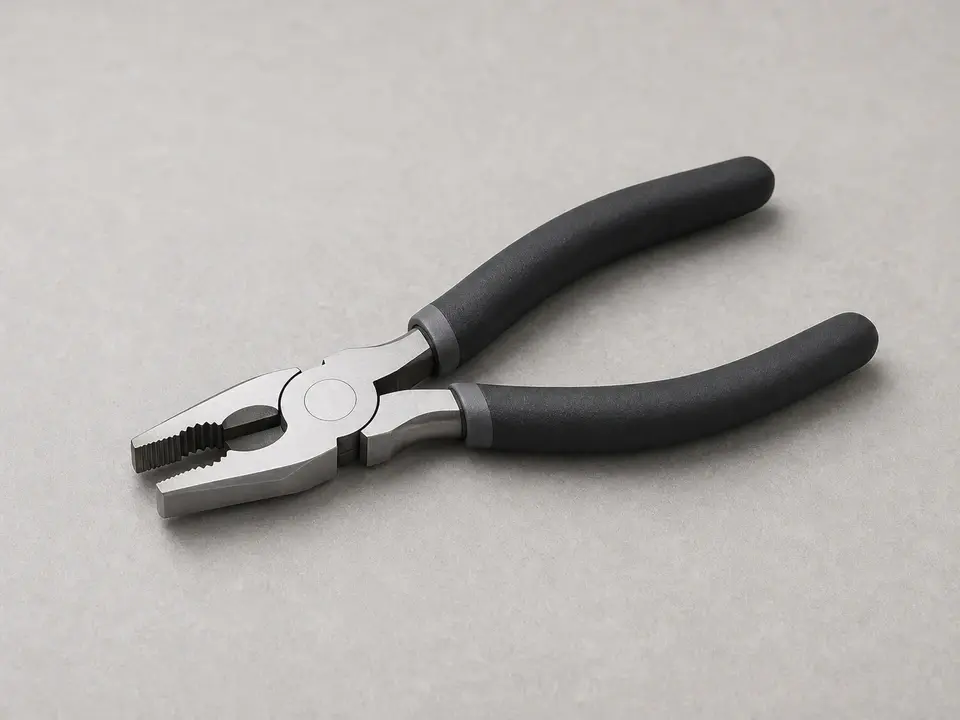
Use it for: Helps loosen a stuck filter housing without over-gripping it by hand.
Find a filter housing wrench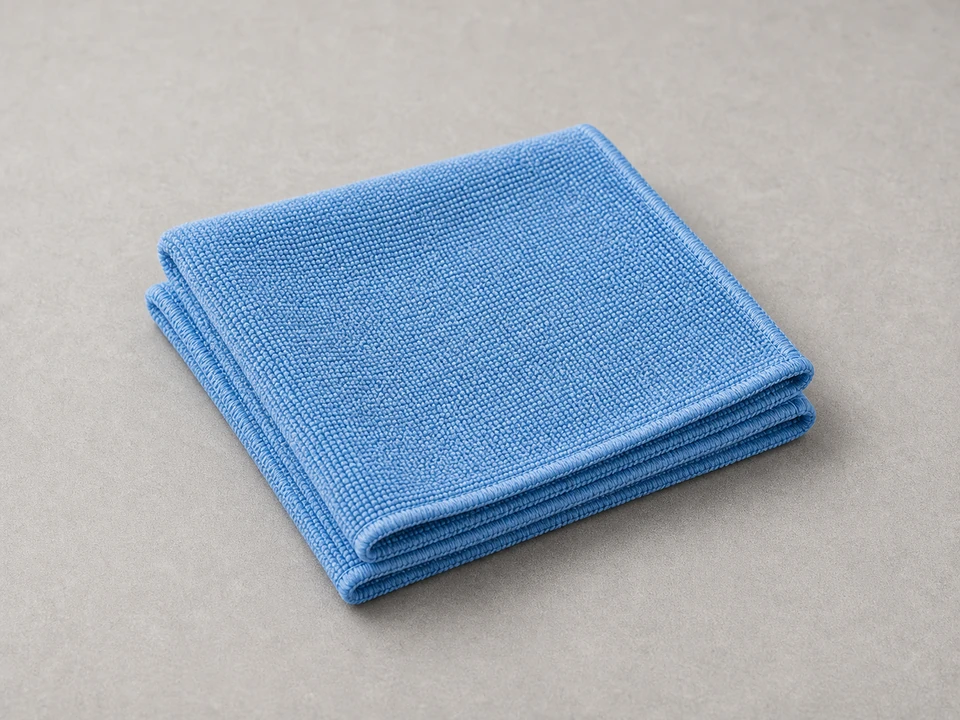
Use it for: Wipes out the housing and cleans the sealing surfaces before reassembly.
Shop cleaning cloths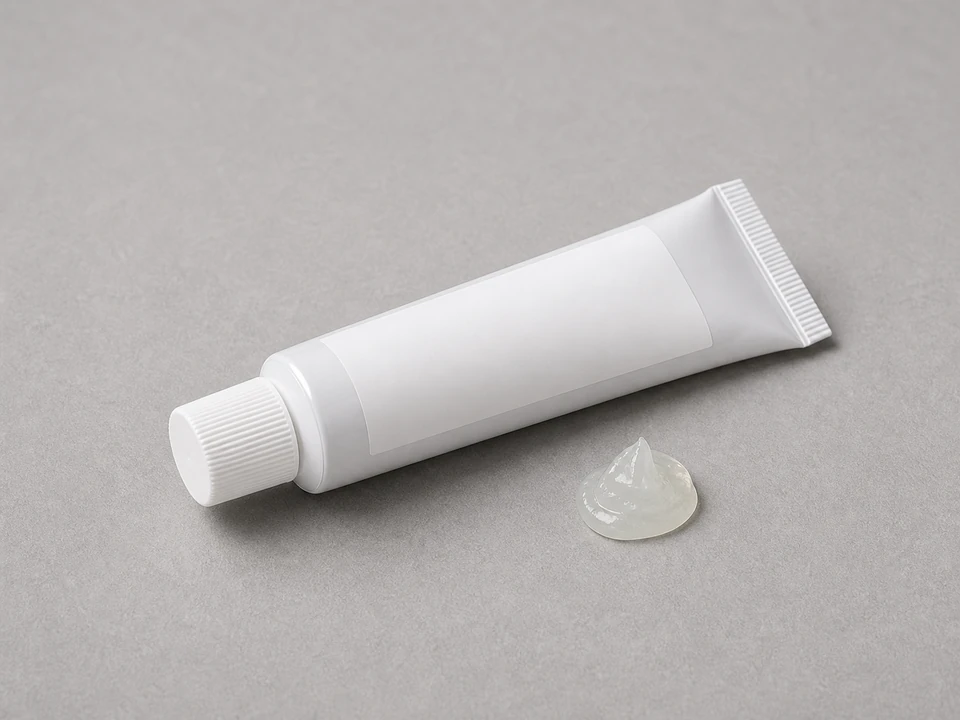
Use it for: Lightly lubricates the O-ring if your housing uses one, helping it seat without twisting.
Find food grade silicone grease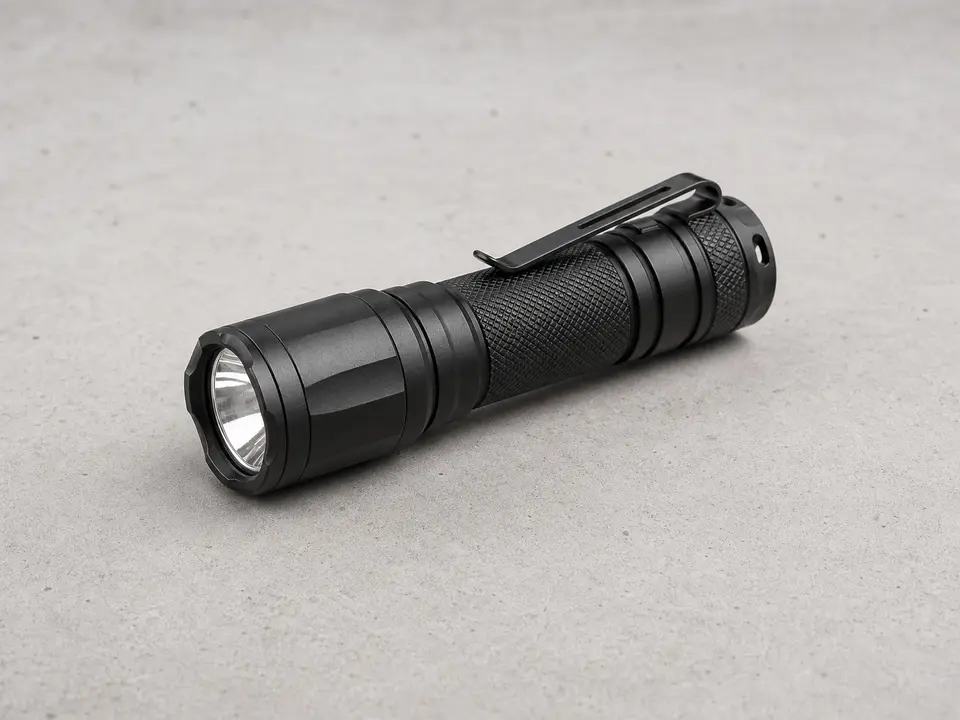
Use it for: Makes it easier to inspect the housing threads, O-ring groove, and leaks after restart.
Shop flashlightsAs an Amazon Associate I earn from qualifying purchases. Repair Riot may earn a commission at no extra cost to you.
If it works: You have a matching replacement cartridge and the housing looks serviceable.
If it doesn’t: If the new cartridge does not match the old one exactly enough to seat the same way, pause and get the correct replacement first.
If it works: Water pressure is relieved and the work area is ready to catch the remaining water.
If it doesn’t: If the housing still feels pressurized, open the outlet again and wait a moment before loosening it further.
If it works: The old cartridge is out and you can clearly inspect the housing and seal.
If it doesn’t: If the housing is hard to remove, apply steady pressure with the correct wrench instead of forcing it with excessive grip or impact.
If it works: The housing is clean and the seal is ready to seat evenly.
If it doesn’t: If the O-ring will not stay seated or looks worn, replace it before installing the new cartridge.
If it works: The new cartridge is seated correctly and the housing is reassembled straight and snug.
If it doesn’t: If the housing does not thread on smoothly by hand, back it off and realign it before tightening again.
If it works: Water flows steadily, trapped air clears out, and the housing stays dry.
If it doesn’t: If you see a small leak, shut the water back off, relieve pressure, and check the O-ring position, cartridge seating, and housing alignment.
If it works: The filter runs at normal pressure, water quality is back to expected, and no new leaks appear during real use.
If it doesn’t: If flow is still poor after a correct cartridge replacement, look for a clogged prefilter, a partially closed valve, sediment in the line, or a different restriction elsewhere in the system.
Match the cartridge shape, stem pattern, and fixture compatibility before ordering.
As an Amazon Associate I earn from qualifying purchases. Repair Riot may earn a commission at no extra cost to you.
It depends on the filter type, water quality, and how much water you use. Many cartridges are replaced on a time schedule or when flow drops noticeably. If you know the old cartridge is overdue, replacement is usually the right first step.
The new cartridge may be the wrong fit, not fully seated, or still flushing trapped air and fines. If the installation looks correct, check for a clogged prefilter, a partially closed shutoff valve, sediment in the housing, or another restriction in the plumbing.
Not always, but inspect it every time. If it is cracked, flattened, stretched, or nicked, replace it. A worn O-ring is a common reason a filter housing leaks after a cartridge change.
No. Overtightening can crack a plastic housing or distort the seal. A leak is more often caused by a dirty sealing surface, a twisted O-ring, cross-threading, or the wrong cartridge.
Yes, briefly. Air in the housing and loose carbon fines can cause sputtering or temporary cloudiness during the initial flush. It should clear as water runs through the new cartridge.