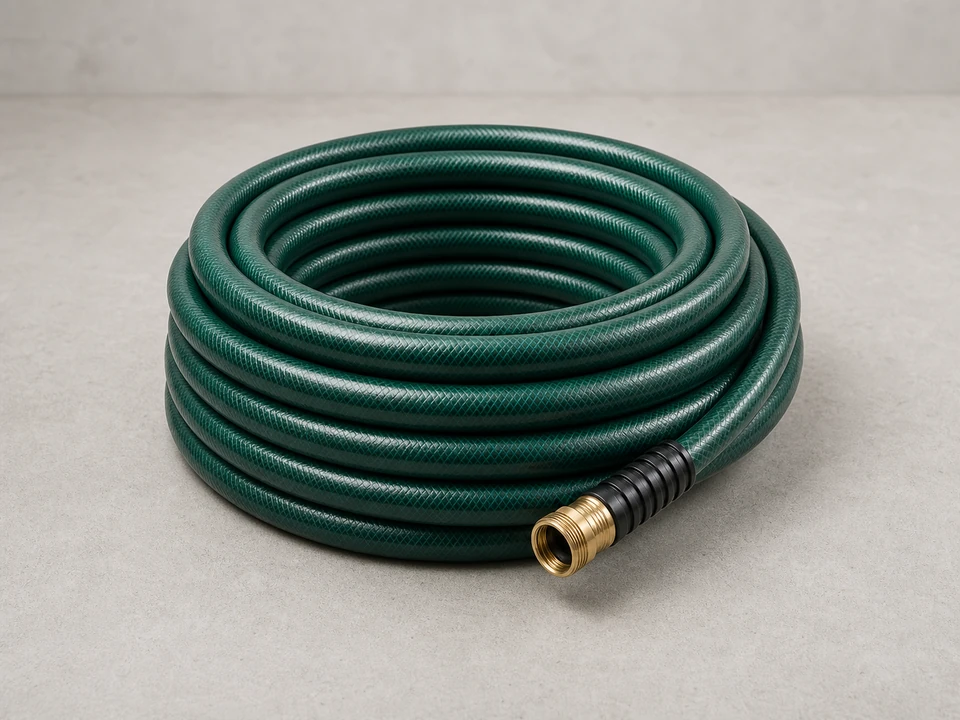
Garden hose
Use it for: To drain water from the tank to a safe location.
Shop garden hoses for drainingTo replace a water heater drain valve, shut off power or gas, close the cold water supply, drain the tank below the valve opening, remove the old valve, install the new one with thread sealant, then refill and check for leaks.
This repair is usually worth doing when the drain valve drips, will not close fully, or is damaged at the hose threads. The job is straightforward, but you need to work carefully around hot water and a heavy tank full of water.
Before you start: Match the valve's pipe thread size, hose connection style, and whether your heater uses a short or extended shank before ordering.
Use it for: To drain water from the tank to a safe location.
Shop garden hoses for draining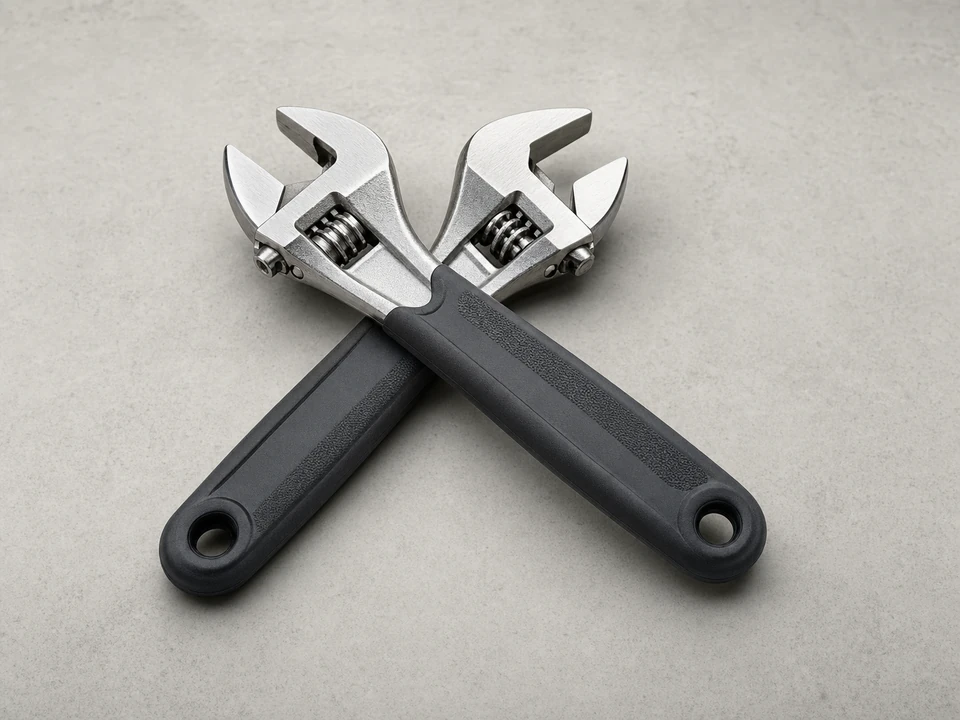
Use it for: To loosen and tighten the drain valve.
Find an adjustable wrench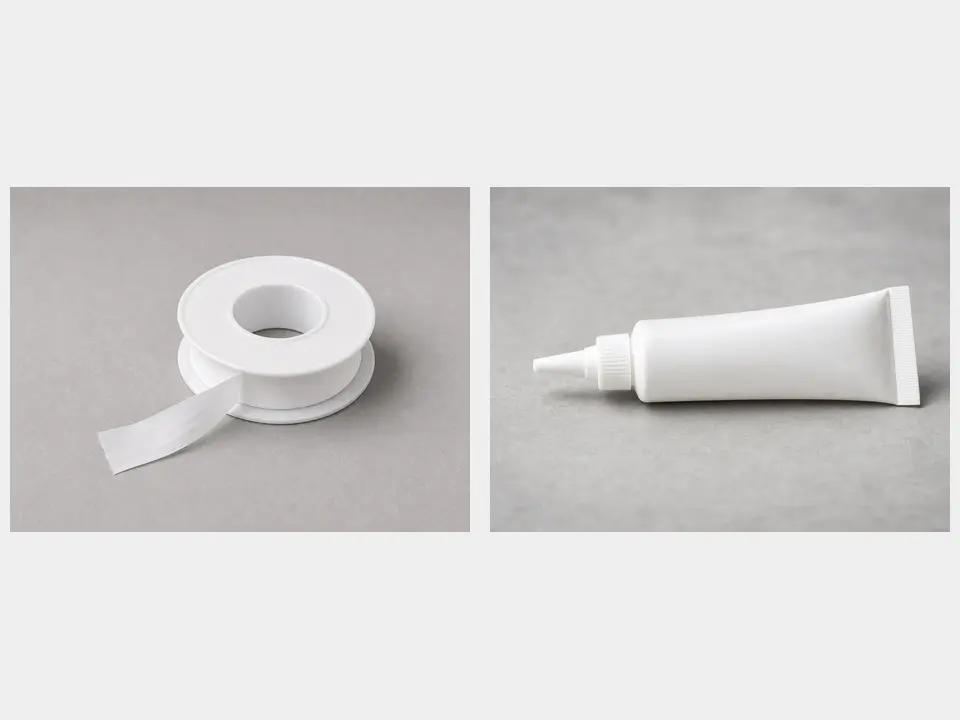
Use it for: To seal the new valve threads and help prevent leaks.
Get thread seal tape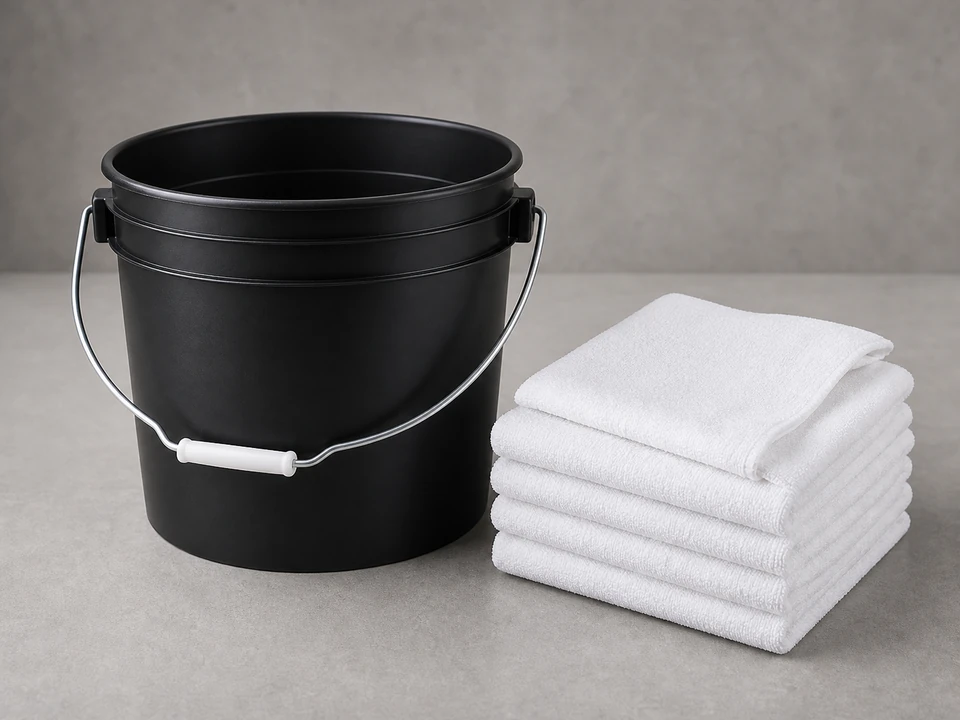
Use it for: To catch leftover water when the old valve comes out.
Shop buckets and towels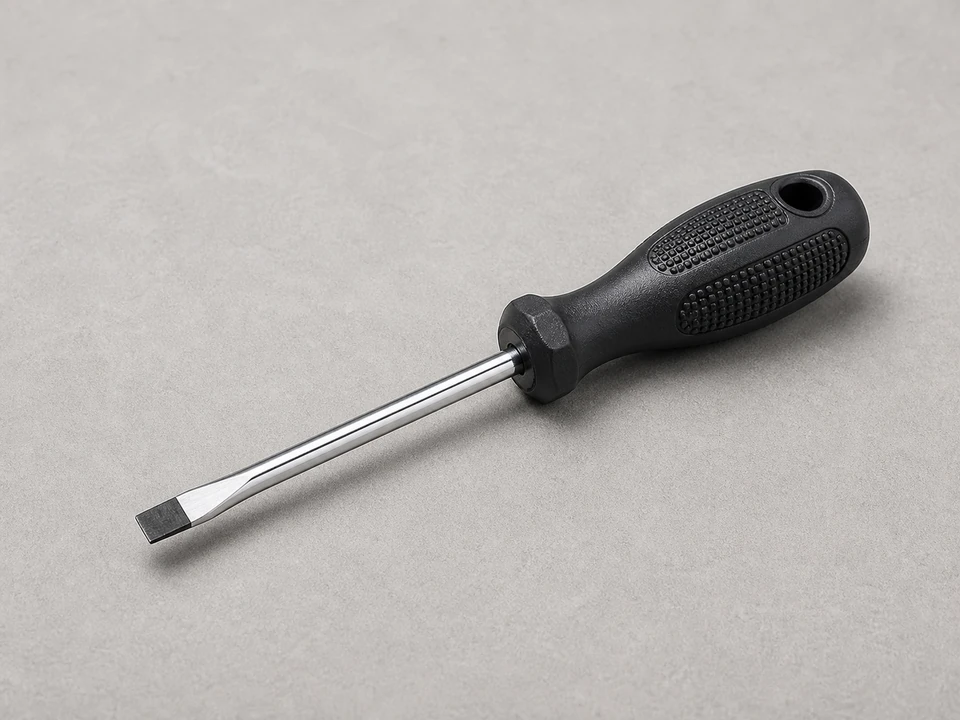
Use it for: To open some drain valves or help remove trim around the work area if needed.
Find a flat screwdriver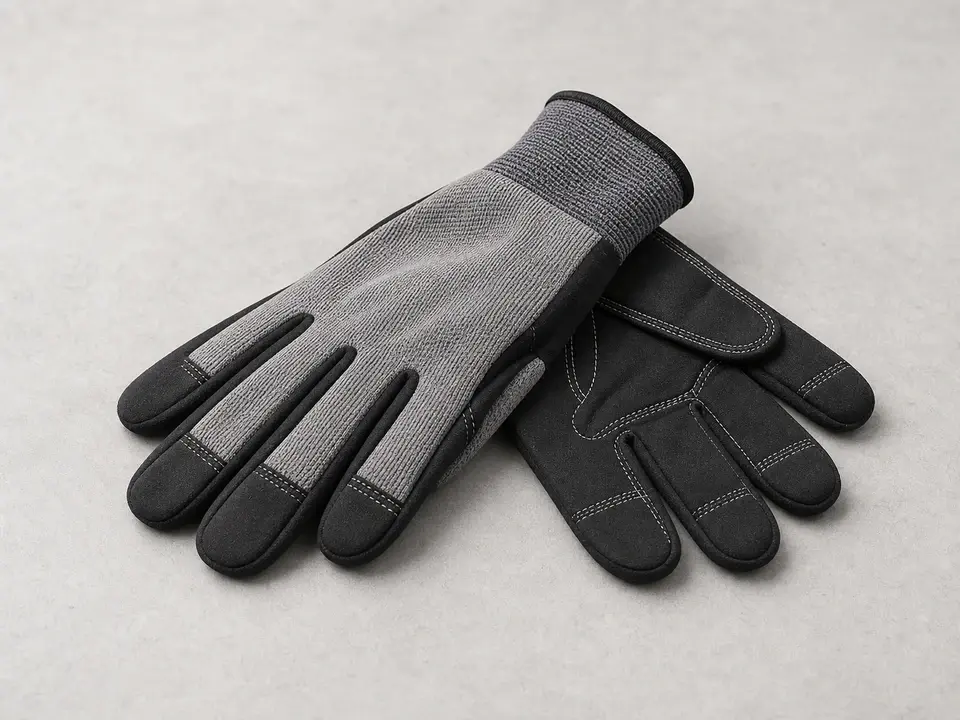
Use it for: To protect your hands from hot fittings and sharp edges.
Get work glovesAs an Amazon Associate I earn from qualifying purchases. Repair Riot may earn a commission at no extra cost to you.
If it works: You have confirmed the leak or failure is coming from the drain valve itself.
If it doesn’t: If water is coming from higher up, from the tank body, or from a nearby fitting, fix that leak instead before replacing the drain valve.
If it works: The heater is off, pressure is relieved, and the tank water level is below the drain valve opening.
If it doesn’t: If the tank will not drain through the old valve, you may need to open and close it a few times to clear debris or use a bucket and work slowly when removing the valve.
If it works: The old drain valve is out and the tank opening is clean enough for the new valve.
If it doesn’t: If the valve will not budge, apply steady pressure instead of jerking the wrench. If it still will not move, the threads may be seized and the repair may need a plumber.
If it works: The new drain valve is installed straight, snug, and closed.
If it doesn’t: If the valve will not thread in smoothly by hand, remove it and start again. Cross-threading will cause leaks and can damage the tank fitting.
If it works: The tank is full again, air is purged, and the heater is back in service without an obvious leak at the new valve.
If it doesn’t: If you see a slow drip at the threads, shut the water back off, relieve pressure, and tighten the valve slightly or reinstall it with fresh sealant.
If it works: The new drain valve stays dry during refill, heating, and normal hot water use.
If it doesn’t: If the valve still leaks after careful reinstalling, the tank threads may be damaged or the leak may be coming from another source nearby.
Match the valve's pipe thread size, hose connection style, and whether your heater uses a short or extended shank before ordering.
As an Amazon Associate I earn from qualifying purchases. Repair Riot may earn a commission at no extra cost to you.
Usually you need to lower the water level below the valve opening. On many heaters that means draining most or all of the tank. If you remove the valve with water above that level, water will keep pouring out.
The valve may have worn internal seals, mineral buildup on the seat, damaged hose threads, or a crack in the plastic or brass body. If tightening it gently does not stop the drip, replacement is the usual fix.
Either can work if it is suitable for threaded plumbing connections. Follow the sealant directions and avoid overapplying it. The important part is starting the valve straight and tightening it snugly without cross-threading.
Sediment often blocks the opening. You can try opening and closing the valve a few times or gently probing the outlet once pressure is relieved. If it still will not drain, expect extra water when the valve comes out and work with a bucket and towels, or call a plumber.
Not always. A leak only at the drain valve can be a simple valve failure. But if the tank body, bottom seam, or heavily rusted fitting area is leaking, the problem is larger than the valve.