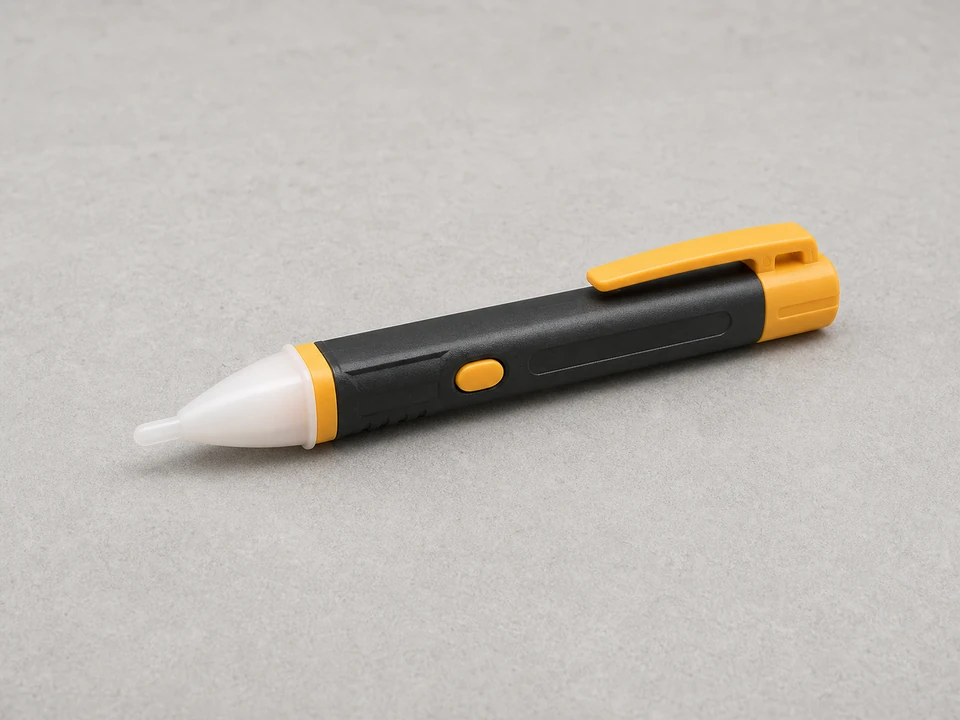
Non contact voltage tester
Use it for: To confirm power is actually off before touching any wiring.
Shop non-contact voltage testersTo replace a water heater lower thermostat, shut off power at the breaker, confirm the lower thermostat is the likely failed part, remove the access cover and insulation, transfer the wires to the new thermostat one at a time, clip it firmly against the tank, then restore power and verify the heater recovers normally.
The lower thermostat helps control heating in the lower part of an electric water heater tank. When it fails, recovery can get slow or uneven. This job is straightforward if you work carefully and keep the power off the entire time.
Before you start: Match the replacement part to your exact water heater before ordering.
Use it for: To confirm power is actually off before touching any wiring.
Shop non-contact voltage testers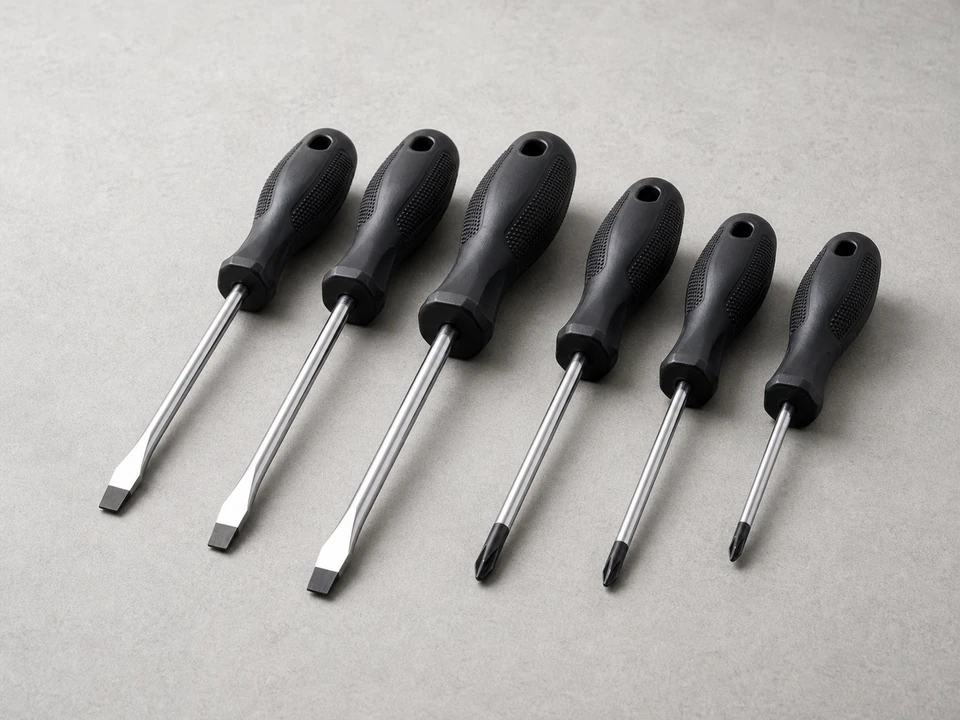
Use it for: To remove the access cover and move thermostat terminal screws.
Shop screwdriver sets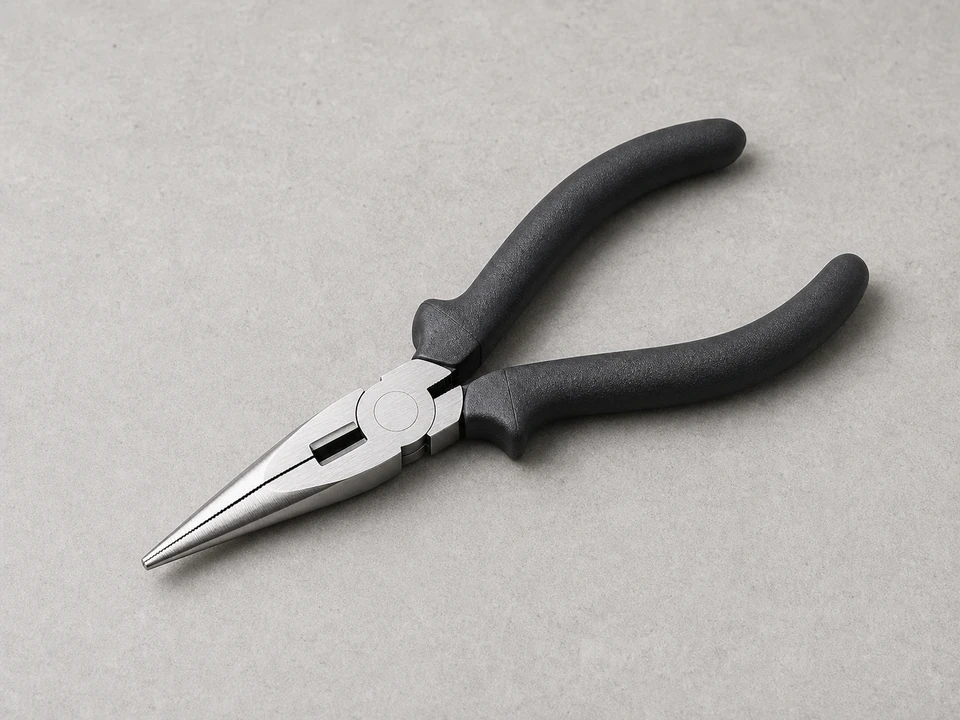
Use it for: To guide wires onto terminals if space is tight.
Shop needle-nose pliers
Use it for: To take a clear wire photo before moving anything.
Shop basic phone tripods and holdersAs an Amazon Associate I earn from qualifying purchases. Repair Riot may earn a commission at no extra cost to you.
If it works: You have an electric water heater and the lower thermostat is still a reasonable repair path.
If it doesn’t: If the heater is gas-fired, leaking, or has obvious element or wiring damage, stop troubleshooting this part and address the correct problem first.
If it works: The lower thermostat is exposed and the wiring area tests dead.
If it doesn’t: If your tester still shows power, go back to the panel and identify the correct breaker before touching any wires.
If it works: The old lower thermostat is out and you have a clear record of the original wire layout.
If it doesn’t: If the wiring photo is unclear, pause and label the wires before installing the new part.
If it works: The new thermostat is mounted firmly against the tank and all wires are back on the correct terminals.
If it doesn’t: If the new part does not fit the bracket or terminal layout, stop and verify you ordered the correct replacement.
If it works: The compartment is closed back up properly and power is restored.
If it doesn’t: If the breaker trips right away, turn it back off and recheck the wiring and the condition of the element compartment.
If it works: The heater recovers normally and hot water performance is back to normal in everyday use.
If it doesn’t: If recovery is still slow, the lower heating element, upper thermostat, or another electrical issue may be the real cause.
Match the replacement part to your exact water heater before ordering.
As an Amazon Associate I earn from qualifying purchases. Repair Riot may earn a commission at no extra cost to you.
It helps control heating in the lower part of the tank. If it fails, the heater may recover slowly or leave you with less usable hot water.
No. The thermostat mounts outside the tank behind the access cover, so you usually do not need to drain the tank for this repair.
Both can cause slow recovery. A thermostat replacement makes sense when the part is clearly damaged or already identified as the failed control. If the problem remains after replacement, the lower element is a common next suspect.
Yes, if the upper thermostat and heating elements are working properly. Many homeowners replace only the failed thermostat.
It senses tank temperature through direct contact. If it is loose or tilted away from the tank, it can read temperature poorly and the heater may not cycle correctly.