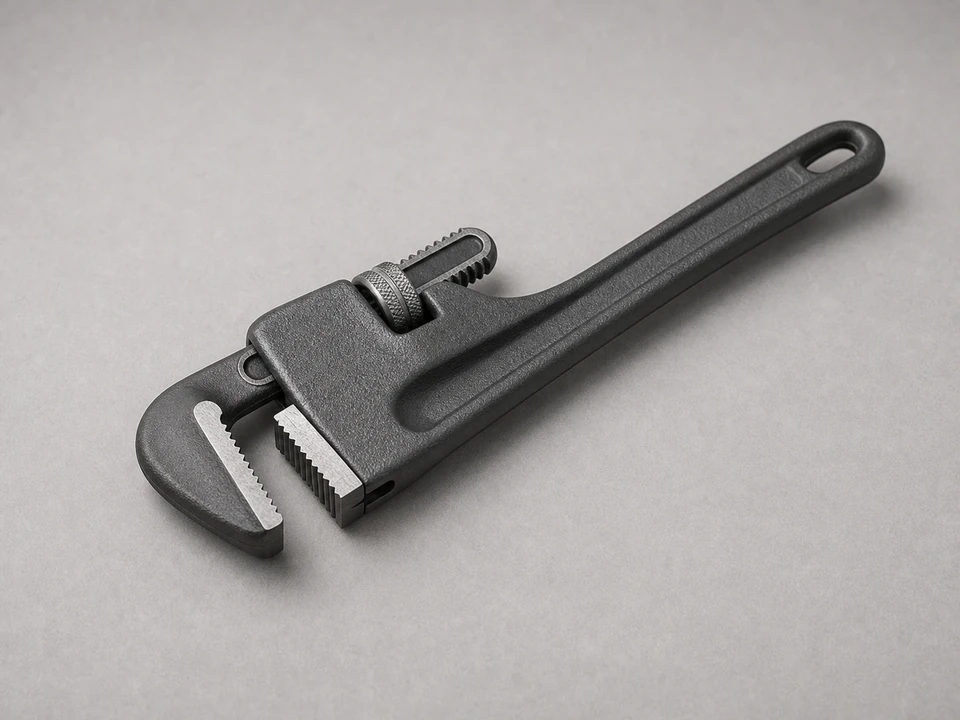
Pipe wrench
Use it for: To loosen and tighten the old and new valve without rounding it off.
Shop pipe wrenchesTo replace a water heater temperature pressure relief valve, shut off power or gas, close the cold water supply, relieve tank pressure, remove the old valve, install the matching new valve, reconnect the discharge tube, and test for leaks during a full heat cycle.
This repair is usually the right move when the relief valve body is leaking, the valve keeps dripping after testing, or it will not reseat properly. If the valve is opening because the tank is overheating or pressure is too high, replacing the valve alone will not solve the root problem.
Before you start: Match the valve size, pressure and temperature rating, probe length if applicable, and the connection style used on your water heater before ordering.
Use it for: To loosen and tighten the old and new valve without rounding it off.
Shop pipe wrenches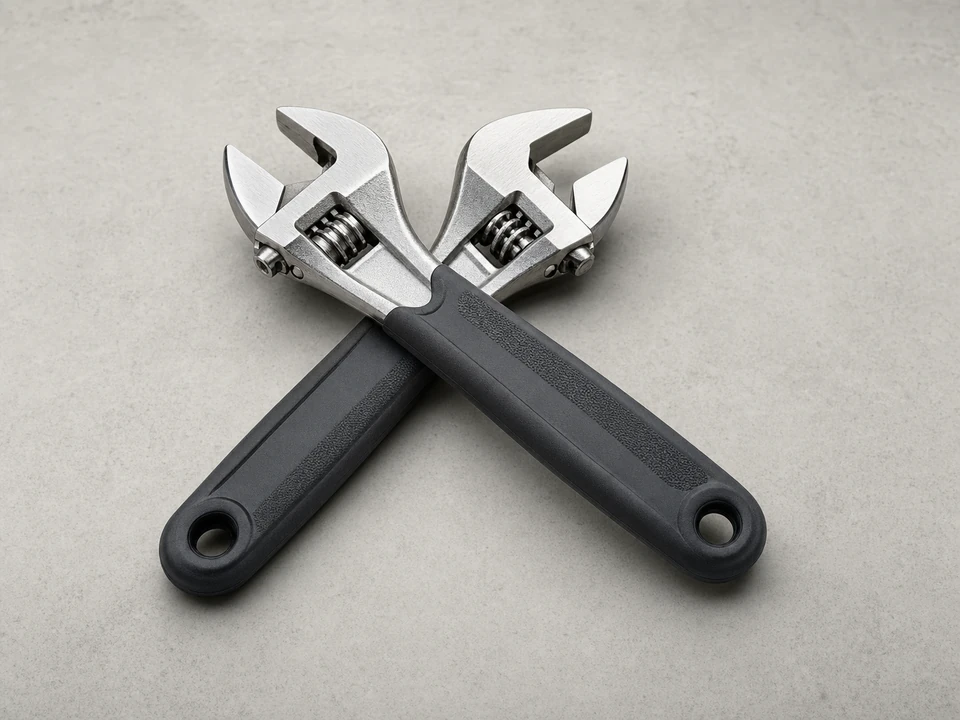
Use it for: To hold fittings or remove the discharge tube if needed.
Shop adjustable wrenches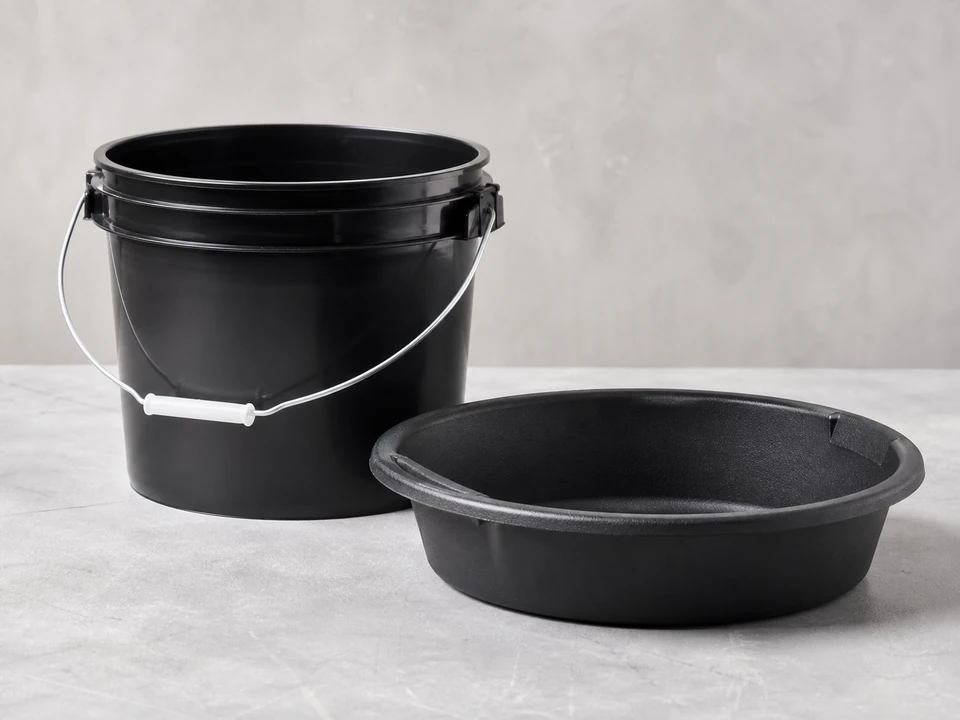
Use it for: To catch water when you relieve pressure and remove the valve.
Shop buckets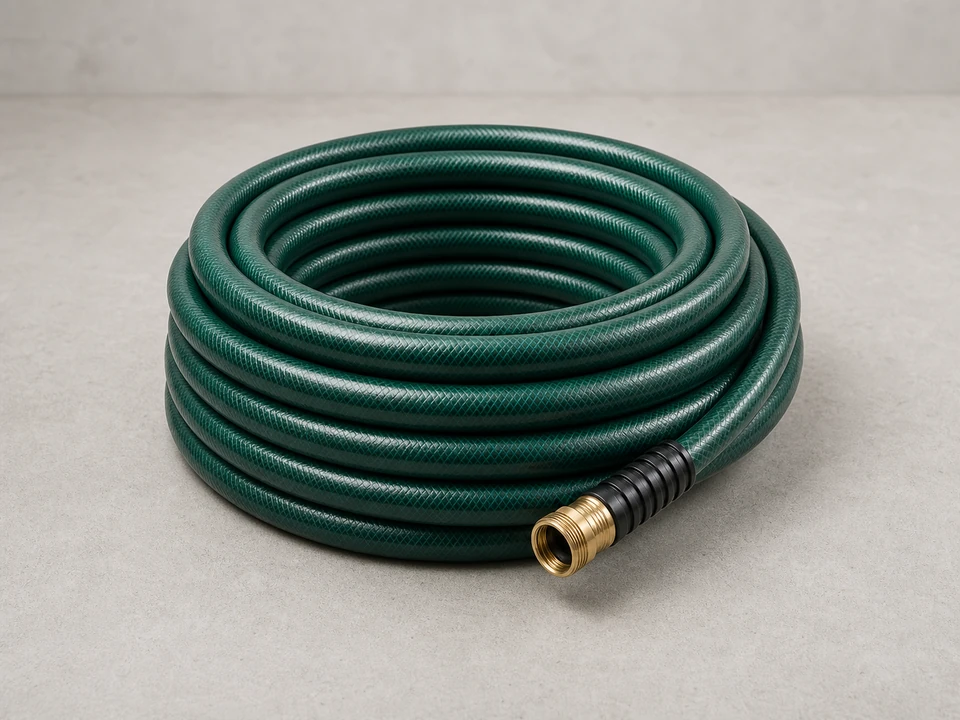
Use it for: To drain a little water from the tank to lower the water level below the valve opening.
Shop garden hoses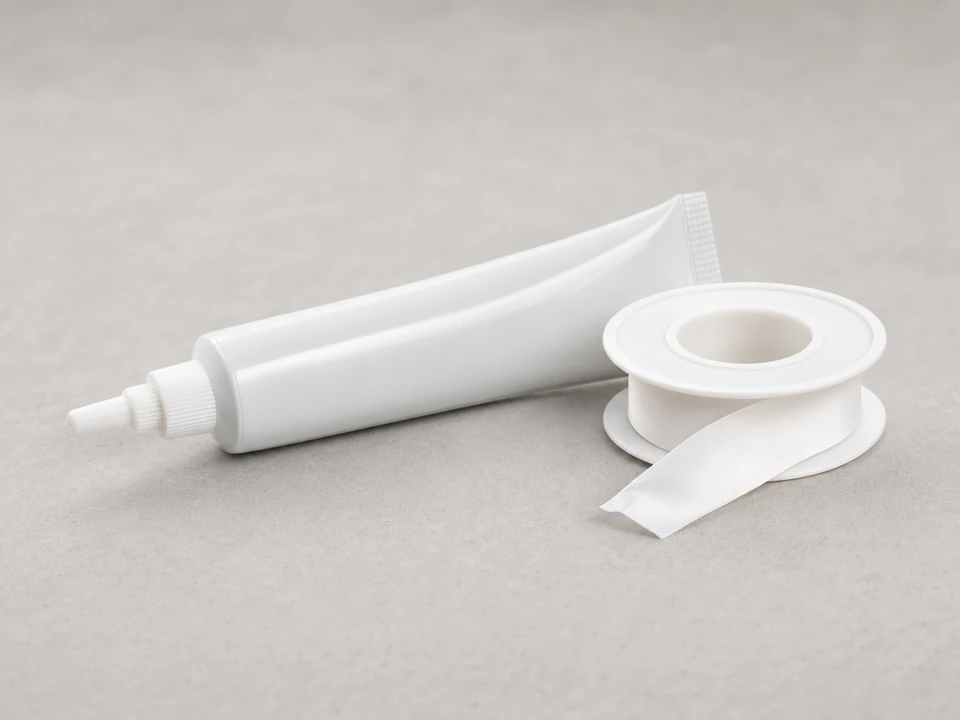
Use it for: To seal the new valve threads if your valve uses threaded connections.
Shop thread sealant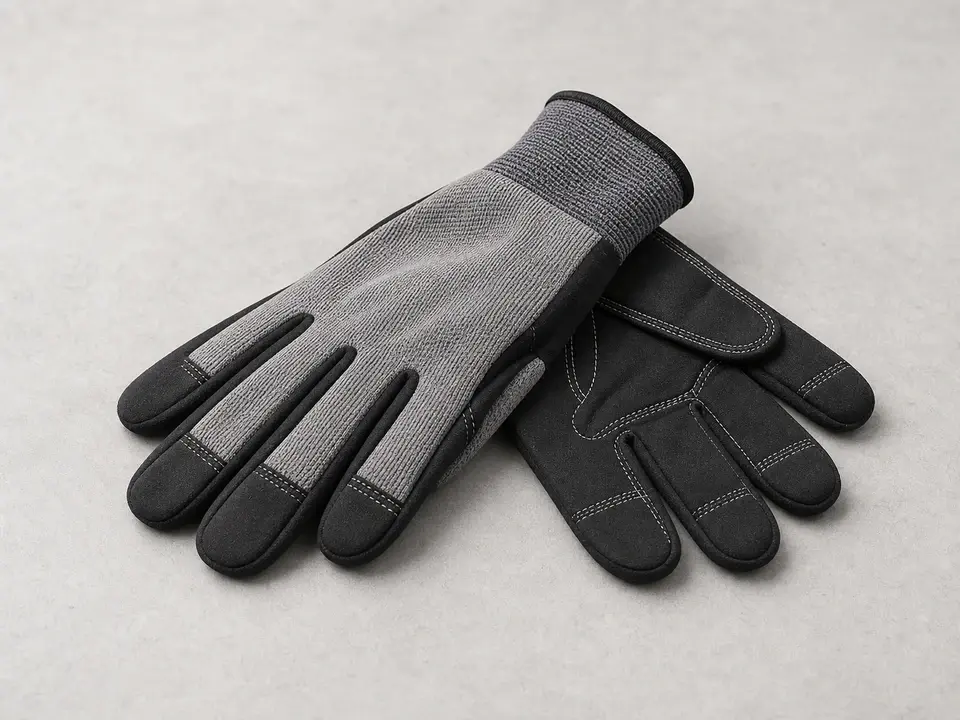
Use it for: To protect your hands from hot fittings and sharp edges.
Shop work glovesAs an Amazon Associate I earn from qualifying purchases. Repair Riot may earn a commission at no extra cost to you.
If it works: You have confirmed the leak or failure is centered at the temperature pressure relief valve and not from a nearby fitting or a failing tank.
If it doesn’t: Dry the area, run the heater normally, and trace fresh water carefully. If the leak starts above the valve or from the tank seam, this is not the right repair.
If it works: The heater is off, incoming water is shut off, pressure is relieved, and the water level is low enough to remove the valve without a full spill.
If it doesn’t: If water keeps flowing strongly with the supply valve closed, the shutoff valve may not be closing fully. You may need to shut water off farther upstream before continuing.
If it works: The old relief valve is out, the discharge tube is disconnected, and the tank opening is clean and ready for the new part.
If it doesn’t: If the valve is badly seized, apply steady pressure and reposition the wrench for better leverage. Avoid jerking hard enough to damage the tank fitting.
If it works: The new relief valve is installed squarely, tightened securely, and positioned for the discharge tube connection.
If it doesn’t: If the valve will not thread in smoothly by hand, back it out and start again. Cross-threading will ruin the connection.
If it works: The tank is full, the discharge tube is reconnected, and the heater is ready to return to service.
If it doesn’t: If the tank will not fill normally, recheck that the drain valve is closed and the cold water supply is fully open.
If it works: The new relief valve stays dry in real use, and there is no unwanted dripping from the discharge pipe after the heater reheats.
If it doesn’t: If the new valve still drips, the root cause may be excess temperature or pressure in the system rather than a bad valve. The heater needs further diagnosis before parts are changed again.
Match the valve size, pressure and temperature rating, probe length if applicable, and the connection style used on your water heater before ordering.
As an Amazon Associate I earn from qualifying purchases. Repair Riot may earn a commission at no extra cost to you.
A relief valve can drip because the valve itself is worn or fouled with mineral buildup, but it can also open for a reason. Excess tank temperature, excess system pressure, or a control problem can make a good valve release water.
Usually yes. You normally only need to shut off the supply, relieve pressure, and drain enough water to bring the level below the valve opening.
If the replacement uses threaded pipe connections, thread sealant is commonly used. Apply it to the valve threads only, and do not get sealant inside the valve opening.
That usually points to a pressure or temperature problem rather than a bad new valve. The heater may be overheating, or the plumbing system may be seeing excess pressure.
You often can if it is the correct type, undamaged, and reconnects securely to the new valve. Do not reuse it if it is corroded, blocked, cracked, or does not fit the new valve properly.