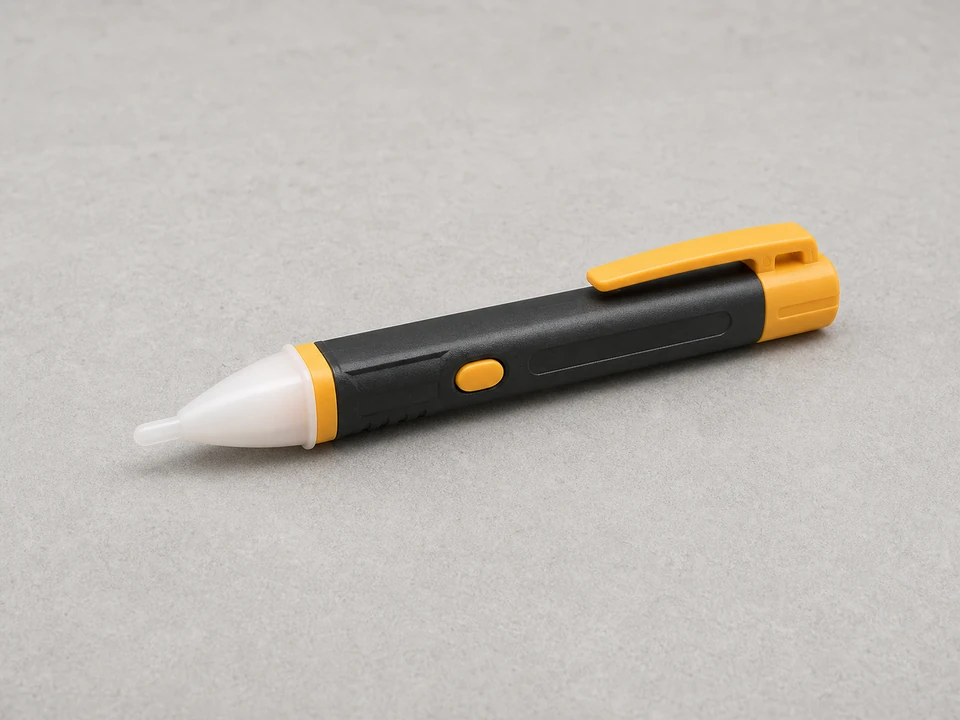
Non contact voltage tester
Use it for: To confirm power is actually off before touching thermostat wires or terminals.
Shop voltage testersTo replace a water heater thermostat, shut off power at the breaker, confirm the tank is an electric model, remove the access panel and insulation, swap the thermostat one wire at a time, set the new thermostat to match the old setting, then restore power and verify the water heats normally.
This repair is usually straightforward on an electric tank water heater, but it does involve live electrical parts if the power is not fully off. Work carefully, take a photo of the wiring before moving anything, and stop if you find melted wires, water leaking into the electrical area, or signs the problem is somewhere else.
Before you start: Match the upper or lower thermostat position, voltage, mounting style, reset compatibility, and water heater model family before ordering.
Use it for: To confirm power is actually off before touching thermostat wires or terminals.
Shop voltage testers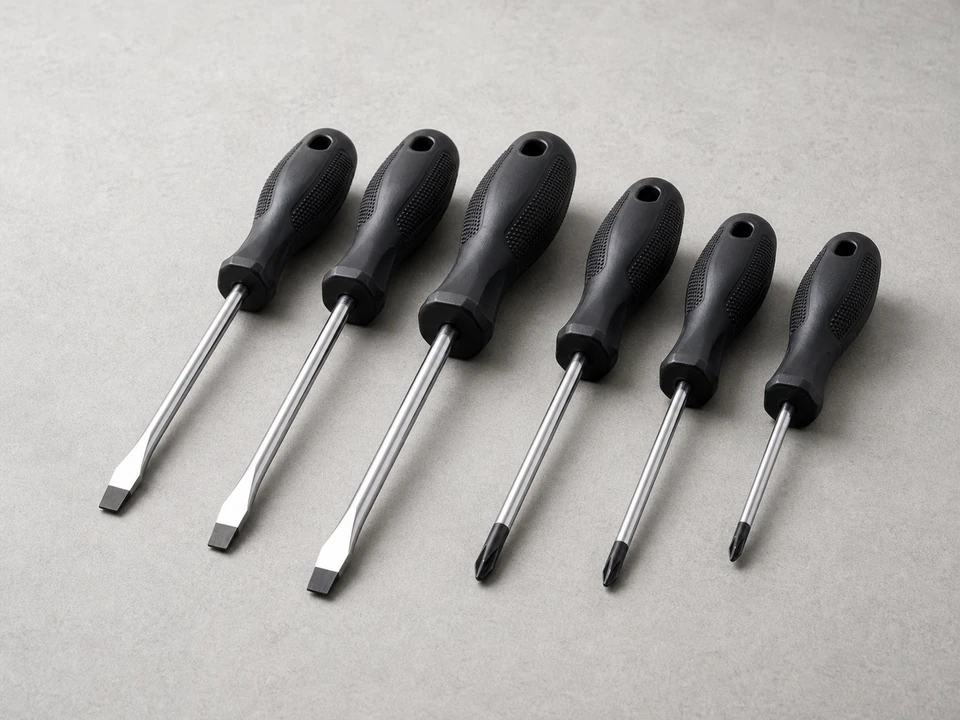
Use it for: To remove access panels and loosen thermostat terminal screws.
Shop screwdriver sets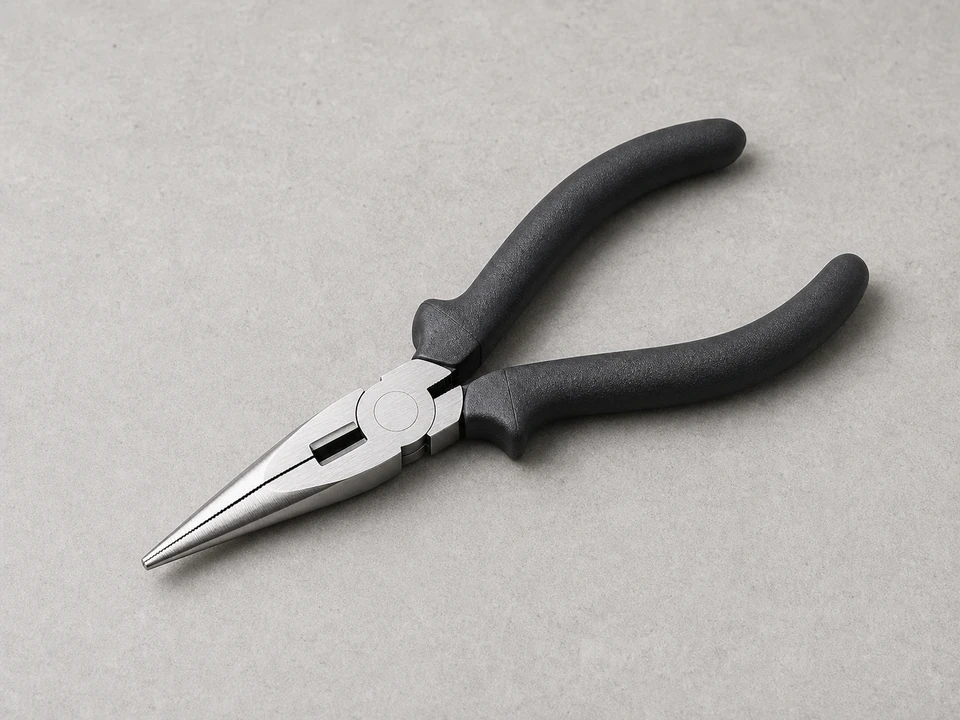
Use it for: To guide wire ends on and off terminals without bending them badly.
Shop needle-nose pliers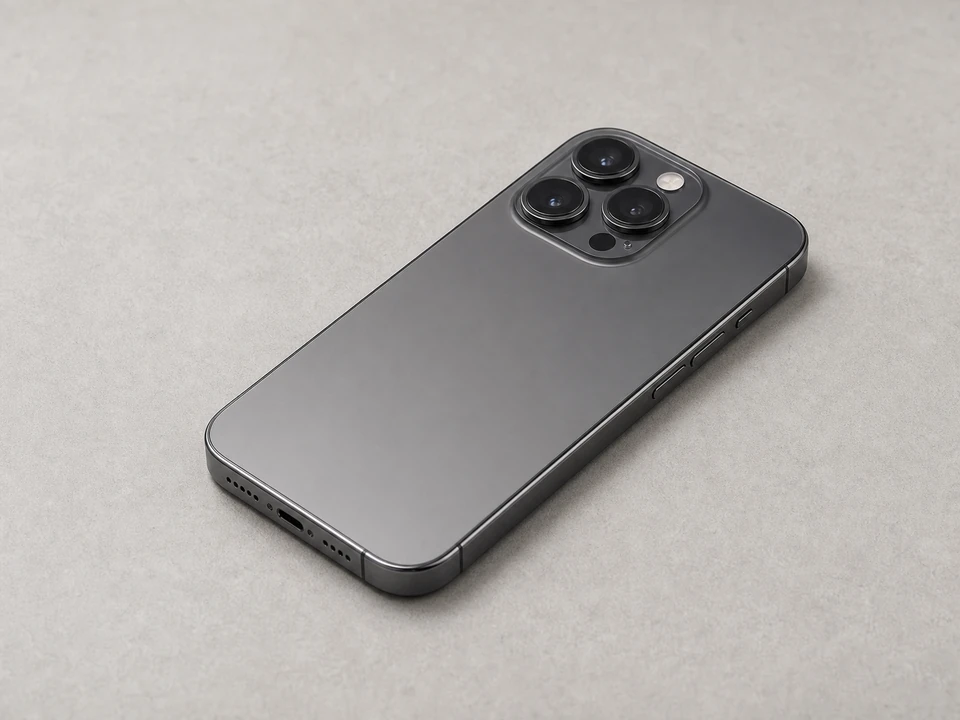
Use it for: To record the original wire layout before you disconnect anything.
Shop phone tripods and holders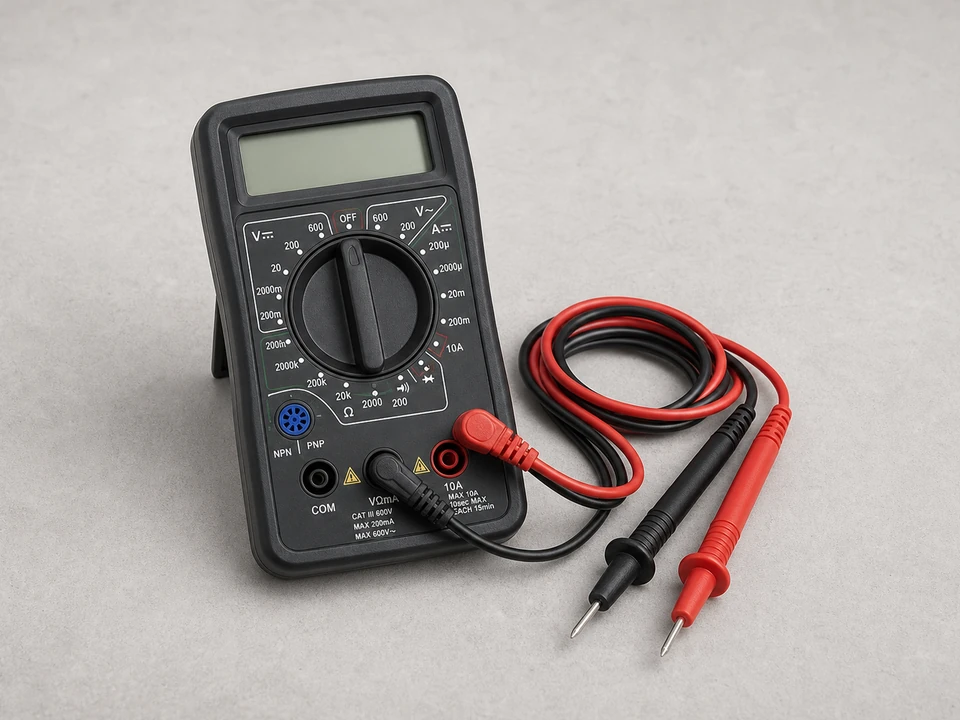
Use it for: To double-check power is off or help confirm the old thermostat was not switching properly.
Shop multimetersAs an Amazon Associate I earn from qualifying purchases. Repair Riot may earn a commission at no extra cost to you.
If it works: You have an electric water heater, the symptoms fit a thermostat problem, and there is no obvious sign that a leak or major wiring damage is the real issue.
If it doesn’t: If the unit is gas, leaking, repeatedly tripping the breaker, or showing heavy burn damage, this is not the right repair path. Diagnose the heater further or call a pro.
If it doesn’t: If the breaker trips right away, turn it back off and inspect the wiring for a misconnection or damaged wire.
If it works: Hot water returns to normal and stays consistent during regular use.
If it doesn’t: If the water is still cold, overheats, or runs out unusually fast, the issue may be the other thermostat, a heating element, wiring, or the reset circuit rather than the new thermostat.
Match the upper or lower thermostat position, voltage, mounting style, reset compatibility, and water heater model family before ordering.
As an Amazon Associate I earn from qualifying purchases. Repair Riot may earn a commission at no extra cost to you.
Yes, if you know which thermostat failed and the other one is working properly. Many electric water heaters use an upper and lower thermostat, so make sure you buy the correct position or a kit that matches your heater.
No. The thermostat mounts outside the tank behind the access panel, so this repair usually does not require draining water.
The thermostat senses tank temperature through direct contact with the tank surface. If it is loose or crooked, it can read temperature poorly and cause overheating or weak hot water.
If possible, match the old setting. If you do not know the old setting, use a moderate setting and test the water before making small adjustments.
That can happen when a thermostat is failing or when another problem is causing overheating. If the reset trips again, inspect the thermostat, heating elements, and wiring rather than just resetting it repeatedly.