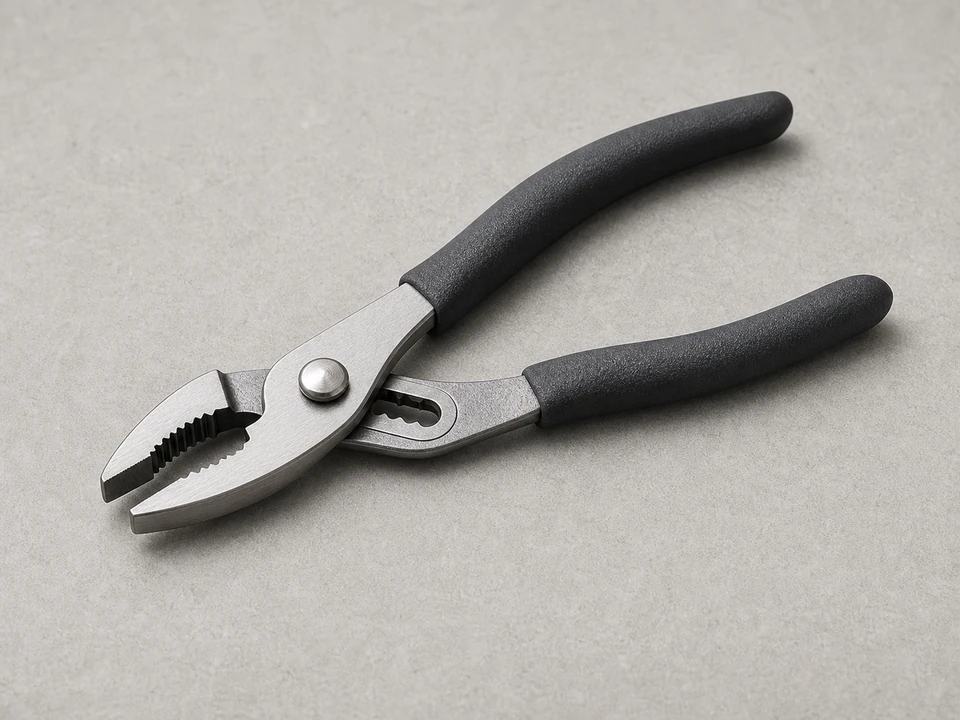
Slip joint pliers
Use it for: To loosen a stuck aerator without crushing it by hand.
Shop slip-joint pliersIf one faucet has weak flow while the rest of the house seems normal, replacing the water pressure aerator at that faucet is often the right fix.
An aerator can clog with grit, scale, or debris and choke down the flow at the spout. This is a small repair, but it goes smoother if you confirm the problem is at the faucet tip before you buy parts or force anything loose.
Before you start: Match the thread size, thread type, and faucet compatibility before ordering.
Use it for: To loosen a stuck aerator without crushing it by hand.
Shop slip-joint pliers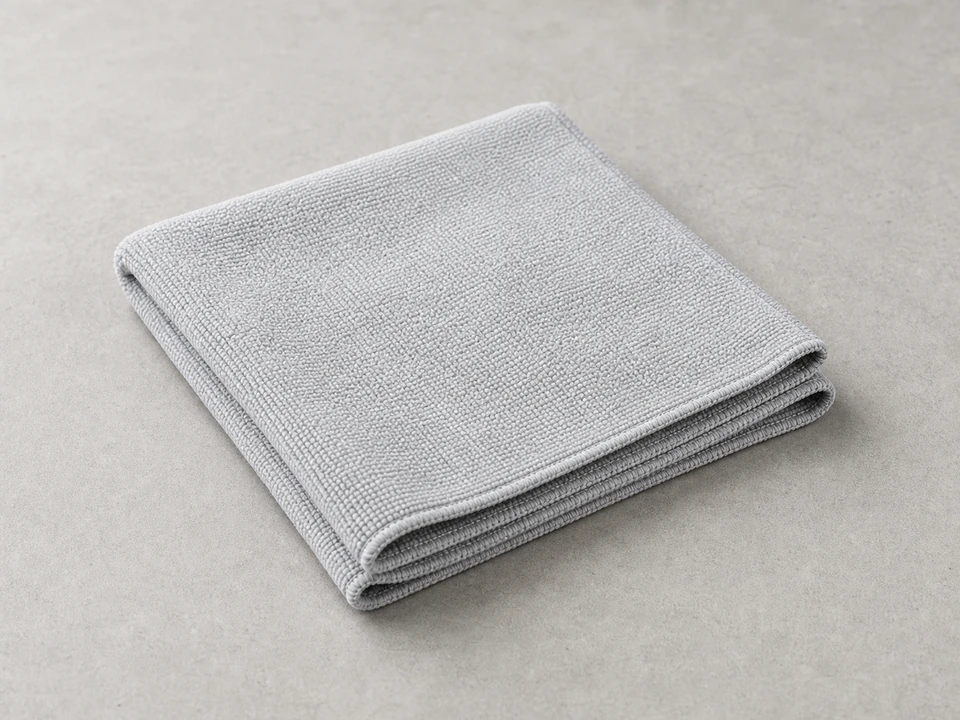
Use it for: To protect the faucet finish while turning the aerator.
Shop faucet protection grip pad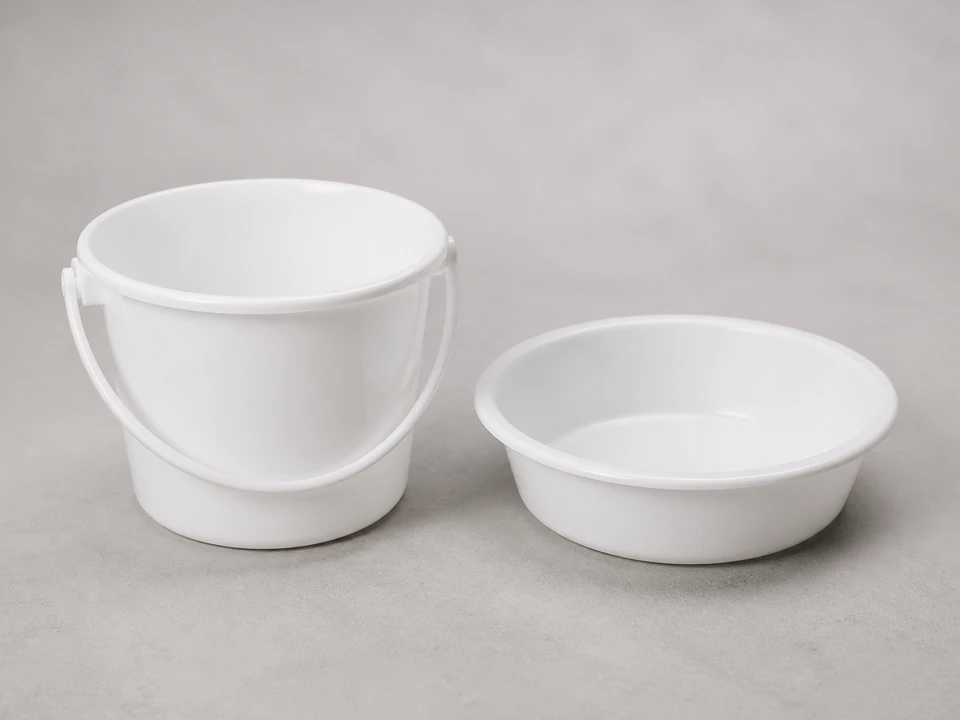
Use it for: To catch the old aerator and any small washers or screens.
Shop sink drain catcher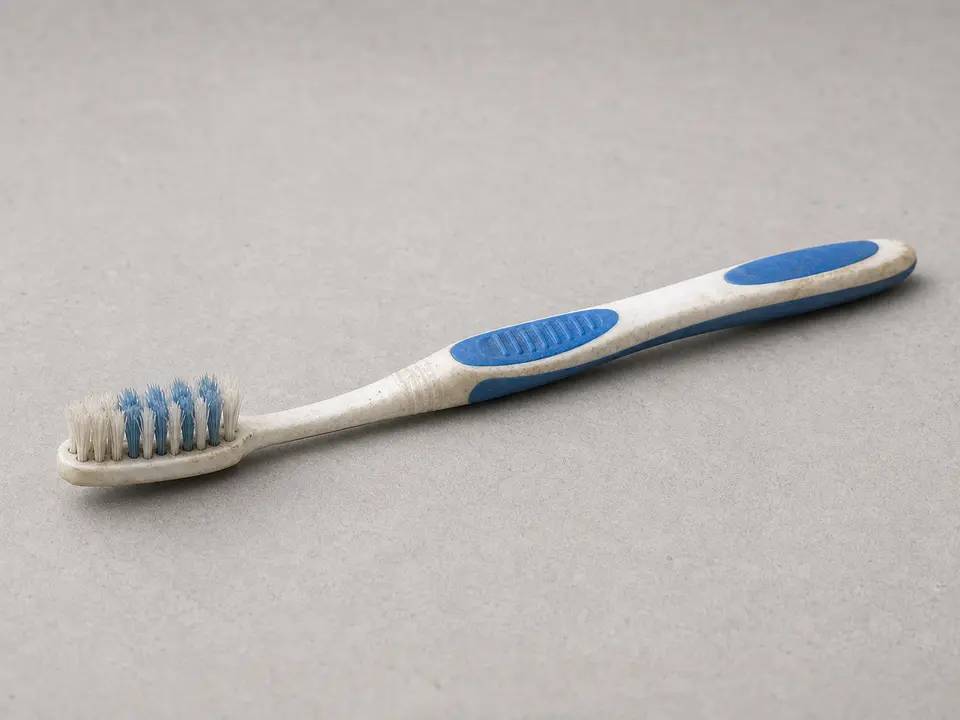
Use it for: To clean the faucet threads and rinse away grit before installing the new aerator.
Shop cleaning brush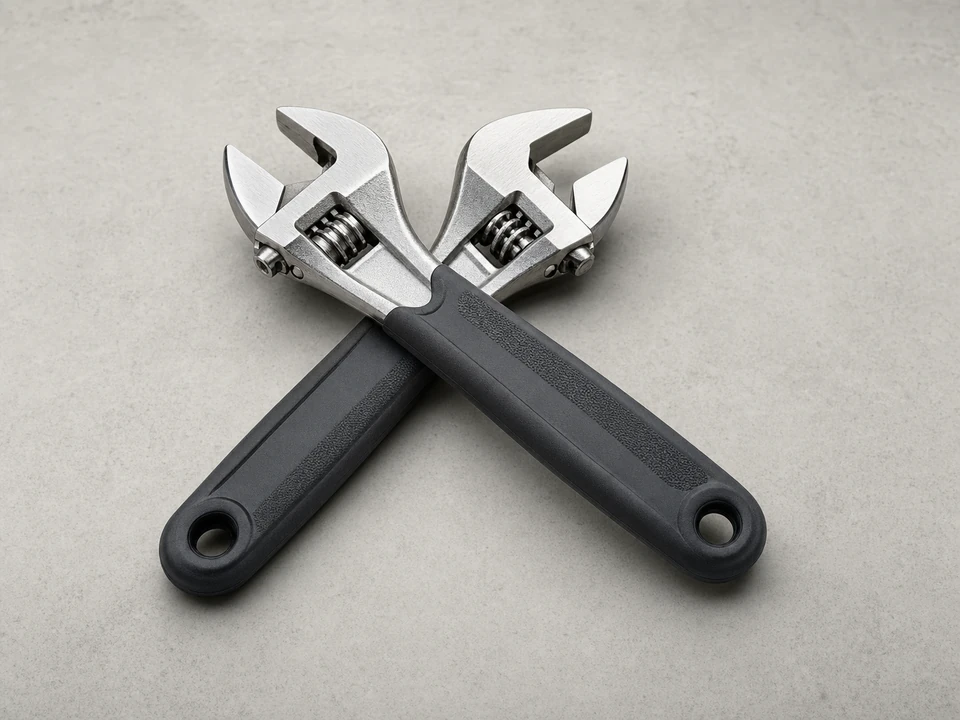
Use it for: To help loosen or snug some aerators that have flats for a wrench.
Shop adjustable wrenchAs an Amazon Associate I earn from qualifying purchases. Repair Riot may earn a commission at no extra cost to you.
If it works: You have a single faucet with poor flow and the aerator is accessible at the spout.
If it doesn’t: If several fixtures have low pressure, troubleshoot the broader water pressure issue before replacing this part.
If it works: The old aerator is off the faucet and the faucet threads are exposed.
If it doesn’t: If mineral buildup is locking it in place, apply steady pressure instead of jerking the tool, then try again with better grip protection.
If it works: The new aerator matches the old one closely enough to thread on by hand.
If it doesn’t: Take the old aerator with you when shopping or compare measurements before opening another replacement.
If it works: The new aerator is seated evenly and feels snug without cross-threading.
If it doesn’t: Back it off and restart by hand if it feels rough, crooked, or tight in the first turn.
If it works: The faucet runs with a steady stream and no leaking around the aerator.
If it doesn’t: Remove the aerator and recheck the washer position and thread alignment if the stream is still weak or the connection drips.
If it works: The faucet keeps normal flow in real use and the new aerator stays dry and secure.
If it doesn’t: If the new aerator clogs again right away or the faucet still has weak flow, the restriction is likely elsewhere in the faucet or water supply path.
Match the thread size, thread type, and faucet compatibility before ordering.
As an Amazon Associate I earn from qualifying purchases. Repair Riot may earn a commission at no extra cost to you.
If one faucet has weak flow but other fixtures in the home seem normal, the aerator is a common cause. A clogged aerator often also causes an uneven or splashing stream.
Sometimes yes. If the threads and housing are in good shape, cleaning out scale and debris may restore flow. Replace it if it is damaged, badly corroded, or still restricted after cleaning.
The most common reasons are the wrong thread type, the wrong diameter, or cross-threading. It should start smoothly by hand. If it does not, stop and recheck the match.
Usually no. You are working at the faucet tip, so you can normally remove and replace the aerator with the faucet off. Just keep the drain closed so small parts are not lost.
That usually means debris is coming from somewhere upstream, such as mineral buildup, sediment in the lines, or faucet internals shedding material. The aerator may not be the root cause in that case.