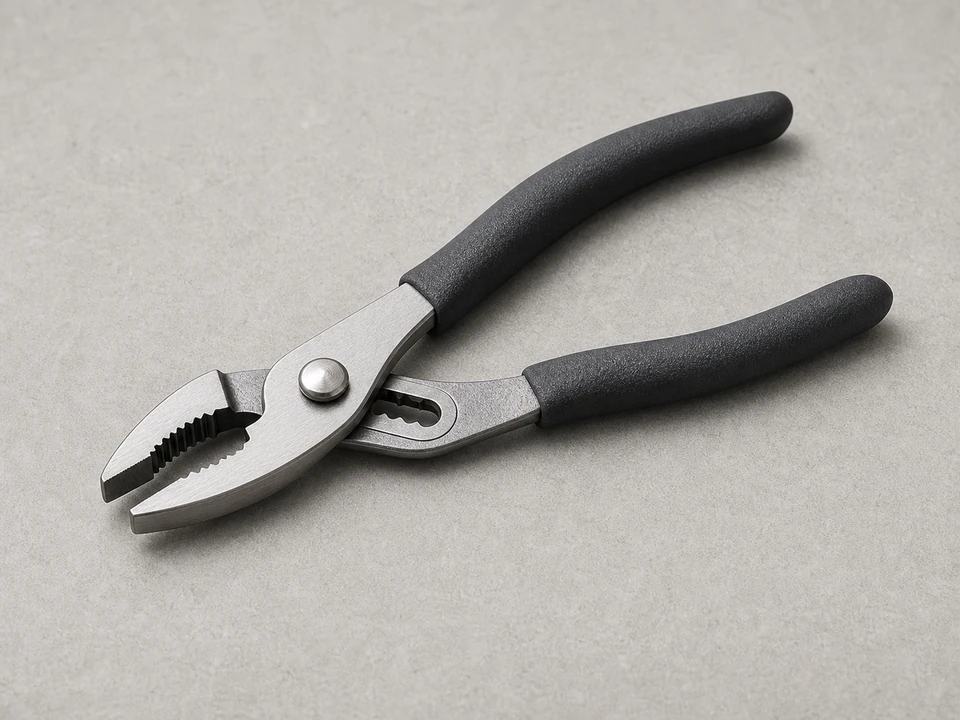
Slip joint pliers
Use it for: To loosen a stuck aerator if it will not turn by hand.
Shop slip-joint pliersIf one faucet has weak flow but the rest of the house seems normal, replacing the faucet aerator is a simple first repair. A clogged or damaged aerator can choke flow right at the spout.
This job usually takes just a few minutes. You will confirm the aerator is the likely restriction, remove the old one without scratching the finish, install the correct replacement, and test the faucet under normal use.
Before you start: Match the thread size, thread type, and faucet compatibility before ordering.
Use it for: To loosen a stuck aerator if it will not turn by hand.
Shop slip-joint pliers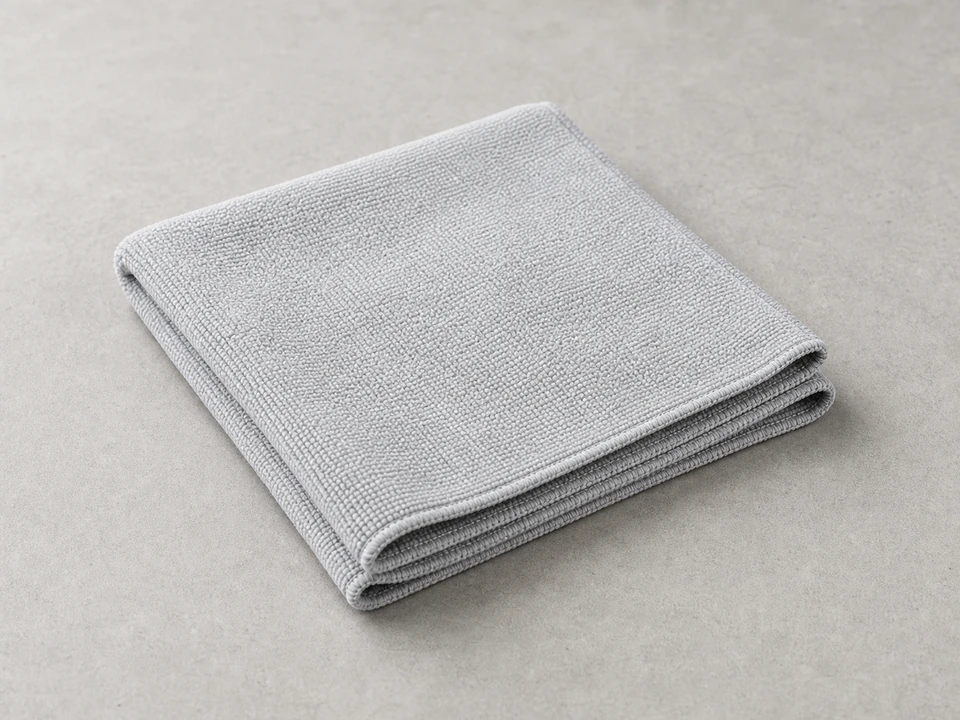
Use it for: To protect the faucet finish and improve grip while turning the aerator.
Shop rubber jar opener grip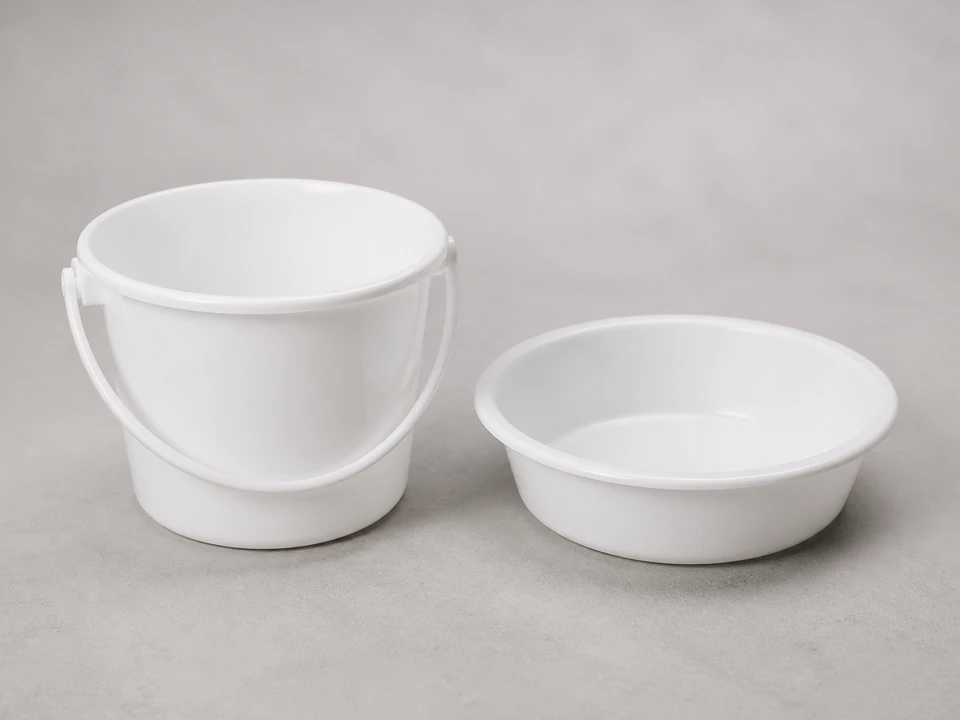
Use it for: To catch the old aerator and keep small parts from falling down the drain.
Shop sink drain catcher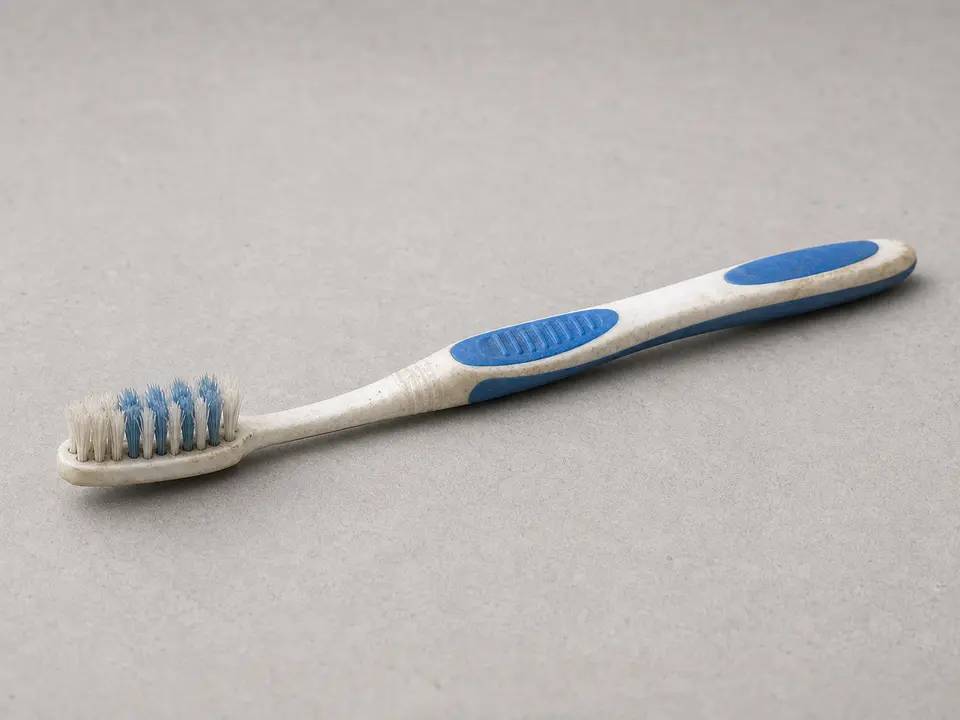
Use it for: To clean threads and mineral buildup before installing the new aerator.
Shop cleaning toothbrush set
Use it for: To loosen mineral scale on the faucet threads if the old aerator is crusted in place.
Shop cleaning vinegarAs an Amazon Associate I earn from qualifying purchases. Repair Riot may earn a commission at no extra cost to you.
If it works: You have a single faucet with weak flow at the spout, and the aerator is the most likely cause.
If it doesn’t: If several fixtures in the house have low pressure, or only the hot side is weak, troubleshoot the broader water supply or faucet valve before replacing the aerator.
If it works: The old aerator is off and the faucet threads are exposed without damage to the finish.
If it doesn’t: If the aerator will not budge, soak the tip with vinegar on a rag for a while and try again with gentle pressure.
If it works: The new aerator matches the faucet and threads on by hand without cross-threading.
If it doesn’t: If the new part feels loose, will not start straight, or bottoms out oddly, stop and get the correct size and thread type.
If it works: The faucet tip is clean, and the new aerator has a smooth surface to seal against.
If it doesn’t: If buildup keeps breaking loose from inside the spout, flush the faucet briefly before final installation.
If it works: The new aerator is installed straight, snug, and the faucet finish is still protected.
If it doesn’t: If the aerator binds, backs off, or sits crooked, remove it and start the threads again by hand.
If it works: The faucet has a steady stream, better flow, and no leaking at the aerator after normal use.
If it doesn’t: If flow is still weak after replacing the aerator, the restriction may be deeper in the faucet, supply lines, or shutoff valve.
Match the thread size, thread type, and faucet compatibility before ordering.
As an Amazon Associate I earn from qualifying purchases. Repair Riot may earn a commission at no extra cost to you.
If one faucet has weak flow while other fixtures in the home seem normal, the aerator is a common cause. Mineral buildup and debris often collect in the screen and restrict flow right at the spout.
Sometimes, yes. If the screen is only clogged with mineral scale or debris, cleaning may restore flow. Replace it if the screen is damaged, the housing is corroded, or cleaning does not improve performance.
Faucet aerators come in different diameters and thread types. The most common mistake is buying the wrong thread style or size. Match the old aerator carefully before ordering or installing.
Usually no. You are working at the faucet tip, not opening the water lines. Just make sure the faucet is off before you start.
The restriction may be inside the faucet, in the shutoff valve, or in the supply line. If only hot or only cold is weak, the problem is less likely to be the aerator alone.