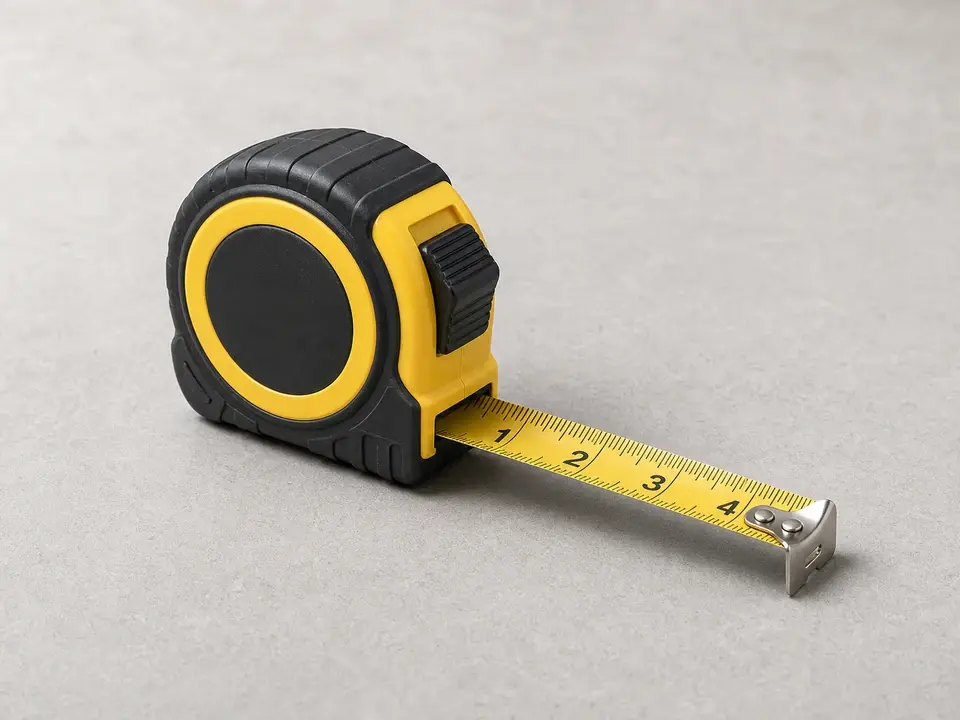
Tape measure
Use it for: To match the replacement board to the old one before you install it.
Shop tape measuresTo replace a wood fence panel board, confirm only the board is damaged, remove the old fasteners, match the new board to the same size and profile, fasten it to the rails, and then check that the panel feels solid and lines up with the surrounding boards.
This is a straightforward repair when the fence posts and rails are still sound. The key is using a board that matches the height, width, thickness, and top shape of the original so the repair blends in and holds up outdoors.
Before you start: Match the replacement part to your exact fence before ordering.
Use it for: To match the replacement board to the old one before you install it.
Shop tape measures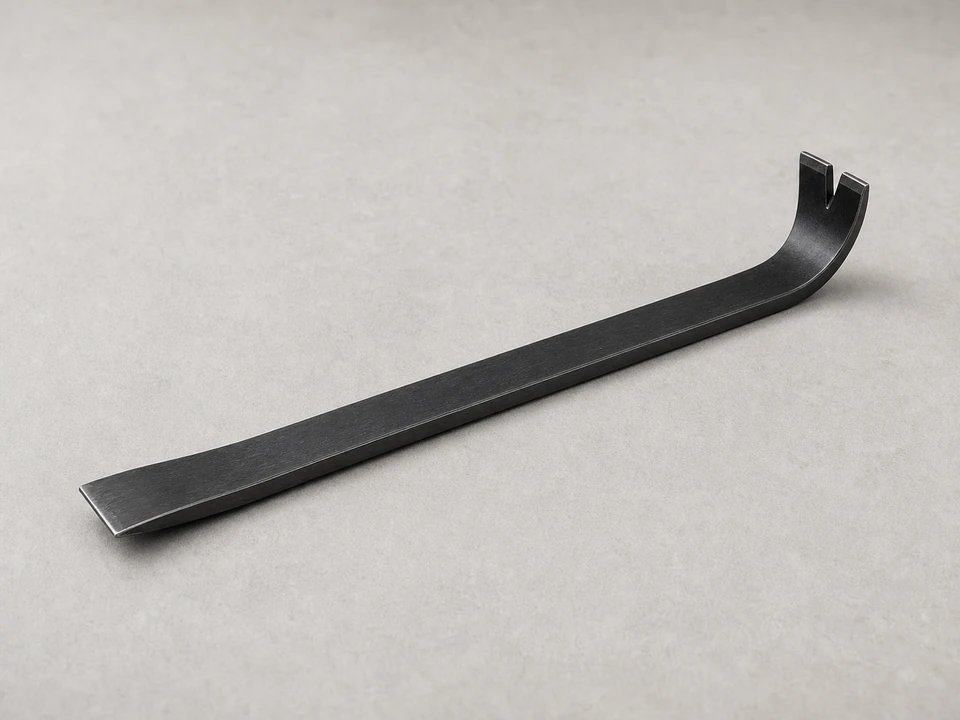
Use it for: To lift the damaged board and pull it away from the rails without tearing up nearby boards.
Shop pry bars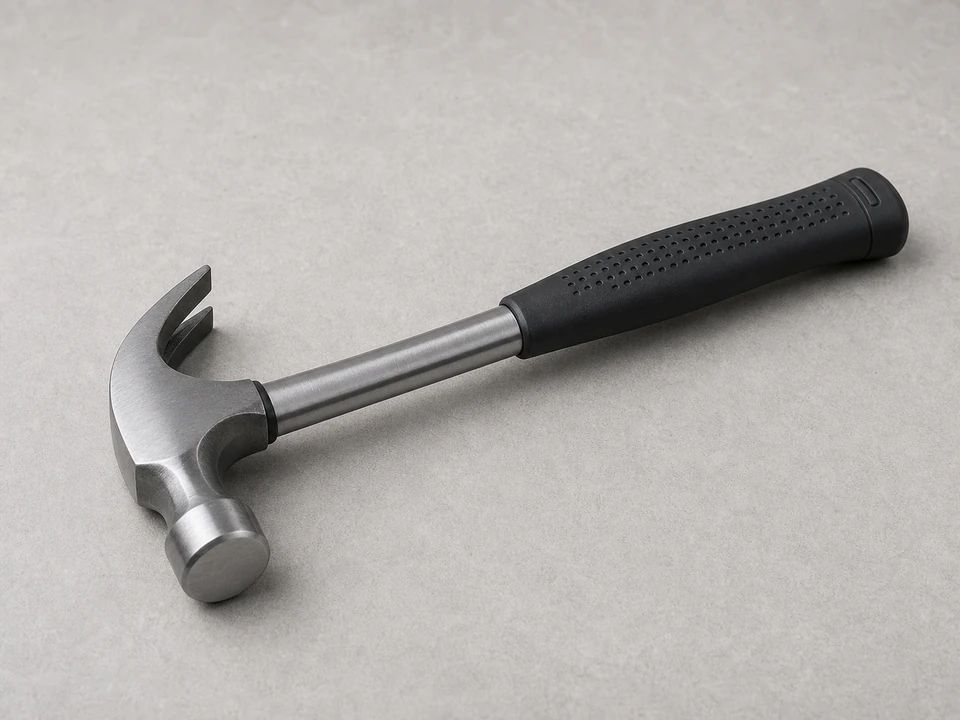
Use it for: To remove stubborn nails and drive new fasteners if needed.
Shop hammers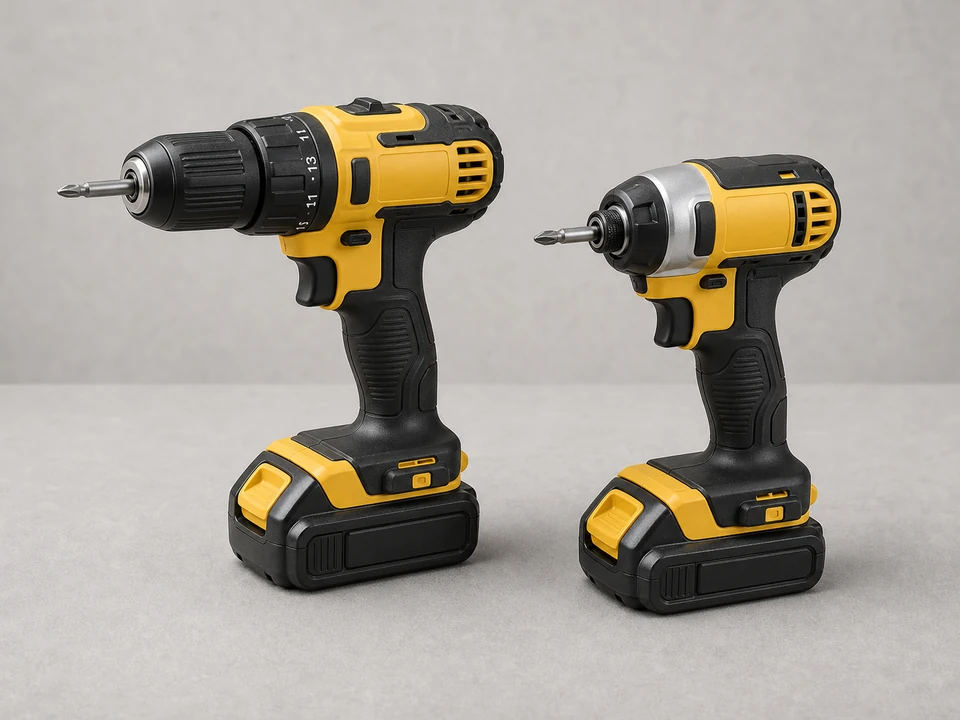
Use it for: To drive exterior screws and make the new board easier to secure cleanly.
Shop drill drivers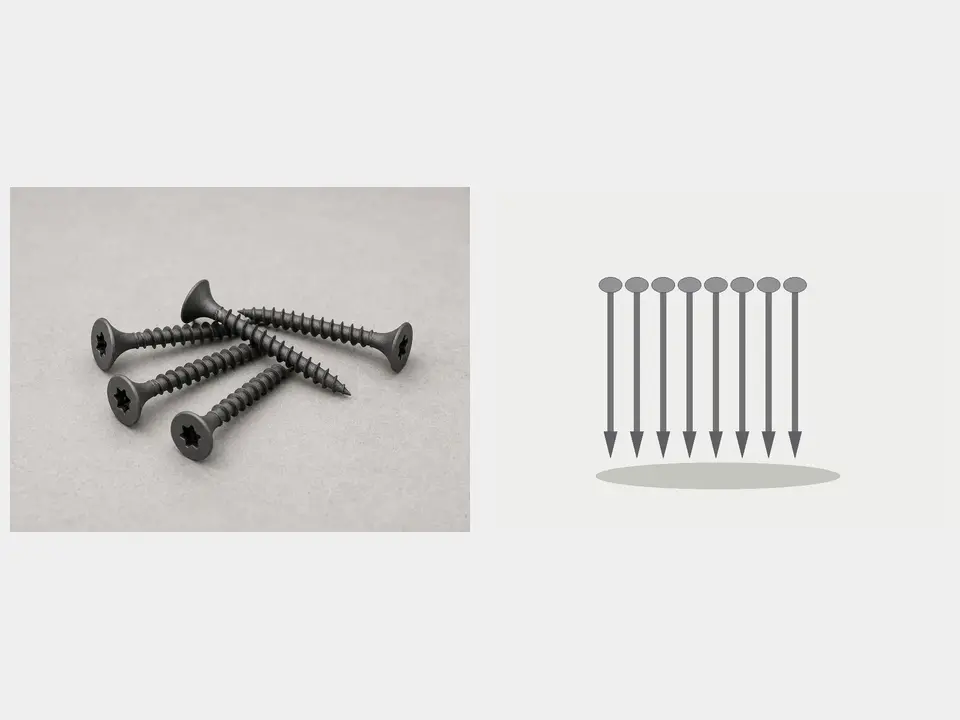
Use it for: To fasten the new board so it holds up better outdoors.
Shop fence fasteners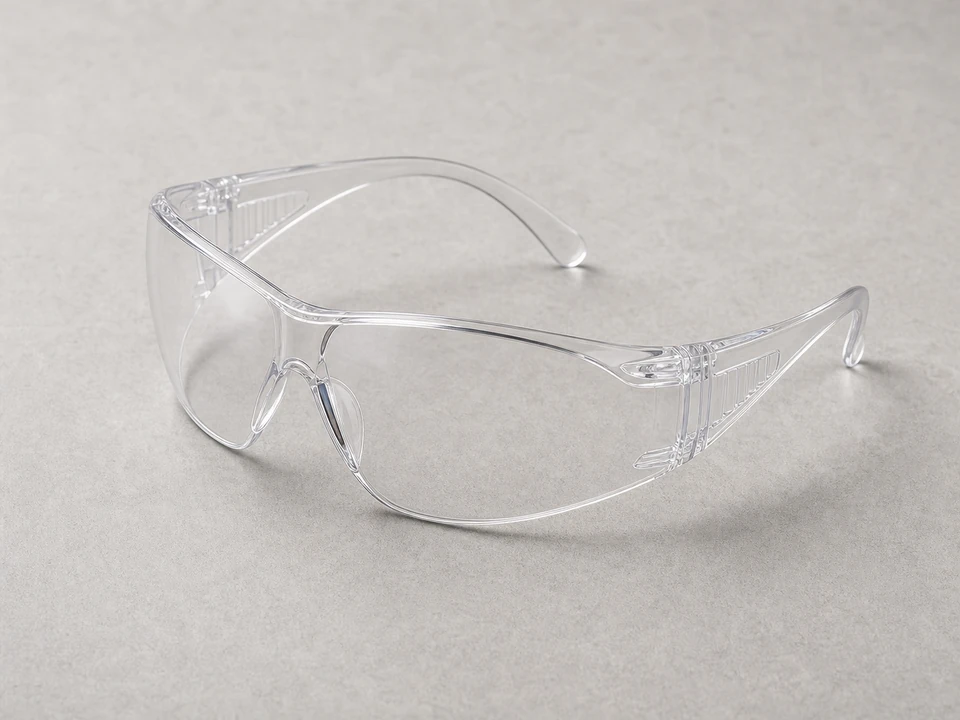
Use it for: To protect your eyes from splinters, rust flakes, and flying fastener pieces.
Shop safety glassesAs an Amazon Associate I earn from qualifying purchases. Repair Riot may earn a commission at no extra cost to you.
If it works: The fence structure feels solid, and the damage is mainly in the board you plan to replace.
If it doesn’t: If the rails are broken, the posts are loose, or the whole panel is leaning, fix the larger fence problem before replacing the board.
If it works: The damaged board is off the fence, and the rails are exposed and mostly free of old fasteners.
If it doesn’t: If the board will not come free, cut or pull the remaining fasteners one at a time instead of forcing the board sideways.
If it works: The replacement board matches the old one closely and is ready to install.
If it doesn’t: If the new board is noticeably different in size or profile, exchange it or recut it before fastening anything.
If it works: The new board is attached firmly, sits flat on the rails, and lines up with the surrounding fence boards.
If it doesn’t: If the board shifts while fastening, remove the last fastener, realign the board, and refasten before moving on.
If it works: The repair looks even with the rest of the panel and feels secure by hand.
If it doesn’t: If the board looks proud, crooked, or loose, adjust the fasteners now before weather and movement make the fit worse.
If it works: The new board stays aligned, the fasteners hold, and the fence section feels solid in real use.
If it doesn’t: If the board loosens again, inspect the rails and posts more closely because the original damage may have been only part of the problem.
Match the replacement part to your exact fence before ordering.
As an Amazon Associate I earn from qualifying purchases. Repair Riot may earn a commission at no extra cost to you.
Yes, if the posts and rails are still solid. A single-board replacement is common when the damage is isolated to one cracked, split, or rotted board.
Either can work, but exterior-rated screws often make alignment easier and hold well over time. If you use nails, choose galvanized fasteners made for outdoor use.
Match the height, width, thickness, wood type if possible, and the shape at the top. Also check the spacing pattern so the repaired section does not stand out.
Do not fasten the new board into soft or crumbling wood. Repair or replace the damaged rail first, or the new board will not stay secure.
If the rest of the fence is stained, painted, or sealed, it is a good idea to protect the new board the same way. At minimum, sealing fresh cut ends helps reduce moisture uptake.