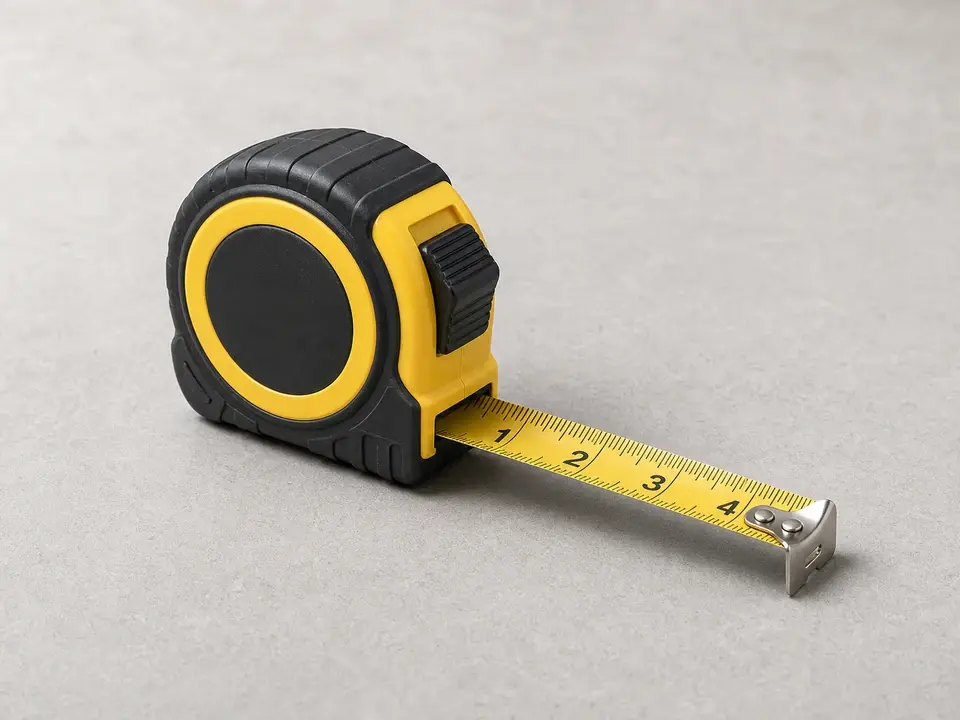
Tape measure
Use it for: To match the replacement rail length, width, and thickness to the old one.
Shop tape measuresTo replace a wood fence panel rail, first confirm the rail is the failed part and the posts are still sound, then remove the broken rail, cut or buy a matching replacement, fasten it securely, and make sure the panel stays rigid under light pressure.
A cracked or rotted rail can let pickets loosen and make the whole panel sag. This repair is usually manageable for a homeowner if the fence posts and the rest of the panel are still in decent shape.
Before you start: Match the replacement part to your exact fence before ordering.
Use it for: To match the replacement rail length, width, and thickness to the old one.
Shop tape measures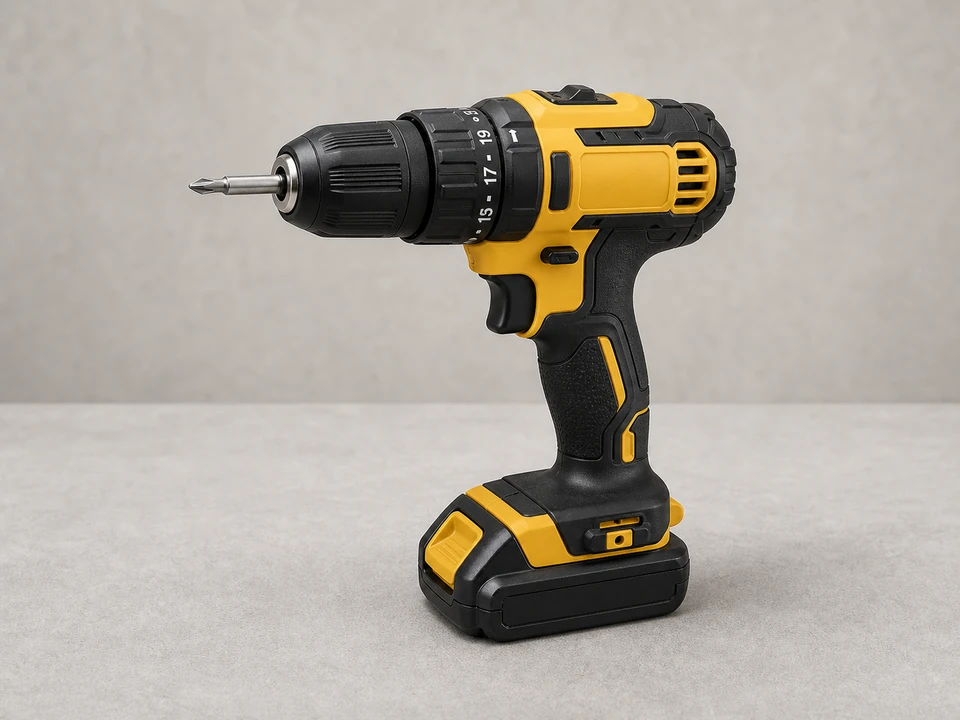
Use it for: To remove old fasteners and drive new exterior screws.
Shop drill drivers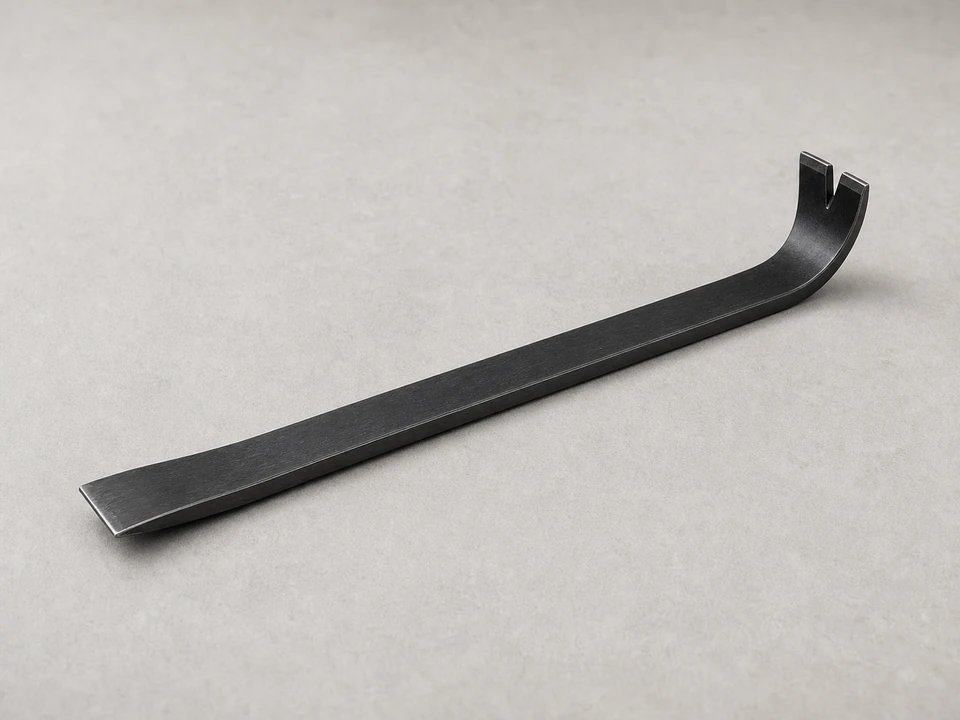
Use it for: To lift the damaged rail free without tearing up more of the panel than necessary.
Shop pry bars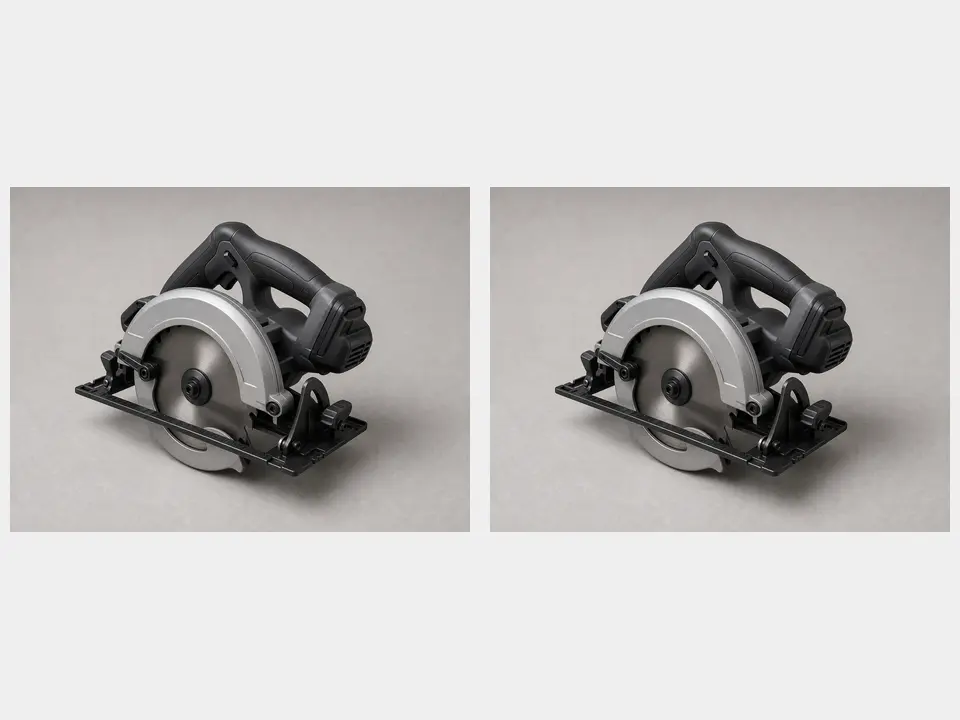
Use it for: To cut the new rail to length if it does not come pre-cut.
Shop wood cutting saws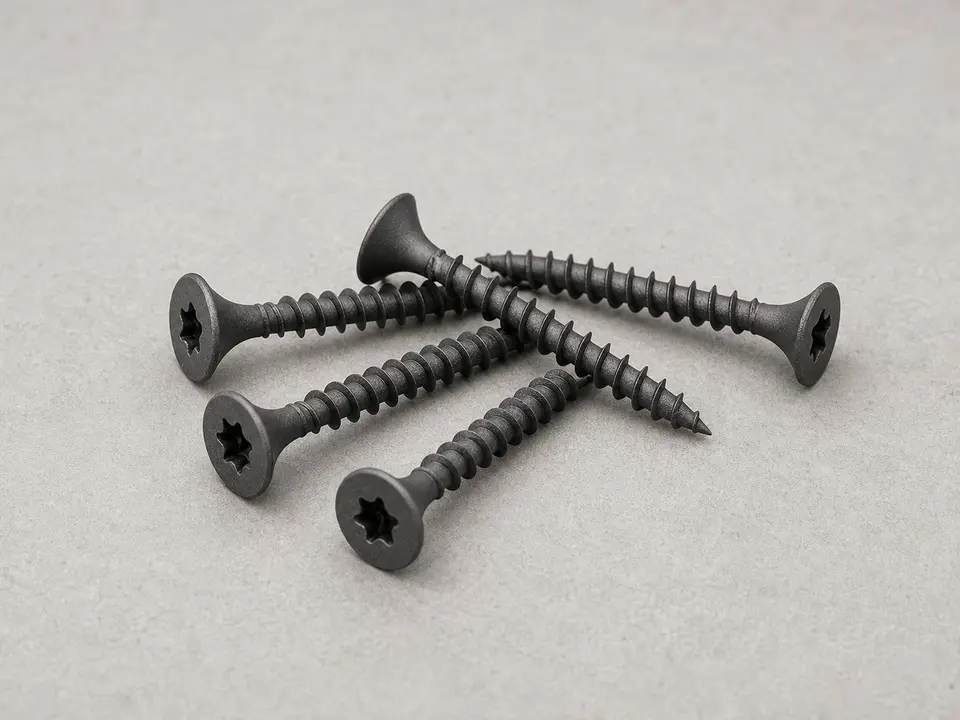
Use it for: To fasten the new rail securely and resist weather better than interior fasteners.
Shop exterior wood screws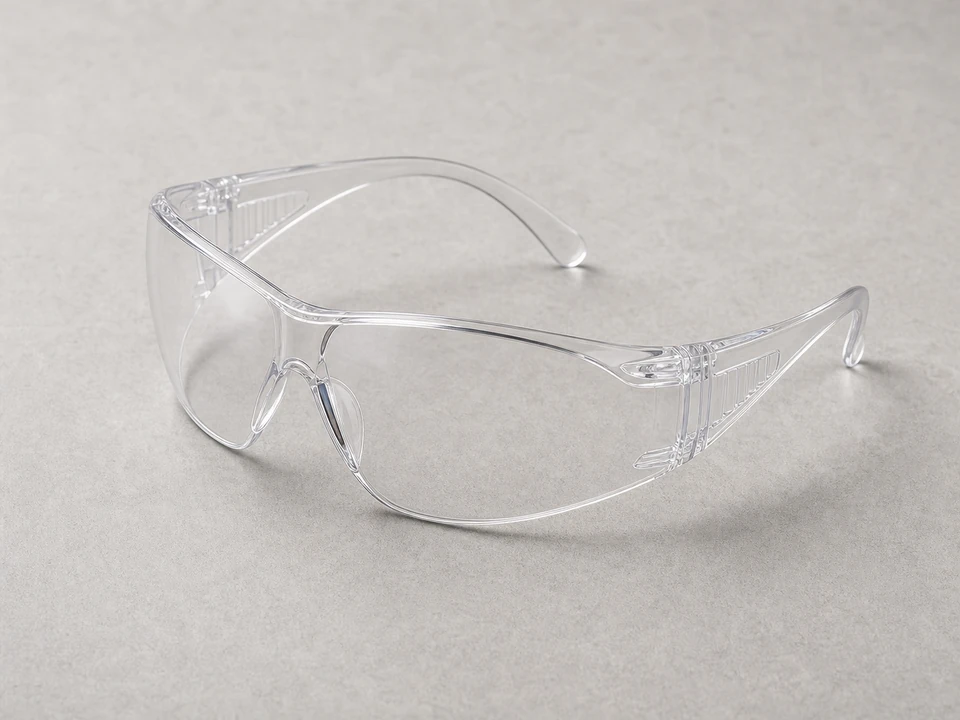
Use it for: To protect your eyes from splinters, dust, and flying fastener pieces.
Shop safety glassesAs an Amazon Associate I earn from qualifying purchases. Repair Riot may earn a commission at no extra cost to you.
If it works: You have confirmed the rail is the failed part and the surrounding fence structure is stable enough for a rail replacement.
If it doesn’t: If the posts are leaning, the panel frame is collapsing, or multiple rails are failing, plan for a larger fence section repair instead of replacing only one rail.
If it works: The old rail is out and the surrounding wood is cleared for the replacement.
If it doesn’t: If the rail will not come free, cut stubborn fasteners flush and remove the rail in smaller sections so you do not damage the rest of the panel.
If it works: The new rail fits the opening cleanly and is ready to install.
If it doesn’t: If the fit is too tight or uneven, trim and test-fit again until the rail sits flat without forcing the panel out of shape.
If it works: The new rail is secured and the panel feels more rigid than before.
If it doesn’t: If the rail shifts while fastening, loosen the screws, reposition it, and refasten with the panel supported so it stays square.
If it works: The repair area is clean, safe, and ready to weather normally.
If it doesn’t: If the new rail still stands out or feels rough, do a little more trimming, sanding, or finish work before calling the job done.
If it works: The panel stays firm, the new rail holds, and the fence returns to normal use without sagging or loosening.
If it doesn’t: If the panel still flexes too much, recheck for hidden damage in the pickets, side framing, or posts and repair those parts before relying on the fence.
Match the replacement part to your exact fence before ordering.
As an Amazon Associate I earn from qualifying purchases. Repair Riot may earn a commission at no extra cost to you.
Yes, if the posts, pickets, and the rest of the panel are still sound. If several parts are rotted or loose, a larger panel repair may make more sense.
Exterior screws are usually easier for homeowners because they pull the rail tight and are easier to adjust later. The key is using weather-resistant fasteners sized for solid wood attachment.
Match the length, width, thickness, and general shape as closely as possible. A rail that is too small, too thin, or shaped very differently may not support the panel correctly.
Not always. If the damage is limited to one rail and the surrounding wood is still strong, replacing the rail is often enough.
The best sign is a firm panel with no shifting at the new rail connections after a few days of normal weather and use. If movement returns quickly, there is likely hidden damage elsewhere in the fence.