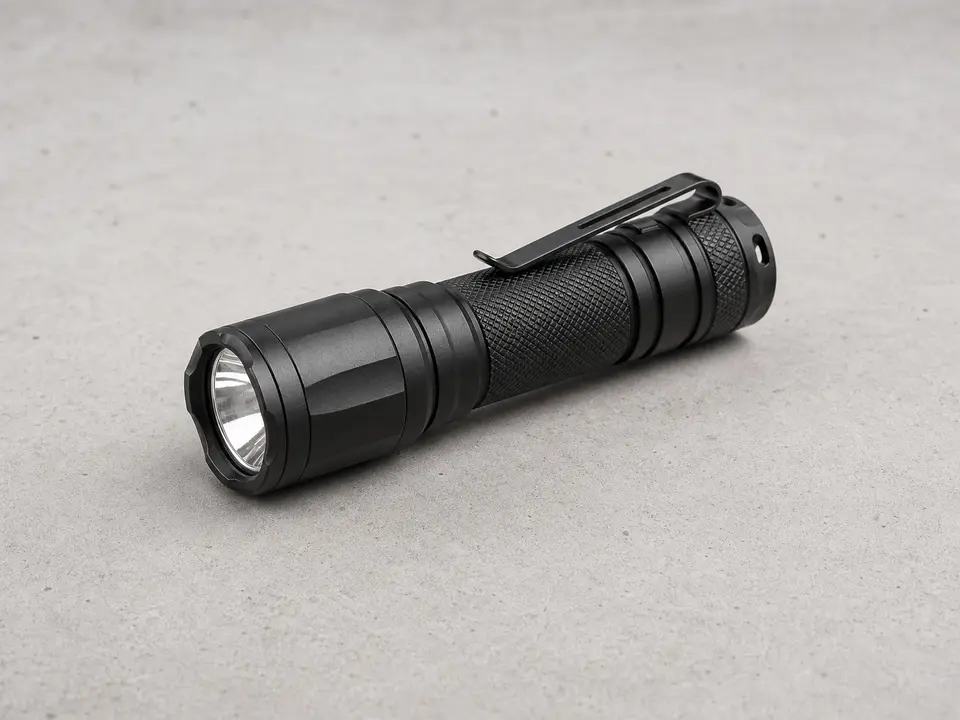
Flashlight
Use it for: Helps you clearly see breaker positions inside a dim panel area.
Shop flashlightsTo reset a tripped breaker, first unplug or switch off items on that circuit, then move the breaker firmly all the way to OFF and back to ON.
A breaker usually trips because the circuit was overloaded or there was a short or ground fault. The goal is not just to flip it back on, but to reduce the load first and make sure the circuit holds safely.
Before you start: Match the exact panel brand, breaker series, amperage, and pole configuration before ordering. Stop if the repair becomes unsafe or unclear.
Use it for: Helps you clearly see breaker positions inside a dim panel area.
Shop flashlights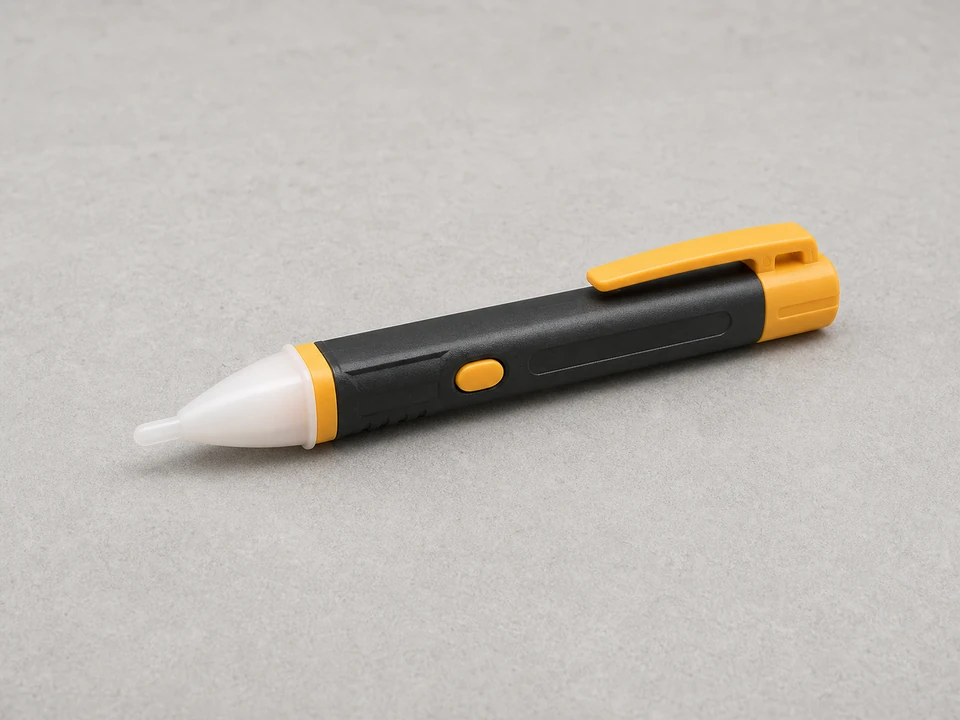
Use it for: Lets you check whether outlets or devices on the circuit are energized after the reset.
Shop non-contact voltage testers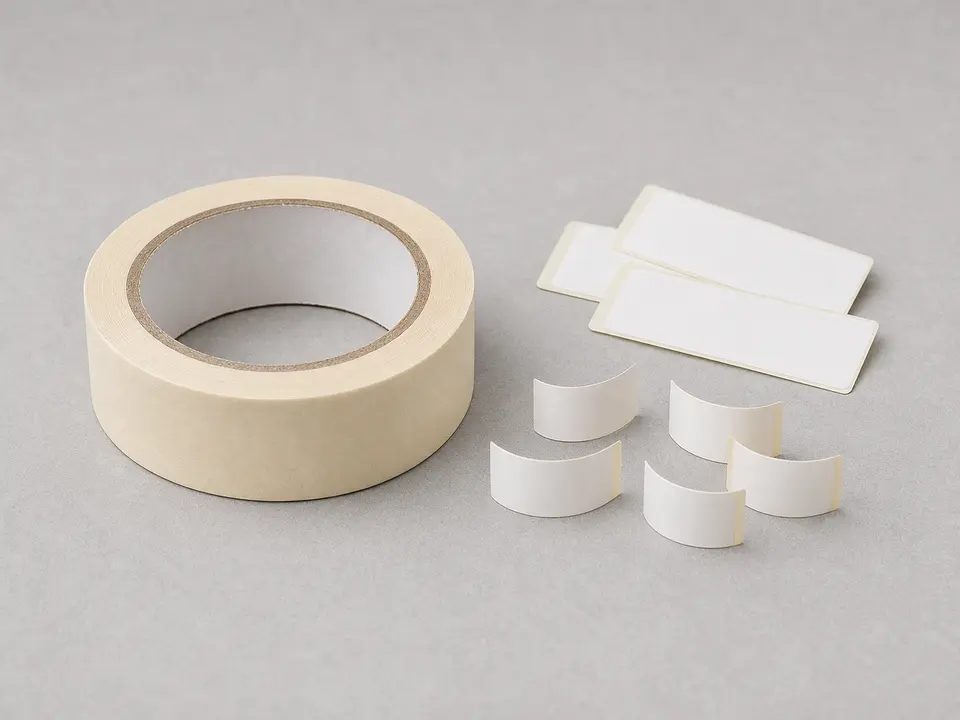
Use it for: Useful for marking the suspect circuit or unplugged devices while you test.
Shop masking tape labelsAs an Amazon Associate I earn from qualifying purchases. Repair Riot may earn a commission at no extra cost to you.
If it works: You found a breaker that appears tripped and the outage seems limited to one circuit.
If it doesn’t: If the whole house is out, check for a utility outage or a main disconnect issue instead. If no breaker looks tripped, check nearby GFCI outlets that may need to be reset.
If it works: The circuit is no longer trying to restart under the same load that caused the trip.
If it doesn’t: If you cannot tell what is on that circuit, unplug the obvious nearby devices first and continue with the reset.
If it works: The breaker clicks into the ON position and stays there.
If it doesn’t: If it will not stay on, leave it off and move to checking for a fault on the circuit rather than repeatedly forcing resets.
If it works: Power is restored and the breaker remains on with the circuit mostly unloaded.
If it doesn’t: If there is still no power even though the breaker is on, recheck for a tripped GFCI on that circuit or a second breaker tied to the same area.
If it works: You identified whether the trip was caused by one faulty device or by too much combined load on the circuit.
If it doesn’t: If the breaker trips with no clear device pattern, the problem may be in a receptacle, switch, light fixture, or wiring on that circuit.
If it works: The breaker stays on during normal use, and the circuit is back to working safely.
If it doesn’t: If the breaker trips again during ordinary use, leave it off and have the circuit diagnosed for overload, damaged wiring, a failing device, or a breaker problem.
Most breakers will not reset from the middle tripped position. Moving it fully to OFF resets the internal mechanism so it can latch back ON.
Leave it off. An immediate retrip usually points to a short, ground fault, wiring problem, or a failed device on the circuit.
No. Repeated resets can hide a dangerous fault and may damage equipment. Reduce the load, test carefully, and stop if it keeps tripping.
If the breaker holds with devices unplugged and trips only when several high-draw items run together, overload is likely. If it trips with little or no load, a fault is more likely.
Not unless you are qualified and sure the breaker is the problem. A breaker that will not reset can be caused by wiring or device faults elsewhere on the circuit.