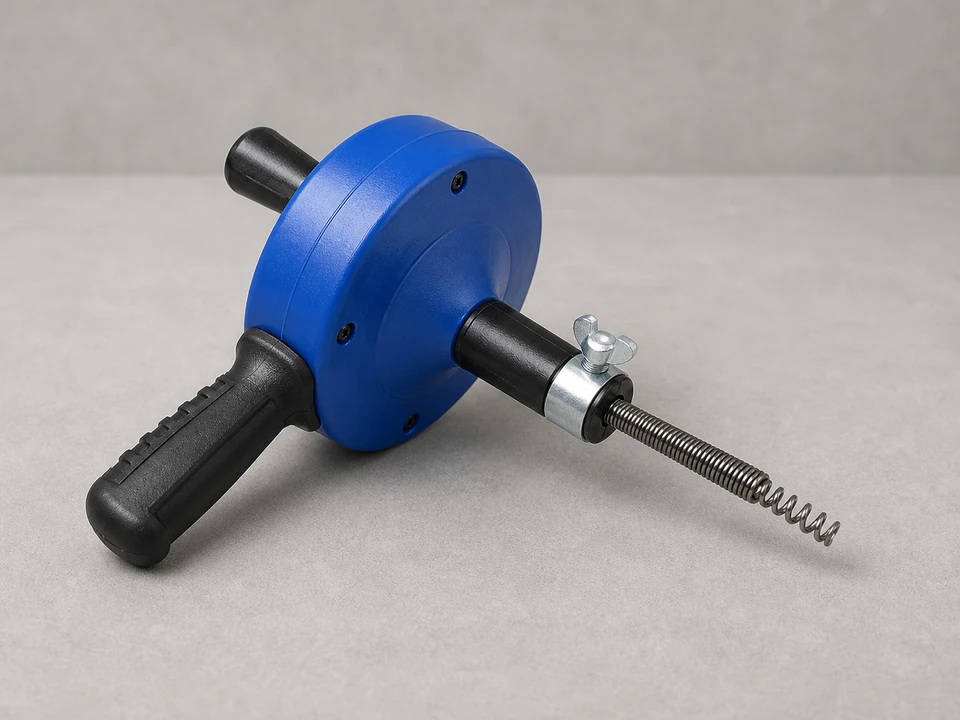
Hand drain snake
Use it for: Feeds into the drain and breaks up or grabs the clog.
Shop hand drain snakesTo snake a drain by hand, remove standing water if needed, open the drain or cleanout, feed a hand snake into the line, tighten the cable when you meet resistance, then rotate and work the clog loose before pulling the cable back out and flushing the drain.
This works best for common sink, tub, shower, and some branch drain clogs. Go slowly, keep the cable under control, and stop if the drain backs up into other fixtures or you suspect a main sewer blockage.
Before you start: Choose a hand-operated drain snake sized for the fixture you are clearing. A small sink or tub drain usually needs a lighter cable than a larger floor drain or main line cleanout. Stop if the repair becomes unsafe or unclear.
Use it for: Feeds into the drain and breaks up or grabs the clog.
Shop hand drain snakes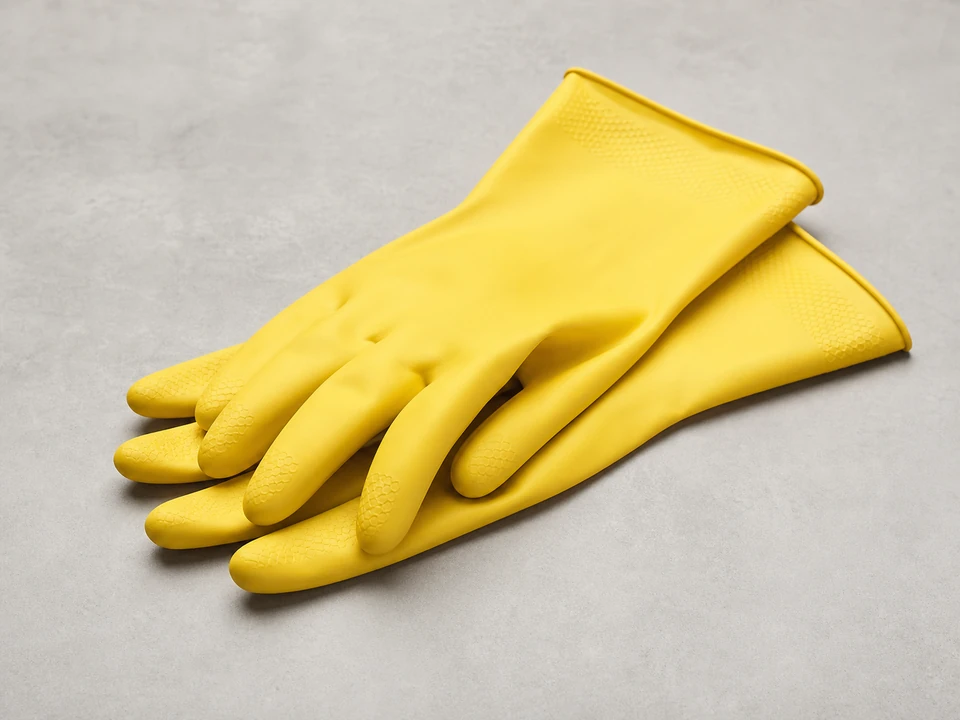
Use it for: Protects your hands from dirty water and sharp debris.
Shop rubber cleaning gloves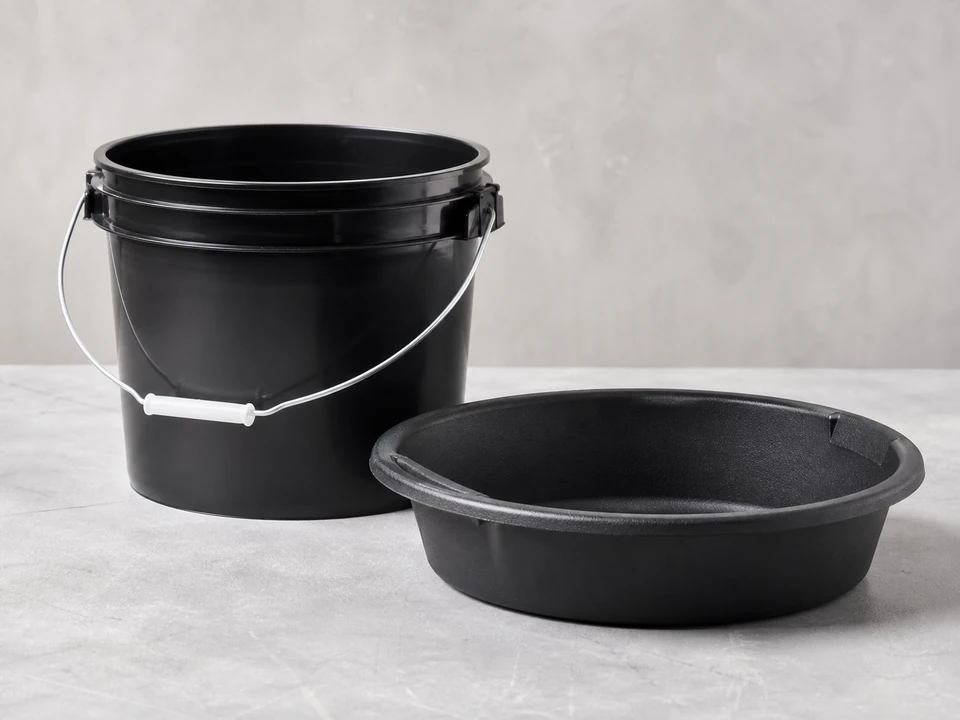
Use it for: Catches dirty water when you open a trap or cleanout.
Shop utility buckets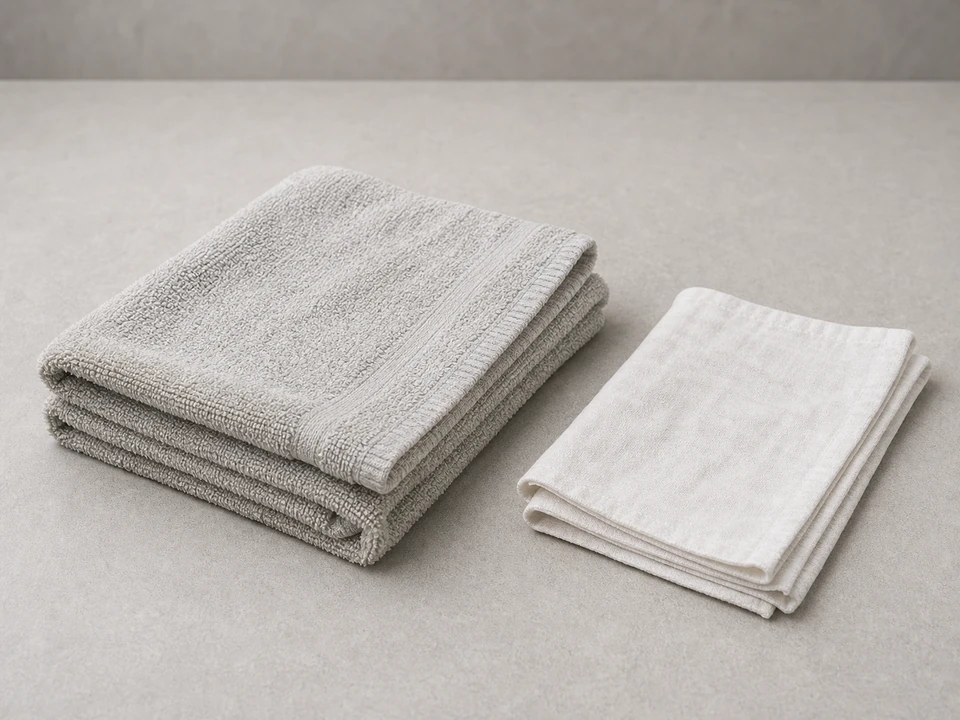
Use it for: Protects the floor and helps with cleanup.
Shop shop towels and rags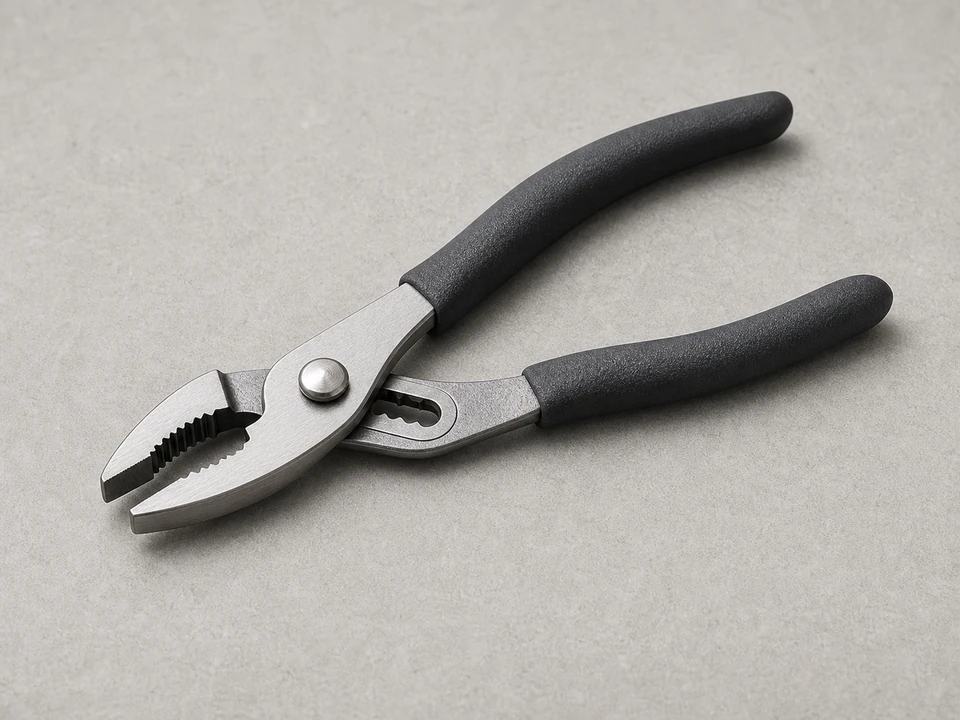
Use it for: Helps loosen some trap nuts or drain covers.
Shop slip-joint pliersAs an Amazon Associate I earn from qualifying purchases. Repair Riot may earn a commission at no extra cost to you.
If it works: You have a single problem drain, the work area is protected, and a hand snake is a reasonable next step.
If it doesn’t: If more than one fixture is backing up, use a larger cleanout-based approach or call a plumber because this may be a branch or main line clog.
If it works: You have a clear access point where the snake can enter the drain without fighting through a stopper or heavy buildup.
If it doesn’t: If you cannot get useful access through the drain opening, try the trap or an accessible cleanout instead.
If it works: The cable moves into the line and you have either reached the clog or worked through the first bend without kinking the snake.
If it doesn’t: If the cable keeps hanging up right away, pull back a little, rotate, and try a slightly different angle instead of forcing it.
If it works: You feel the clog loosen, the cable advances farther, or debris comes back out on the cable.
If it doesn’t: If you keep hitting the same hard stop and nothing changes, the clog may be too dense, too far away, or not reachable with a small hand snake.
If it works: The cable is out, the drain parts are back in place, and the area is cleaned up enough for testing.
If it doesn’t: If a trap or cleanout still leaks after reassembly, loosen it and reseat it before testing again.
If it works: Water drains at a normal rate, no joints leak, and the clog does not return during a normal-use test.
If it doesn’t: If the drain is still slow, repeat the snaking once more or move to a better access point. If it still backs up, the clog is likely deeper or larger than a hand snake can clear.
Sometimes, yes. If the opening gives the cable a straight enough path, it can work. If the cable keeps catching, remove the stopper or go through the trap or cleanout for better access.
A hand snake is usually the better first move for a solid clog because it physically removes or breaks up the blockage. Chemical cleaners can sit in the line, splash back during disassembly, and may not solve the root clog.
Feed until you reach the clog and then a little beyond it once it loosens. For a simple fixture clog, the blockage is often within the first several feet, but some are farther down the branch line.
The clog may be farther away, the cable may be slipping past it, or the problem may not be a simple fixture clog. Try a better access point like the trap or cleanout. If multiple fixtures are affected, think bigger than a single drain clog.
It can if you force it, especially in older or fragile drain lines. Use light pressure, steady rotation, and stop if the cable binds hard or the piping seems weak.