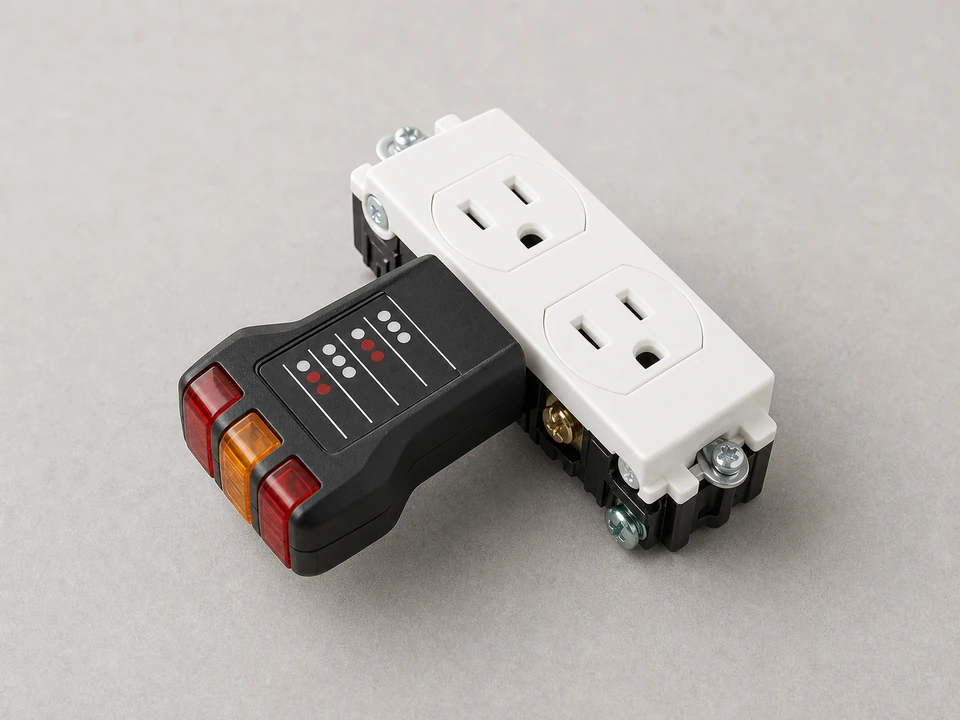
Plug in outlet tester
Use it for: Shows whether the outlet has power before and after you trip the GFCI.
Shop outlet testersTo test a GFCI outlet, plug in a lamp or outlet tester, press the outlet's TEST button to make sure power shuts off, then press RESET to restore power. If it will not trip, will not reset, or leaves protected outlets behaving oddly, the outlet may be faulty or wired incorrectly.
A GFCI outlet is supposed to cut power fast when it senses a ground fault. Testing it only takes a few minutes, and it tells you whether the outlet is actually protecting that location and any downstream outlets tied to it.
Before you start: Match the device style, amperage, GFCI or AFCI type, and wiring compatibility before ordering. Stop if the repair becomes unsafe or unclear.
Use it for: Shows whether the outlet has power before and after you trip the GFCI.
Shop outlet testers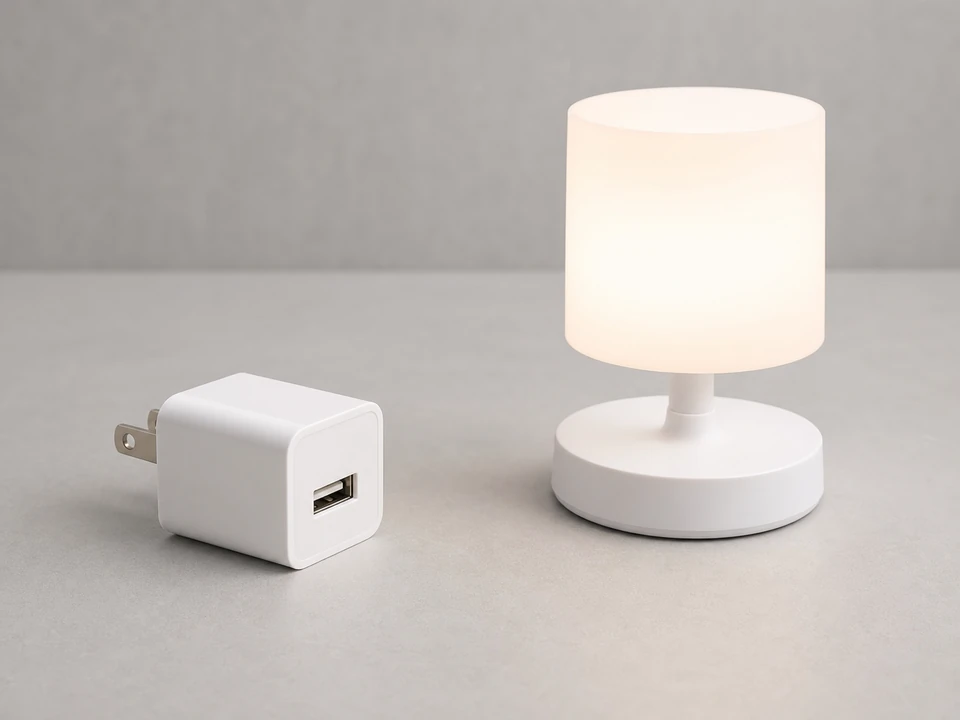
Use it for: Gives you a simple real-world load to confirm power turns off and back on.
Find a small test lamp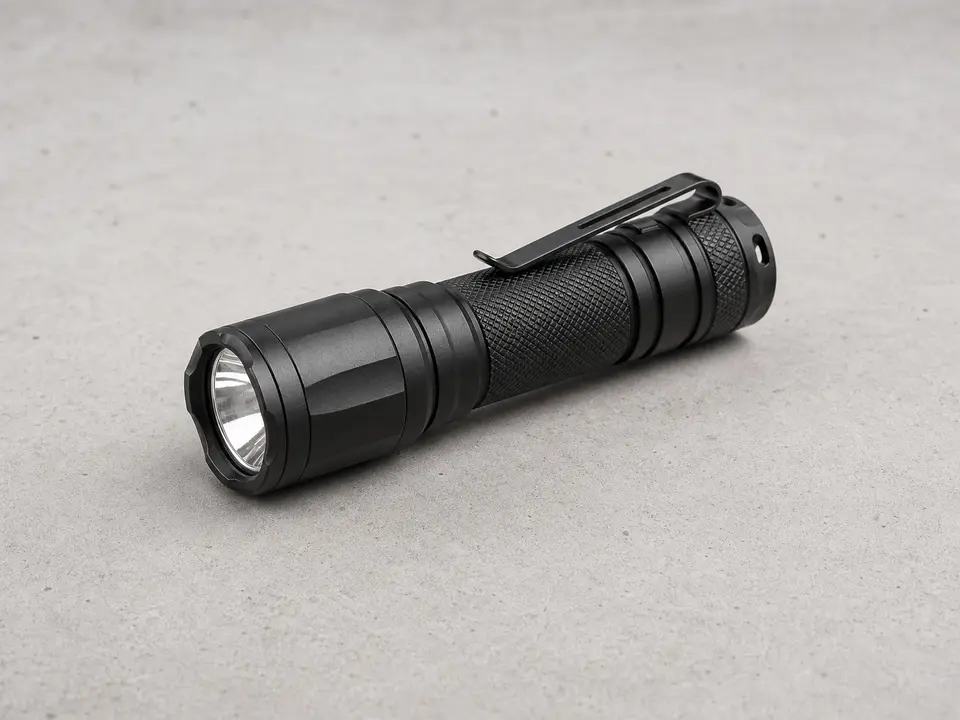
Use it for: Helps you see the TEST and RESET buttons and check nearby outlets in dim areas.
Shop flashlightsAs an Amazon Associate I earn from qualifying purchases. Repair Riot may earn a commission at no extra cost to you.
If it works: You confirmed this is a GFCI outlet and you know whether it is powered before testing.
If it doesn’t: If the outlet has no TEST and RESET buttons, this is not a standard GFCI outlet. Check for another GFCI upstream or a tripped breaker instead.
If it works: Power to the outlet turned off when you pressed TEST.
If it doesn’t: If the outlet stays powered, try pressing TEST again firmly. If it still does not trip, the GFCI may have failed or may be wired incorrectly and should be evaluated before you rely on it.
If it works: The outlet reset normally and power came back on.
If it doesn’t: If RESET will not stay in, unplug everything on that circuit and try once more. If it still will not reset, check for a tripped breaker, a lost upstream power feed, or a failed GFCI.
If it works: You identified whether this GFCI protects only itself or also protects other outlets downstream.
If it doesn’t: If nearby outlets behave inconsistently, label the ones that are protected and consider having the wiring checked if the protection pattern does not make sense.
If it works: The tester shows a normal reading and the GFCI trips and resets as expected.
If it doesn’t: If the tester shows an open ground, reversed wiring, or another fault, do not rely on the outlet for protection until the wiring issue is corrected.
If it works: The GFCI trips when tested, resets properly, and works normally afterward.
If it doesn’t: If it trips repeatedly with ordinary loads or behaves differently from one test to the next, the outlet may be worn out, miswired, or reacting to a real fault on the circuit.
A quick test on a regular schedule is a good habit. Many homeowners do it monthly or a few times a year, especially in bathrooms, kitchens, garages, basements, and outdoor locations.
That usually means the outlet does not have proper incoming power, the breaker is tripped, there is a wiring problem, or the GFCI has failed. Unplug loads, check the breaker, and if it still will not reset, the outlet needs further diagnosis.
Yes. The built-in TEST and RESET buttons are the main check. A lamp or charger helps you confirm power turns off and back on. A plug-in tester is just a useful second check.
That GFCI may protect downstream outlets on the same circuit. That is normal if they come back on when you press RESET. If the pattern seems random or some outlets do not return, the wiring may need attention.
Not always. A plug-in tester is helpful, but it cannot catch every wiring issue. If the tester shows a fault or the outlet acts inconsistently, treat that as a real problem and have the wiring checked.