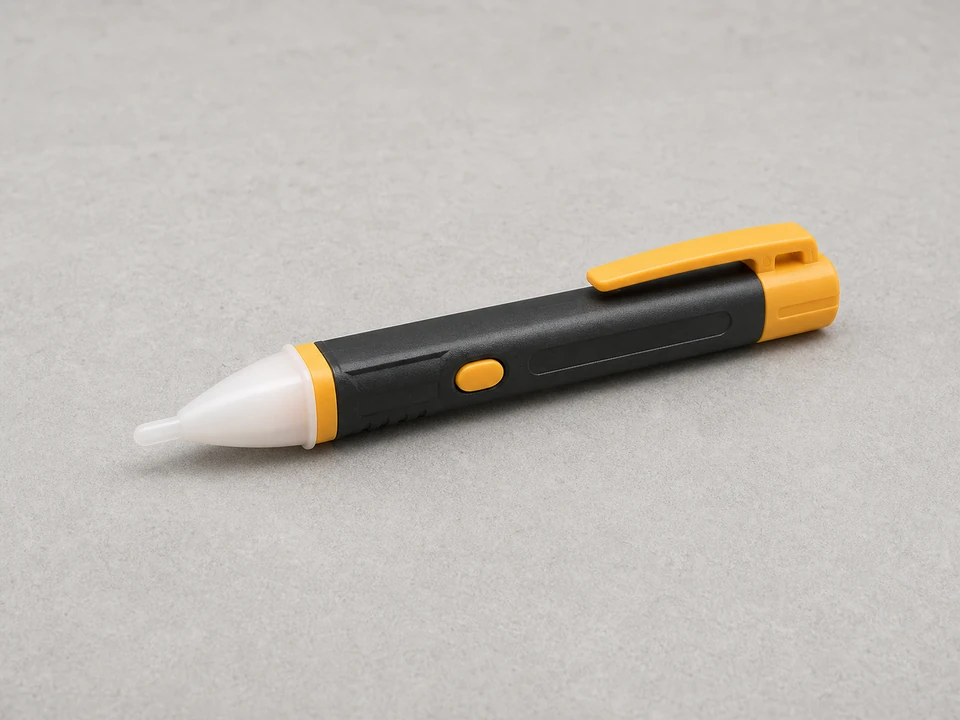
Non contact voltage tester
Use it for: Checks for live voltage at the fixture, switch, or wire without touching bare conductors.
Find a non-contact voltage testerTo turn off a breaker and verify power is off, identify the circuit you plan to work on, switch the correct breaker fully to OFF, then test the device and nearby conductors with a known-working voltage tester before touching any wiring.
This is the basic safety step before replacing a light fixture, switch, outlet, or similar electrical part. The goal is not just flipping a breaker. The goal is proving the circuit is actually dead.
Before you start: Choose a tester rated for household AC voltage, and verify it can check the type of circuit you are working on before you start. Stop if the repair becomes unsafe or unclear.
Use it for: Checks for live voltage at the fixture, switch, or wire without touching bare conductors.
Find a non-contact voltage tester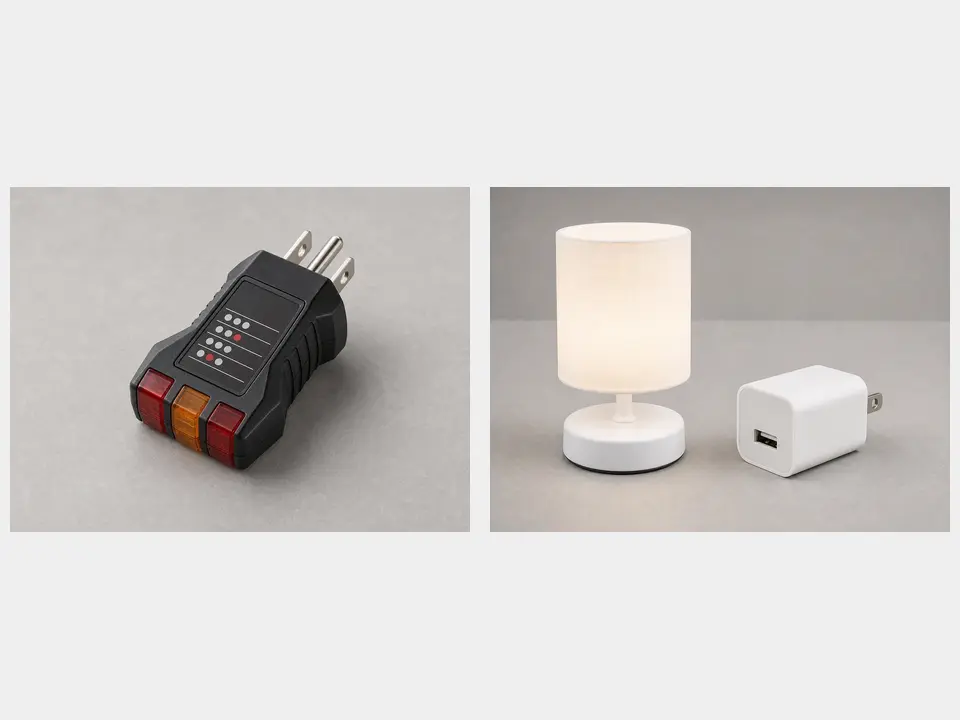
Use it for: Helps confirm you shut off the right breaker on a receptacle circuit.
Find an outlet tester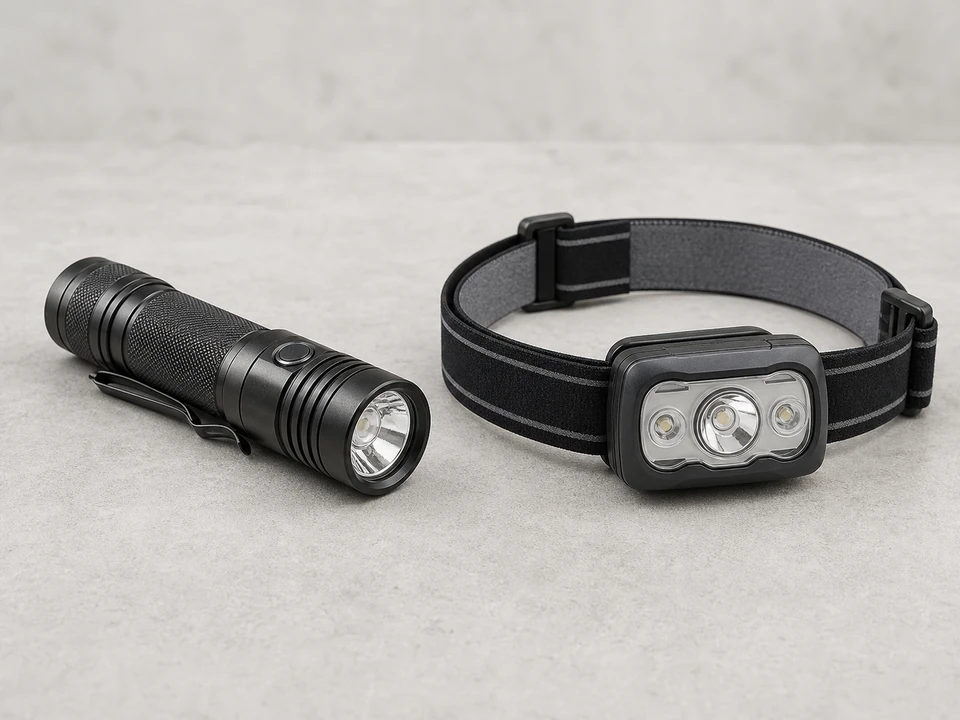
Use it for: Lets you work safely after the breaker is off and the room goes dark.
Find a work flashlight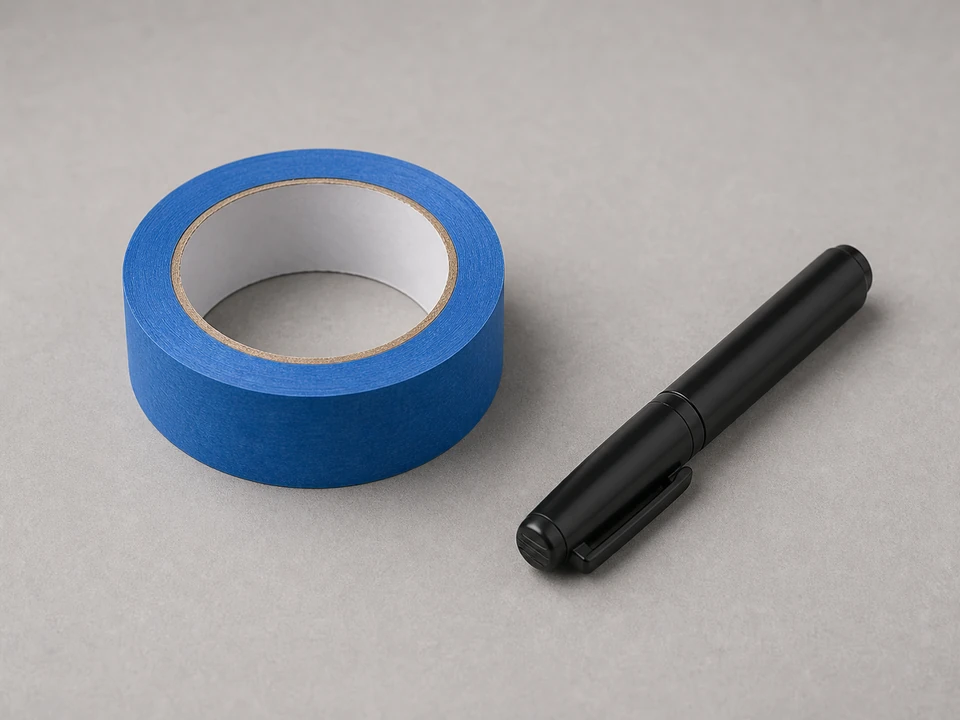
Use it for: Lets you mark the breaker and the switch or fixture you are working on.
Find painter's tape and marker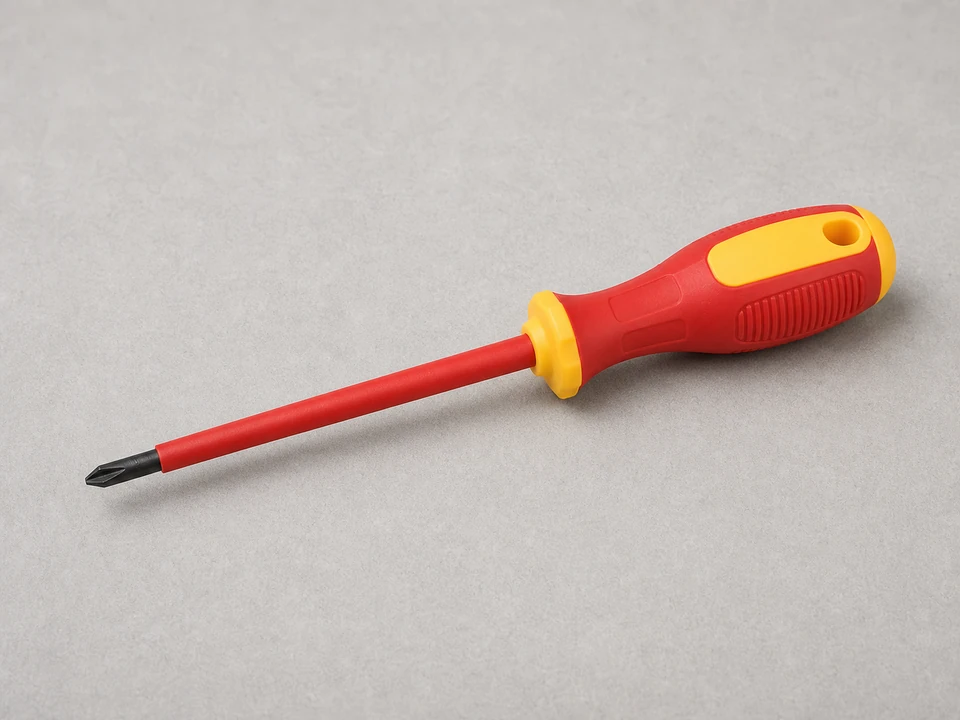
Use it for: Useful if you need to remove a cover or fixture canopy after power is confirmed off.
Find an insulated screwdriverAs an Amazon Associate I earn from qualifying purchases. Repair Riot may earn a commission at no extra cost to you.
If it works: You know which device or circuit you need to de-energize, and the situation appears safe enough for a normal shutoff and test.
If it doesn’t: If you are not sure what device feeds the problem area, trace it first by room, switch, or receptacle before opening anything.
If it works: You have a clear way to tell when the circuit loses power, and your work area is ready for the lights to go out.
If it doesn’t: If the device will not turn on, plan to rely on your voltage tester after the breaker is off instead of a visual cue.
If it works: The light, outlet tester, or plugged-in lamp goes off, suggesting you found the correct breaker.
If it doesn’t: If nothing you switch off kills the device, the labeling may be wrong or the circuit may be fed from another panel or a shared wiring path. Stop and sort that out before opening the box.
If it works: Your tester reads live on a known live source and shows no voltage at the device or conductors you plan to touch.
If it doesn’t: If the tester gives inconsistent readings, replace the tester battery or use a second tester before doing any electrical work.
If it works: The breaker is off, the area is marked, and the circuit is less likely to be turned back on by mistake.
If it doesn’t: If you cannot keep others away from the panel, wait until you can control the area or have someone stay at the panel while you work.
If it works: The circuit stayed dead while you worked, then powered back up normally and the device works as expected.
If it doesn’t: If the breaker trips, the device does not work, or anything seems abnormal after re-energizing, turn the breaker back off and recheck your wiring or call an electrician.
No. A wall switch only interrupts part of the circuit. The box can still contain live wires. Turn off the breaker and test for voltage before touching anything.
Because a dead battery or failed tester can give you a false sense of safety. Proving the tester works before and after checking the circuit helps confirm the reading is trustworthy.
That is common. Use the labels as a starting point, but always confirm by shutting off the breaker and testing the actual device or conductors.
Yes. Some boxes contain multiple cables, switched legs, or feed-through wiring. That is why you test every wire in the box, not just the one you expect to use.
Stop before opening the box. The circuit may be mislabeled, shared, or fed from another panel. Sort out the circuit first or call an electrician if the source is unclear.