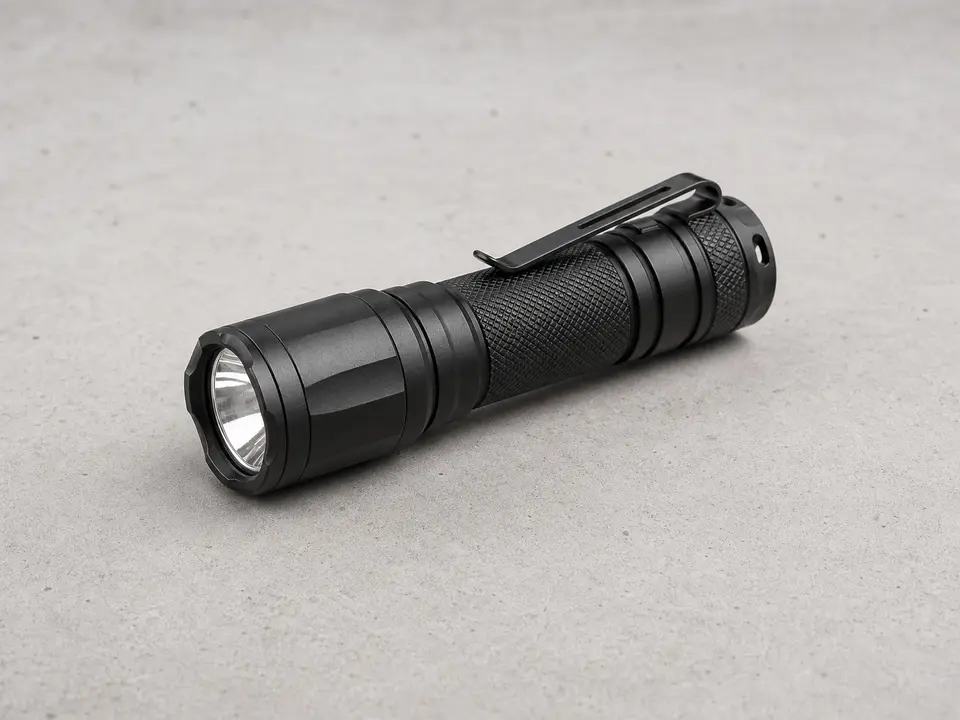
Flashlight
Use it for: To see lint, soap buildup, cracks, or a bent strike in the latch area.
Shop flashlightsA washer door lock problem is often caused by a door that is not fully closing, debris in the latch area, a control that needs a reset, or a failed washer door latch assembly.
Start with the simple checks first. Make sure the washer has finished draining, clean the strike and latch opening, reset the machine, and inspect the latch area for damage. If the door still will not lock or unlock correctly, the washer door latch assembly is a common repair point.
Before you start: Match the latch style, connector shape, and your washer's full model number before ordering. Stop if the repair becomes unsafe or unclear.
Use it for: To see lint, soap buildup, cracks, or a bent strike in the latch area.
Shop flashlights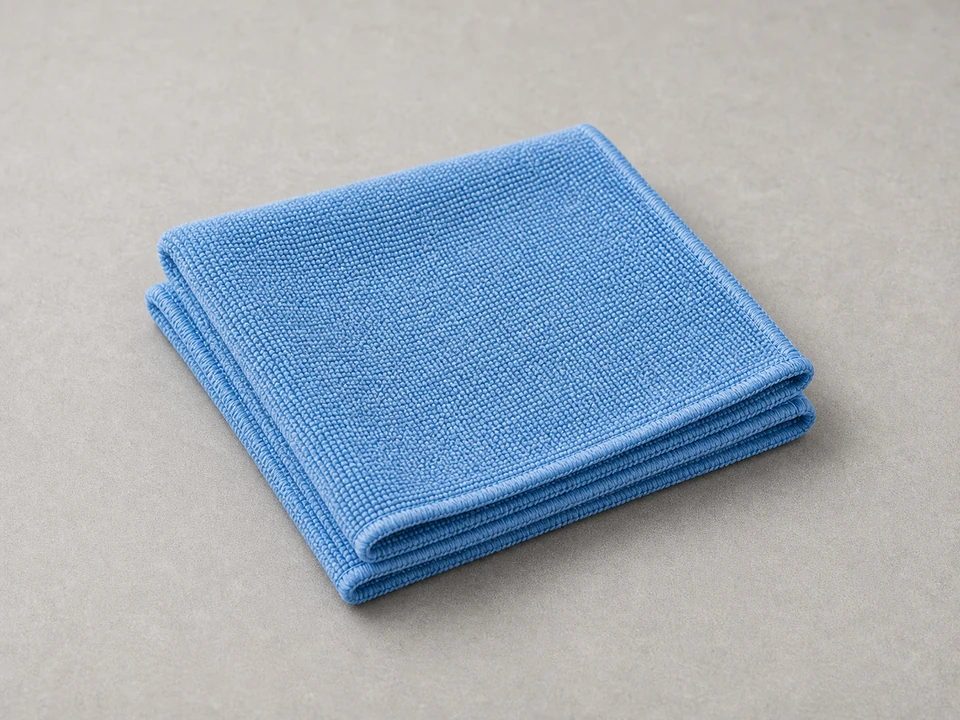
Use it for: To wipe soap residue and grime off the door strike and latch opening.
Shop microfiber cloths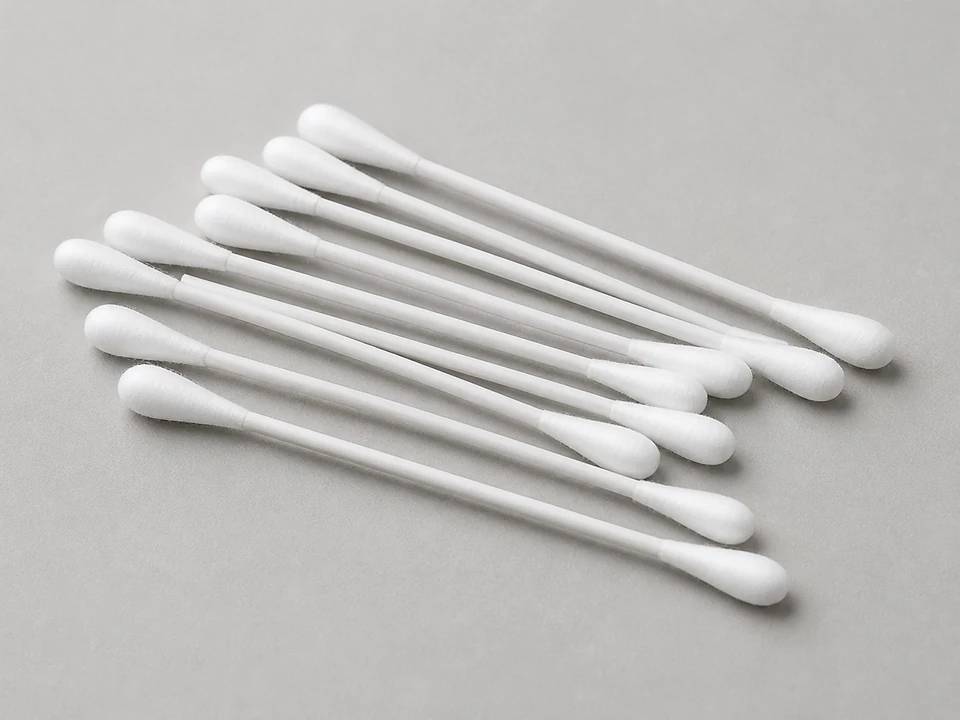
Use it for: To clean tight corners around the latch opening without forcing debris deeper inside.
Shop cotton swabs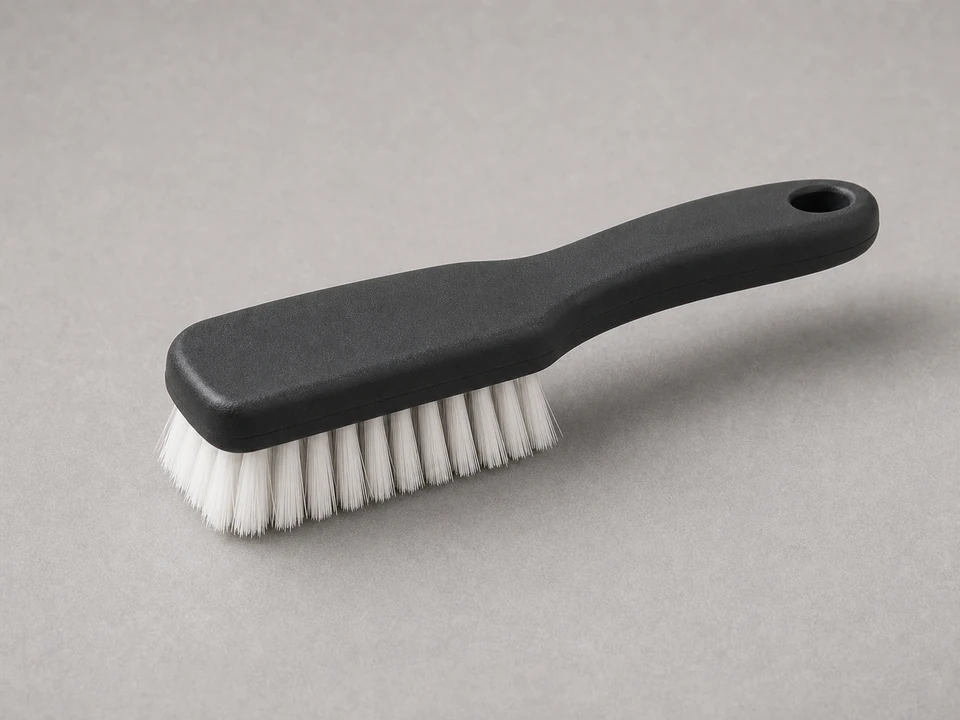
Use it for: To loosen lint and dried detergent around the latch and door seal area.
Shop small cleaning brushes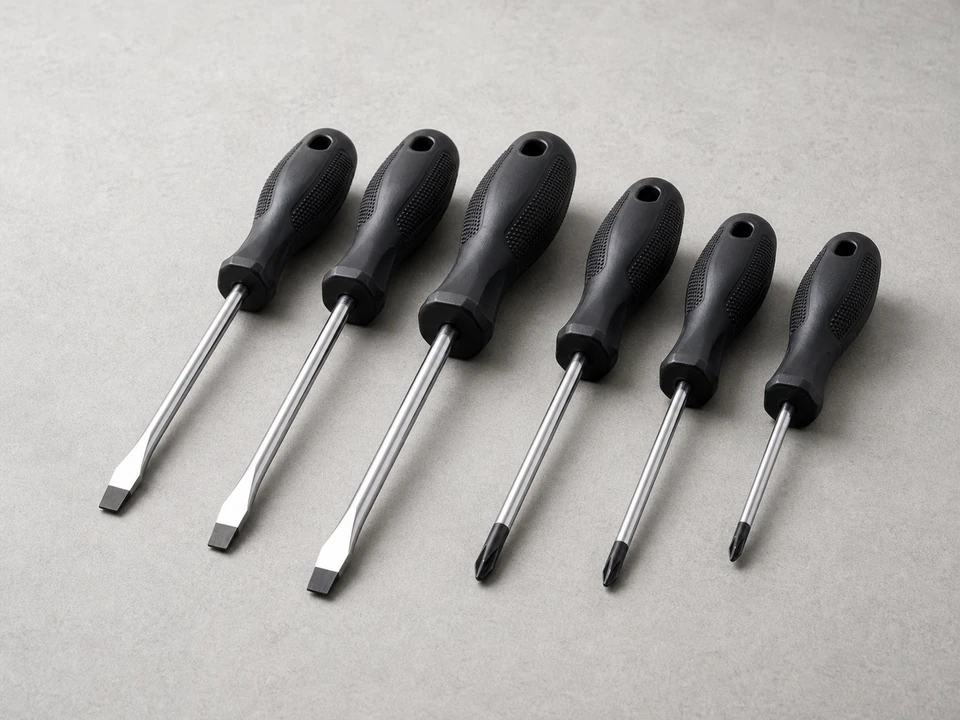
Use it for: To remove access screws if you need to inspect or replace the latch assembly.
Shop screwdriver setsAs an Amazon Associate I earn from qualifying purchases. Repair Riot may earn a commission at no extra cost to you.
If it works: You have confirmed the problem is centered on the door not locking, not unlocking, or not being recognized as closed.
If it doesn’t: If the washer is mainly not draining, start with a drain or pump check first because standing water can keep the door locked.
If it works: The washer is safely powered down and you have given the lock time to release normally.
If it doesn’t: If the door is still locked shut, continue with the reset and inspection steps instead of forcing it open.
If it works: The latch area is clean and the door can close without rubbing on debris.
If it doesn’t: If the door will not open for cleaning, move on to the reset and visual inspection you can do from the outside.
If it works: The washer now locks and unlocks normally during a short test cycle.
If it doesn’t: If the same problem returns right away, inspect the latch assembly and strike more closely for wear or damage.
If it works: You have identified whether the problem is poor alignment, a loose connection, or a damaged washer door latch assembly.
If it doesn’t: If everything looks intact but the washer still will not sense the door correctly, the latch assembly may have failed internally and is the next likely part to replace.
If it works: The washer door operates normally in a real cycle and the repair held under normal use.
If it doesn’t: If a new latch does not fix it, the problem may be in the door strike alignment, wiring, or main control, and a deeper diagnosis is the better next step.
The most common reasons are standing water in the tub, a control that has not reset yet, debris in the latch area, or a failed washer door latch assembly. Let the washer finish draining, power it down for a few minutes, and then test again.
No. That usually means the strike is misaligned, the latch is dirty, or the latch assembly is wearing out. Forcing it can break the strike or damage the latch further.
Not always. Intermittent problems can come from soap buildup, lint, a loose strike, or a control glitch. Clean the area and reset the washer first. If the problem keeps coming back, the latch assembly becomes more likely.
A short delay can be normal while the control confirms the cycle is done and the tub is safe to open. If the delay becomes unusually long or the door stays locked with no water inside, start with a reset and latch inspection.
Use your washer's full model number and compare the latch shape, mounting points, and wire connector style. Similar-looking latch assemblies are not always interchangeable.