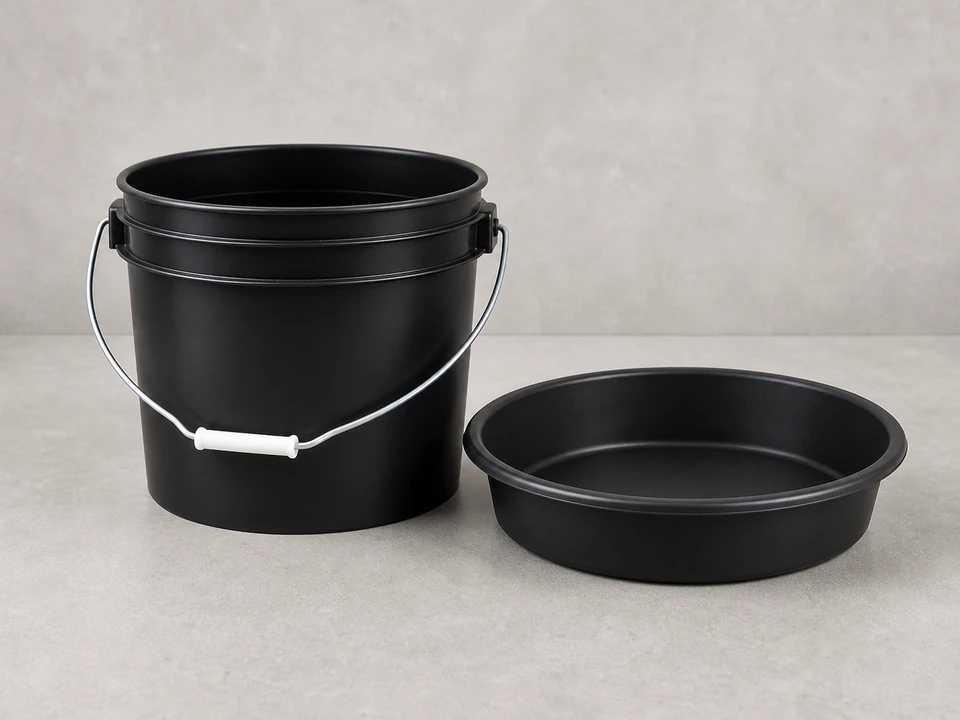
Bucket or shallow pan
Use it for: Catches the water and debris that spill out when the old trap comes apart.
Shop small drain catch pansTo replace a bathroom sink P-trap kit, first confirm the trap is the source of the leak, clog, or corrosion, then remove the old trap, dry-fit the new pieces, tighten the slip-joint connections, and test the sink under real water flow.
This is a manageable repair for many homeowners because the trap is usually exposed and held together with slip nuts. The key is using a matching kit, keeping the washers oriented correctly, and checking for leaks before you put everything back under the sink.
Before you start: Match the pipe diameter, inlet and outlet configuration, and trap style before ordering.
Use it for: Catches the water and debris that spill out when the old trap comes apart.
Shop small drain catch pans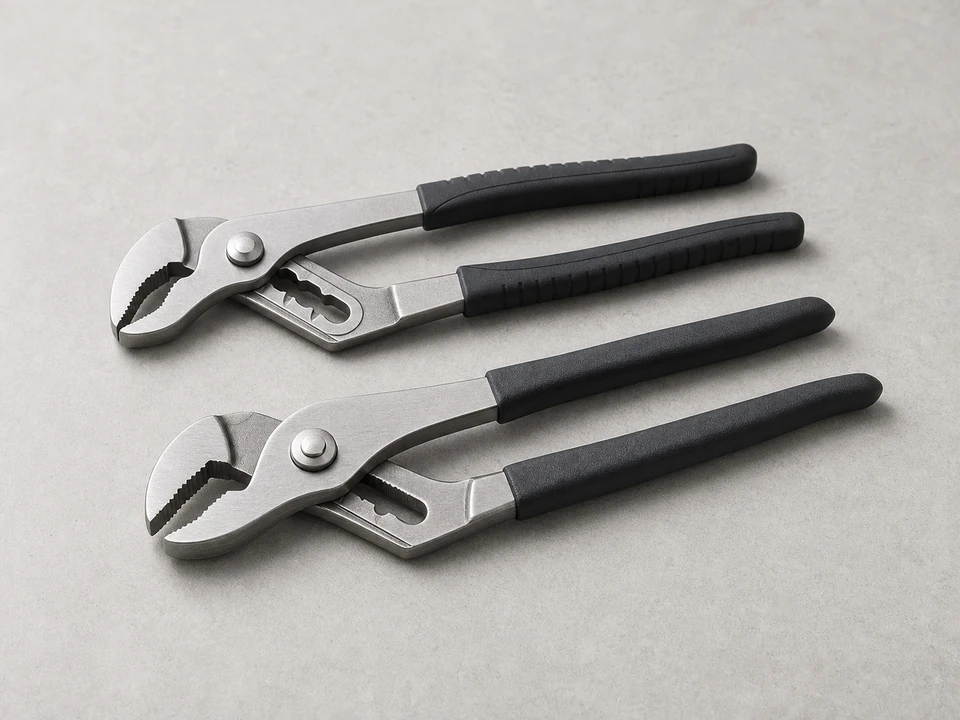
Use it for: Helps loosen stuck slip nuts without crushing the pipe.
Find channel-lock pliers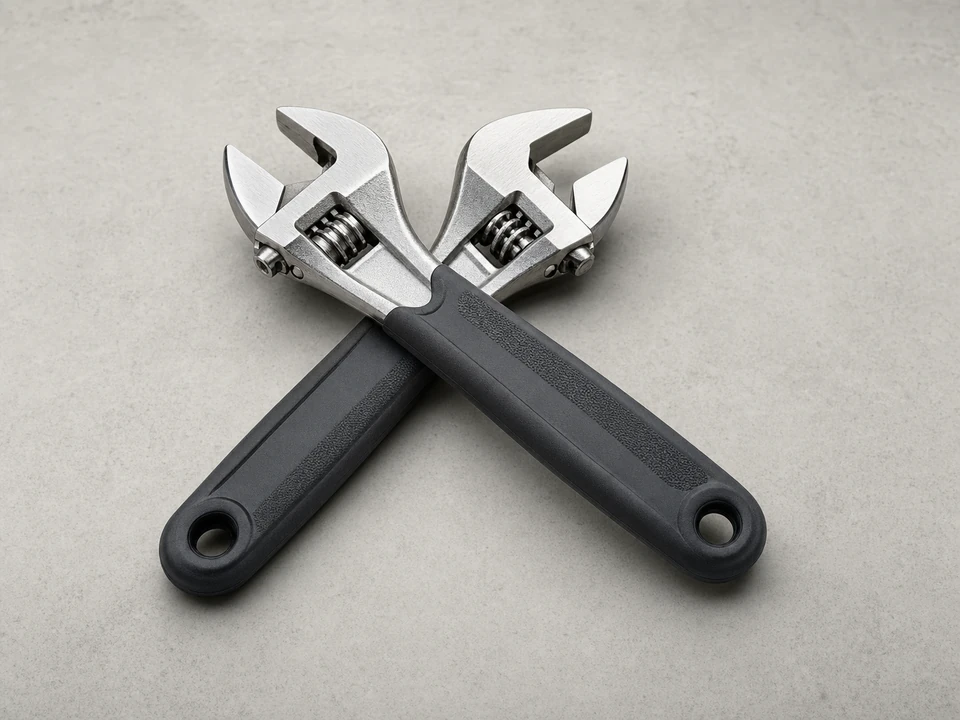
Use it for: Useful if the wall arm or adapter needs light tightening.
Shop adjustable wrenches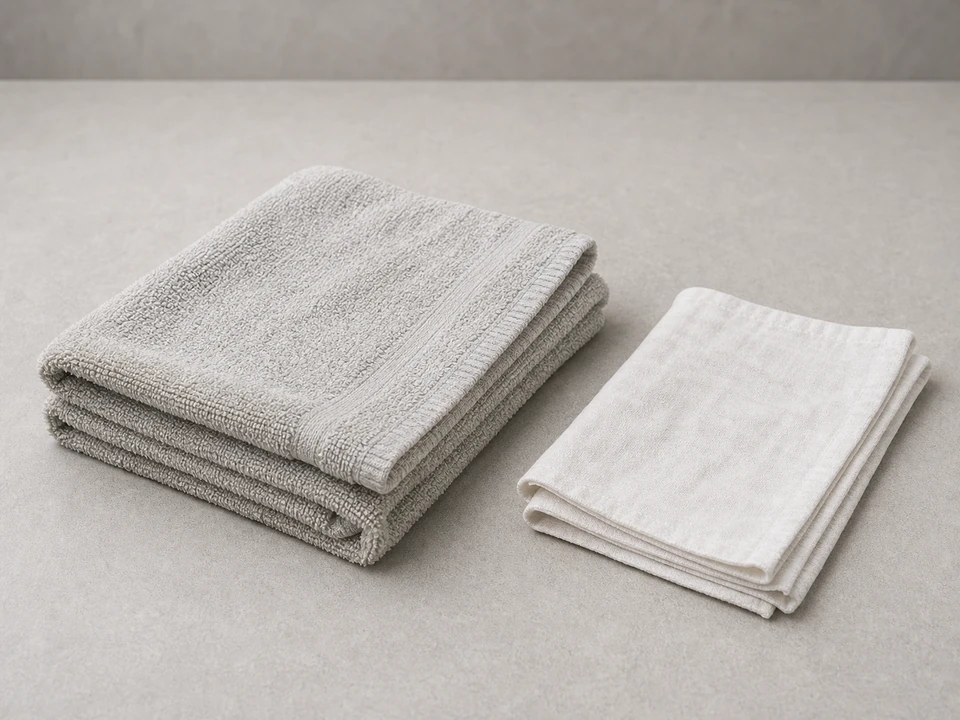
Use it for: Protects the cabinet floor and lets you wipe joints dry for leak checks.
Find shop towels or rags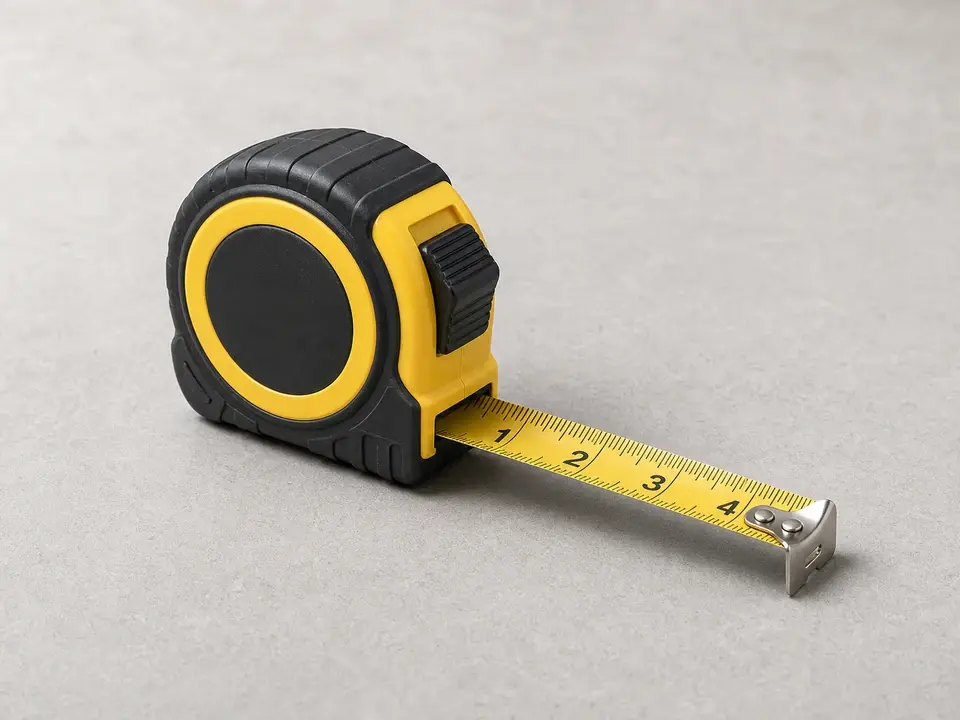
Use it for: Lets you confirm pipe diameter and compare the new kit to the old one.
Shop tape measures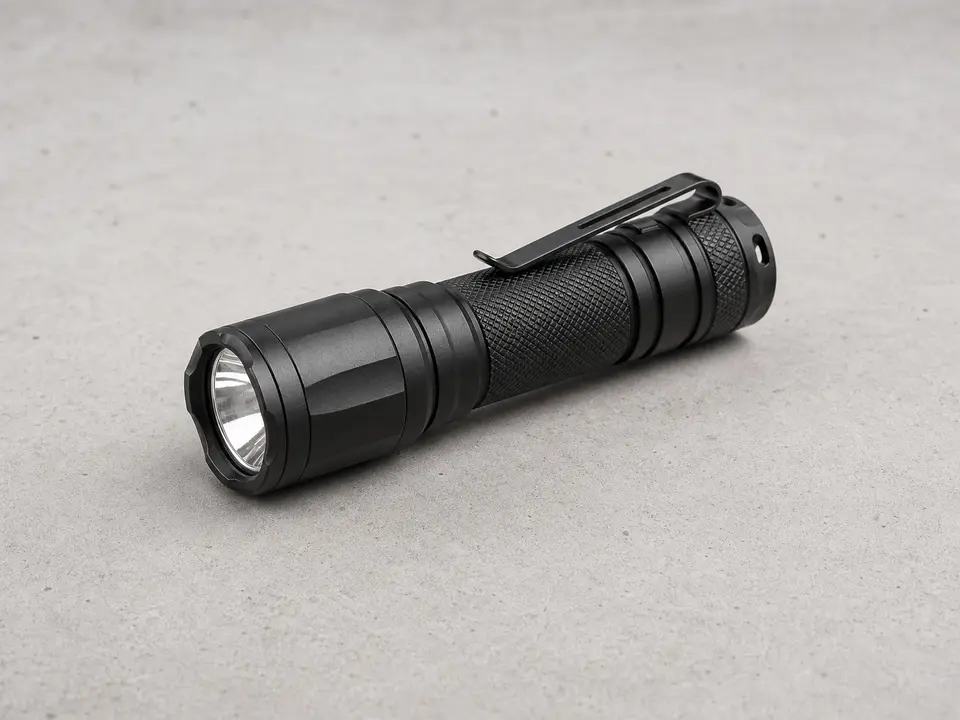
Use it for: Makes it easier to see the trap, wall connection, and any slow drips.
Find a work flashlightAs an Amazon Associate I earn from qualifying purchases. Repair Riot may earn a commission at no extra cost to you.
If it works: You have confirmed the trap assembly is the likely source of the problem and you have a replacement kit that matches the setup.
If it doesn’t: If the leak is higher up at the sink drain, at the faucet supply lines, or inside the wall, fix that issue first because a new trap will not solve it.
If it works: The old P-trap assembly is out and the work area is protected from spills.
If it doesn’t: If a nut will not move, apply steady pressure and avoid twisting the sink drain or wall pipe. A little back-and-forth motion often helps free it.
If it works: The connection points are clean, visible, and ready for the new trap kit.
If it doesn’t: If the threads are dirty but intact, keep cleaning until the nuts spin on by hand without binding.
If it works: The new trap kit lines up with the sink tailpiece and wall drain without strain.
If it doesn’t: If the pieces do not line up, recheck the kit size and configuration. A trap that has to be forced into place usually leaks later.
If it works: The new P-trap kit is installed, aligned, and snug without obvious stress on the joints.
If it doesn’t: If a nut feels crooked or binds early, back it off and restart it by hand before tightening again.
If it works: The sink drains normally and the new trap stays dry during both light flow and a full drain test.
If it doesn’t: If a joint still drips after a small retightening, take that connection apart, check the washer direction and seating, and reassemble it.
Match the pipe diameter, inlet and outlet configuration, and trap style before ordering.
As an Amazon Associate I earn from qualifying purchases. Repair Riot may earn a commission at no extra cost to you.
Usually no. The trap is part of the drain, not the supply lines. Just avoid running the faucet while the trap is removed and keep a bucket underneath for the water already sitting in the drain.
Most bathroom sink P-trap kits seal with slip-joint washers, not thread sealant. The seal comes from the washer seating correctly and the nut being tightened properly.
The most common causes are a crooked nut, a washer facing the wrong direction, dirty sealing surfaces, or a trap that is being forced out of alignment. Taking the leaking joint back apart and reseating it usually fixes the problem.
It is better to use the new hardware that comes with the replacement kit. Old washers flatten out and old nuts may not fit the new parts well enough to seal reliably.
That usually means the clog is farther down the branch drain or in the sink drain assembly above the trap. The new trap fixes a damaged or blocked trap section, but it cannot clear a deeper line restriction.