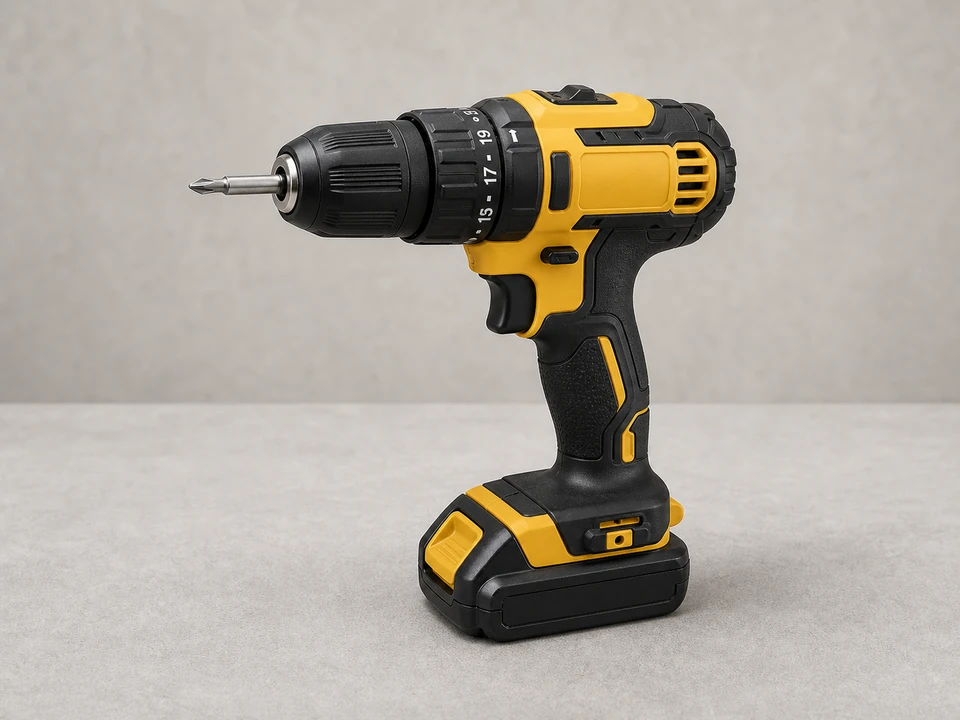
Drill/driver
Use it for: To remove old screws and drive the new ones cleanly.
Shop drill/driversIf deck boards are loose because screws are backed out, stripped, rusted, or broken, you can usually fix the problem by removing the failed fasteners and installing new exterior-rated deck screws of the right size.
This repair works best when the deck boards are still sound and the framing below is solid. The goal is to pull each board tight to the joist again without splitting the board or reusing a worn-out hole that will not hold.
Before you start: Match the screw type, length, head style, and exterior rating to your deck board thickness and framing material before ordering.
Use it for: To remove old screws and drive the new ones cleanly.
Shop drill/drivers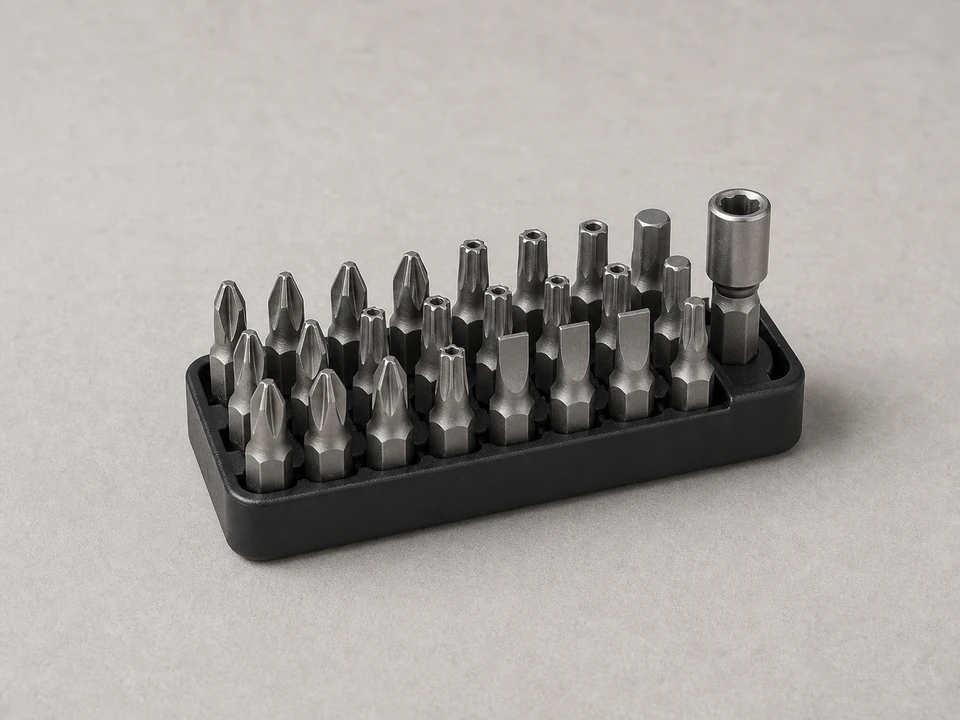
Use it for: To match the screw head and avoid stripping it during removal or installation.
Find driver bit sets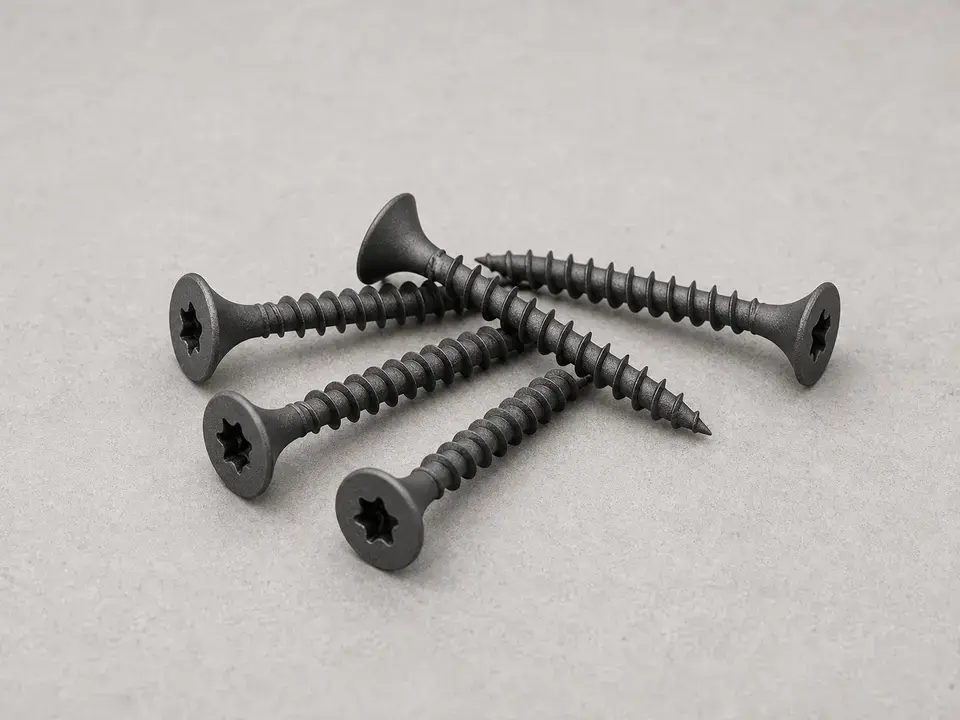
Use it for: To secure the deck boards back to the framing with exterior-rated fasteners.
Find replacement deck screws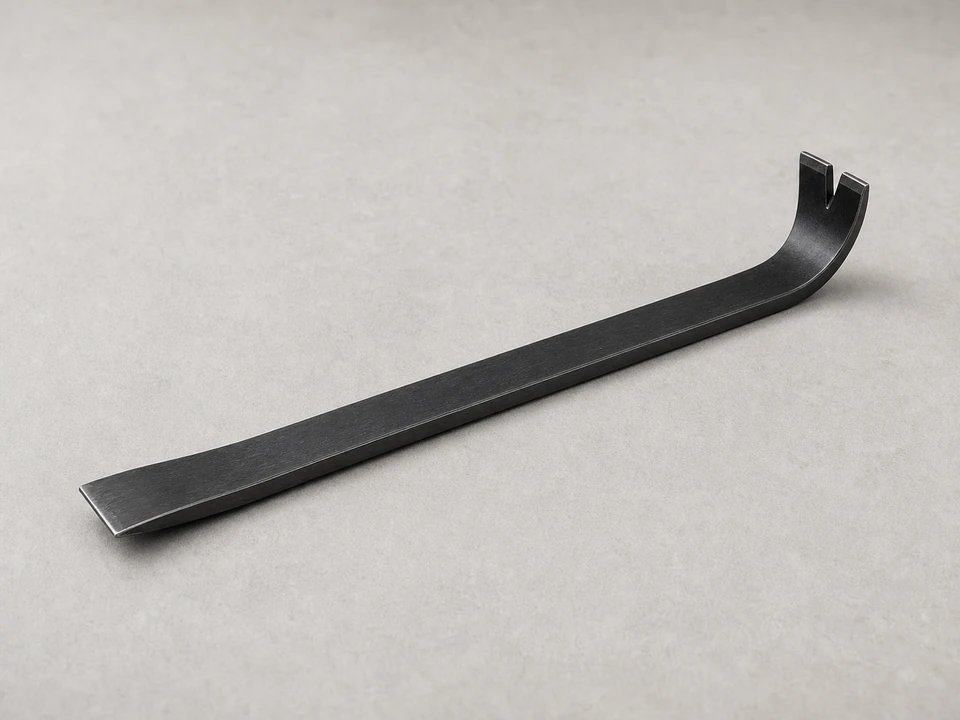
Use it for: To lift a stubborn board slightly or help remove a broken fastener if needed.
Shop pry bars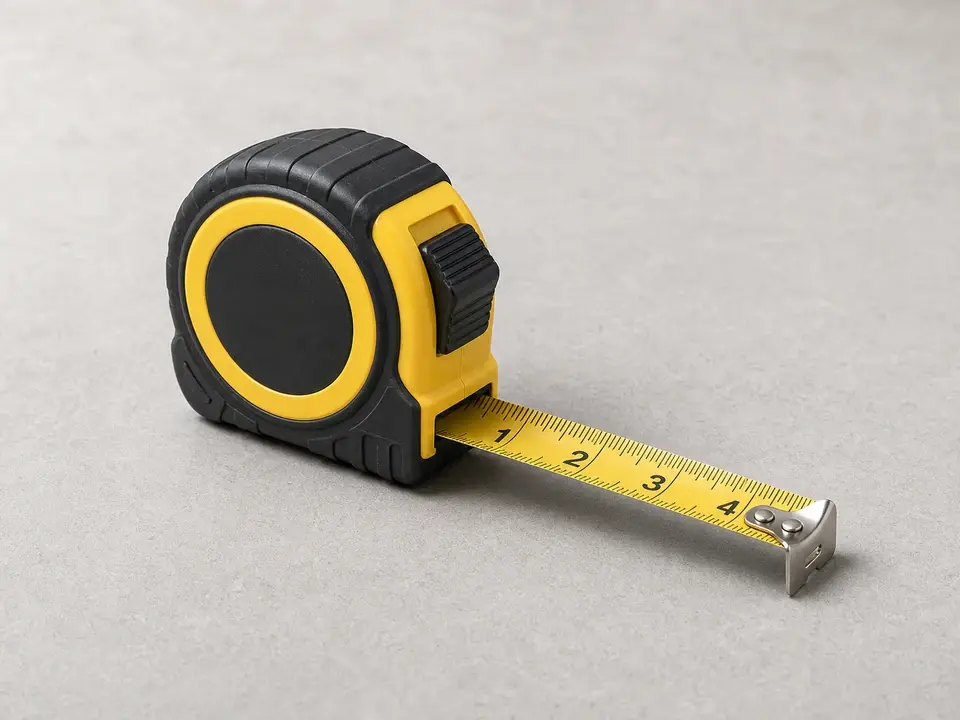
Use it for: To check board thickness and choose the right screw length.
Find tape measures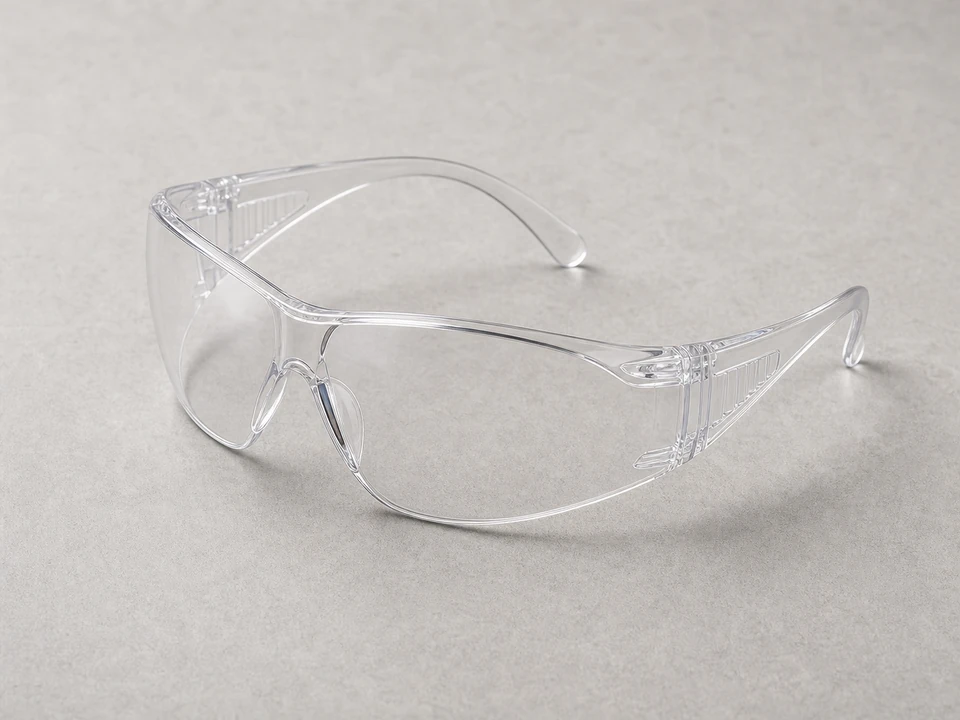
Use it for: To protect your eyes from metal shavings, splinters, and debris.
Shop safety glassesAs an Amazon Associate I earn from qualifying purchases. Repair Riot may earn a commission at no extra cost to you.
If it works: You have confirmed the looseness is coming from failed deck screws, not from a rotten board or damaged framing.
If it doesn’t: If the board is cracked through, soft, badly split, or the joist below is loose, repair the wood problem first instead of just replacing screws.
If it doesn’t: If the board still sits unevenly after the screws are replaced, check for warped decking or framing issues that screw replacement alone will not correct.
If it works: The board stays tight, feels solid under foot, and the repair holds during normal use.
If it doesn’t: If movement returns quickly, the old diagnosis was incomplete and the board, joist, or fastening pattern needs a closer inspection.
Match the screw type, length, head style, and exterior rating to your deck board thickness and framing material before ordering.
As an Amazon Associate I earn from qualifying purchases. Repair Riot may earn a commission at no extra cost to you.
It is better not to. Old screws are often worn, bent, rusted, or stripped, and they may not hold well a second time.
Use exterior-rated deck screws sized for your decking and framing. Match the head style and choose a corrosion-resistant screw made for outdoor use.
That usually means the old hole or the joist wood is worn out. Move the screw slightly into solid wood if there is room. If nothing bites, inspect for damaged framing.
You can replace only the failed screws if the rest are still tight and in good shape. If many are rusted, backing out, or stripped, replacing more of them at once can save time later.
Not always, but predrilling can help near board ends or edges where splitting is more likely. It is a good idea if the decking is dry, brittle, or already showing small cracks.